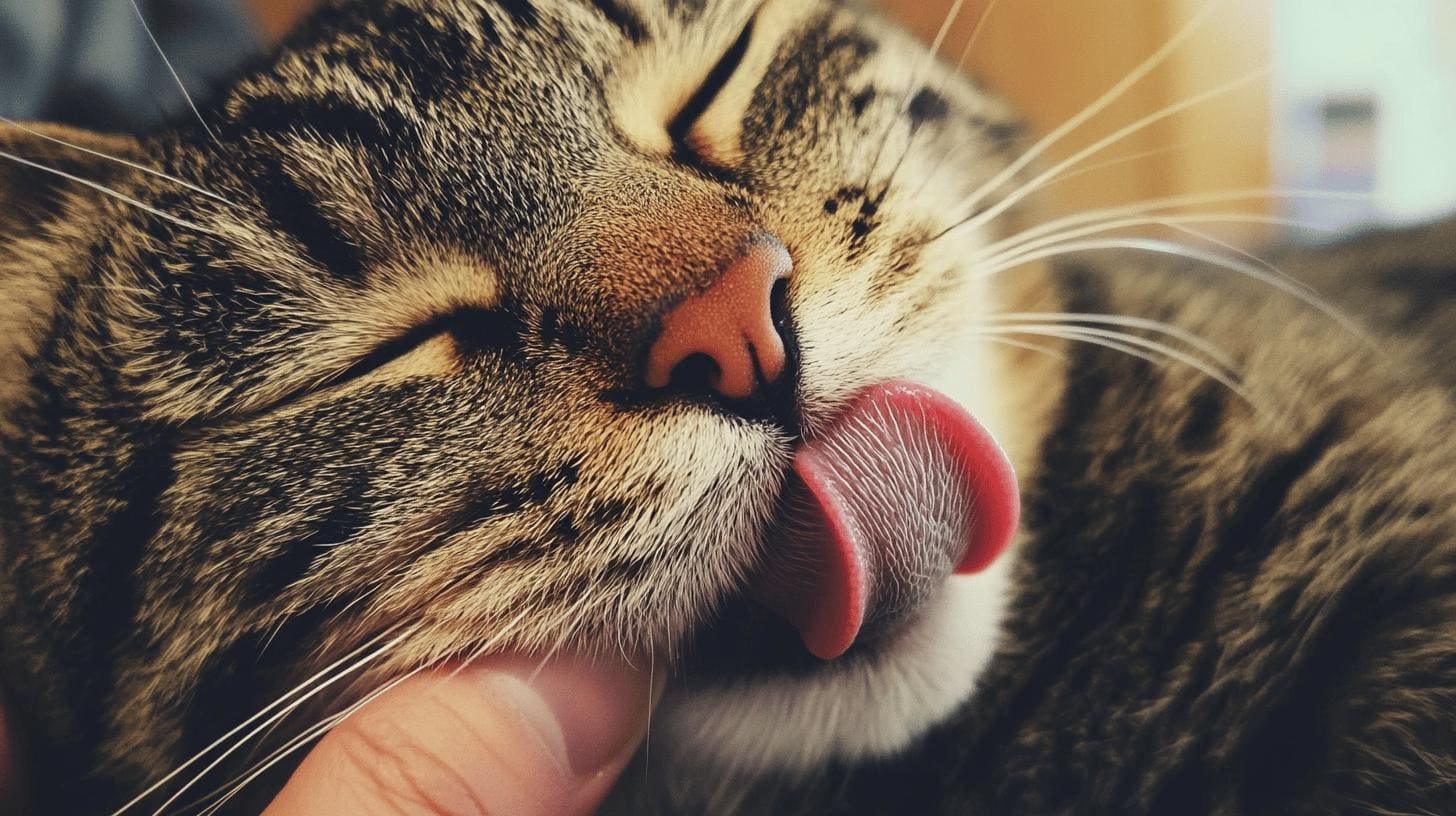
Ever wondered why your cat’s tongue feels like sandpaper? This strange texture isn’t just a quirky detail; it plays a vital role in your cat's everyday life. Imagine trying to comb your hair with a brush covered in tiny hooks—that’s what a cat’s tongue does! It helps them groom, eat, and stay cool.
By exploring the unique functions of this rough surface, we'll unlock the secrets behind how it supports your cat's health and well-being. Ready to learn what makes a cat’s tongue perfectly designed for feline life?
Understanding the Rough Texture of a Cat's Tongue
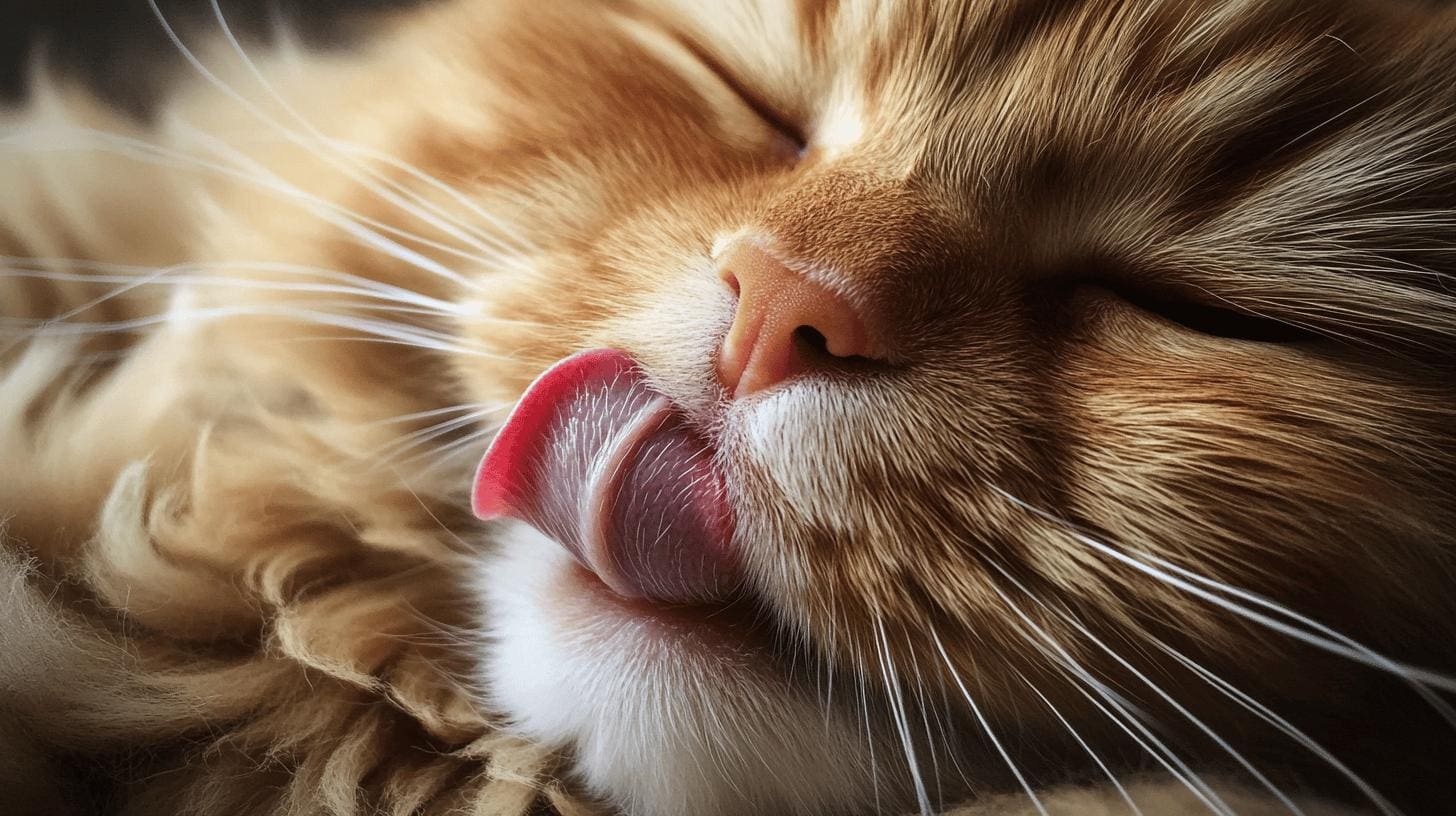
A cat's tongue is renowned for its rough, sandpaper-like texture, which is primarily due to the presence of papillae. These are tiny, hook-like structures made of keratin, the same material found in human fingernails.
The papillae are oriented backward, optimizing their effectiveness in various essential functions. This unique structure enables cats to perform crucial tasks like grooming and feeding efficiently.
Here are five key roles of the rough texture of a cat's tongue:
-
Grooming: The papillae act as a natural comb, helping cats detangle their fur and remove loose hair. This self-cleaning ability is vital for maintaining a healthy coat.
-
Feeding: When eating, the rough tongue helps cats scrape meat off bones, ensuring they get the maximum nutritional benefit from their prey.
-
Cooling: Cats use their tongues to spread saliva on their fur, which evaporates to cool them down, as they lack sweat glands.
-
Nutrient Intake: The barbs assist in filtering smaller, nutritious particles from food debris, which is particularly useful when consuming prey.
-
Spreading Natural Oils: The papillae help distribute oils across the cat's fur, aiding in waterproofing and temperature regulation.
The biological and functional significance of a cat's tongue texture is deeply rooted in their evolutionary needs. This rough surface not only facilitates effective grooming and feeding but also plays a role in social bonding through activities like allogrooming. By understanding these functions, we can better appreciate how these unique adaptations contribute to a cat's overall health and survival.
Evolutionary Advantages of a Rough Cat Tongue
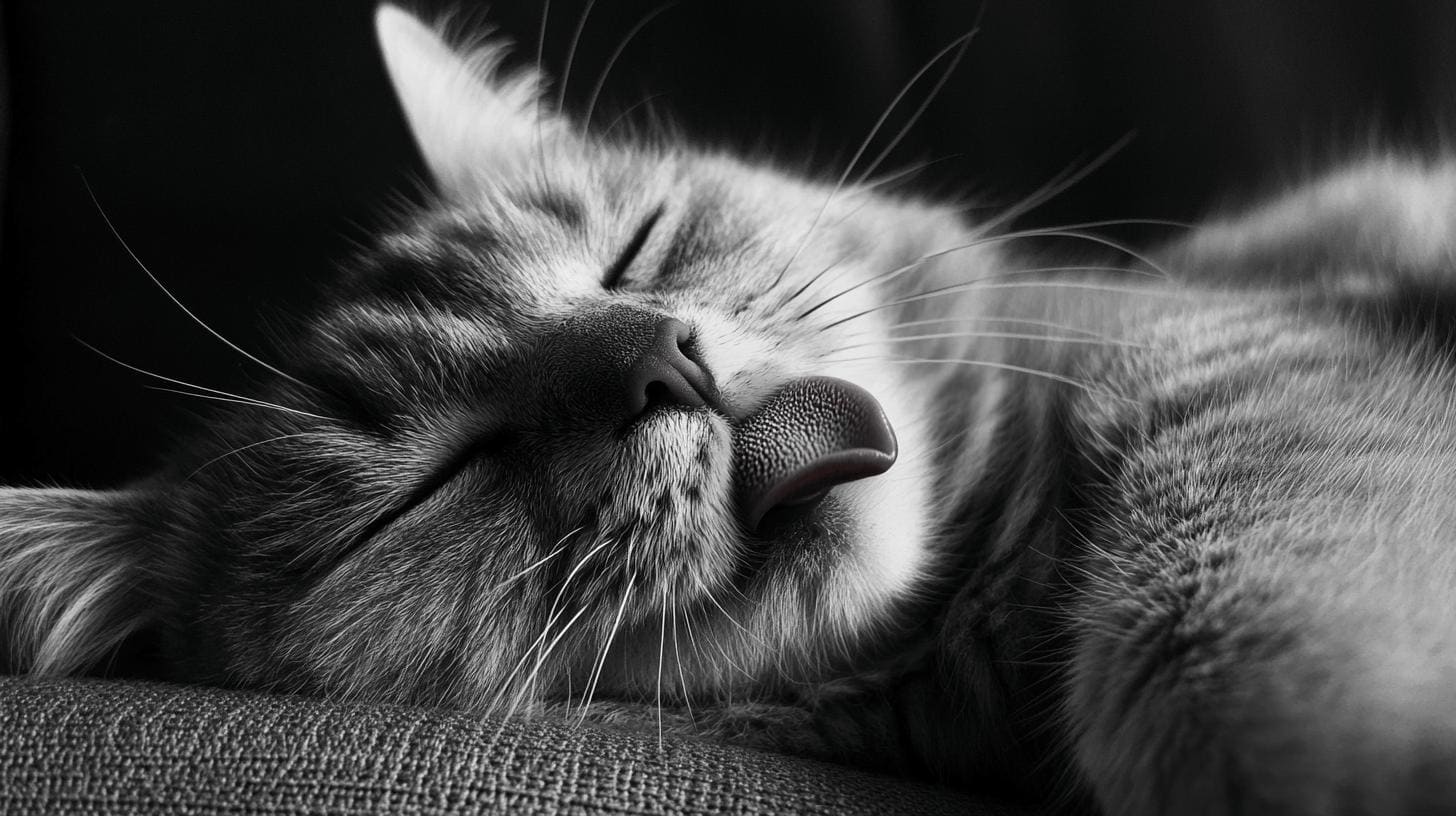
The evolution of a cat's rough tongue provides significant advantages that have been preserved over time. This adaptation not only facilitates efficient grooming by removing loose fur and parasites but also aids in scraping meat from bones, ensuring optimal nutrient intake.
These traits have been naturally selected to enhance survival, allowing cats to maintain a healthy coat and maximize their nutritional consumption.
- Efficient grooming to remove loose fur and parasites
- Ability to scrape meat from bones for optimal nutrient intake
- Trait shared with big cats like lions and tigers
- Enhances self-care and maintenance of a healthy coat
In modern domestic cats, these evolutionary traits continue to be crucial. The rough tongue remains an essential tool for maintaining cleanliness and health, reducing the need for frequent baths.
By effectively managing grooming, cats minimize the risk of hairballs and keep their skin and coat well-maintained. This adaptation underscores the ongoing importance of these traits, ensuring that domestic cats retain their agility, cleanliness, and overall health.
Comparing Cat Tongue Texture to Other Animals
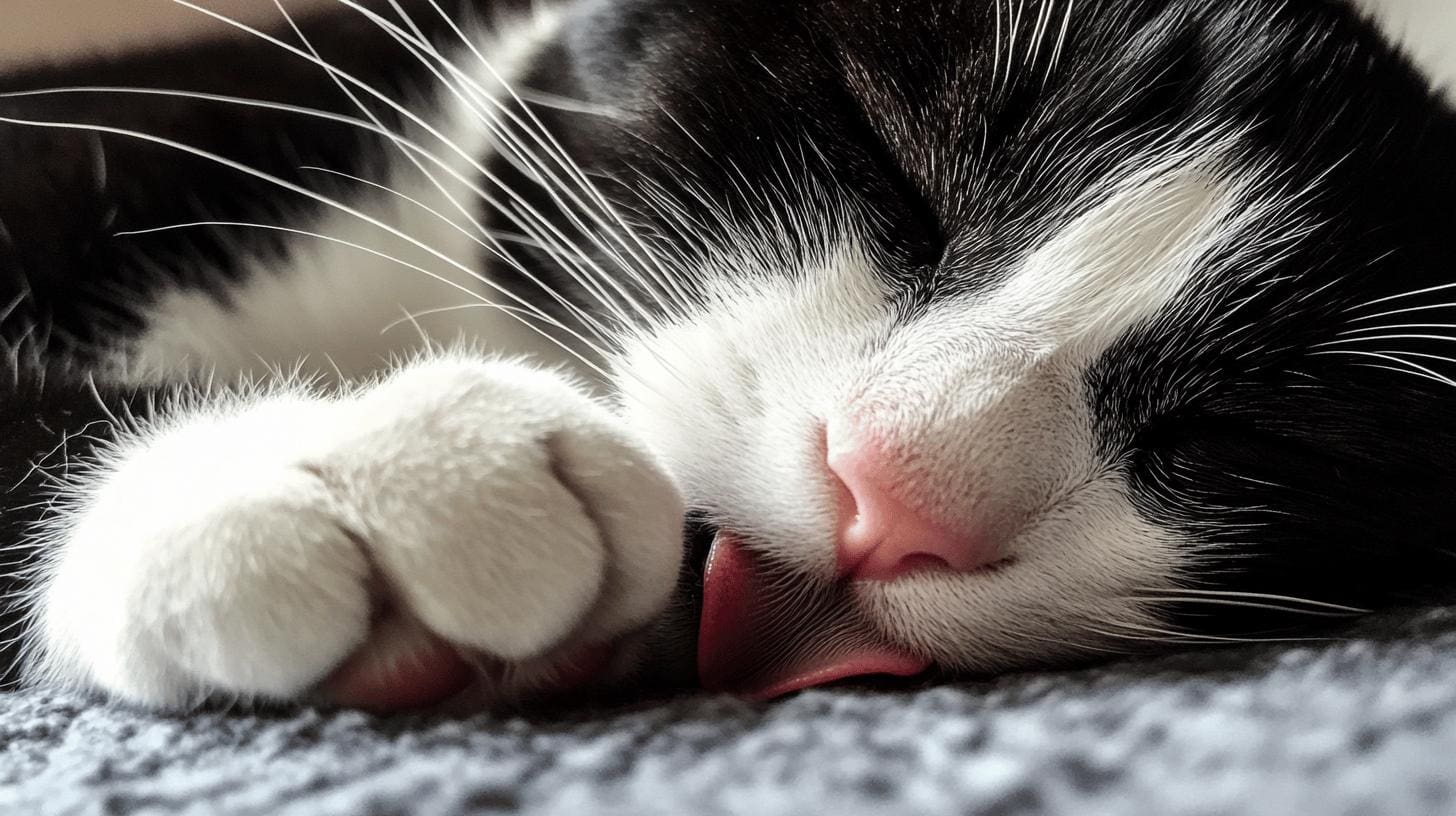
Cats have rough tongues covered in tiny, hook-like structures called papillae. These structures are made of keratin and give the tongue its sandpaper-like texture, crucial for grooming and feeding. Dogs, however, have smoother tongues without these specialized papillae. While dogs might use their tongues for grooming, they are less effective at detangling fur and removing loose hair compared to cats.
Lion and Tiger Tongue Features
Big cats like lions and tigers share the rough tongue characteristic with domestic cats. The papillae on their tongues are similarly structured and serve the same primary functions. These big cats use their tongues to groom themselves, removing dirt and parasites efficiently. The rough texture also aids in stripping meat from bones, maximizing nutrient intake.
Domestic vs. Wild Cats
The role of the rough tongue varies slightly between domestic and wild cats. In the wild, cats rely heavily on their tongues for consuming prey and maintaining their coats against the elements. Domestic cats may not need to strip meat from bones as frequently but still use their tongues to groom and maintain a healthy coat, preventing matting and reducing parasite risk.
The rough texture of a cat's tongue highlights the unique adaptations of cats, serving critical purposes in both grooming and feeding across different feline species.