Ever watched two cats play tag one second and turn into teeth-and-claws tumble the next?
Whiskers twitch, fur flies, and it can be hard to tell if it’s friendly roughhousing or something that could hurt.
So here’s the plan: clear signs to spot playful vs. real fights, quick and safe ways to break things up, and a simple daily routine to keep hunting drives healthy without anyone getting hurt. Think of it like refereeing a scrappy soccer game, with rules, short bursts of play, and a timeout when things get too rough.
Play looks loose and bouncy. Bodies are wiggly, they take turns chasing, and one will pause or flop down to say “I’m done” now and then. There might be chattering or light batting, not full-on biting, and ears stay mostly forward. Real aggression is tense. Look for stiff bodies, ears flattened back, growling, claws out with no breaks, and one cat trying to hide or escape. Blood, repeated hard bites, or a cat screaming means stop and separate.
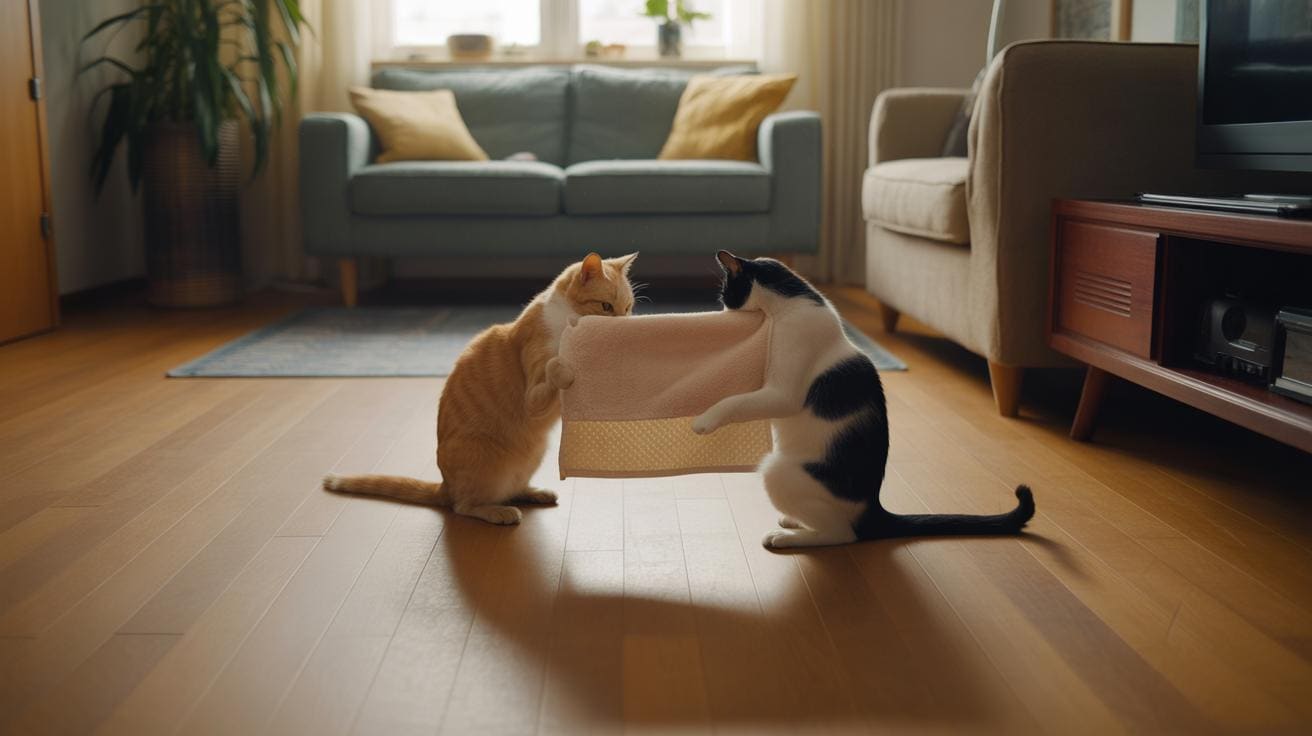
If things get heated, try a calm distraction first. Toss a favorite toy or shake a bag of treats to redirect attention. You can also roll a blanket between them or gently block the view with a piece of cardboard, then carry one cat away, never grab by the scruff or chase them, that usually makes it worse. Put them in separate rooms with water and a litter box for 10 to 20 minutes, then reintroduce calmly.
Keep it peaceful every day with short, structured play. Do two or three 5 to 10 minute sessions with an interactive wand (like a fishing rod for cats) to burn off predatory energy, then let each cat “catch” a toy and get a small food reward. Puzzle feeders (toys that make them work for kibble) give mental exercise and slow eating. Rotate toys so things stay new and exciting.
I once watched Luna launch six feet for a feather and then nap like nothing happened. Worth every paw-print.
Managing Play Aggression in Multi-Cat Households

Quick check: if the rough play is mutual, with cats trading roles and no one gets hurt, it’s probably play aggression (rough play that looks like fighting but isn’t meant to hurt). But if one cat keeps delivering hard bites that cause punctures (deep skin breaks), or a cat looks truly scared and avoids the other, treat it as harmful and act fast. Ever watch two kitties swap places like tag? That’s usually fine. Repeated attacking is not.
Stay calm. Stop the play right away and quietly step back, don’t chase or grab them, that only makes things worse. If you need to separate them, put a barrier between the cats, like a baby gate or a cardboard panel, or from a safe distance make a brief noise to break focus. Only do noise or intervention if it’s safe. If you must physically intervene, protect your hands and feet with gloves or a thick towel (a towel absorbs bites and scratches). Then walk away once things settle so the cat understands that rough hits end the fun.
One simple routine: schedule short interactive play sessions every day. Do 10–15 minute bursts in the morning or evening when cats are naturally active, and always end play with the same reward or a calm cue so the session finishes cleanly. No hand play, ever, and use wand toys (a long stick with a toy on the end), feather teasers (feathers on a string), or kicker toys (soft, long toys cats can grab and kick) to keep teeth and claws off skin while letting hunting drives out. Rotate toys so things stay interesting. Give extra solo sessions to the instigator (the cat that starts the rough stuff) to burn energy, and offer separate, gentle enrichment for the shy cat until they regain confidence. That routine is the backbone of safer play in multi-cat homes. Worth every paw-print.
For deeper help and tools see:
- Distinguishing play fighting from real aggression: expanded cues and systematic monitoring
- Safe play techniques: toy mechanics, recommended toys, and demonstration variations
- Sample routines, shift templates, and troubleshooting for multi-cat households
- Medical, physiological, and professional interventions
Distinguishing play fighting from real aggression: expanded cues and systematic monitoring
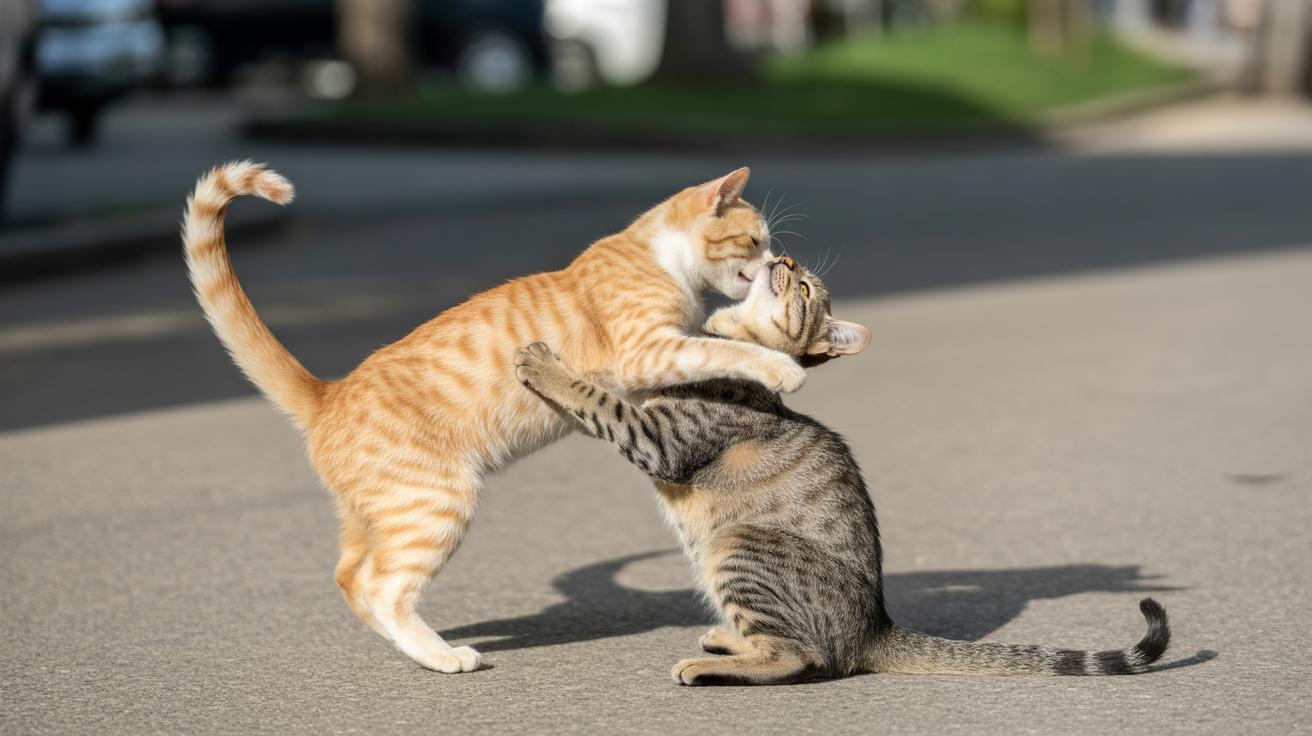
Play often looks like a friendly back-and-forth: chasing, pouncing, quick breaks, and role swaps where the chaser becomes the chased. It’s usually short, reciprocal, and ends without injuries. Real aggression feels one-sided – hard bites that break skin, loud yowling, or a cat who hides and won’t get back to their normal routine. Quick rule of thumb: if both cats take turns and nobody gets hurt, it’s probably play. If one cat is repeatedly targeted, fearful, or has puncture wounds (small holes from teeth or claws), it’s not play.
Cats give clues long before claws fly. Ears pinned or turned sharply back usually mean rising alarm. A twitching or fluffed tail signals growing arousal or irritation. Wide, dilated pupils (when the black part of the eye gets large) show high arousal. Whiskers (the long face hairs that help cats sense space) pushed forward or flattened suggest intense focus or stress. A stiff, crouched stance with no role-swapping usually means the fun has tipped into something riskier and you should step in.
Body language cues to watch
Watch who starts and who stops play. If one cat always initiates and the other freezes, flattens ears, or tries to run away, that’s a red flag. Short chases with pauses are normal; long, relentless chases that corner a cat at a doorway are not. Also, note posture changes: a sudden freeze, tucked tail, or hiding after an interaction means a cat felt threatened.
Vocal signals and interaction context
Hissing, growling, and frantic yowls are more likely signs of aggression or fear. Soft chirps, trills, and quick excited mews are usually play sounds. Check what’s around them: a narrow hallway, a bird at the window, or mealtime nearby can flip playful energy into stress. Always make sure there are clear escape routes so a cat can safely break contact.
Monitoring guidance
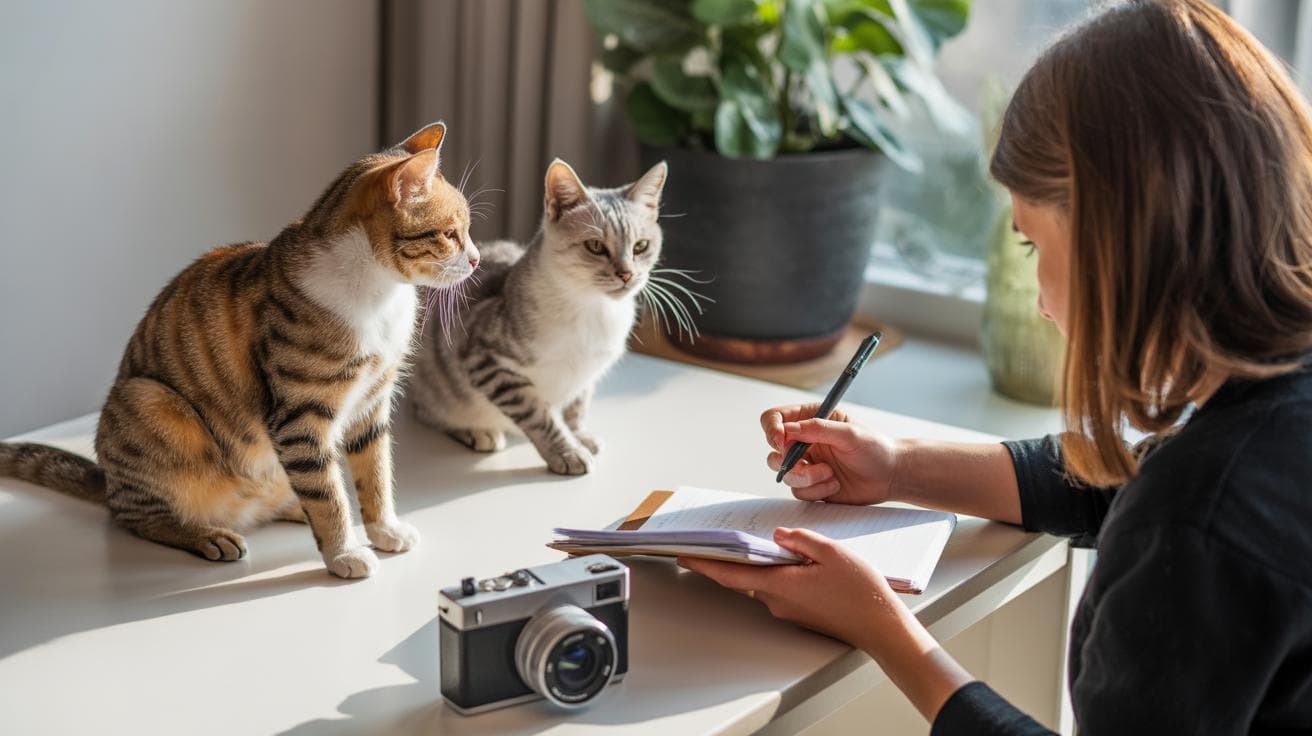
Keep a simple behavior journal and save short video clips so you can spot patterns, who starts fights, how often they happen, and how they end. Note time of day, which toys were out, and any nearby triggers. Try small interventions like tossing a toy to redirect energy or giving the targeted cat a quiet hideaway. See Step-by-step plan for the central protocol to interrupt and retrain risky patterns. Worth every paw-print.
Root causes and household triggers of misdirected play in multi-cat homes
Boredom and excess energy are the usual culprits. Cats need hunting-style activity (chasing, pouncing, stalking) to burn off that spark. When they do not get short, focused play sessions, they invent targets: your hands, your feet, or the sleepy person on the couch. Ever watched a whisker-twitching pounce turn into a surprise bite? It happens when the hunting muscle needs exercise.
Kittens pick up hunting moves very young. Rough play with humans teaches them that grabbing and nipping people is okay. Think of it like a sport practice. Without safe outlets, the practice gets rerouted into awkward or painful play. So use toys, not fingers, to teach what is and is not a target.
Territory and social rank also steer whether play stays friendly. A confident cat may chase or corner a timid cat by a doorway or a food bowl, and that trapped feeling can turn play into real trouble. Spread out perches and bowls, create clear escape routes, and give shy cats high resting spots so they can opt out when they want.
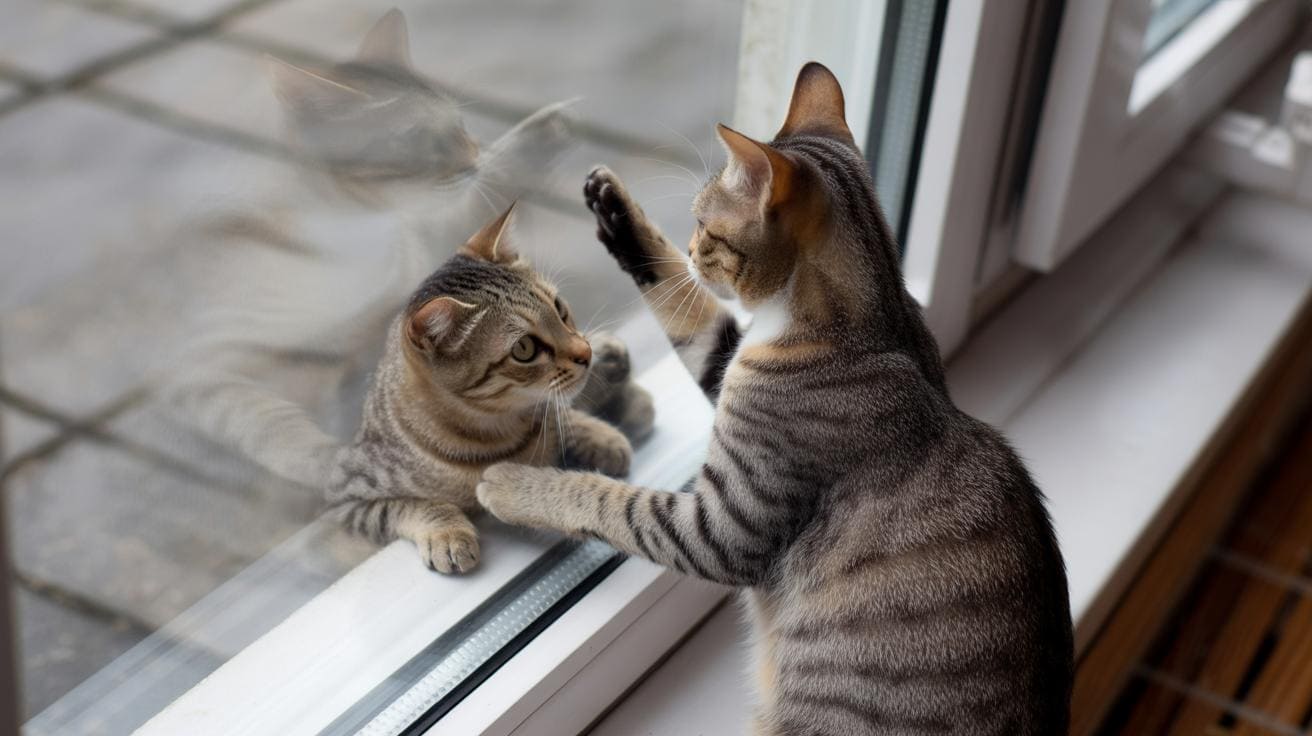
Redirected aggression (when a cat gets amped up by something it cannot reach and then attacks whatever is closest) is another trigger. A strange cat at the window, a sudden loud noise, or a stressful visitor can spike arousal and lead to misdirected attacks. Scent or identity mismatches also matter , if a cat smells different after being outside, housemates may not recognize them and tension can flare, since cats rely on smell to know who belongs.
Fixes should match the causes. Add short chase-and-catch games several times a day, rotate toys so play feels new, and give high-energy cats solo outlets like puzzle feeders or an unbreakable ball. Use gentle separation when groups clash, then do slow reintroduction with supervised, calm meetings. And if you suspect pain or a sudden health change, see a vet for medical interventions.
Safe play techniques: toy mechanics, recommended toys, and demonstration variations
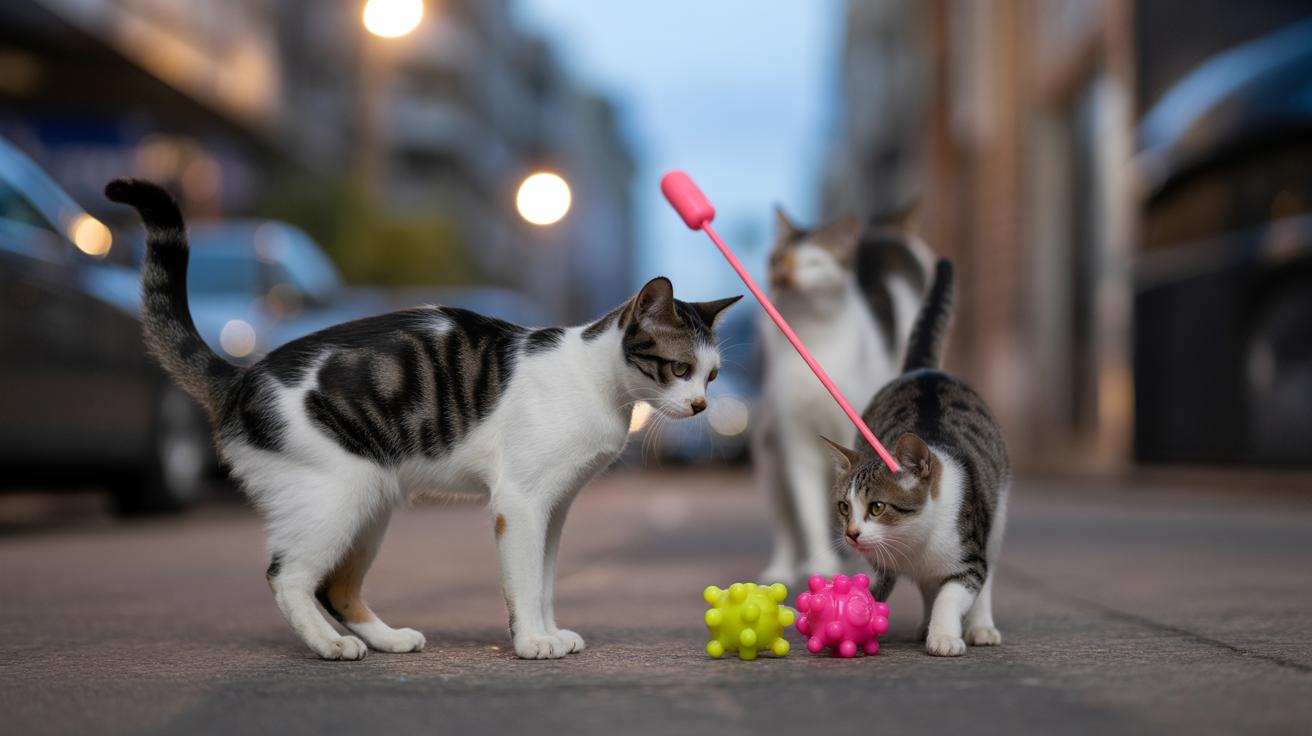
Interactive toys work best when they copy the small, unpredictable moves of real prey , a feather that flutters, a small ball that skitters, a sudden dart across the floor. Use toys to channel hunting energy onto props, not people. Rotate toy types and give high-energy cats solo sessions so one kitty doesn’t become the house-instigator, and keep your hands out of reach by using long-handled tools.
Wand toys work because a flexible shaft sends quick wrist jerks into tiny, prey-like twitches. Pick a rod made from fiberglass (like a strong fishing-rod core) or polymer (a tough synthetic plastic) so it has good snap and lasts. The motion is what makes cats pounce, so feel free to vary speed and height.
Kicker toys are soft, long toys for biting and hanging onto while cats kick with their hind legs, which satisfies the grab-and-hold instinct. Puzzle feeders turn hunting into foraging by making food come out only after effort , puzzle feeder (a toy that hides food until the cat works for it). Motorized chase toys imitate erratic ground-level movement, but use them in short, supervised bursts so no guarding behavior develops. Hide-and-pounce tunnels create ambush spots that feel like real hunting practice. Nail trims and soft paw caps (tiny vinyl covers) help reduce injury during rough play, so play can stay fun and safe.
- Wand/teaser – long reach, mimics live movement; keep hands well away.
- Kicker toys – let cats bite and grapple a safe target.
- Puzzle feeders – redirect hunting energy into food-finding work.
- Motorized chase toys – use short, supervised bursts to burn energy.
- Hide-and-pounce tunnels – encourage stalking and surprise pounces.
- Soft paw caps (tiny vinyl covers) and nail trims – reduce the risk of injury.
Try these demo variations to teach safe play patterns. Slow stalk + quick pounce – tease the wand low and slow so your cat crouches, then whip it into a fast twitch for the pounce, and end with a soft reward like a brief pet or a tiny treat. Two-step chase then kicker – lead a short chase with a motorized toy, then drop a kicker toy for your cat to grab and kick so they can finish the hunt. Group session bursts – run short, separate spurts for different cats (cat A gets the wand, cat B gets a kicker), so everyone gets a turn without crowding.
Scatter interactive toys around rooms and avoid dropping one prized toy in a narrow hall where guarding can start. Watch group play and step in if one cat monopolizes action; give the target cat a quiet hideout and offer the instigator extra solo outlets, like a puzzle feeder or a timed motorized toy. For exact session timing and central toy rules see Step-by-step plan.