If playtime leaves you with nips, a bruised ego, or bleeding hands, that’s not just "kittens being kittens." It’s a warning sign. Your palm might sting and your heart sink, really.
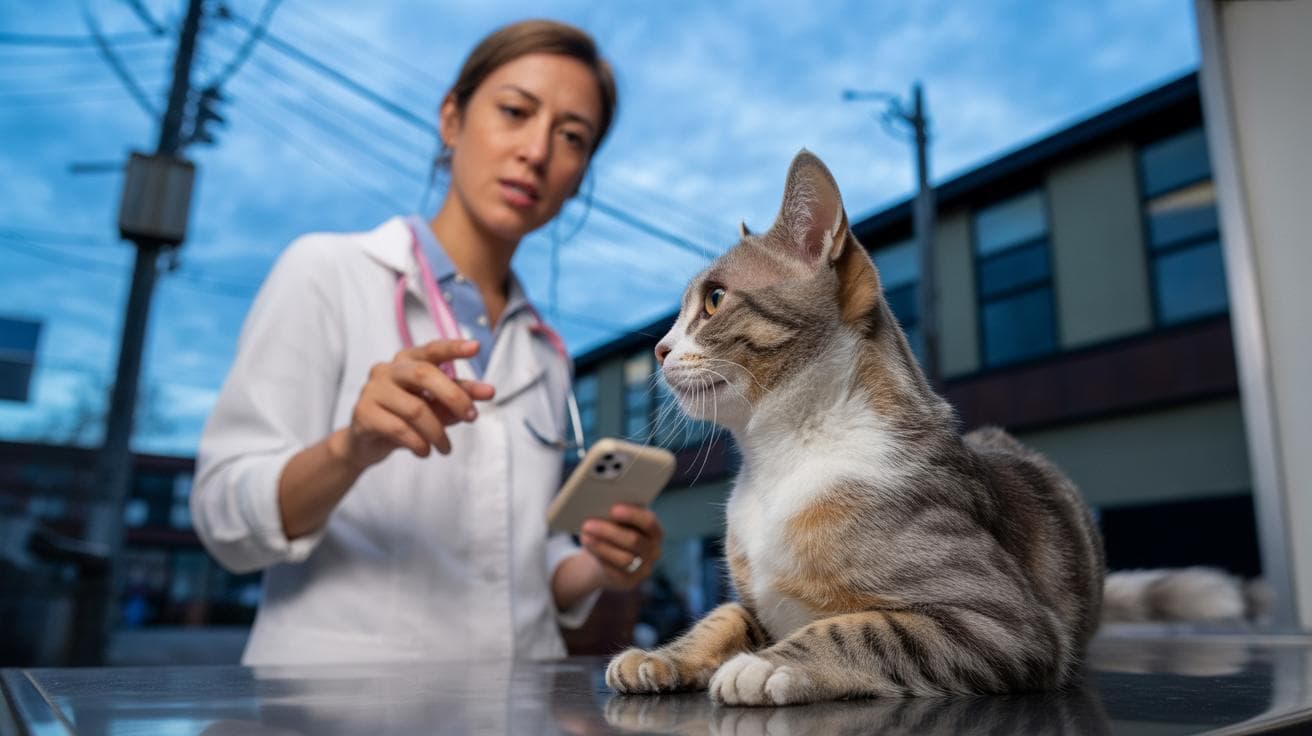
First step: see your veterinarian (a doctor for animals who checks for pain or illness). Cats are pros at hiding discomfort, and pain or sickness can make playful bites turn rough. Ever had a purr turn into a sudden snap? That could be pain talking.
Next, use a quick checklist to decide if you need an expert. A certified feline behaviorist (a trained cat behavior specialist) helps with training and changing the home setup. A veterinary behaviorist (a veterinarian with extra behavior training) looks at medical and behavior issues together.
If bites break the skin, attacks happen every day, or you feel unsafe at home, book a consult and start a short incident log (a simple record of date, time, what happened, what led up to it, and any injuries). Don’t wait, those notes make it much easier for a pro to help. Oops, let me rephrase that, a few clear entries can speed up the right fix.
When-to-Seek-a-Behaviorist-for-Cat-Play-Aggression

Use this short checklist to figure out whether you need a behaviorist for cat play aggression. It’s quick, clear, and meant to help you go from worried to doing something useful.
First things first: get a vet exam (veterinarian). Cats hide pain, and health problems can cause or make aggressive play worse, so rule out medical issues before you call a behaviorist.
If any of the items below fit, contact a certified feline behaviorist (trained cat behavior specialist) or a veterinary behaviorist (a veterinarian with behavior training) for a consult.
- Any bite that breaks the skin or draws blood, even once.
- Repeated attacks every day, multiple times per day, on people or other pets.
- Episodes that get worse or happen more often over several weeks.
- Aggression that causes injury to household members or other animals.
- Aggressive events that come with appetite loss, litter box changes, big grooming changes, or major shifts in activity.
- Caregivers who are afraid of the cat, avoid interacting with it, or whose home life clearly worsens because of the behavior.
If an event happens, do this now: stop interaction immediately and move your hands and body parts out of reach. If you need to keep everyone safe, put the cat in a secure room with a litter box, water, and a comfy bed.
Start a short incident log (simple notes) with date, time, location, who was there, what may have triggered it (toy, another pet, a sudden noise), the exact behaviors you saw (biting, scratching, tail and ear cues), any injuries, and how long it lasted. If you can safely record video, do that too. Then arrange a prompt veterinary exam and bring the incident log, any videos, a current medication list, and notes about recent behavior or medical changes to the appointment.
Other sections go into medical triage, emergency safety steps, and how behaviorist consults work, so you won’t need to repeat those details here. Worth every paw-print.
Red flags and urgent clinical guidance for cat play aggression

Yikes, cat bites are riskier than they look. Cat mouths commonly carry Pasteurella spp. (common cat-mouth bacteria) and anaerobes (bacteria that grow without oxygen). Puncture wounds often seal up and trap those germs inside. They usually need professional irrigation (thorough flushing) and sometimes antibiotics (medicines that kill bacteria).
Seek emergency medical care for people if bleeding won’t stop, if there are signs of a spreading or systemic infection like fever or rapidly spreading redness, or for deep puncture wounds. Don’t wait to be sure.
Get urgent veterinary care for the cat if the aggression is sudden and comes with collapse, stumbling, disorientation, or other neurologic signs (problems with balance, coordination, or awareness). Those can be medical emergencies and not just behavior issues.
See the article’s central emergency/triage section for the simplified triage checklist. And please save any video or photo evidence with timestamps, plus witness names for clinicians and behaviorists. For example: "00:12 cat lunges; witness: Alex; clothing torn at sleeve."
Vet-first checklist to prepare for a behavioral consult (what to report and diagnostics to request)
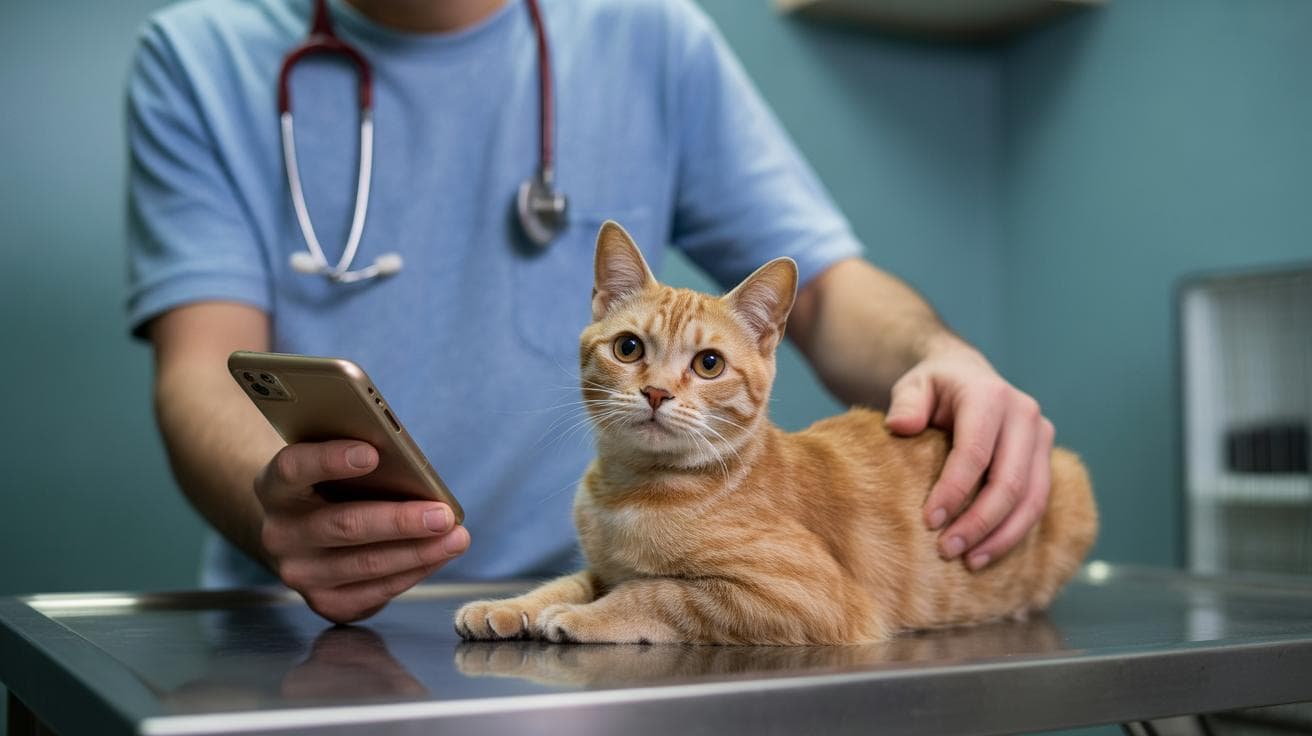
At triage say this exact line: "My cat has bitten [person/pet], this happened [dates/times], here are videos and the incident log; the behavior is new/worse; I’m worried about pain or neurologic disease." Bring the incident log, short video clips, current meds, and any recent vet notes – they make the exam much more useful.
Quick note before we dive in: those videos and the timeline are pure gold. Ever watched your cat’s whiskers twitch before a bite? Yeah, footage helps.
Medical red flags to report right away:
- Appetite or weight change. Even small shifts matter.
- Litter box accidents (peeing or pooping outside the box). That can signal pain or illness.
- Marked lethargy or being unusually sleepy.
- Vocalizing when handled or obvious pain spots when you touch them.
- Changes in grooming, like overgrooming or matted, unkempt fur.
- Stiffness, limping, or trouble jumping.
- A sudden rise in how often or how hard they’re being aggressive.
Expect these diagnostics during the visit:
- Full physical exam and pain scoring with an orthopedic check (feel joints and spine for soreness or injury).
- CBC/chemistry blood tests (CBC = complete blood count; chemistry checks liver, kidneys, electrolytes).
- Urinalysis (simple urine test).
- Neurologic exam (checks coordination, reflexes, and nerve responses).
- Imaging like x-rays or ultrasound (sound-wave imaging for organs and soft tissues) if trauma or neurologic signs are suspected.
- Thyroid or other endocrine testing (hormone checks) when indicated.
- Regional infectious disease panels (tests for local infections, like tick-borne diseases) when relevant.
Many vets will also try a short therapeutic pain or anti-inflammatory trial (a brief pain-med test) if pain seems likely. If the behavior improves, that’s a big clue it was pain-related.
Bring patience and your notes. Short videos, a clear incident log, and the meds list turn a good exam into a great one. Worth every paw-print.
When-to-Seek-a-Behaviorist-for-Cat-Play-Aggression

Start with the basics. Try short, scheduled play sessions to burn off chase drive, swap your fingers for toys, and give puzzle feeders (toys that make cats work for food). Set clear petting limits and add hiding spots or perches (high resting spots). You can try pheromone diffusers (scent signals that mimic feline comfort), too. Done consistently and with good timing, these moves often cut down on misdirected arousal (an excited state that turns into rough play).
Call a certified behaviorist (a pro trained to read cat body language and change behavior) if those steps, done correctly, don’t shrink the problem after 4 to 8 weeks. “Done correctly” means you kept a clear routine, used appropriate toys and session lengths, and watched your cat’s cues. If the bites or swats get more frequent or harder, or if anyone’s getting hurt, reach out sooner. And please, skip punishment or scary fixes , they usually make things worse, not better.
Make notes like a little detective. Jot dates and times, how long each session lasted, which toys or treats you used, who ran the session, and what your cat’s body looked like before and after (tail, ears, pupils). Short video clips of a typical session are gold for a behaviorist. Professionals say owner follow-through is one of the biggest predictors of success, so aim for steady, honest logs, not random attempts.
Worth every paw-print.
Examples of common home strategies owners try
- Daily teaser-wand play (a fishing-rod style toy for cats) and tossing soft balls.
- Limiting lap time and plugging in pheromone diffusers (scent signals that mimic feline comfort).
- Offering puzzle feeders (toys that make cats work for food).
Common mistakes: irregular play schedules, using bare hands, not rotating toys, and ignoring early body-language warnings.