Ever seen your kitty give a tiny, polite hiss when a guest arrives?
It’s like a fluffy alarm bell asking for caution. You might shrug and think, “That’s just her thing.” But that soft hiss actually says a lot.
As your cat-crazy buddy, I’ve learned to read those gentle warnings. Sometimes your feline’s nerves are shaking like a leaf. Other times she might be hiding a secret ache – a sore spot under all that fluff.
Ever watched whiskers twitch or tail tip-tap? Those little signals help you know when to slow down and help your cat feel safe.
Understanding these hisses can turn tense moments into purr-fect greetings.
Ready to swap those hisses for head bumps?
Key Reasons Your Cat Hisses at Visitors
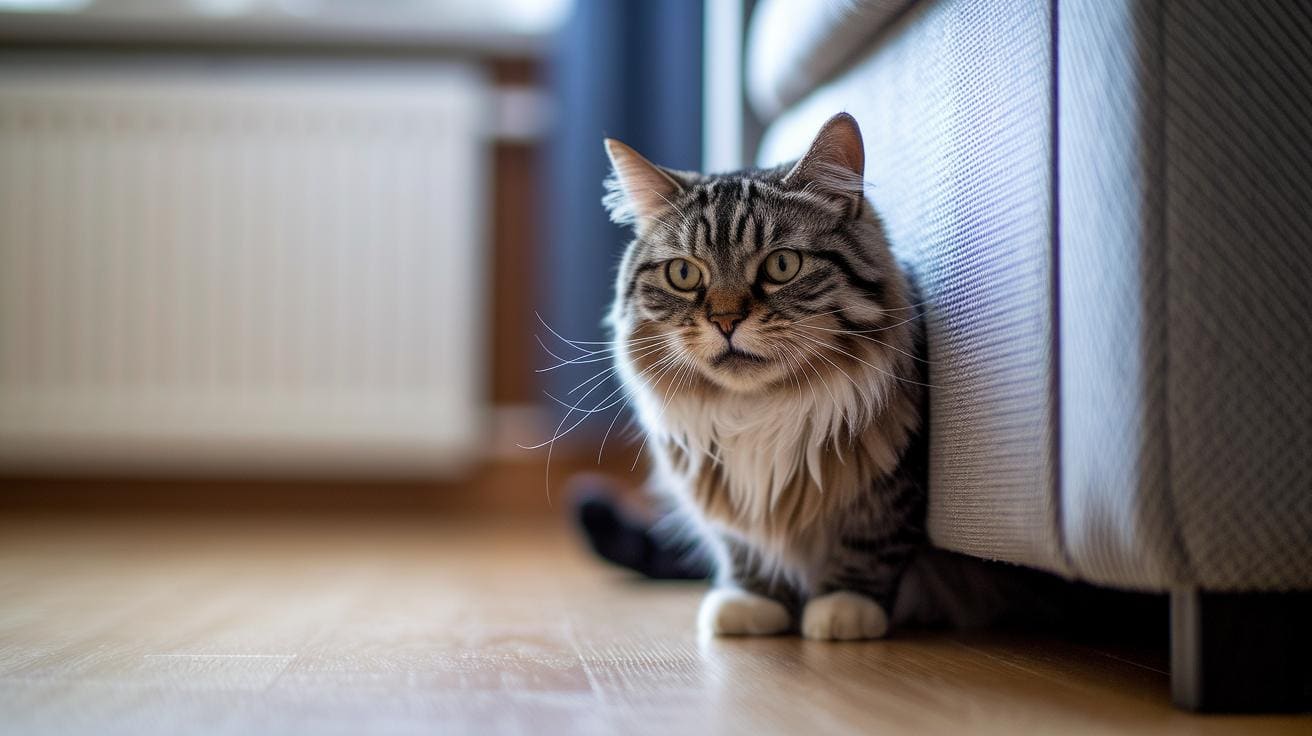
Ever heard that sharp hiss when someone new steps inside? Your kitty might be afraid of strangers. Cats use hissing to say “back off” when they feel nervous. It’s like a furry warning siren. Your cat’s whiskers might even flatten as a signal, pretty convincing, right?
Your home is your cat’s kingdom. In a tiny indoor world, every spot on the sofa or windowsill feels precious. Territorial (guarding its space) instincts kick in when a visitor crosses that invisible line. So your cat might puff up and hiss at guests, as if saying, “This patch of carpet is mine.”
Stress plays a big part too. A shift in routine (daily schedule), new furniture, or even high-energy chatter can make your cat tense. Ever thrown a party and watched your cat disappear under the couch? Temporary stress can turn a laid-back feline into a hissy ball of fur. It’s just their way of coping.
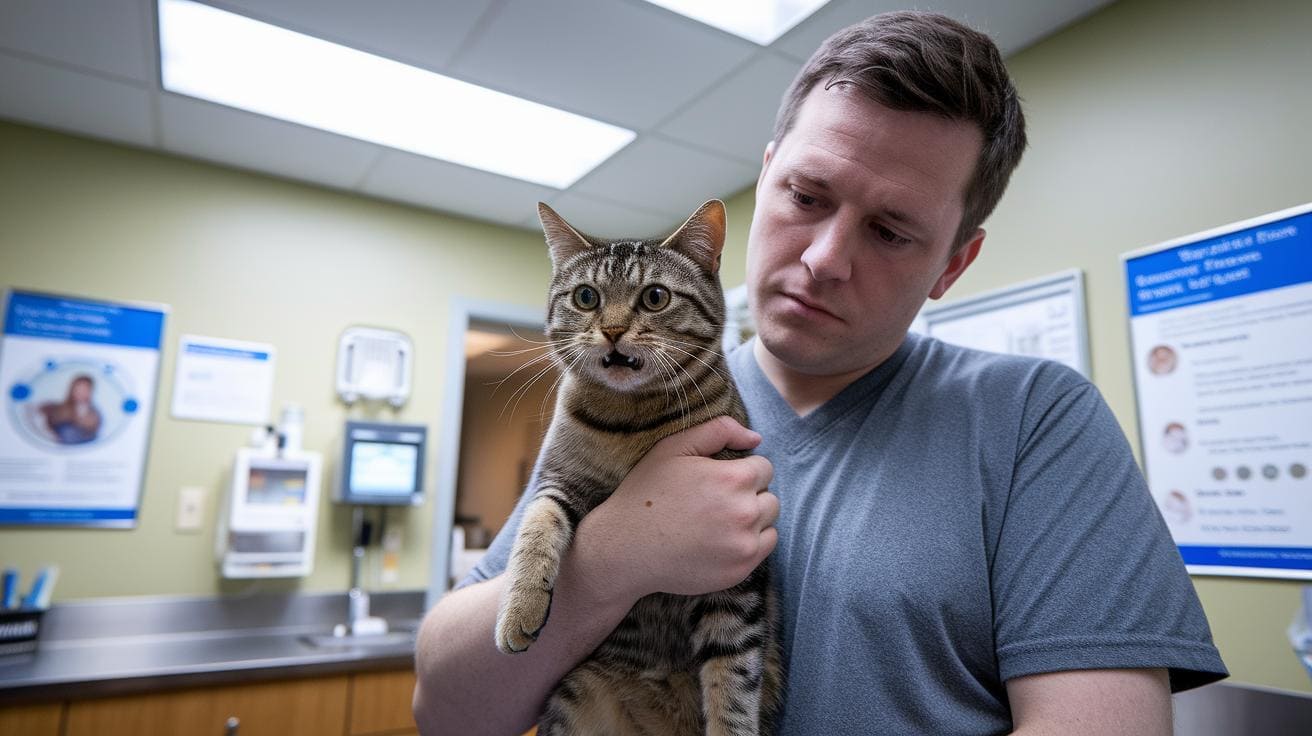
Sometimes hissing hides pain. A secret ache, like arthritis (painful joint swelling) or a sneaky toothache, can make your cat snap at anyone who tries to pet them. Ouch, right? It’s their way of protecting a sore spot. If your cat’s hisses seem sharper than usual, a vet check might help.
Unneutered males often guard their turf more fiercely, especially during breeding season. They feel extra bossy about their domain. So if you’ve got a tomcat who hisses at every ring of the doorbell, hormones could be at play.
Indoor life means limited “meet and greet” practice. Most indoor cats haven’t been around many strangers, so new faces can feel odd. Try supervised porch time or safe cage visits outdoors to widen their comfort zone. A little exposure can go a long way toward turning hisses into gentle purrs.
Recognizing Body Language When Your Cat is Hissing at Visitors
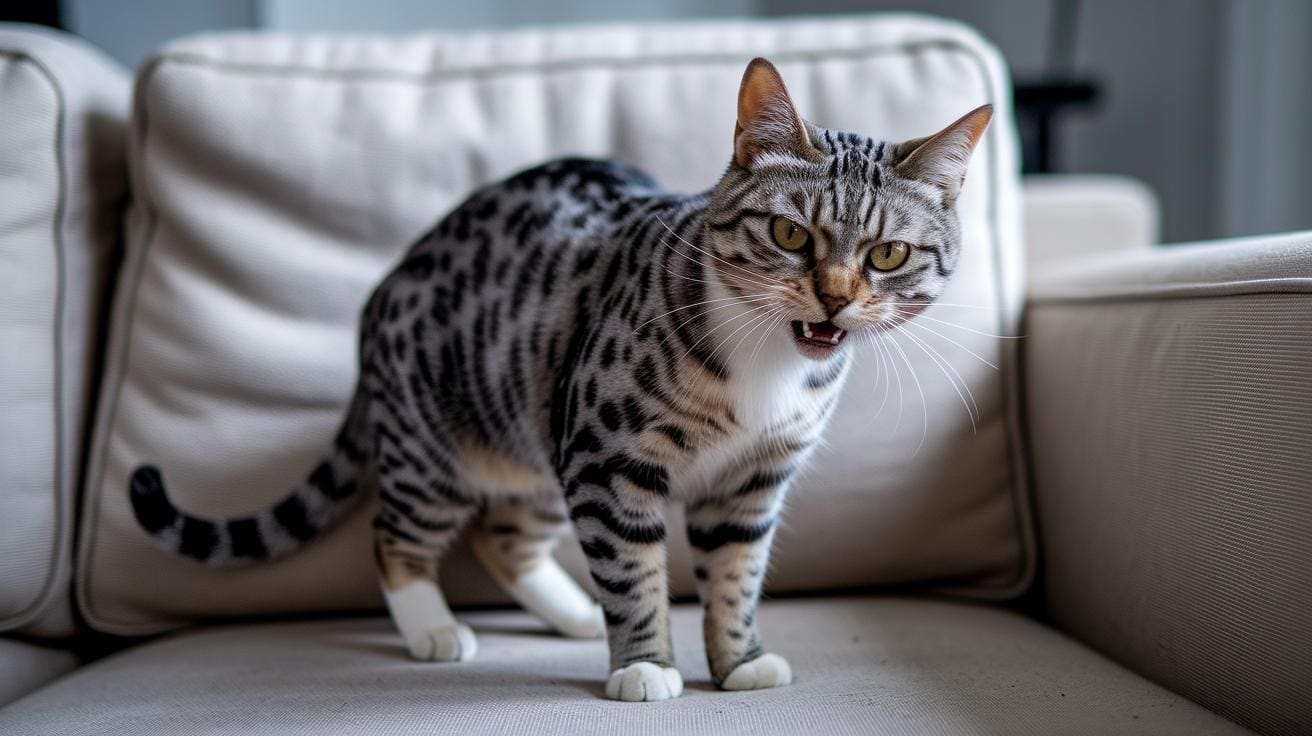
Ever heard that sharp “sss” when someone knocks? Your cat is talking, and it’s not meowing. Hissing is a warning. Watch their body. A curved back with fluffed-up fur (like a mini porcupine) is a top defense pose. Pinned-back ears, a low, stiff body, and giant pupils (big black circles) mean they’re on edge.
Here’s a quick guide:
- Curved back + fluffed fur: ready to defend.
- Ears flattened + narrow eyes: nervous.
- Tense, crouched stance: high alert.
- Wide pupils + flicking tail: stress peak.
- Hiss: open mouth, quick burst of air, teeth showing.
- Growl: low rumble, mouth almost closed.
These moves say “give me space” until your cat chills out. Sometimes they’ll pace by the door, hide under a chair, or groom until their fur looks extra neat, that’s more hissing clues.
So when you hear the hiss or catch a growl, back off or try soft pets if they seem okay with it. It’s all about reading those signals. Need more tips? Check out cat hissing meaning. Worth every paw-print.
Safe Spaces to Reduce Cat Hissing at Visitors
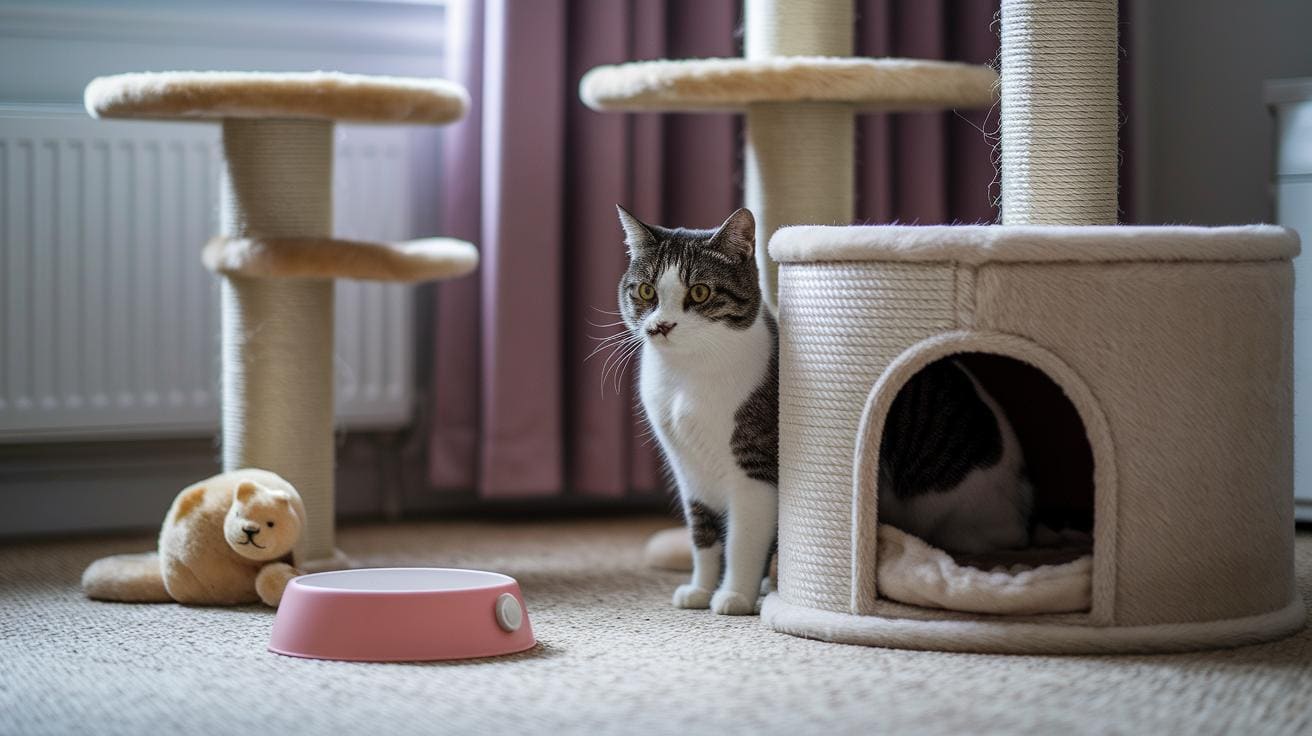
Ever watched your kitty’s whiskers twitch when the doorbell rings? Visitors can feel like monsters to shy cats. You can set up cozy hideouts that tap into their natural urge to hide and watch. Less hissing. More peace.
Think about a cat condo (mini high-rise) tucked in a low-traffic corner. Or wall-mounted perches (tiny cat balconies) by a sunny window. They get a front-row seat to all the action without feeling trapped. Control matters to a cautious cat.
- A cozy cat condo (mini high-rise) in a quiet corner.
- Wall-mounted perches (tiny cat balconies) near windows.
- A tucked-away room with litter box, food and water bowls, plus soft toys.
- Covered boxes or tunnels for quick vanish points.
- Fleece blankets or snuggly fleece tunnels for extra warmth.
Scatter a few of their favorite treats in these spots, it’s like a welcome mat for nervous felines. A thoughtful setup keeps fresh water, clean litter, and a beloved toy within paw’s reach. And um, adults and kids should steer clear of this retreat when guests arrive. Now that’s pawsome self-care.
Let your cat pick when to say hello. If they brave a peek, reward calm behavior with gentle praise or a tasty snack. Forcing a meet-and-greet can backfire, more fear, more hisses. Let them take the lead for trust to grow.
Strategies to Calm a Hissing Cat During Visitor Arrivals
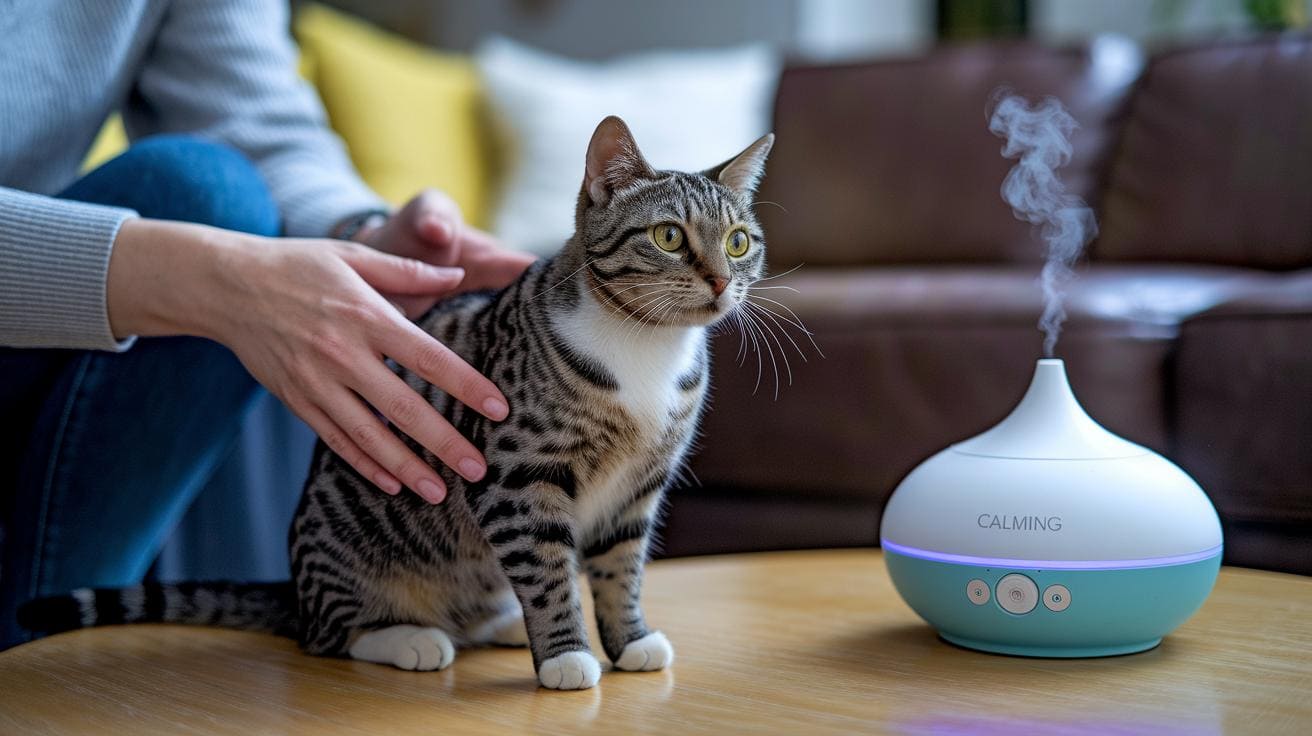
When someone steps in and your cat hisses, grab a pheromone diffuser (it plugs in and shares calming cat smells) or a quick spray. FELIWAY Optimum feels like a cozy cat hug. It tricks their nose into thinking everything is safe.
Ever watched your kitty flatten her ears? For more calming tips, check out how to calm a hissing cat.
Don’t yell or snatch at your cat. That just ramps up the fear. Instead, talk softly and crouch down low so you look less scary. Let your cat decide how close to come.
If your cat scoots under the couch or hides in a little cat condo (like a cozy hideout), no biggie. Letting them retreat helps them feel in charge and calms the tension.
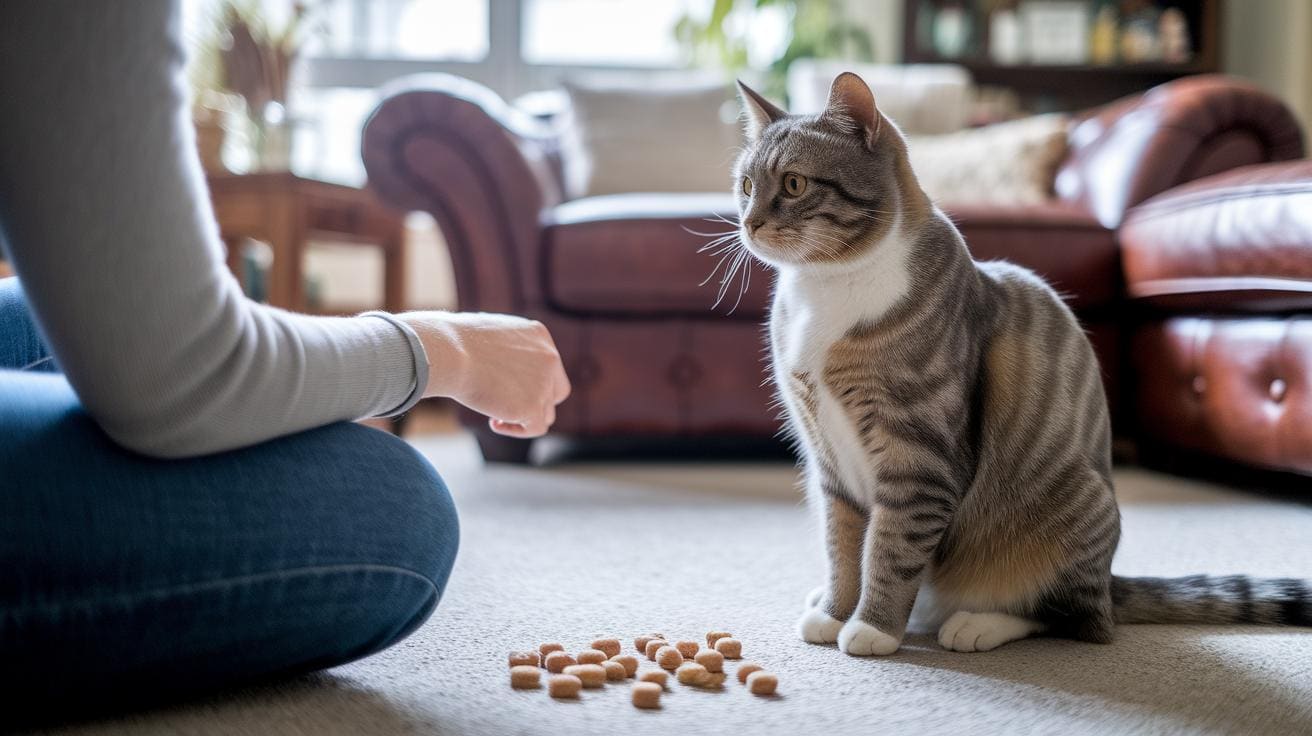
A quick play session before the doorbell rings can really build confidence. Try these fun, ten-second bursts:
- Toss an indestructible ball (it makes a satisfying thud) across the room for a mini sprint.
- Wiggle a wand toy (think stick with feathers) to mimic a gentle hunt.
- Reward each pounce with a treat so your cat pairs guests with goodies.
You could even try clicker training for cats (that gadget that goes click to mark good moments). When your kitty stays calm, click then pop in a tasty bite. A few clicks and treats each visit will help them learn visitors mean fun.
Little steps add up fast. With cozy scents, soft words, and quick play breaks, you’ll see fewer hissy fits. Your next guest might even get a friendly purr.