Think ragdolls won’t make you sneeze? Ever felt that little tickle in your nose when your kitty kneads your lap?
Actually, these silky fluff-balls still produce Fel d 1 protein (that’s the tiny allergen in cat saliva and skin oil).
And when they groom themselves, microscopic dander (tiny skin flakes) drifts around like a dusty cloud, landing on your couch, your clothes, even your nose. You might barely see it, but your eyes and nose sure notice.
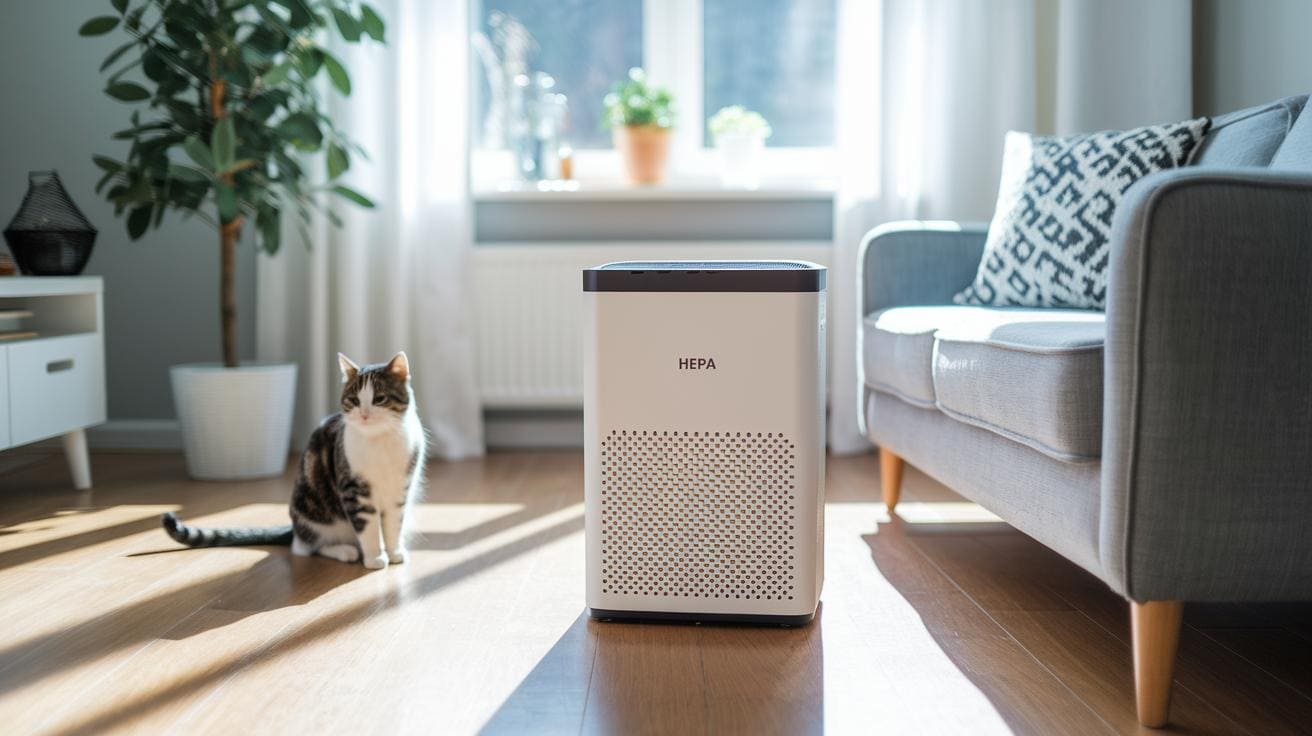
But hey, you don’t have to choose between cuddles and constant sniffles. A once-a-week brush (to catch loose fur and dander) and a gentle wipe of those paws before they hop on your bed can cut down the allergen load. Toss their blankets in the wash often, and run a vacuum with a HEPA filter (that’s a special dust catcher) to trap sneaky flakes.
In truth, ragdolls aren’t magic allergy shields. Yet with a few simple habits, you can enjoy every purr and head bump, sniffle-free.
Ragdoll Cats: Hypoallergenic Facts and Myths
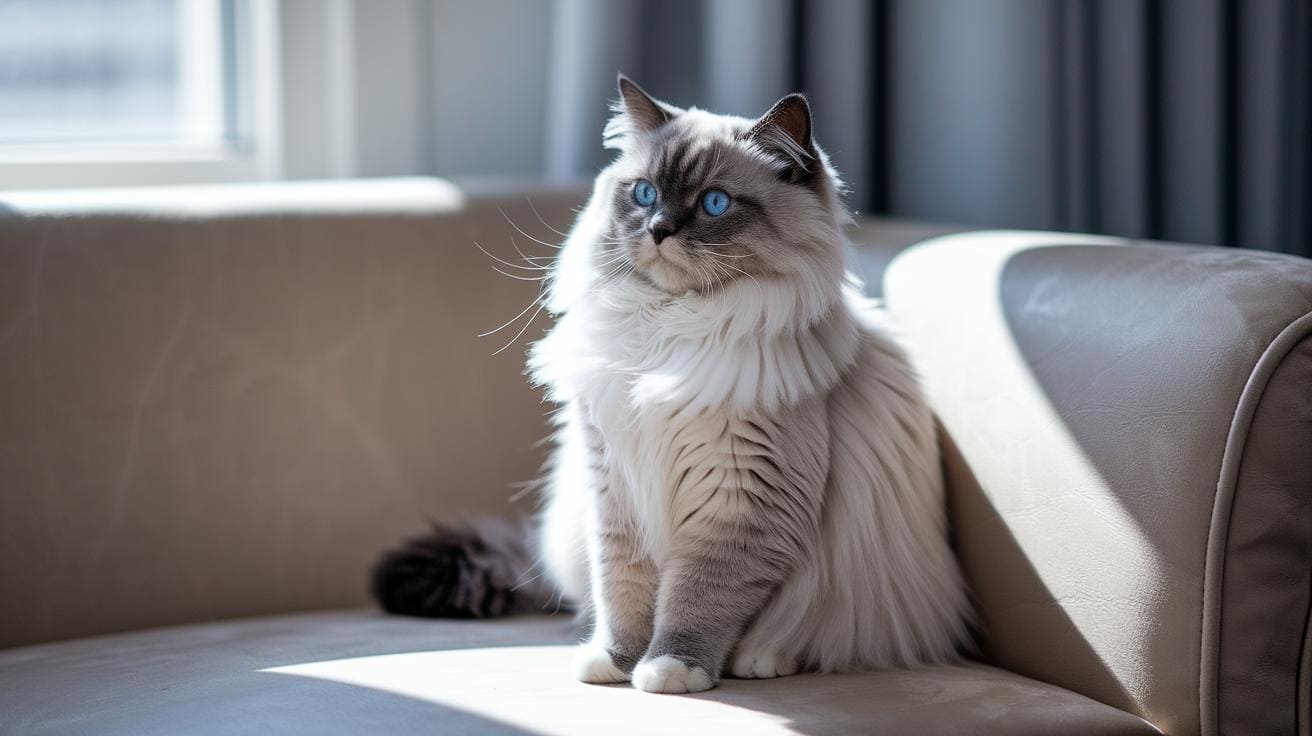
Ever wonder if ragdolls are hypoallergenic? I hate to say it, but they’re not. Just like any cat, ragdolls produce Fel d 1 (a protein in their saliva and skin oils). When they groom or shed, that stuff floats in the air and can trigger sneezing, itchy eyes, hives, or a cough.
It’s all about the dander. Tiny flakes of skin, aka dander (little skin crumbs), drift off and land on your couch, your clothes, your nose. Even a sweet lap nap can set off a reaction. No cat is truly allergen-free.
When people say hypoallergenic, they really mean less shedding and dander, not zero allergens. Ragdolls have a semi-long single-layer coat (just one layer of fur) that holds on to more dander instead of flinging it everywhere. And they groom in a chill way, so they spread less Fel d 1 around.
Here’s the play-by-play:
- Kittens often make less Fel d 1 than adult cats, so a young ragdoll might spark milder reactions.
- Spayed females and neutered males usually produce less Fel d 1 than unaltered males.
- A single-layer coat sheds fewer hairs and keeps dander (tiny skin bits) from flying around.
- Brushing your ragdoll 2 to 3 times a week lifts saliva proteins before they drift into the air.
Worth the extra cuddle time.
Ragdoll Cat Coat, Grooming, and Allergen Spread
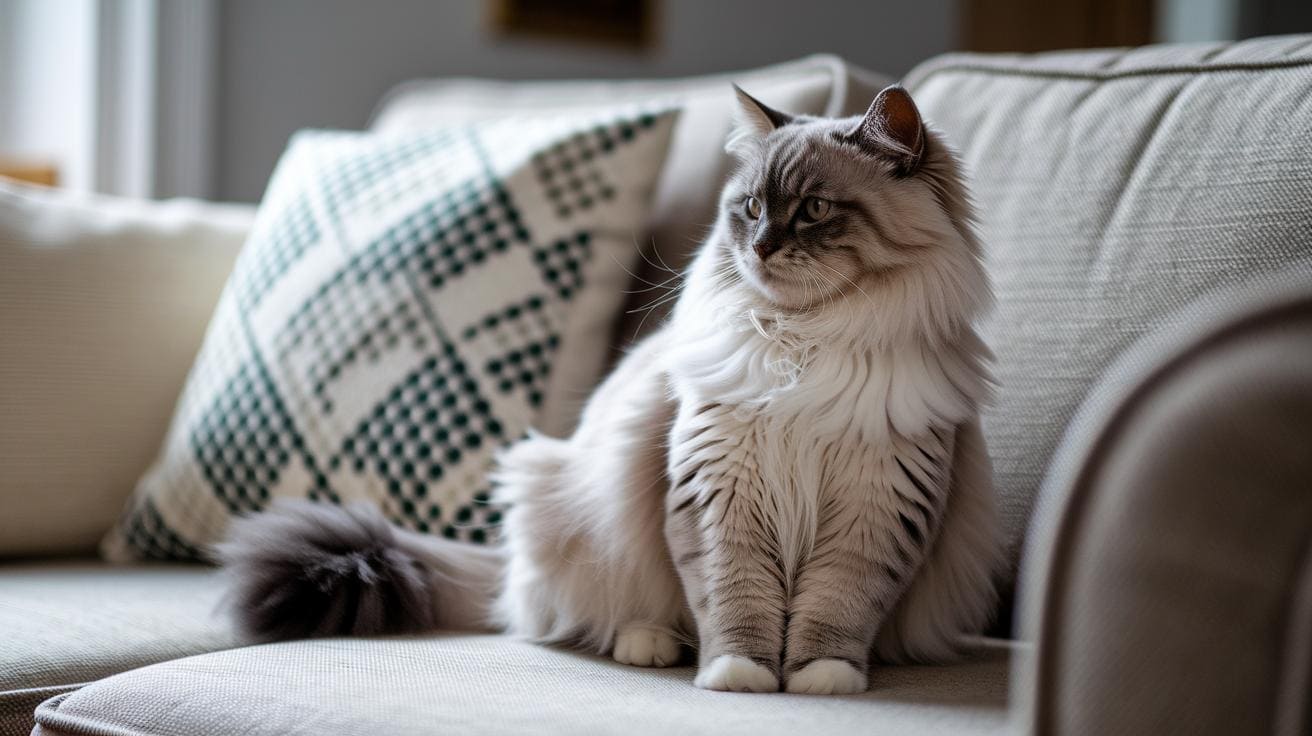
Ragdolls don’t have an undercoat (the fluffy layer under their fur), and they groom at a relaxed pace. Ever caught a puff of fluff floating off your kitty? So they shed less and spread fewer Fel d 1 (the main cat allergen protein). But you can keep your home extra clean with a few simple routines.
- Brush your ragdoll two or three times a week with a hypoallergenic brush (it grabs loose fur and dander). Use gentle strokes that follow the fur’s direction and hold the brush at a slight angle so it glides over the skin without pinching. You’ll feel the soft fuzz lift right off.
- Every month, treat your cat to a pro groom. They’ll smooth out mats and clear protein build-up, no scratchy surprises. Ask for a low-stress bath and a cool-air blow-dry so your kitty stays calm and comfy.
- Once a week, give them a quick wipe-down with pet-safe anti-allergen wipes (they scrub off surface Fel d 1 and dust). Stroke each patch of fur, skip the eyes and ears, and watch the wipe trap those tiny proteins. No full bath needed.
- Every six to eight weeks, hop into a bath with an anti-allergen cat shampoo (its molecules latch onto Fel d 1 so it rinses away). Lather lightly, rinse thoroughly, and dry completely, damp fur can irritate skin and hold moisture.
These steps catch loose hair and saliva proteins before they float across your floors, furniture, and vents. Do the full routine and you’ll slash ragdoll dander levels, so you and your sneezy family can breathe easier and enjoy all the purrs. Worth every paw-print.
Ragdoll Cats vs Other Low-Allergen Breeds
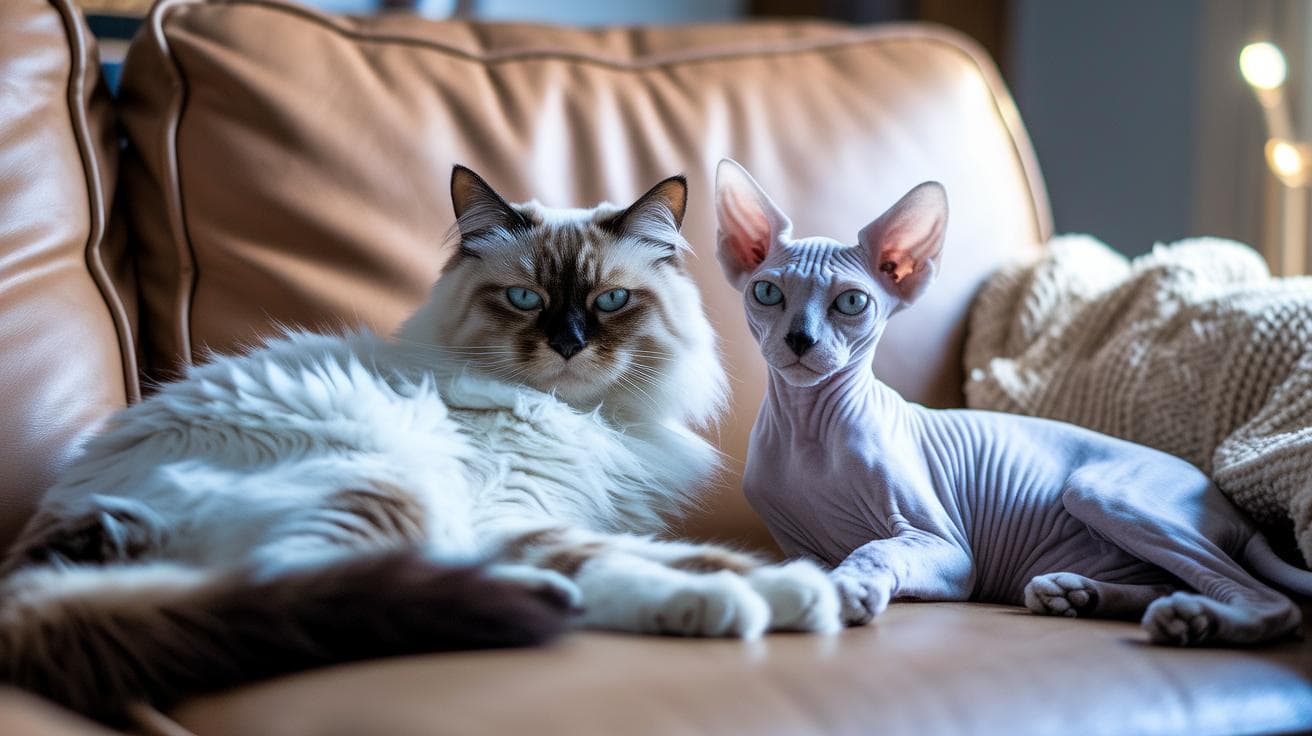
Low-allergen breeds like Siberians, Sphynx, and Balinese all promise fewer sniffles. Ever clicked are siberian cats hypoallergenic? You’ll find Siberians do make less Fel d 1 (that’s the main allergy protein) but their big, fluffy coats still puff out clouds of dander. And the Sphynx? No fur at all, yet it secretes those same proteins in its skin oils and saliva. Balinese cats have silky single-layer fur (with a thin undercoat) that drifts less around your favorite chair, but it still drifts.
Ragdolls might help you breathe easier. They groom themselves less, and their semi-long single coat (no dense undercoat) grabs loose hair so fewer flakes go airborne. Think ragdoll vs siberian allergy, your nose might twitch at a zooming Siberian, but with a chill ragdoll purring in your lap, you may notice a gentler sneeze. Um, not allergy-free, but definitely purrhaps more mellow.
Crazy cat fact: every kitty makes Fel d 1 proteins in saliva and on skin flakes. Even a quick lap nap can send invisible itch-makers flying. So if your eyes still water, um, no pedigree is totally hypoallergenic. Worth every paw-print of thought, though.