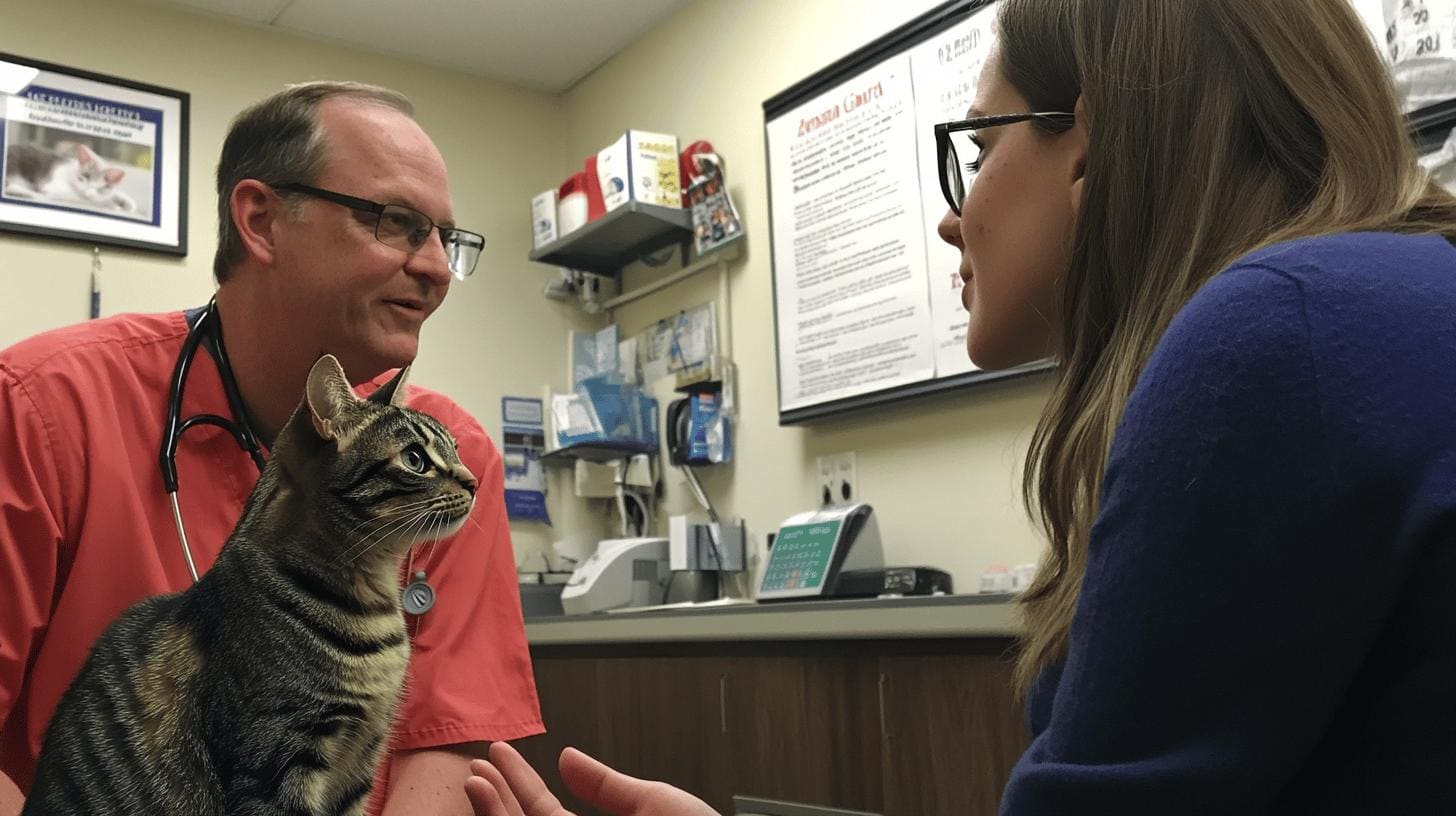
Can cats munch on banana bread, or is it a recipe for disaster? You might think sharing a small piece can't harm your feline friend, but banana bread can pose several risks. Packed with sugar and butter, and potentially containing chocolate chips or nuts, this tasty human treat isn't a fit for a cat's dietary needs. Understanding why banana bread isn't safe for cats and discovering safer alternatives will help you provide the best care. Dive into the risks and learn how to protect your cat while offering treats they'll love.
Can Cats Eat Banana Bread? Understanding the Risks
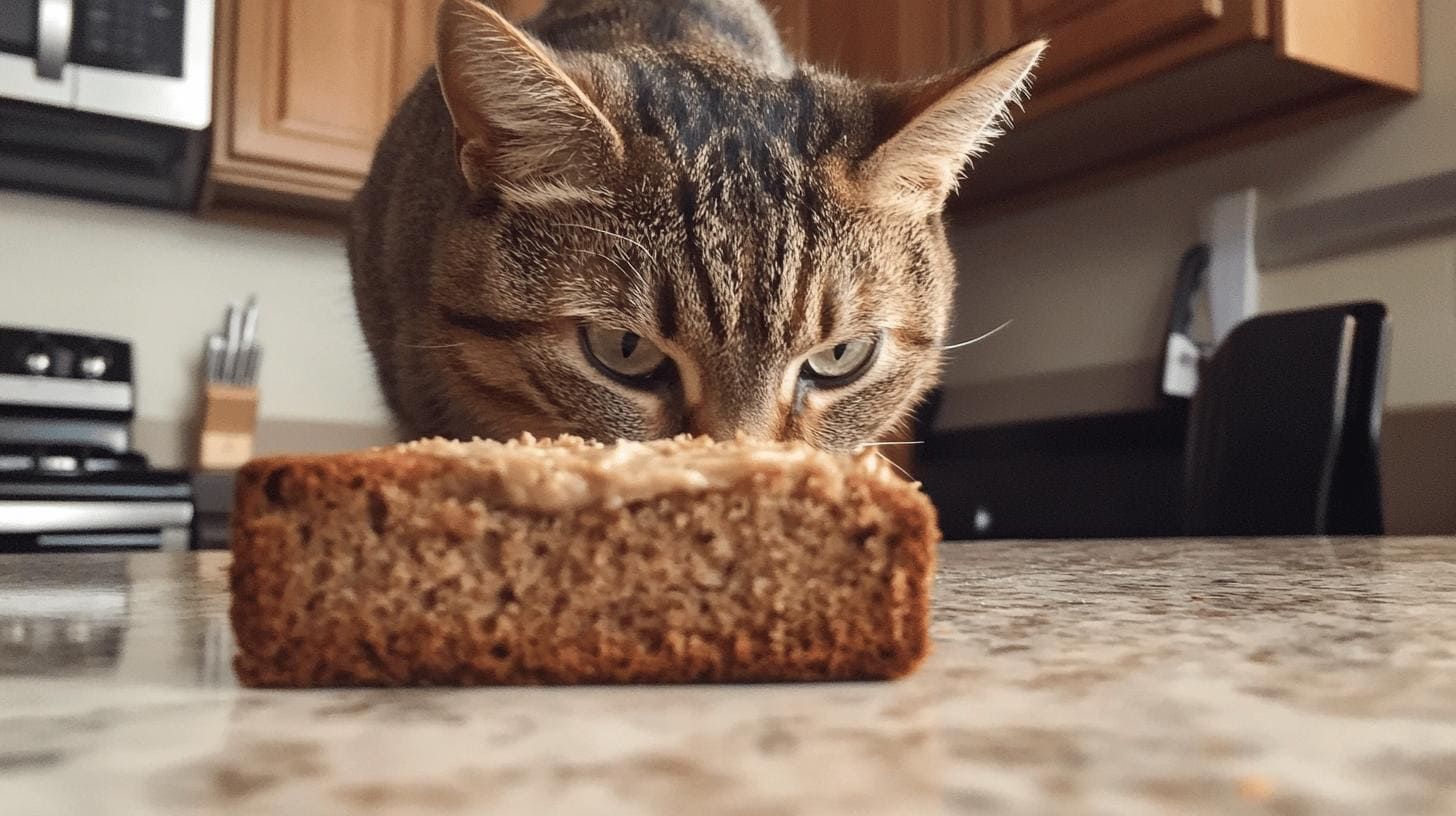
Cats are obligate carnivores, which means their diet should be rich in proteins and low in carbohydrates. This makes banana bread an unsuitable food choice for them. While it may seem like a harmless treat, banana bread contains ingredients that can pose risks to your feline friend.
Banana bread is often made with sugar, butter, and sometimes chocolate chips or nuts. These ingredients can be harmful to cats. Sugar and butter can lead to digestive issues, while chocolate chips contain theobromine, which is toxic to cats. Nuts, particularly walnuts, can also be harmful, leading to gastrointestinal upset or even more severe reactions.
If your cat happens to nibble on some banana bread, it's important to watch for signs of discomfort. Symptoms like vomiting, diarrhea, or lethargy indicate that the bread is not agreeing with your cat's system. In such cases, consulting a veterinarian is crucial to address any potential health issues and ensure your cat's safety.
When considering cat food dos and don'ts, banana bread clearly falls in the category of foods to avoid. Cats should receive their nutrients from a diet specifically tailored to their carnivorous needs. Keeping human treats like banana bread away from your cat can help maintain their health and well-being. Always prioritize their dietary requirements and consult with a vet if you're unsure about any food items.
Common Ingredients in Banana Bread and Their Effects on Cats
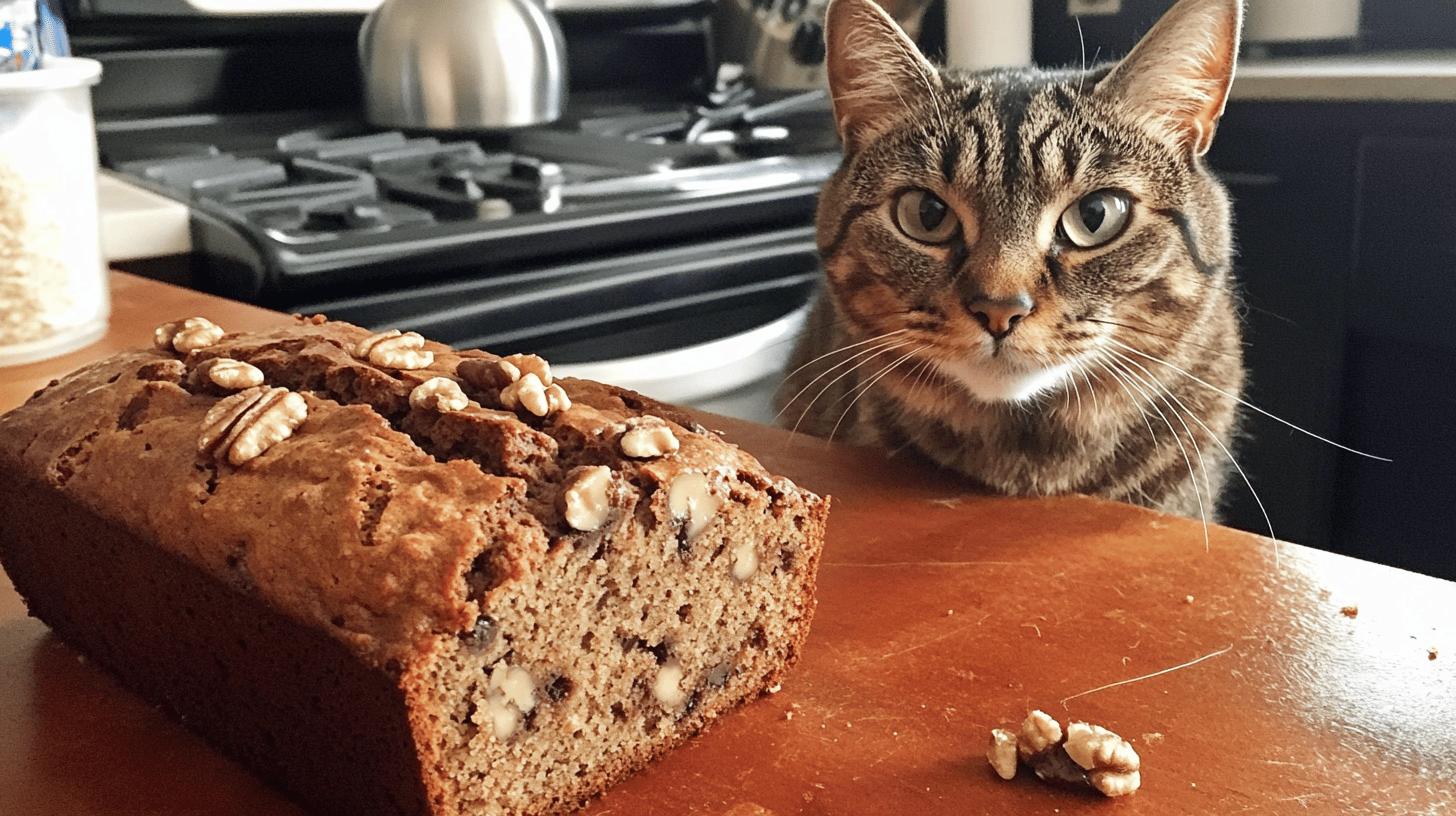
Banana bread might be a delightful treat for humans, but it's not suitable for our feline friends. Let's look at the ingredients that can be problematic for cats.
-
Flour: Not toxic, but offers no nutritional value. Cats struggle to digest plant-based foods.
-
Sugar: Cats lack taste receptors for sweetness. It can lead to obesity and digestive issues.
-
Butter: High fat content can upset a cat's stomach and contribute to weight gain.
-
Eggs: Only safe if cooked plain. In banana bread, they're mixed with other unsuitable ingredients.
-
Chocolate Chips: Contain theobromine, which is toxic to cats, leading to severe health issues.
-
Nuts: Walnuts and similar nuts might cause gastrointestinal upset or more severe reactions.
Banana bread contains several ingredients that are unsafe for cats. Understanding these components helps avoid feeding mistakes. Always check human foods for potential toxins before letting your cat have a taste.
Safe Alternatives to Banana Bread for Cats
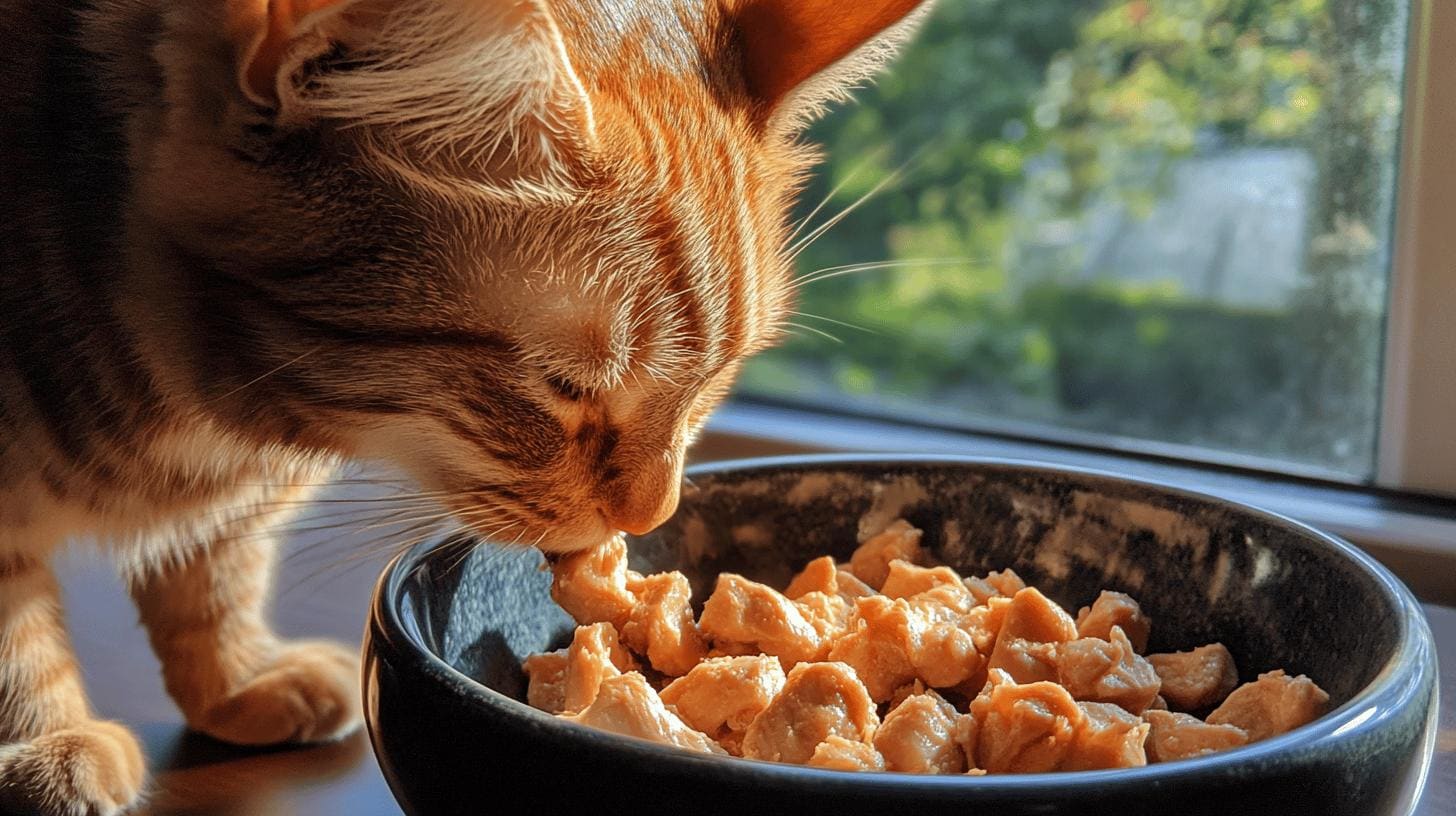
Banana bread isn't a suitable treat for cats, but there are plenty of safe alternatives that cater to their dietary needs. It's important to choose treats that align with a cat's natural carnivorous diet. Here are some cat-safe treat options:
-
Small Pieces of Cooked Meat: Chicken, turkey, or beef, cooked plain without any seasoning, can be a delightful treat for your cat. These meats provide necessary proteins that are essential for their health.
-
Commercial Cat Treats: Specially formulated treats are available in pet stores designed to meet feline nutritional requirements. These are balanced for a cat's diet and often come in flavors that cats love.
-
Freeze-Dried Meat: Freeze-dried chicken or fish treats are a great alternative. They offer the taste cats crave and are rich in protein.
-
Cooked Eggs: A small piece of cooked egg can be a protein-rich snack. Make sure it's plain and fully cooked.
-
Canned Tuna or Salmon: In water and without added salt, these can be a tasty treat. Limit these treats due to their high fat content.
Providing treats that fit a cat's dietary needs helps maintain their health and well-being. Moderation is key, even with safe treats. Offering too many can lead to an unbalanced diet and weight gain. Always ensure treats make up only a small portion of their overall diet. Prioritize a balanced diet through their regular cat food and consult with a veterinarian for any dietary concerns.