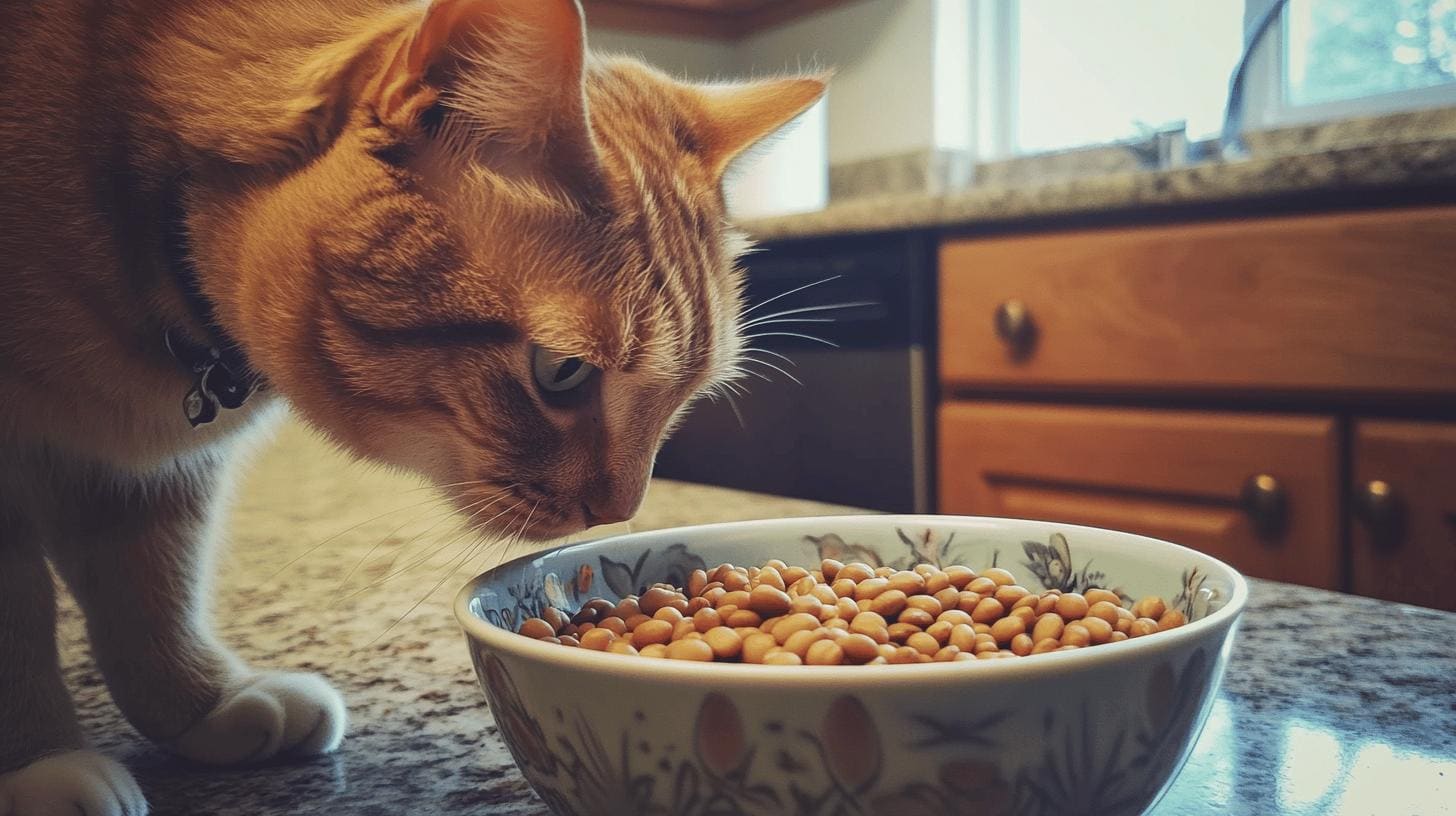
Can cats munch on beans, or is this legume naturally off-limits for our whiskered companions? We know that cats are meat-eaters at heart, thriving best on animal protein. Beans, while not poisonous, don't pack the same punch as meat does.
In this article, you'll uncover the do's and don'ts of feline dining when it comes to beans, helping you ensure that kitty's mealtime is safe and purr-fectly healthy. Whether you're looking for a new treat or just safeguarding your pet's diet, understanding beans and cats starts here.
Can Cats Eat Beans? Understanding the Basics
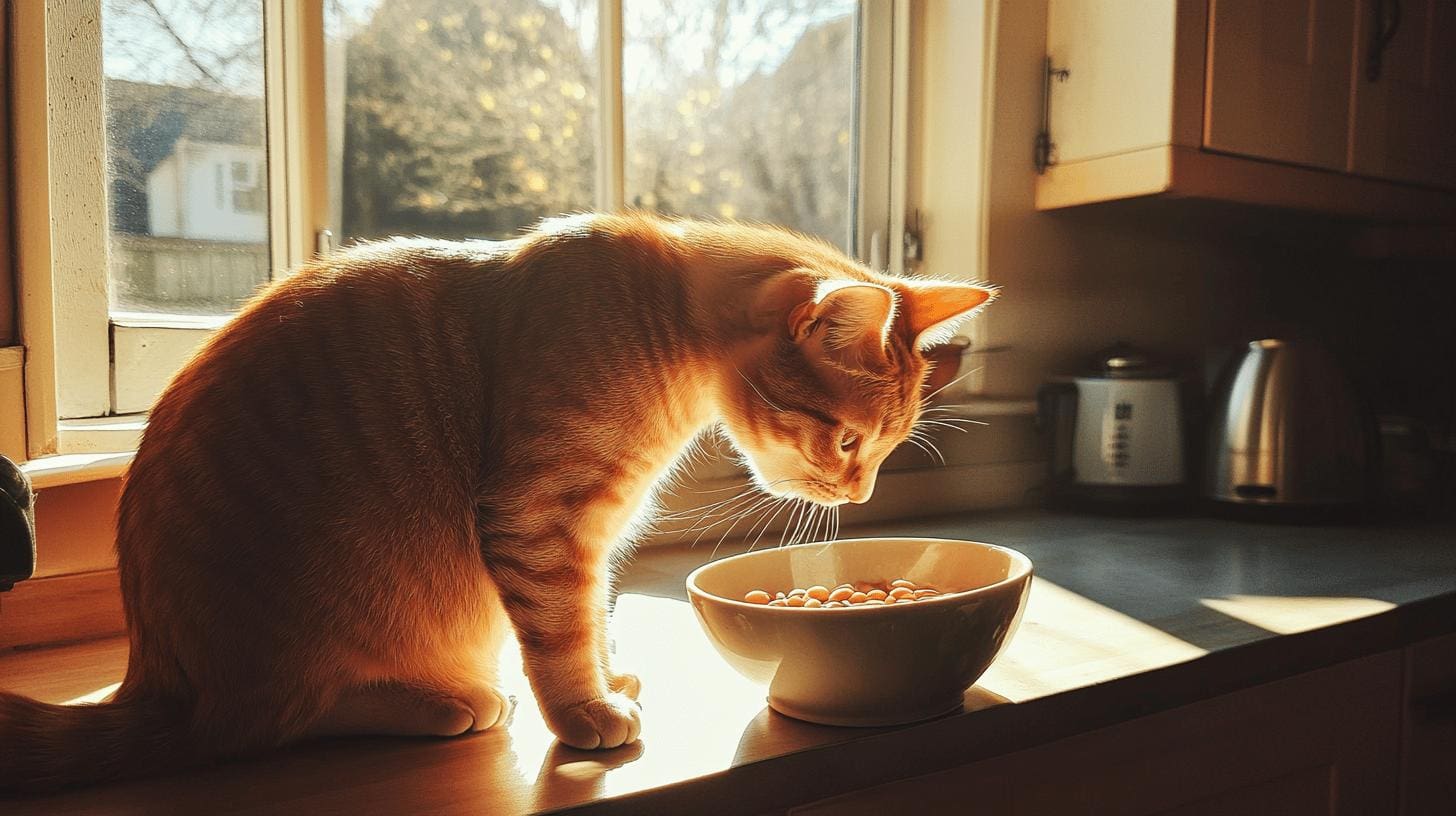
Cats are obligate carnivores, which means their bodies are specifically designed to thrive on a diet rich in animal protein. This dietary requirement stems from their evolutionary history as hunters, where their nutritional needs were met by consuming prey.
While beans are not toxic to cats, they do not provide the essential nutrients found in animal proteins, such as taurine, which is critical for a cat's health. Therefore, beans should not be a regular part of a cat's diet.
If a cat shows interest in beans, it's important to ensure they are plain and cooked. This preparation helps to avoid any potential digestive issues and keeps the focus on the cat's primary dietary needs.
Safe bean types for cats include:
- Black beans
- Kidney beans
- Pinto beans
- Green beans
These beans should always be served plain and cooked to avoid any complications. While beans can occasionally be an interesting treat, they should not replace the high-quality animal proteins that are vital for maintaining a cat's health and well-being.
Nutritional Benefits and Risks of Beans for Cats
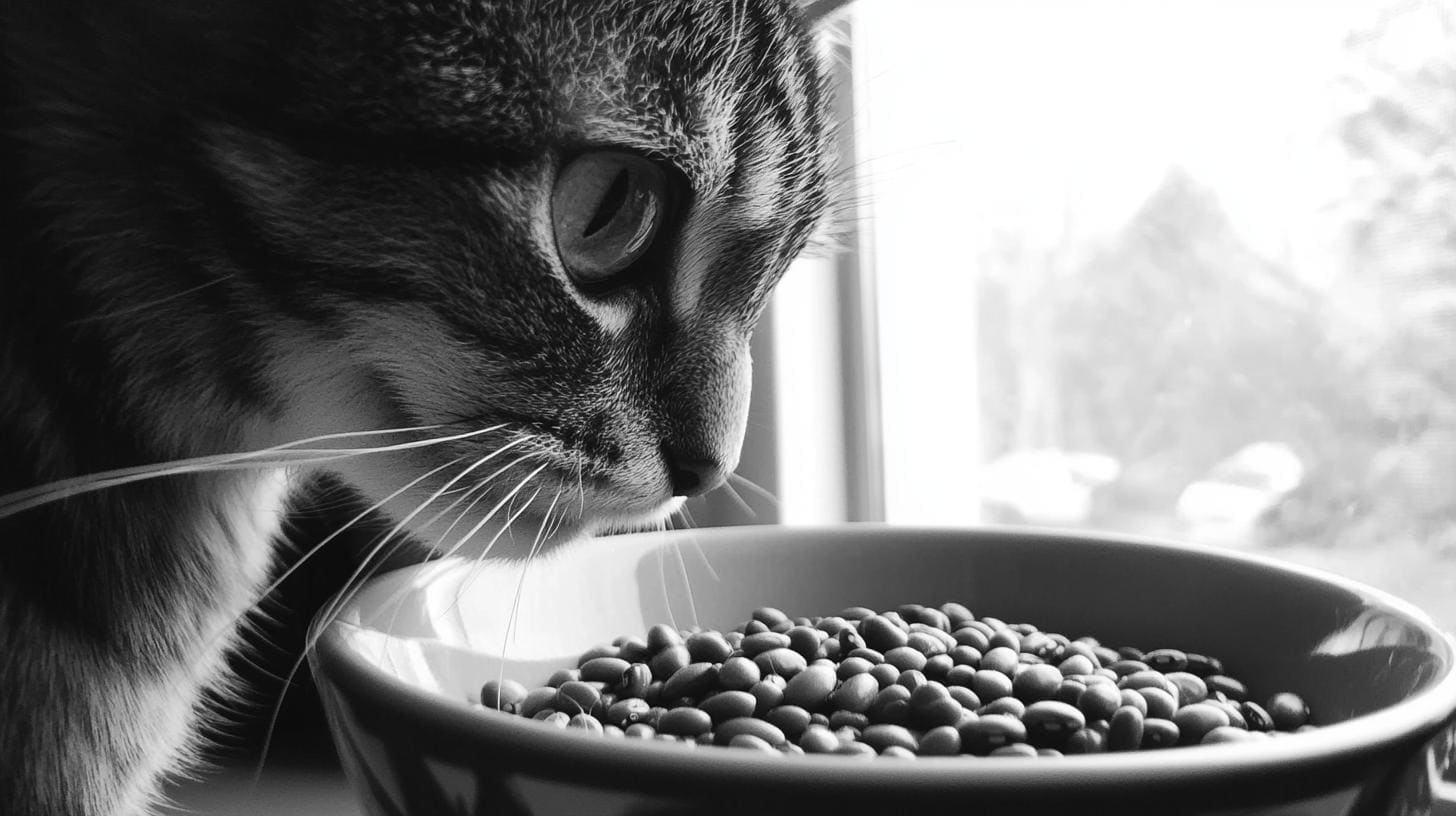
Beans offer some nutritional components but aren't ideal for cats. They contain protein, carbohydrates, and fiber, yet fall short of meeting feline nutritional needs. The protein in beans lacks essential amino acids that cats can only obtain from animal sources.
Key nutritional components of beans:
- Protein: Lacks the complete amino acid profile cats require.
- Carbohydrates: Not necessary in large amounts for cats.
- Fiber: May help with weight management by making cats feel fuller.
Feeding beans to cats also presents several risks:
- Digestive Issues: Can cause gas, vomiting, or diarrhea.
- Raw Bean Toxicity: Raw beans have lectin, which is toxic to cats.
- Seasoning Hazards: Ingredients like garlic and onion are toxic.
Fiber in beans could help overweight cats manage weight, but caution is necessary. Cats' digestive systems are designed for meat, not plants. Beans should be plain, cooked, and given as an occasional treat, not a meal replacement.
Consult a vet before adding beans to your cat's diet to ensure it suits your cat's health needs.
How to Safely Include Beans in Your Cat's Diet
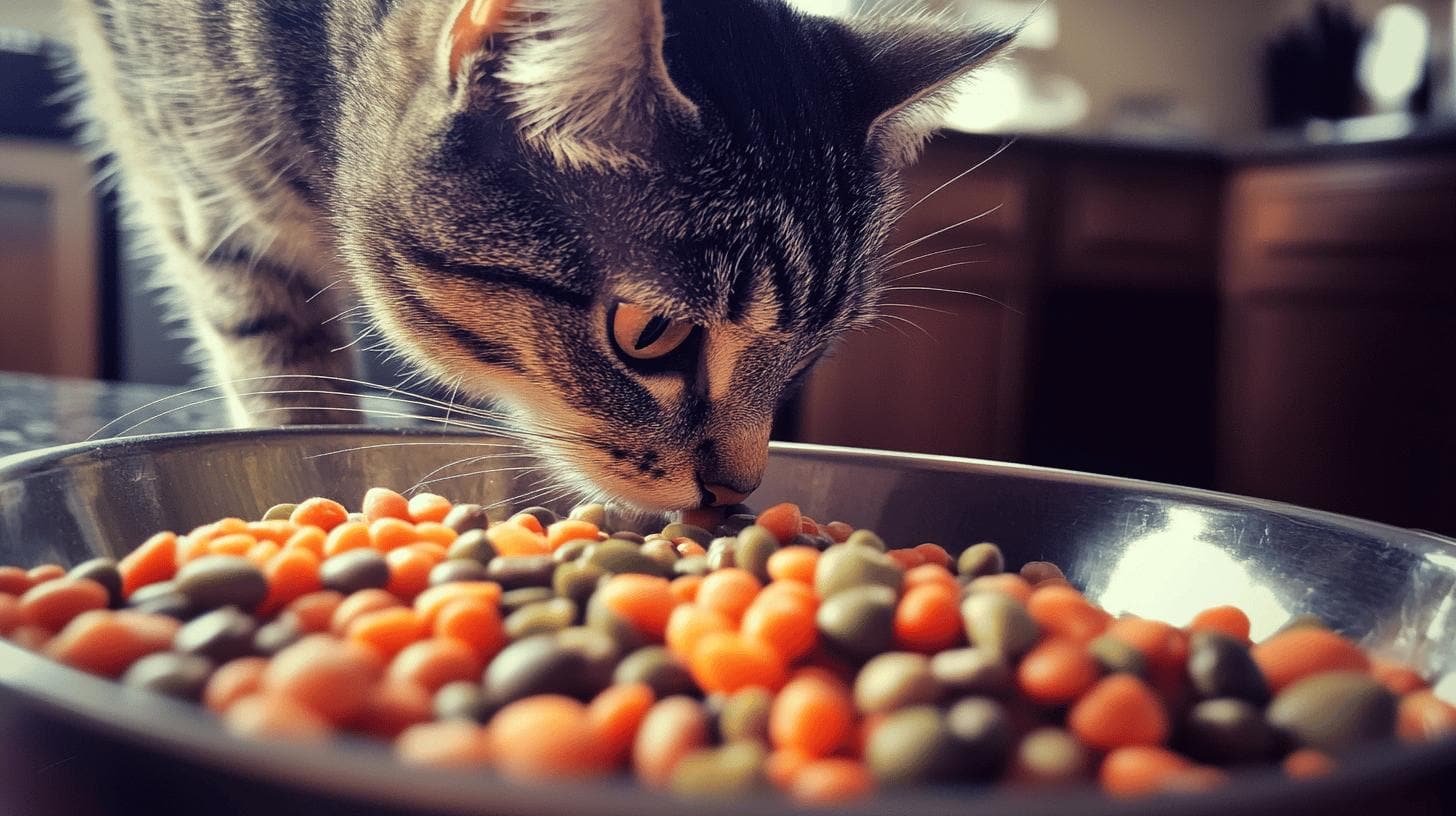
To safely include beans in your cat's diet, focus on preparation. Start by soaking beans overnight to reduce cooking time and improve digestibility. Boil the beans until they're soft, ensuring they're free from any seasonings like salt, garlic, or onion, which are harmful to cats. Let them cool before serving.
| Bean Type | Preparation Method | Safe Portion |
|---|---|---|
| Black Beans | Soaked, boiled, plain | 1-3 beans |
| Kidney Beans | Soaked, boiled, plain | 1-3 beans |
| Pinto Beans | Soaked, boiled, plain | 1-3 beans |
| Green Beans | Steamed, plain | 1-3 beans |
While beans are a permissible treat, they should only complement your cat's diet. Animal protein remains the cornerstone of their nutrition. Keep beans as an occasional addition to their meals, while prioritizing their need for high-quality animal proteins to ensure they receive essential nutrients.