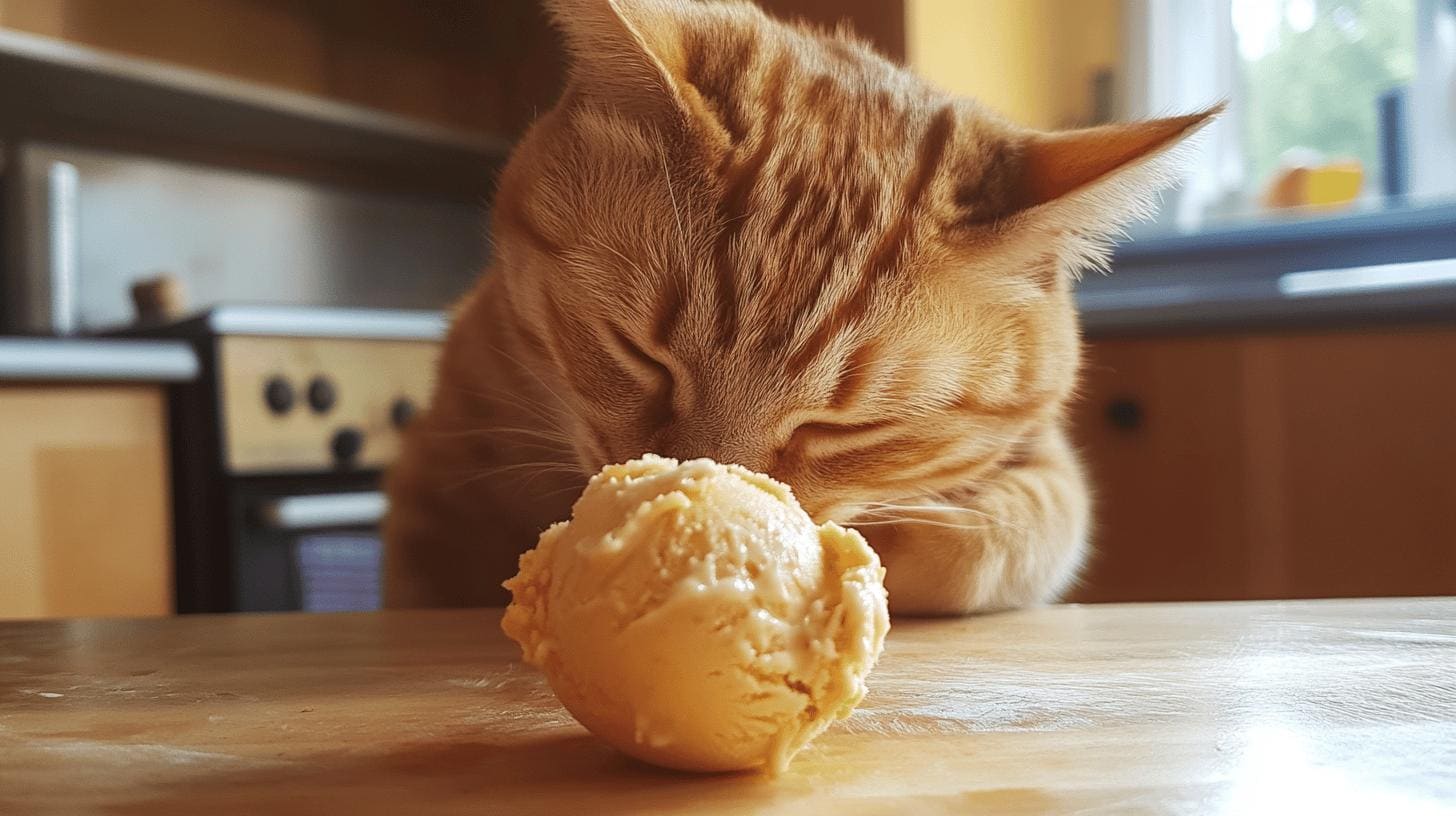
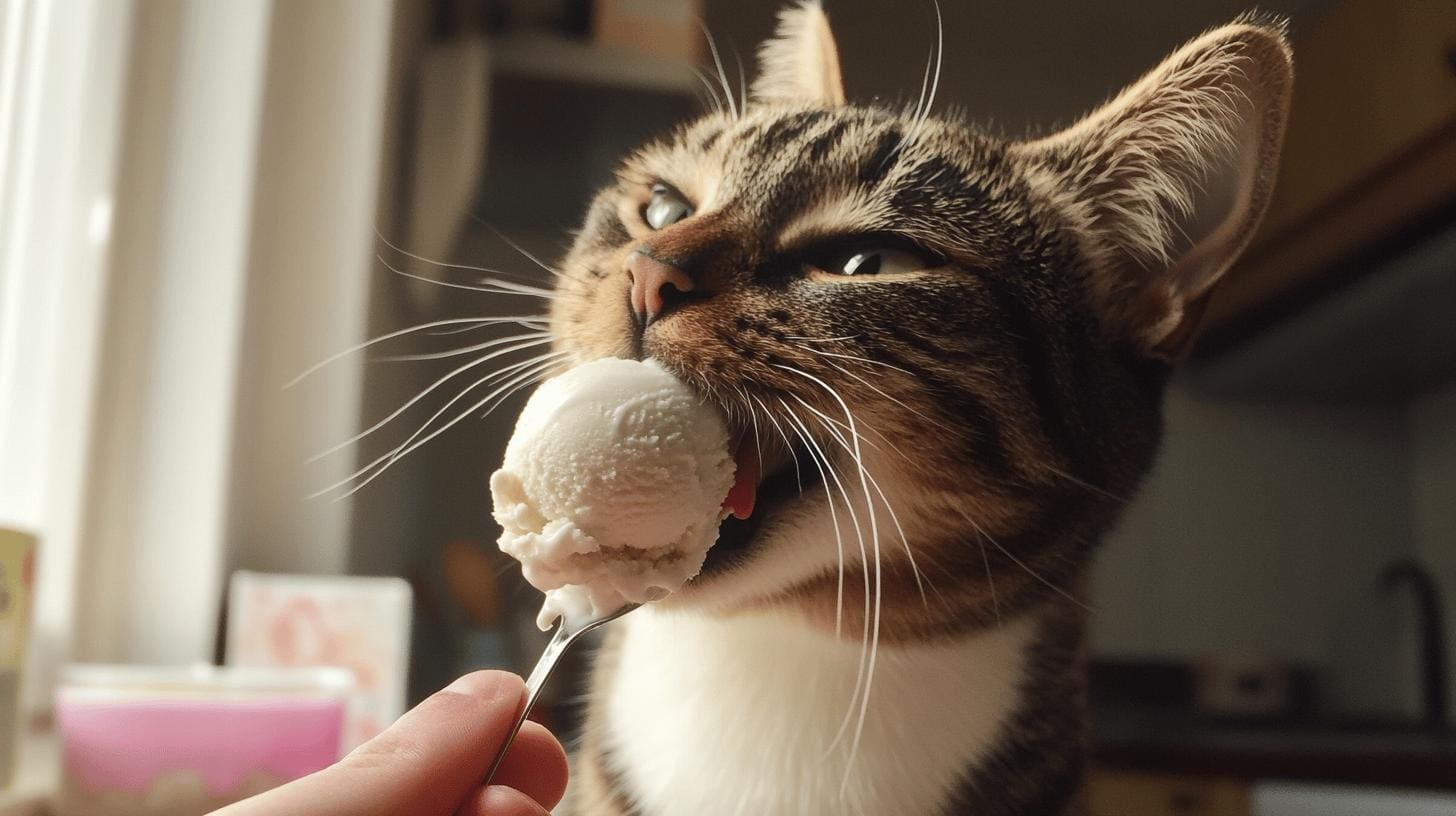
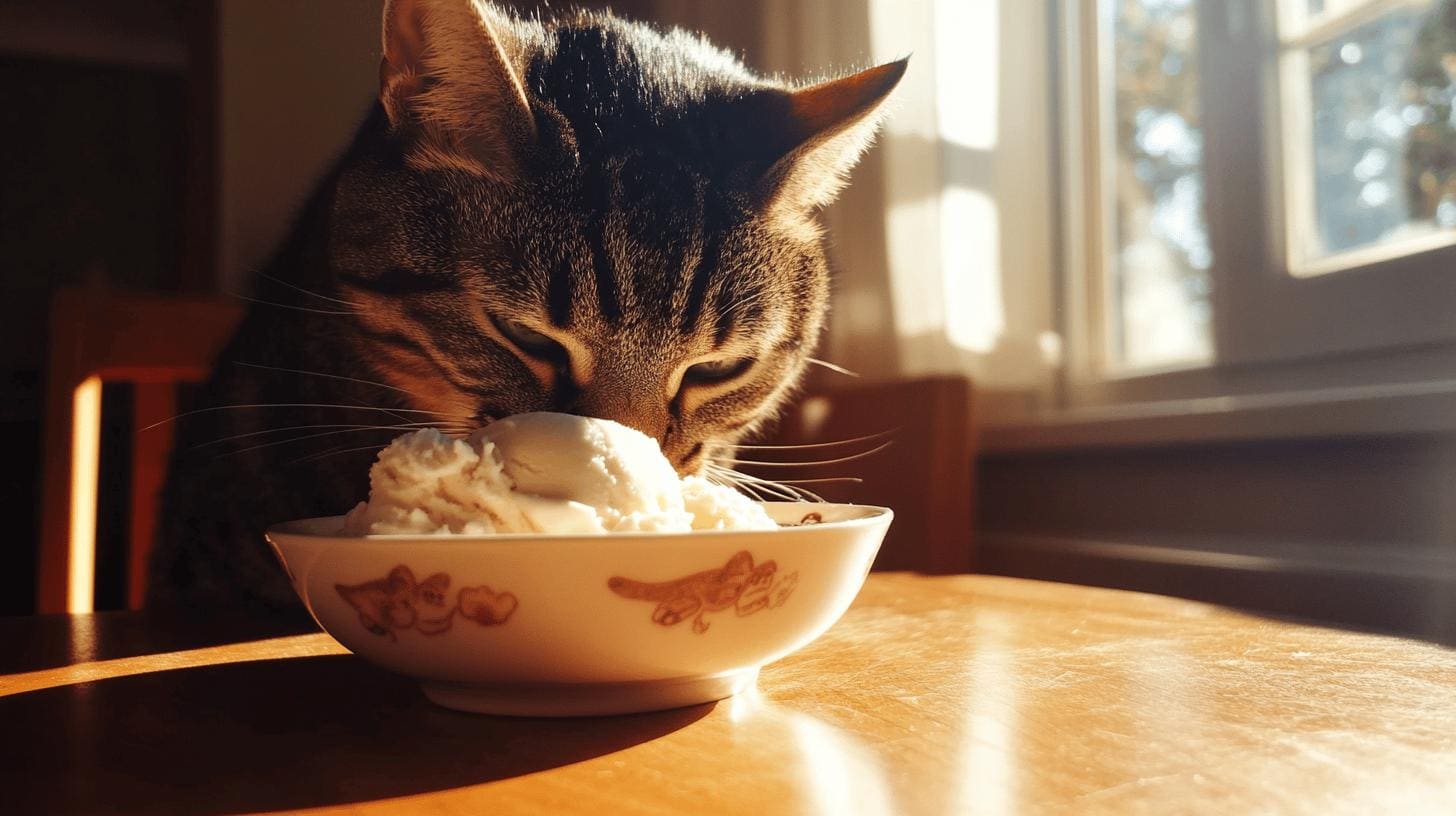
Ever caught your cat eyeing your delicious ice cream and wondered, "Could just one lick be that bad?" It's tempting to share, but let's dig into what this creamy treat really means for our feline friends. Cats typically struggle with lactose, making ice cream a risky choice.
So, what happens when your cat indulges in this dairy delight? And more importantly, what are the safer alternatives for treating them? Understanding these risks and exploring better options is key to keeping your cat healthy and satisfied without the sweet dangers.
Can Cats Eat Ice Cream: Safety and Risks
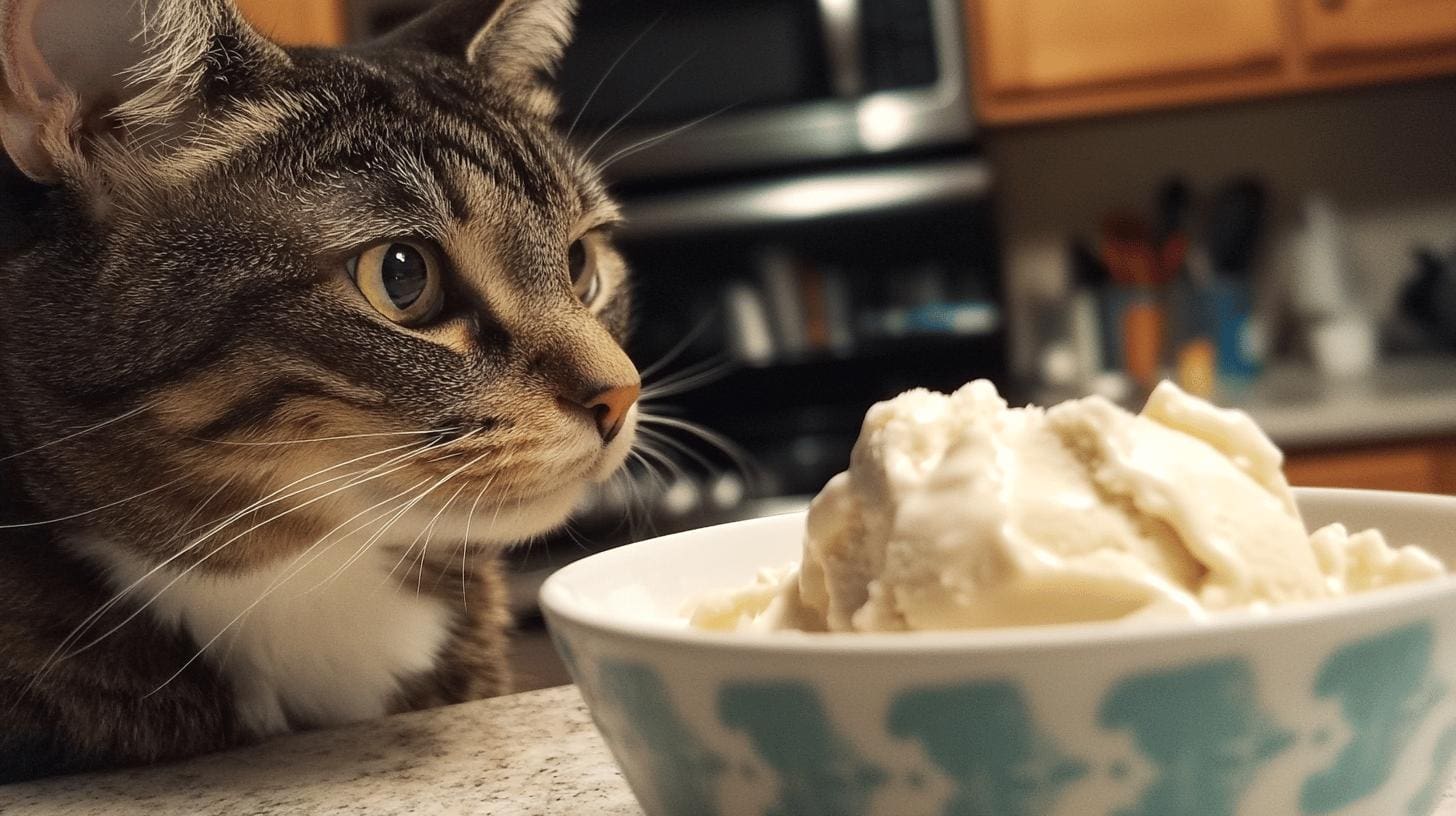
Many people think giving ice cream to cats is harmless. But it's not a good idea. Cats are often lactose intolerant, which makes ice cream a poor choice for them.
They can't digest dairy well, leading to upset stomachs or diarrhea. Ice cream is also filled with sugar, which isn't good for any pet, including cats. It might seem like a fun treat, but it can cause more harm than good.
Beyond lactose intolerance, ice cream poses other risks. Its high sugar content can lead to weight gain and potential obesity.
Cats' bodies aren't designed to handle sugary foods. Eating ice cream can also upset their digestive systems. This can lead to stomach aches and other health problems. It's important to remember that cats have different dietary needs than humans.
Here are some potential health risks linked to ice cream consumption for cats:
-
Digestive issues: Upset stomach and diarrhea.
-
Obesity: High sugar content contributes to weight gain.
-
Toxicity: Certain ingredients like chocolate are dangerous.
- Nutritional imbalance: Disrupts a balanced diet.
Feeding ice cream to cats is generally unsafe, especially if it contains harmful ingredients like chocolate. It's best to stick with treats specifically made for cats. They ensure your furry friend stays healthy and happy without the risks associated with human food treats like ice cream.
Ice Cream and Cats: The Lactose Intolerance Factor
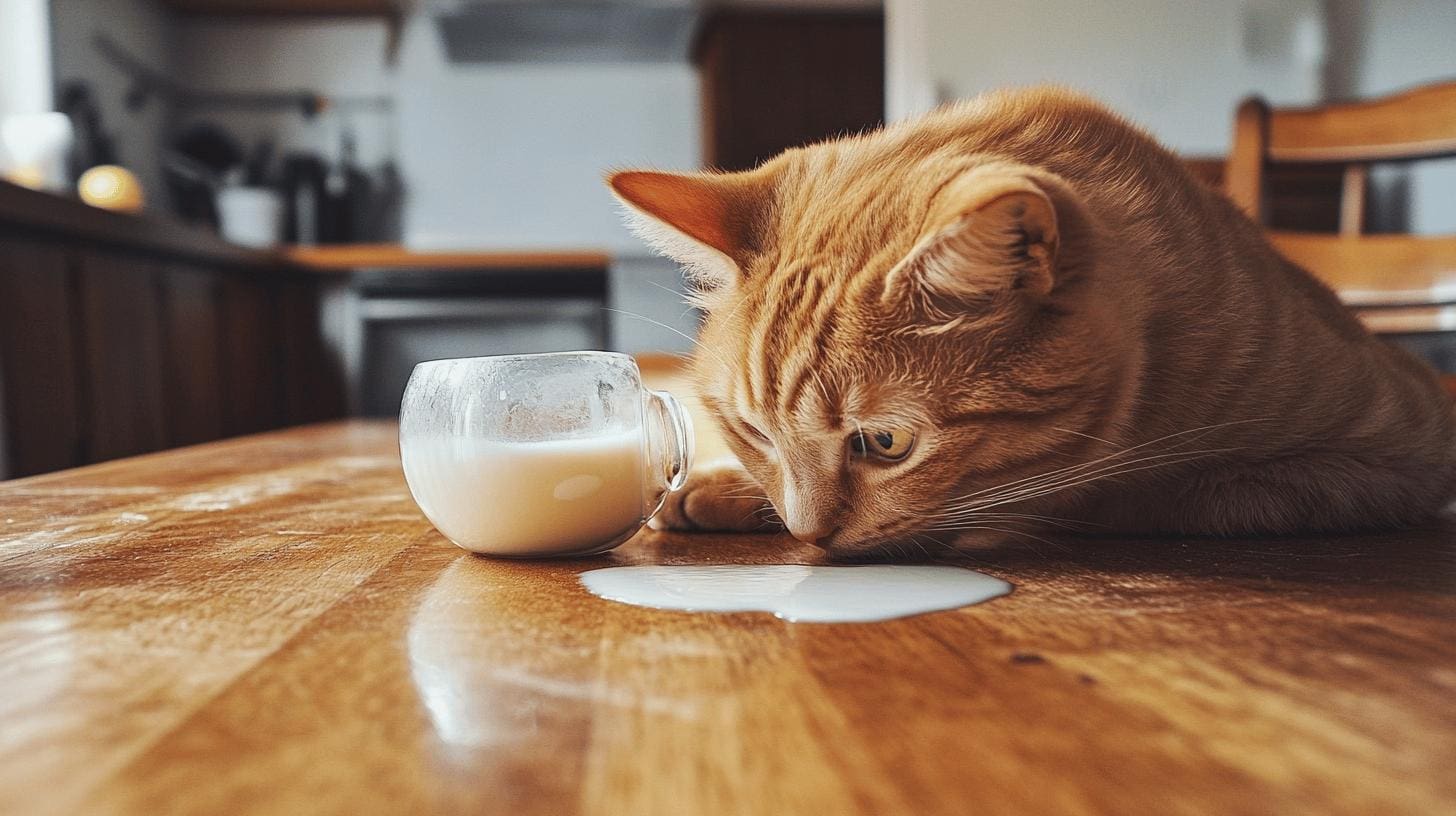
Most adult cats are lactose intolerant, meaning they can't digest lactose, the sugar in dairy products like ice cream. This happens because they lack enough lactase, the enzyme needed to break down lactose. While kittens can digest their mother's milk thanks to higher lactase levels, adult cats often experience digestive issues when consuming dairy.
Here are three common symptoms of lactose intolerance in cats:
-
Upset stomach
-
Diarrhea
-
Gas
Cats are obligate carnivores, so their diet is primarily meat-based. Dairy products, including ice cream, don't fit their nutritional needs and can cause discomfort. It's better to avoid giving cats dairy-based treats to keep them healthy and happy.
Ice Cream Ingredients to Avoid for Cats
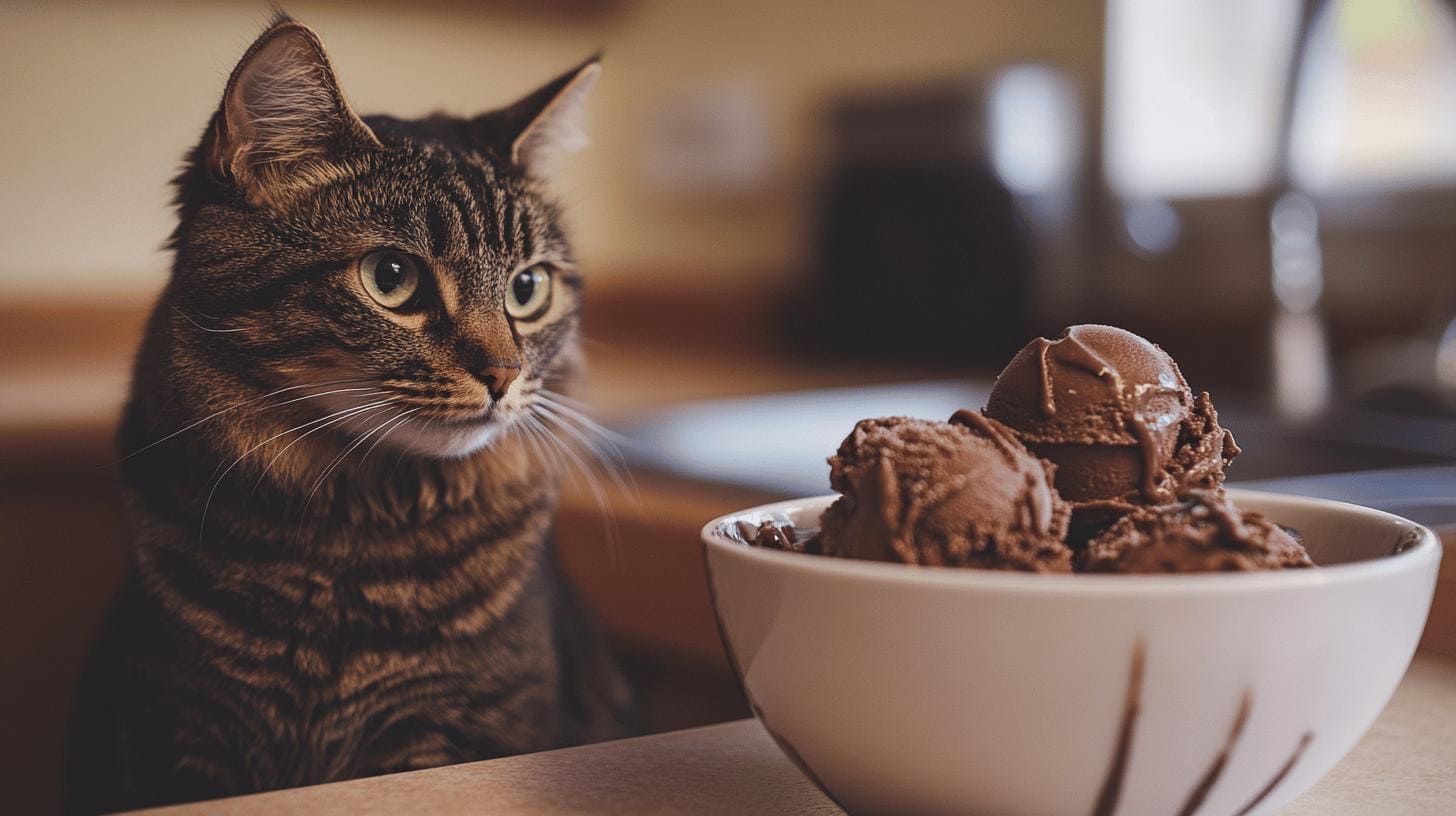
When it comes to ice cream, artificial sweeteners are a hidden danger for cats. Xylitol, commonly found in sugar-free products, is particularly hazardous.
It can cause a rapid insulin release, leading to hypoglycemia, which can be life-threatening. Always check labels carefully and keep xylitol-containing products out of reach.
Exploring alternative treats is essential for cat lovers who want to pamper their pets safely. Consider cat-friendly frozen snacks or specially formulated cat ice creams without harmful ingredients. These alternatives are designed to be safe and enjoyable for our feline friends.
| Ingredient | Effect on Cats |
|---|---|
| Chocolate | Toxicity, potential for severe symptoms |
| Xylitol | Hypoglycemia, potentially life-threatening |
| High Sugar | Obesity, digestive issues |
| Milk (Lactose) | Digestive upset, diarrhea |
Expert opinions highlight that early intervention is key if a cat ingests harmful ice cream ingredients. Consulting with a veterinarian right away can make a signific
ant difference in outcomes. Always prioritize your cat's health by avoiding risky foods and opting for safer alternatives.