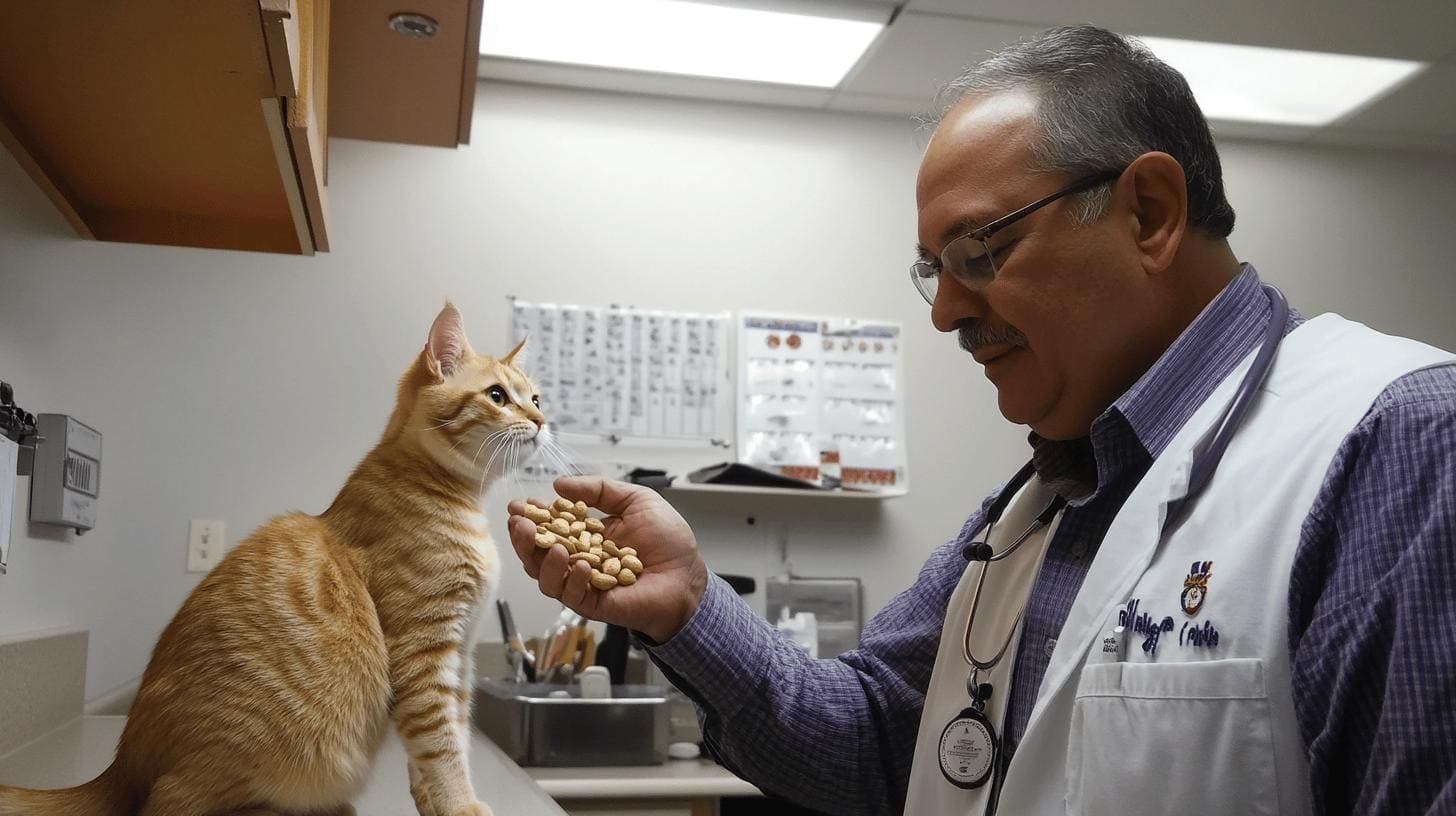
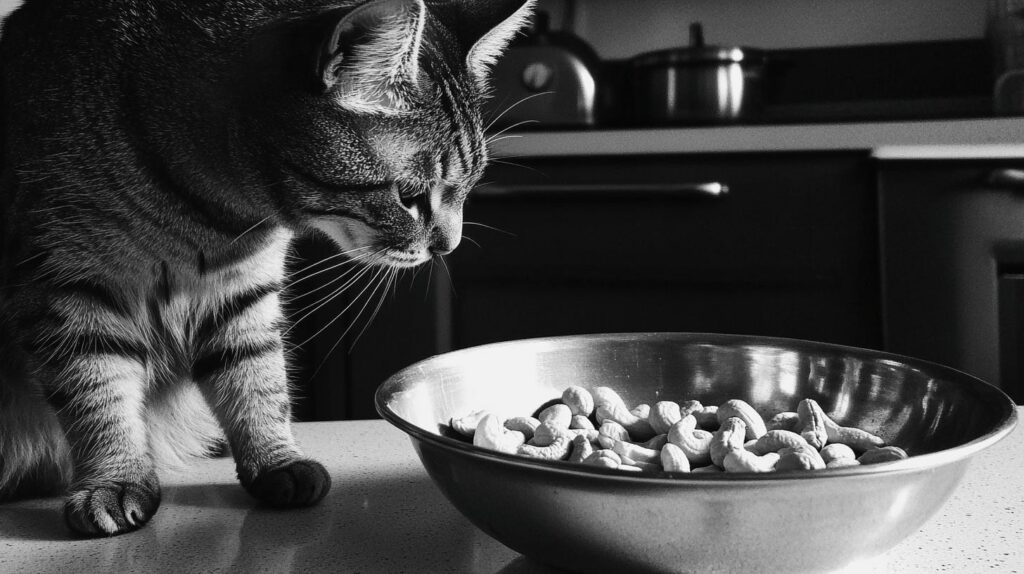
Ever watched your cat eyeing that snack bowl with curiosity? You might wonder if handing over a cashew would be a treat or a troublemaker. Although cashews aren’t toxic to cats, they’re not exactly the ideal snack either.
Cats thrive on animal protein, and their bodies aren’t built to handle snacks packed with plant-based fats. In this guide, we’ll explore why those seemingly harmless cashews aren’t the best choice for your feline friend and what better alternatives exist to keep playtime safe and healthy.
Can Cats Eat Cashew Nuts? Understanding the Basics
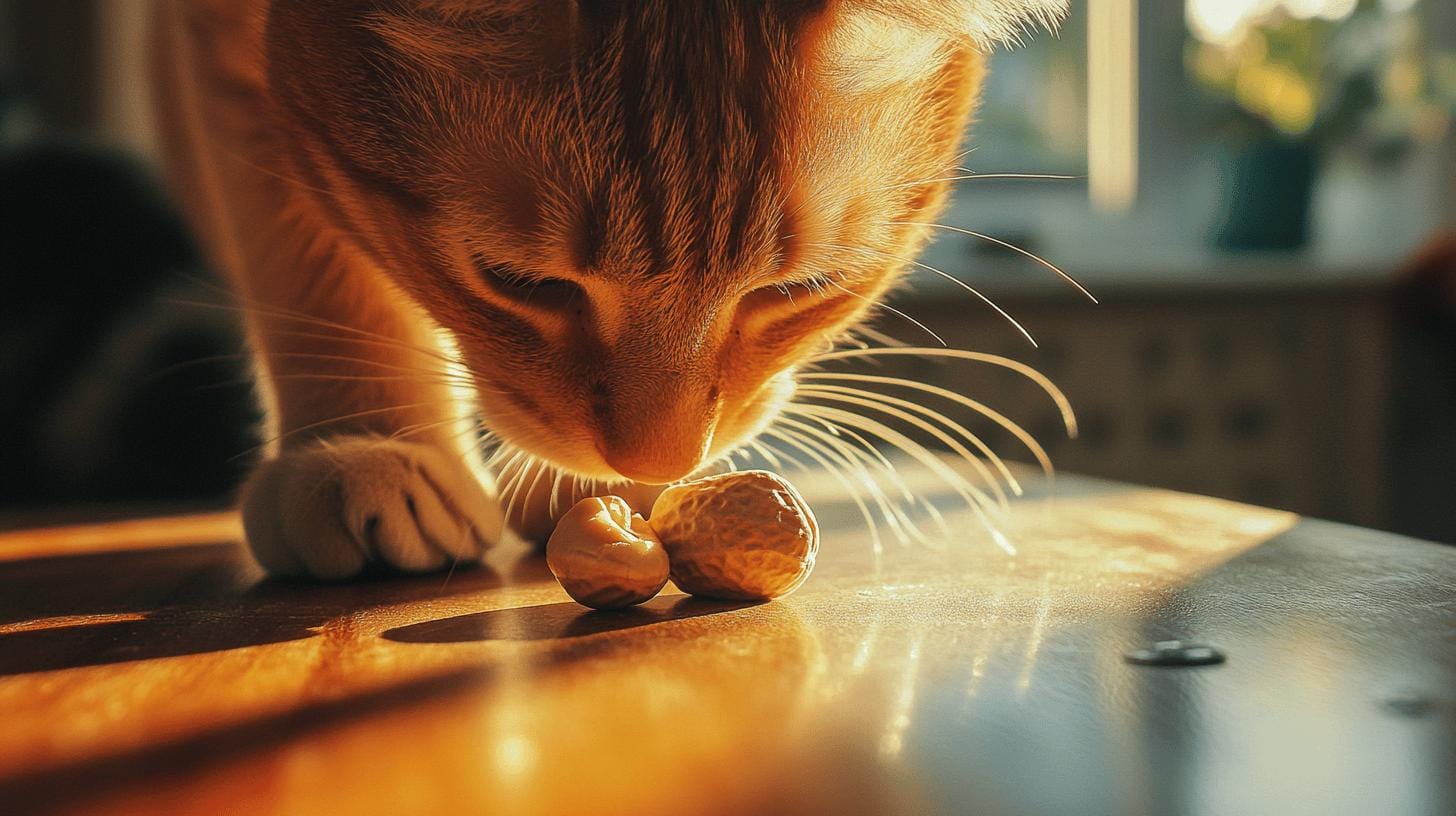
When it comes to cashews and cats, the primary concern isn’t toxicity. Cashews are not toxic to cats, but they aren’t recommended either. Cats are obligate carnivores, meaning their diet needs to be rich in animal proteins to support their health. Their bodies are not designed to process plant-based foods like nuts effectively. While an occasional cashew won’t poison your cat, it doesn’t provide any nutritional benefits.
The nutritional profile of cashews, including high calories and fats, makes them unsuitable for feline consumption. Cashews are packed with fats that can lead to weight gain and other health issues if ingested regularly. Cats’ dietary needs are best met with high-protein, low-fat foods specifically formulated for them. So, while cashews are not inherently bad, they are not a suitable snack for our feline friends.
Health Risks of Feeding Cashews to Cats

Feeding cashews to cats presents notable physical risks. The size and texture of these nuts can lead to choking hazards, especially since cats have narrow throats. If a cashew isn’t chewed properly, it might cause digestive blockages, which are particularly concerning for smaller cats or kittens. Such blockages can be serious, potentially needing veterinary intervention.
The sodium content in cashews poses another problem. Cats can’t process high sodium levels well, which can lead to dehydration. Dehydration affects overall health, impacting everything from organ function to skin health. Keeping your cat’s diet free from added salt is crucial for maintaining proper hydration.
If your cat eats cashews, watch for these symptoms:
- Vomiting
- Diarrhea
- Lethargy
- Loss of appetite
These could indicate the cashews aren’t agreeing with your cat, and a vet’s attention might be needed.
Can Cats Eat Cashew Nuts? Understanding the Basics
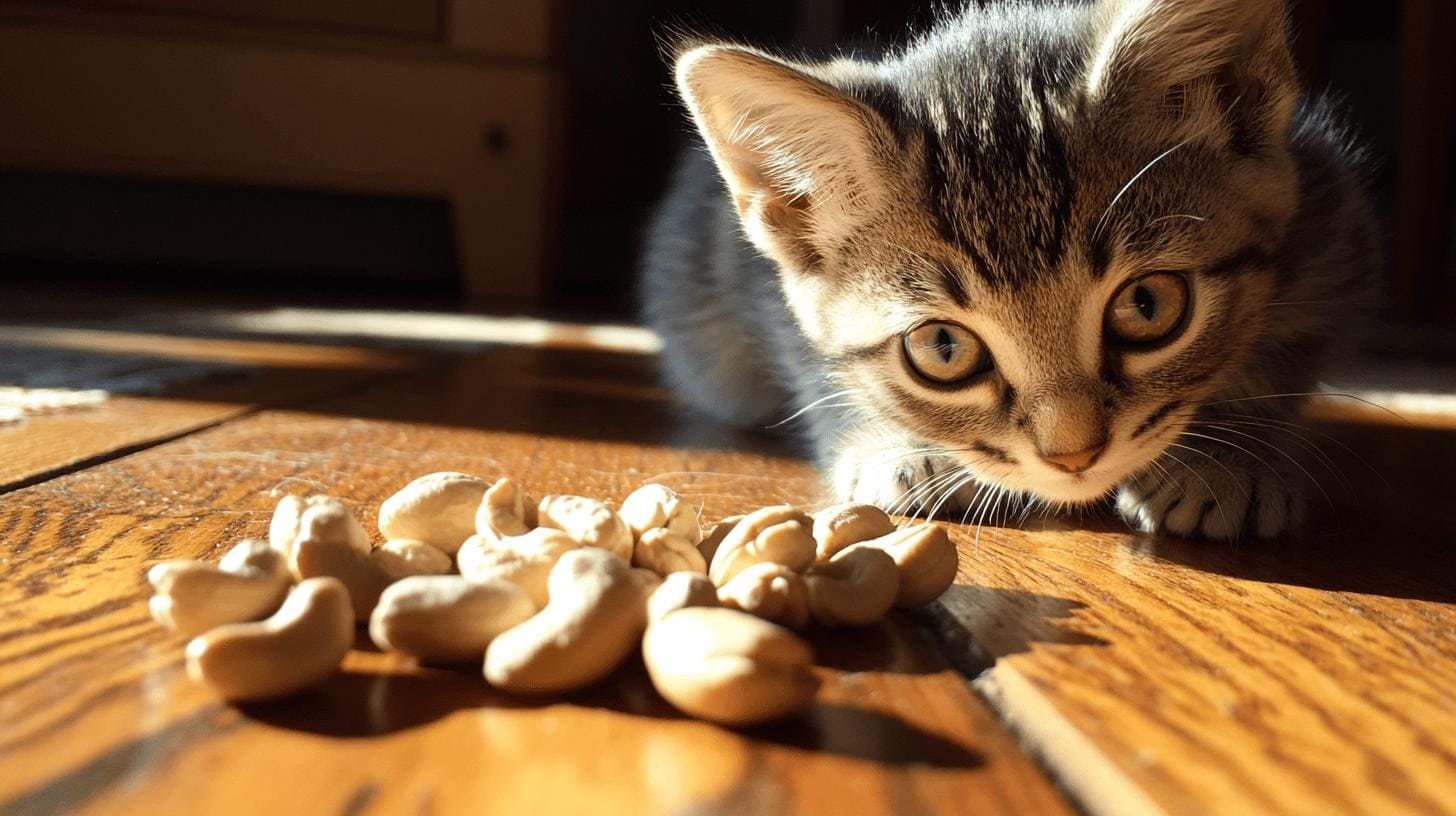
Cashews are not poisonous to cats, yet they don’t provide any nutritional benefits. Feeding cashews to cats should be done sparingly. Since cats thrive on a carnivorous diet, treats like cashews don’t contribute to their health and can pose risks.
Kittens, with their sensitive digestive systems, should completely avoid cashews. Their diet should focus on proteins and fats from animal sources to support growth. Cashews can disrupt their nutritional balance and cause digestive issues.
Allergic reactions, though rare, can occur. Symptoms might include itching, swelling, or gastrointestinal distress. It’s crucial to monitor your cat if they eat cashews, even by accident.
If a cat consumes cashews, watch for vomiting, diarrhea, or lethargy. These could signal a problem. In such instances, consulting a veterinarian is essential for proper care. Prioritizing a diet that aligns with their natural needs helps maintain their health.