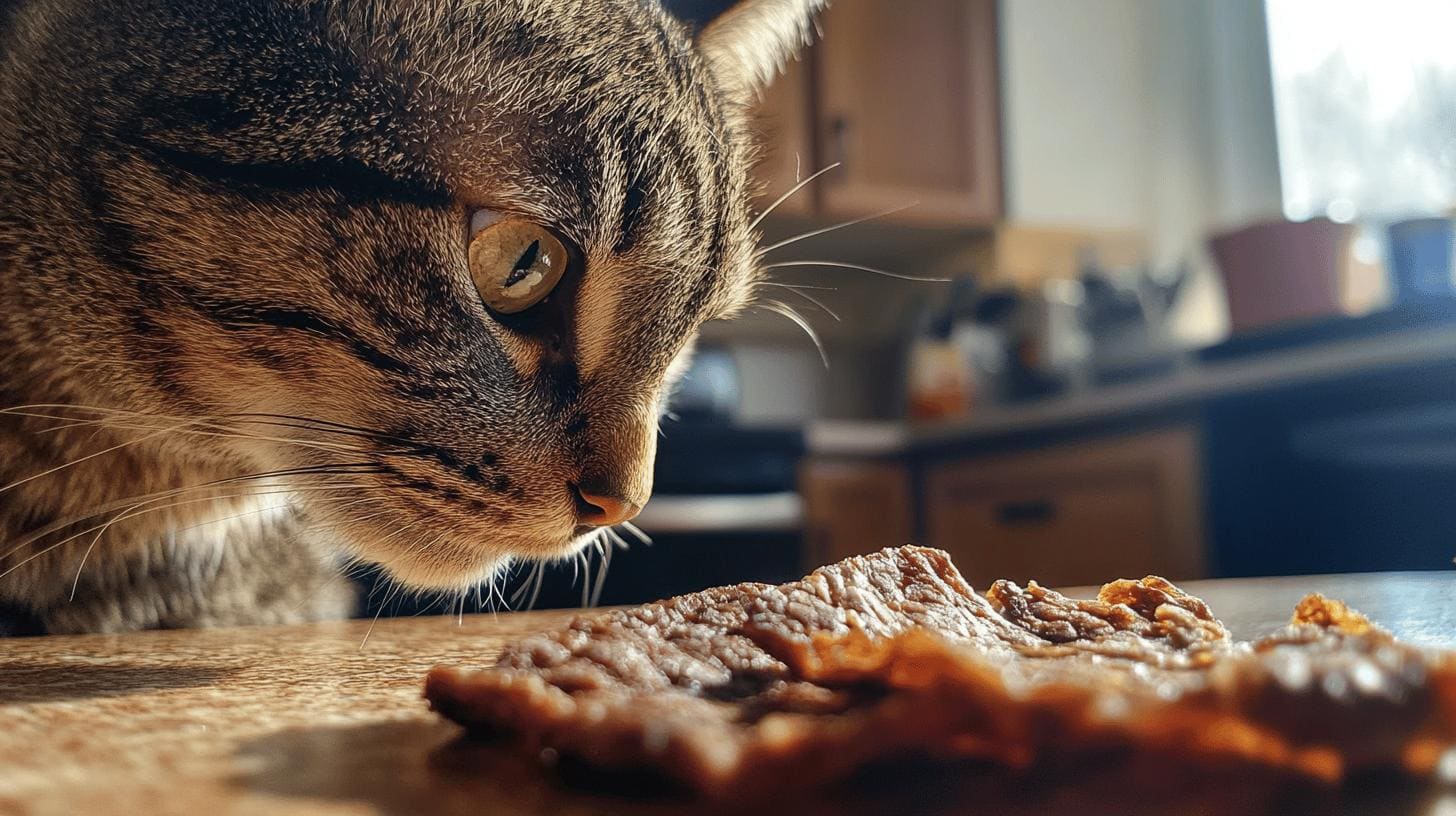
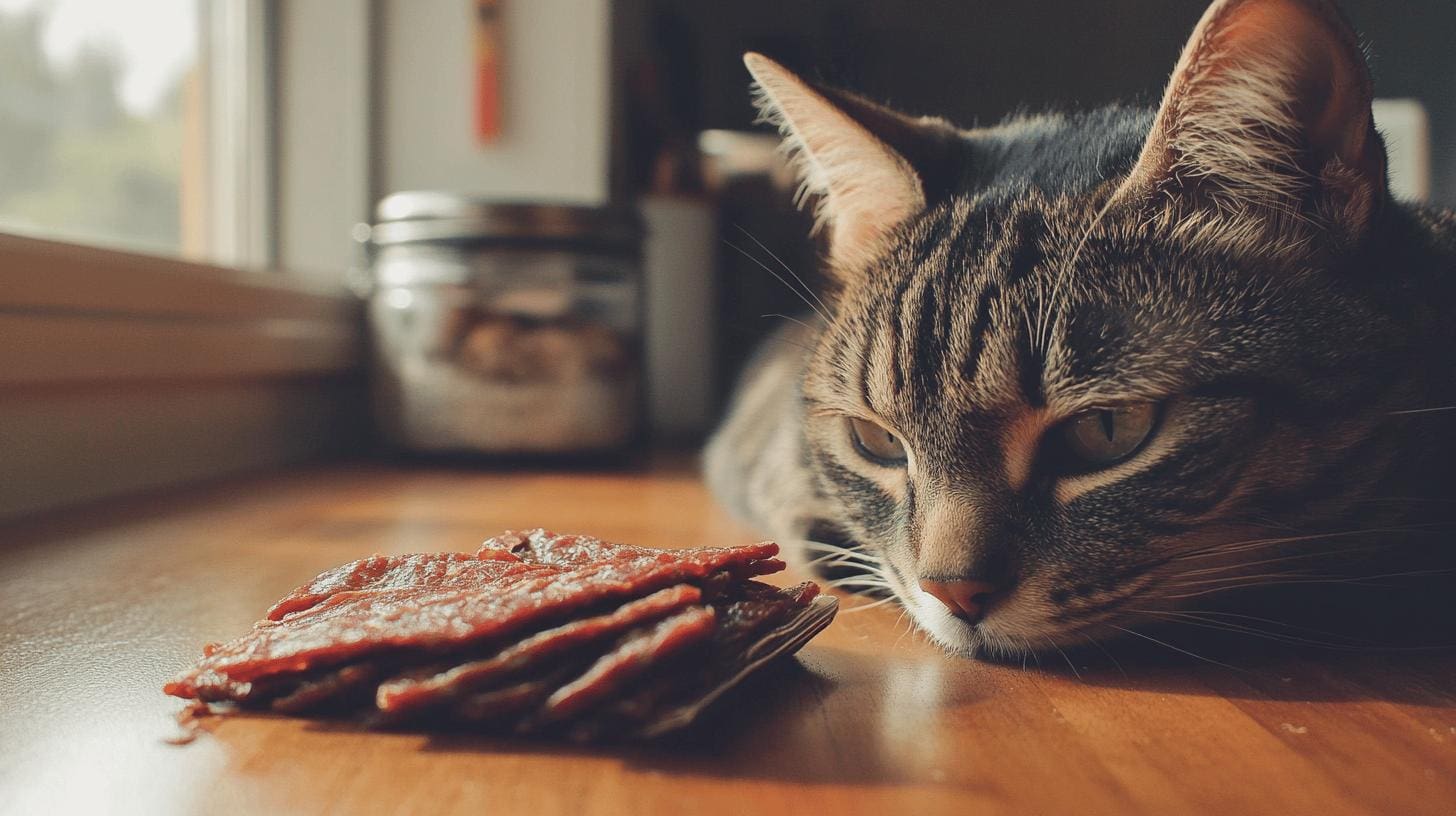
Can cats safely munch on beef jerky, or are we putting our beloved pets at risk? This popular human snack may seem tempting to share with our feline friends, but it hides some potential dangers. From high sodium levels to toxic spices like garlic and onion powder, beef jerky isn't a natural or safe treat for cats. This blog post dives into the safety concerns and health risks associated with feeding beef jerky to cats, helping you make informed choices to keep your furry companion safe and healthy during snack time.
Can Cats Eat Beef Jerky: Safety and Risks
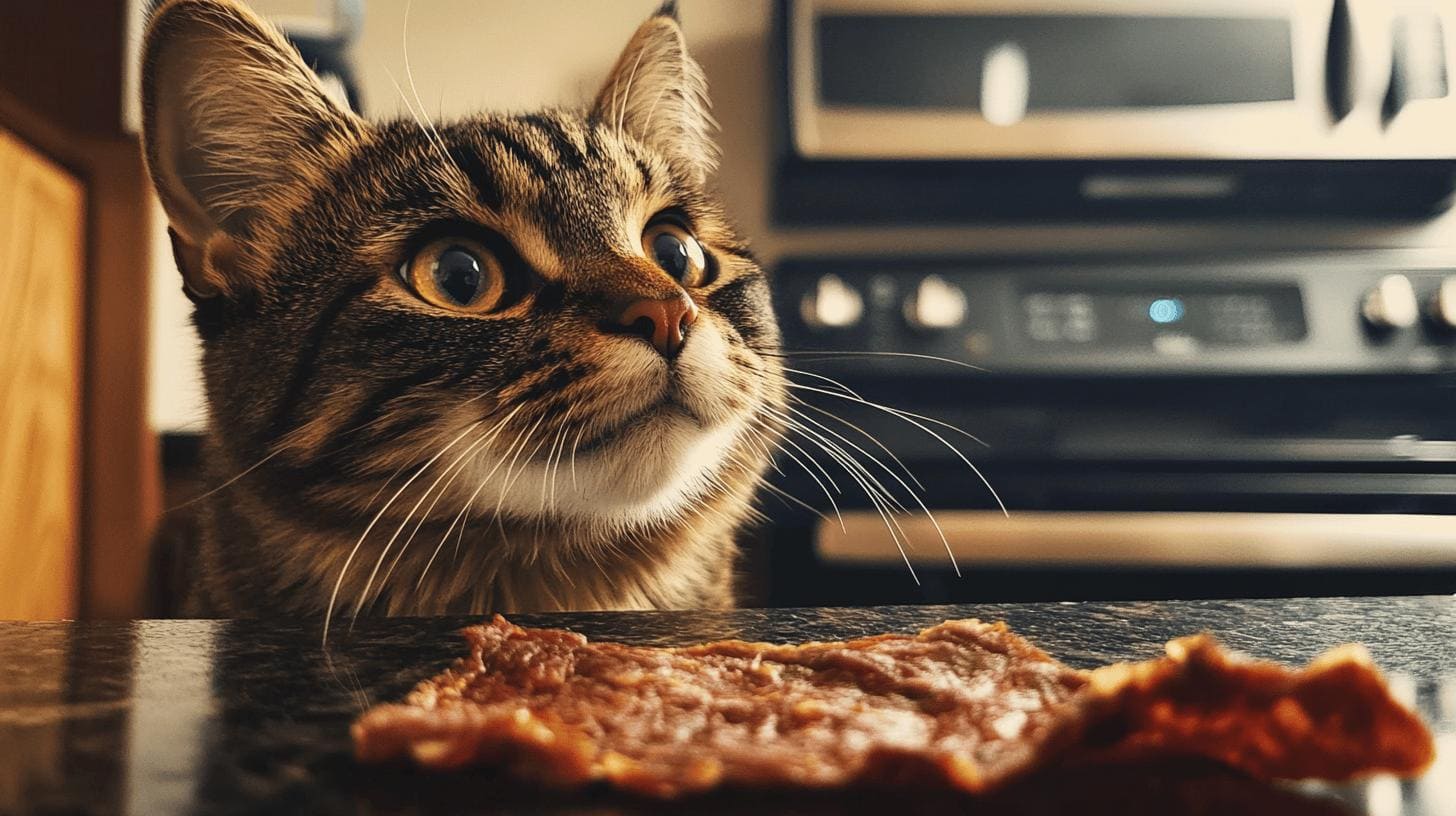
Beef jerky is a popular snack for humans, but when it comes to our feline friends, it raises several concerns. The preparation of beef jerky involves curing meat in a salt solution, which makes it high in sodium. This alone can be problematic for cats. In addition, beef jerky often contains spices such as garlic and onion powder, both of which are toxic to cats. These ingredients are not part of a cat's natural diet and can pose serious health risks if ingested. The tough, chewy texture of beef jerky can also be difficult for cats to handle, making it a potential choking hazard.
Health risks associated with beef jerky consumption in cats are significant. High sodium intake can lead to sodium poisoning, which may cause severe symptoms such as lethargy, vomiting, and even kidney damage. Cats' digestive systems are not equipped to process large amounts of salt, making it potentially dangerous. The toughness of beef jerky can also cause choking or lead to digestive blockages, posing further health risks. Cats that attempt to chew beef jerky might struggle and could end up swallowing large, unchewed pieces that could block their airways or intestines.
- Dehydration from excess sodium
- Vomiting and diarrhea
- Lethargy or weakness
- Choking or digestive blockages
- Allergic reactions
Given these risks, it's clear that beef jerky is not a safe treat for cats. Veterinarians often advise against feeding human snacks like beef jerky to cats due to the potential for harmful reactions. It's best to consult a veterinarian if your cat accidentally consumes beef jerky or if you're considering introducing any new treats into their diet. Professional advice can help ensure your feline friend stays healthy and happy, steering clear of treats that could do more harm than good.
What Happens If a Cat Eats Beef Jerky?
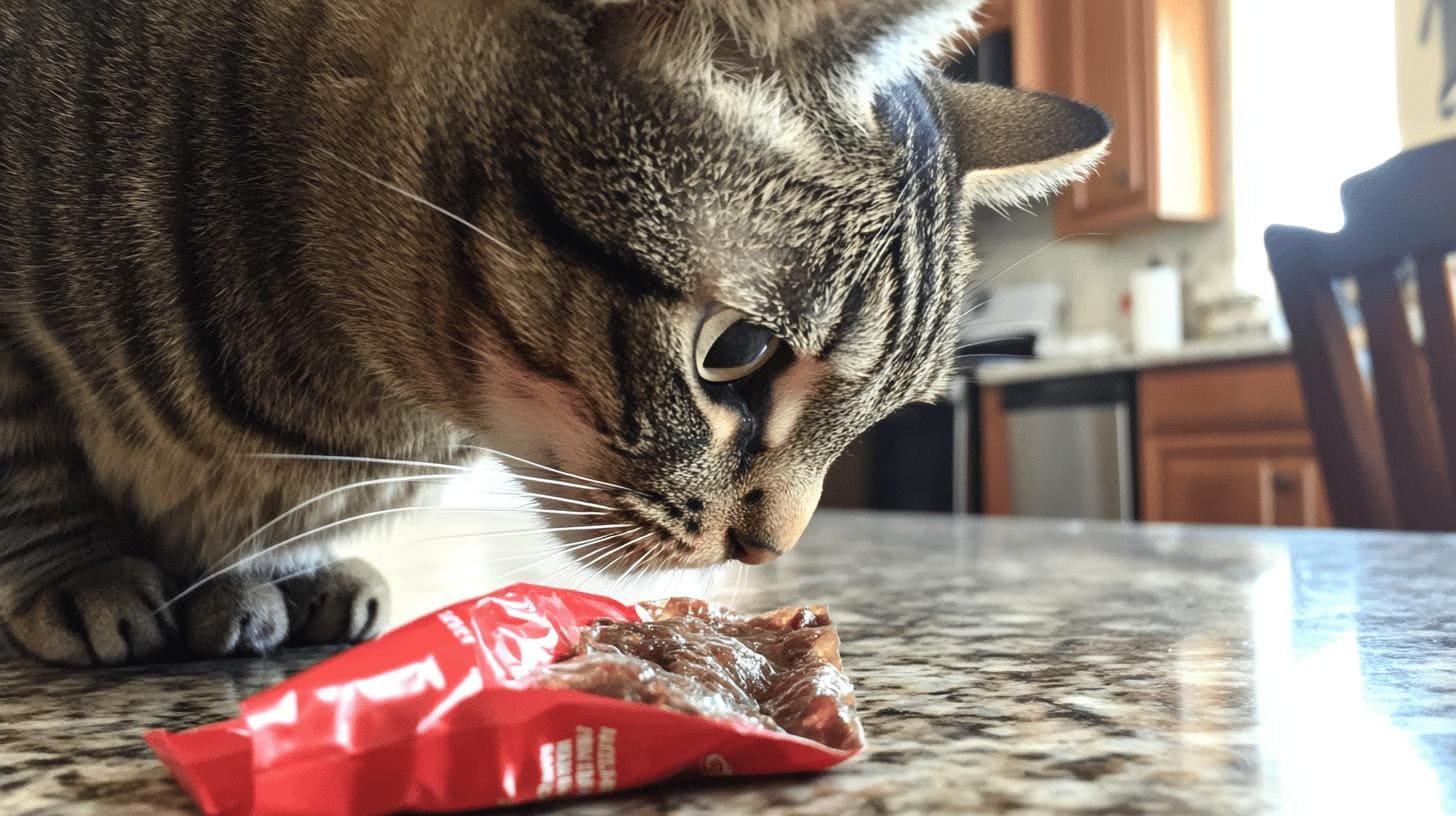
If your cat nibbles on beef jerky, watch for potential reactions. While a small bite might seem harmless, it's best not to offer it as a treat. Symptoms like vomiting or diarrhea can arise from the high sodium and spices. Some cats may also experience allergic reactions, which could be more severe.
- Monitor your cat for unusual symptoms.
- Remove any leftover beef jerky.
- Provide fresh water to combat dehydration.
- Consult a veterinarian for further advice.
Repeated exposure to beef jerky's harmful ingredients could lead to chronic issues like kidney damage or digestive problems. Always seek veterinary advice if your cat consumes beef jerky. Watch for changes in behavior or health, and contact your vet if you're worried. They can give specific instructions to maintain your cat's health, especially if symptoms develop.
Alternative Treats to Beef Jerky for Cats
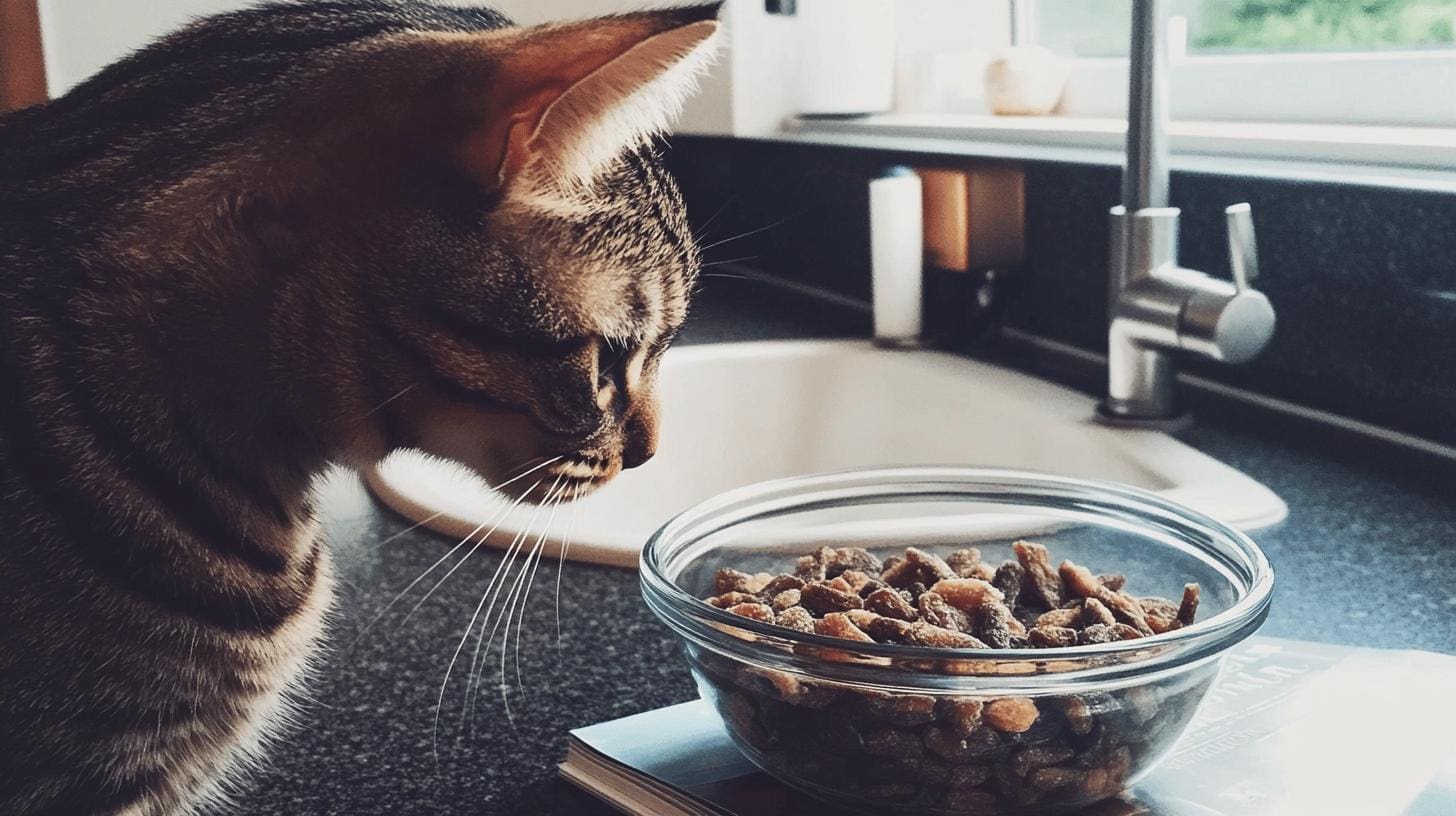
When it comes to treating our feline companions, it's essential to choose options that align with their dietary needs. Specially formulated cat treats stand out as a safer alternative to beef jerky. These treats are crafted without harmful seasonings or high sodium levels, ensuring they cater to a cat's health requirements. Dried fish is an excellent example, offering Omega-3 and Omega-6 fatty acids that benefit a cat's coat and overall health. Unlike beef jerky, these treats are designed with cats in mind, providing a satisfying and safe snack.
- Dehydrated chicken
- Commercial cat snacks
- Freeze-dried fish
- Homemade chicken or turkey treats
- Catnip-infused biscuits
- Freeze-dried liver treats
Opting for these alternative treats is not just about avoiding the risks associated with beef jerky; it's about promoting a balanced diet. These options help maintain your cat's health without introducing unnecessary hazards. By providing treats specifically made for cats, you reduce the risk of digestive issues, dehydration, and potential allergic reactions. Always consider your cat's dietary needs and consult with a veterinarian to ensure these treats support their health and well-being.