Ever wondered if your cat should eat before a thyroid test? While it may seem like a small detail, it can make all the difference in getting accurate results. Most cats don’t need to fast, but it’s crucial to get instructions from your vet. Their guidance is tailored to your cat's specific health needs. This ensures precise test outcomes, which are essential for proper treatment. So, should your furry friend dine before testing? Let’s explore the details for a smooth and successful vet visit.
Can Cats Eat Before a Thyroid Test?
Cats generally do not need to fast before a thyroid test. Eating beforehand typically doesn't affect the test results. It’s always best to follow your veterinarian's guidance to ensure everything is done correctly. They might have specific instructions based on your cat's health needs, so check with them to confirm if fasting is required and for how long.
Following your vet's instructions is crucial for obtaining accurate diagnostic results. Even though fasting might not be necessary, adhering to any other preparation guidelines they provide is important. This helps in achieving a precise diagnosis, which is essential for effective treatment. Always communicate with your vet to clear up any doubts and ensure your cat’s health is well-managed.
Understanding Feline Thyroid Test Preparation
Proper preparation for a cat's thyroid function test is critical for ensuring accurate results. When it comes to understanding feline thyroid bloodwork, paying attention to preparation details can significantly impact the effectiveness of the diagnosis. Cats' thyroid levels, particularly thyroxine (T4), are assessed to diagnose conditions like hyperthyroidism.
Preparing for a cat thyroid diagnostic begins with a veterinary consultation to receive specific instructions. While fasting is not typically necessary, other preparations are crucial. These steps help in minimizing stress and ensuring the cat's body is in an optimal state for testing. A calm and relaxed cat can lead to more reliable results, while stress or dehydration might alter the outcomes.
Key Preparation Steps:
- Hydration: Make sure your cat drinks plenty of water before the test. Dehydration can skew results and impact overall health.
- Calm Environment: Keep your cat relaxed and comfortable in the hours leading up to the test. Avoid activities that might increase stress or anxiety.
- Rest: Ensure your cat is well-rested. Avoid physical exertion or playtime before the appointment.
- Routine: Maintain your cat's usual routine as closely as possible to prevent stress from abrupt changes.
Hydration is particularly important because it helps maintain normal physiological conditions. Keeping your furry friend calm before the test is equally crucial. Stress can elevate certain blood parameters, possibly leading to inaccurate readings. By following these preparation steps, you're setting the stage for an accurate diagnosis, which is essential for developing an effective treatment plan for any thyroid-related issues.
Common Thyroid Disorders in Cats and Their Symptoms
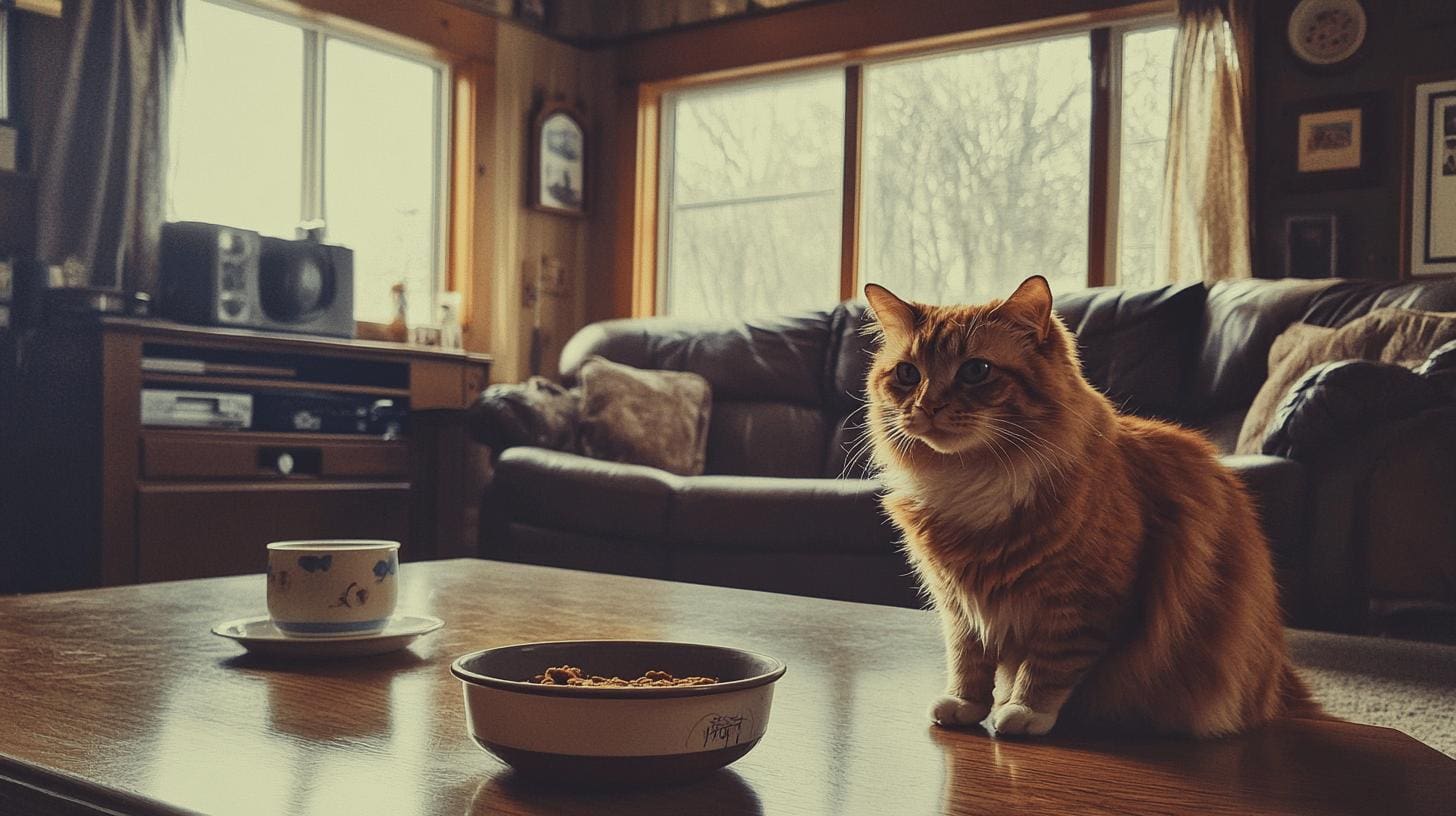
Thyroid disorders in cats can significantly impact their health, particularly as they age. These conditions primarily involve the thyroid gland and can manifest through various behavioral and physical changes. Understanding these disorders and recognizing their symptoms are key to ensuring a cat receives the appropriate care and treatment.
Hyperthyroidism in Cats
Hyperthyroidism is the most common thyroid disorder in cats, affecting primarily older cats aged 12 to 13 years. This condition usually results from a non-cancerous tumor on the thyroid gland, although in rare cases, it may develop into thyroid cancer. The symptoms of hyperthyroidism are quite pronounced and include increased appetite, noticeable weight loss, and excessive meowing. Cats may also show signs of hyperactivity, increased thirst, and frequent urination. Left untreated, hyperthyroidism can lead to serious health issues, including heart problems. Early diagnosis and intervention are crucial for managing the condition effectively and preventing further complications.
Hypothyroidism in Cats
While hypothyroidism is less common than hyperthyroidism, it still can affect cats, particularly after surgical or medical treatment for hyperthyroidism. This condition involves a reduced production of thyroid hormones. Symptoms of hypothyroidism include lethargy, weight gain, and a dull coat. Cats with hypothyroidism might also show decreased appetite and intolerance to cold. Due to its rarity, hypothyroidism may be overlooked, but recognizing these symptoms can aid in timely diagnosis and management.
Early recognition of thyroid disorder symptoms in cats is vital for effective treatment. The symptoms can often mimic other health issues, which is why regular veterinary check-ups are important for older cats. A proper diagnosis ensures that the right treatment plan is implemented, helping to maintain the cat's quality of life. Detecting these disorders early allows for more successful management and can prevent the progression to more severe health problems.