Ever wonder if your cat can share a sweet cherry snack with you? Let's take a closer look before you toss them one. While cherries might sound harmless, they come with serious risks for our feline friends.
This curious fruit holds hidden dangers in its pits, stems, and leaves—which can transform into toxins inside a cat’s digestive system. Even though the juicy part seems safe, it’s not worth the gamble. Read on to uncover the truth about cherries and why they should be kept far from your cat's reach.
Can Cats Safely Eat Cherries?
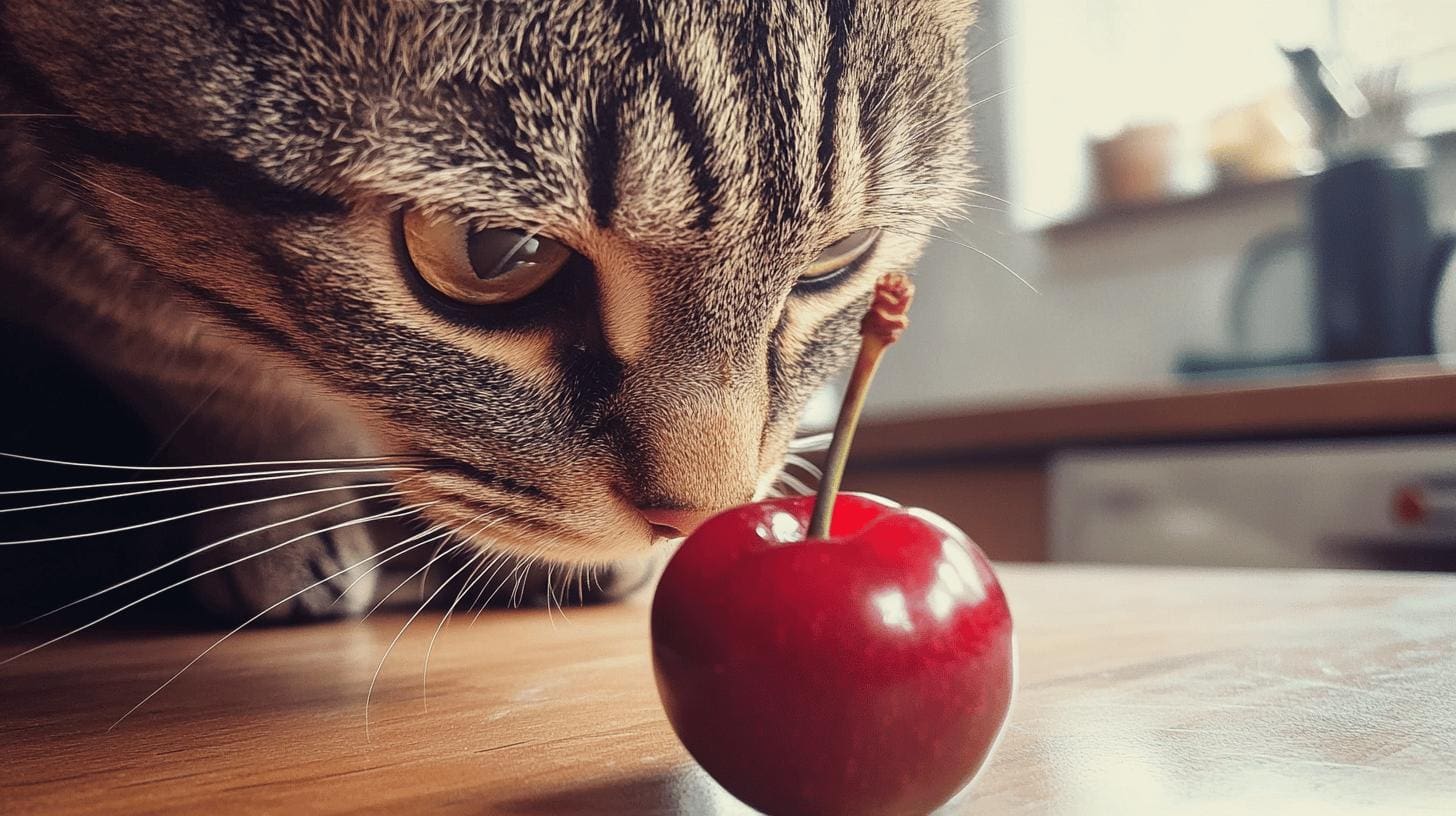
Cherries are not safe for cats. The primary concern lies in the toxic components found in cherries, such as cyanogenic glycosides present in the stems, leaves, and pits. When ingested, these substances can convert into cyanide in a cat's digestive tract, posing severe health risks. Even though the flesh of the cherry itself is not toxic, the risk of contamination with these hazardous parts makes cherries unsafe for cats.
Here are key reasons to avoid feeding cherries to your cat:
-
Cyanide Risk: Stems, leaves, and pits contain cyanogenic glycosides, leading to potential cyanide poisoning.
-
Contamination Concerns: Even the flesh can be contaminated with toxic parts.
-
No Nutritional Benefits: Cherries offer no essential nutrients needed by cats.
-
Risk of Choking: Pits can cause choking or intestinal blockage.
-
High Sugar Content: The natural sugars in cherries are not suitable for a cat's diet.
Cherries should be kept away from cats to prevent any accidental ingestion. When considering any new food for your feline friend, always prioritize their health and safety.
Potential Health Risks of Cherries for Cats
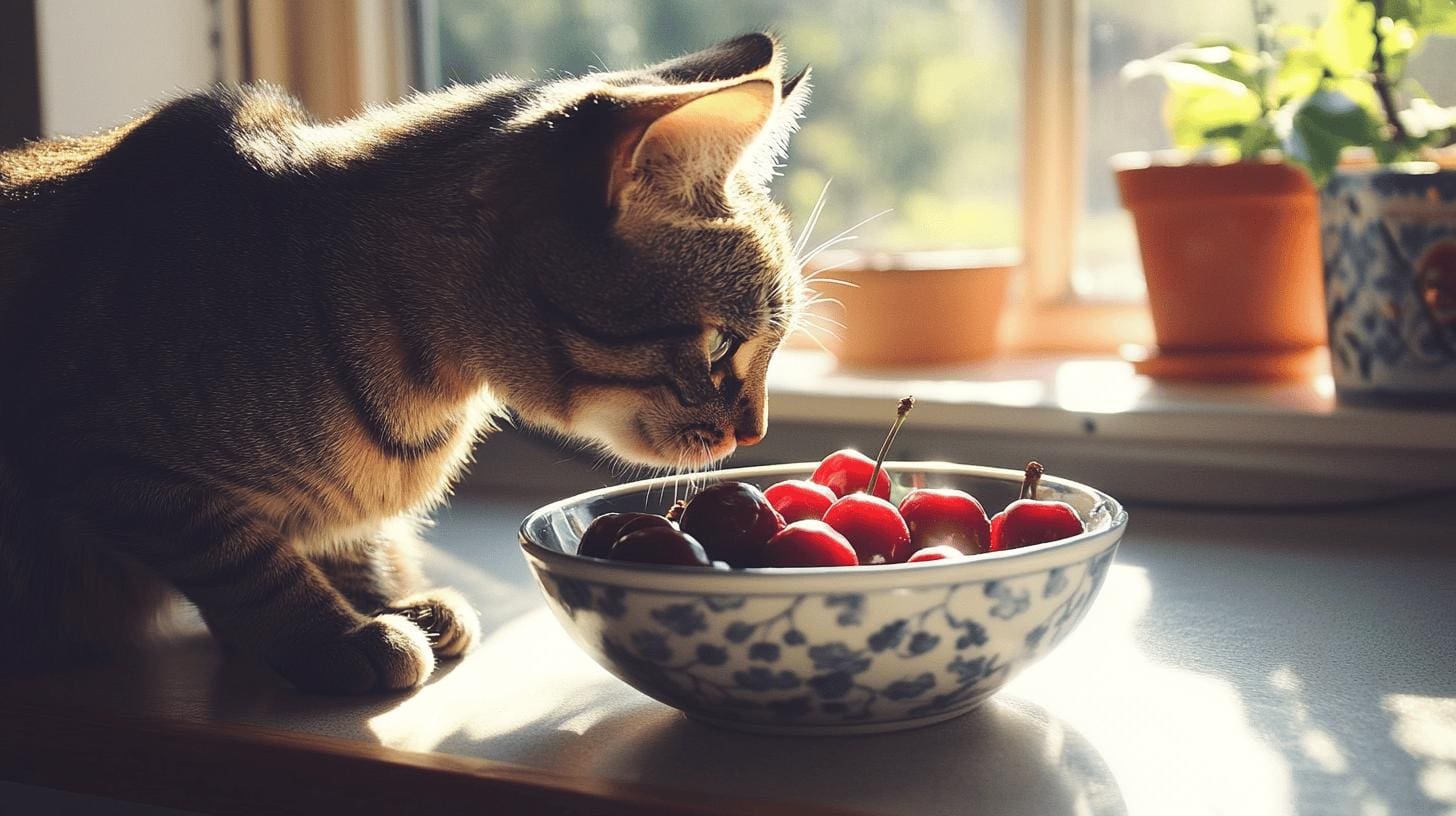
Cherries might be a tasty treat for humans, but they're not safe for our feline friends. The main issue lies in the cherry pits, stems, and leaves which contain cyanogenic glycosides. When these substances are consumed, they can transform into cyanide in a cat's digestive system, posing serious threats to their health.
Chewing on cherry pits is particularly dangerous because it releases these glycosides, significantly increasing the risk of cyanide poisoning. Besides the chemical dangers, there's also a risk of intestinal obstruction when cats ingest these parts of the cherry.
Here are some symptoms that could indicate cherry poisoning in cats:
-
Vomiting
-
Difficulty Breathing
-
Reddened Gums
-
Dilated Pupils
-
Weakness or Lethargy
-
Seizures
Immediate veterinary attention is crucial if you suspect your cat has eaten cherries or any part of the plant. Intestinal obstruction is another concern, especially if your cat has swallowed a pit whole. This might necessitate emergency surgery.
Keep a close eye on your cat for any unusual symptoms and consult your vet right away. It's also wise to prevent further ingestion by keeping cherries and cherry products out of your cat's reach at all times.
Consider offering safe alternatives like catnip, cooked carrots, or small pieces of cooked chicken as treats instead of cherries. Prioritizing their health means steering clear of cherries altogether.
Alternatives to Cherries: Safe Fruit Treats for Cats
When it comes to feeding fruits to your cat, moderation is key. Cats are obligate carnivores, meaning their primary nutritional needs are met through animal proteins.
Fruits should only be offered as occasional treats, considering their high sugar content and lack of essential nutrients. It's important to choose fruits that are safe and beneficial for your feline friend.
Here are some fruits that are safe for cats:
-
Blueberries: Packed with antioxidants, these tiny fruits can be a fun and safe treat.
-
Apples (without seeds): A small piece of peeled apple can be a crunchy delight, but avoid seeds as they contain cyanide.
-
Bananas: A slice of banana is a tasty option, but its sugar content means it should be given sparingly.
-
Watermelon (seedless): Hydrating and refreshing, watermelon can be a safe treat in small amounts.
-
Cantaloupe: This melon offers a sweet and juicy snack that many cats enjoy.
Before introducing any new foods or treats into your cat's diet, it's essential to consult with a veterinarian. They can provide guidance tailored to your cat's specific health needs and ensure that any dietary changes are safe and appropriate. Always prioritize your cat's health and well-being when offering new treats.