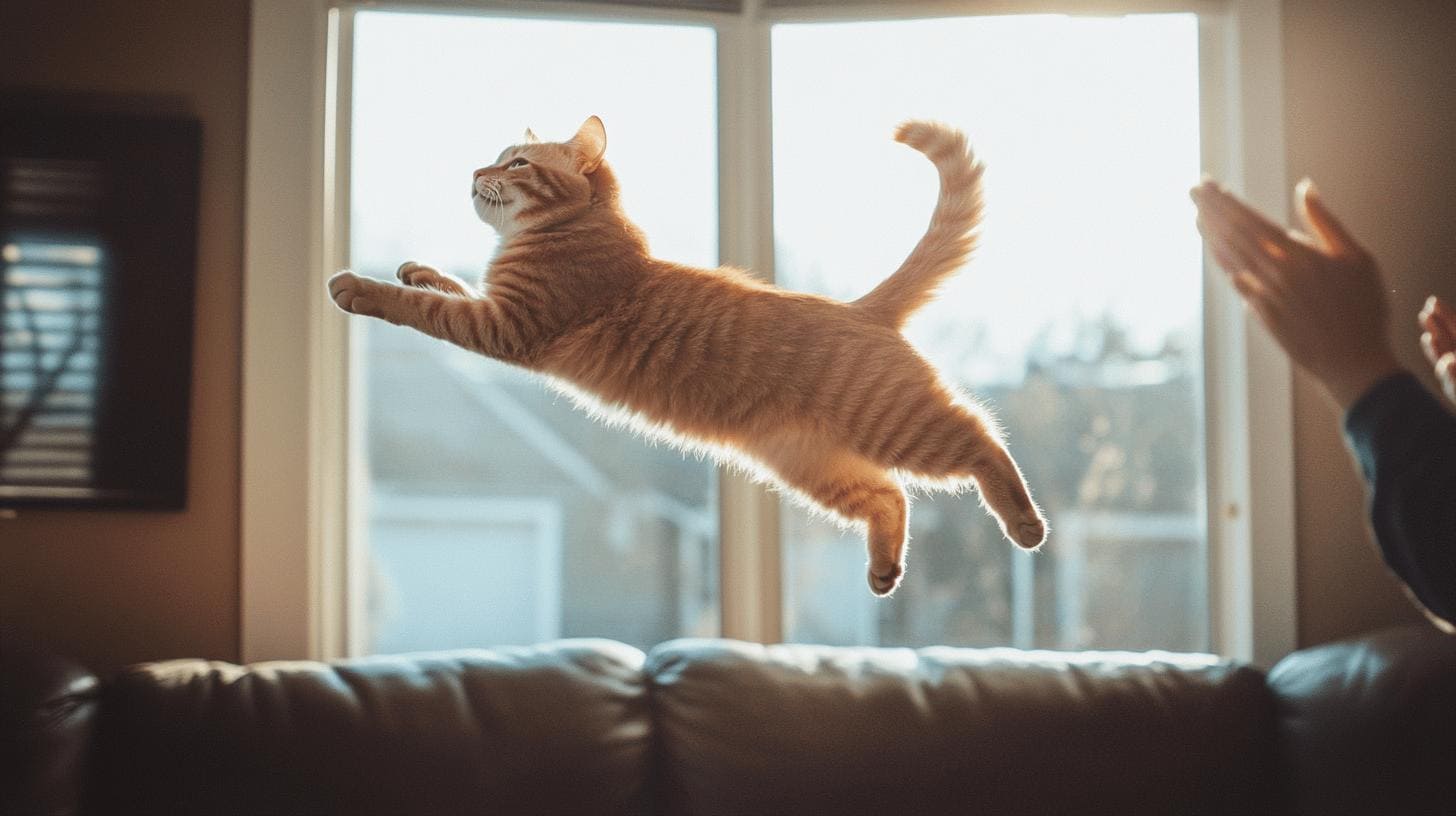
Did you know that with a little patience, your cat can learn to pull off a backflip? It might sound impossible, but with the right tools and techniques, even your feline friend can master this jaw-dropping trick.
In this guide, I’ll show you how to transform playtime into a training session that gets results. By using simple toys and consistent routines, you’ll engage your cat’s natural jumping instincts. Combine this with encouragement and rewards, and soon your cat will be flipping to impress! Ready to get started? Let’s dive in.
Step-by-Step Guide: Training Your Cat to Do a Backflip
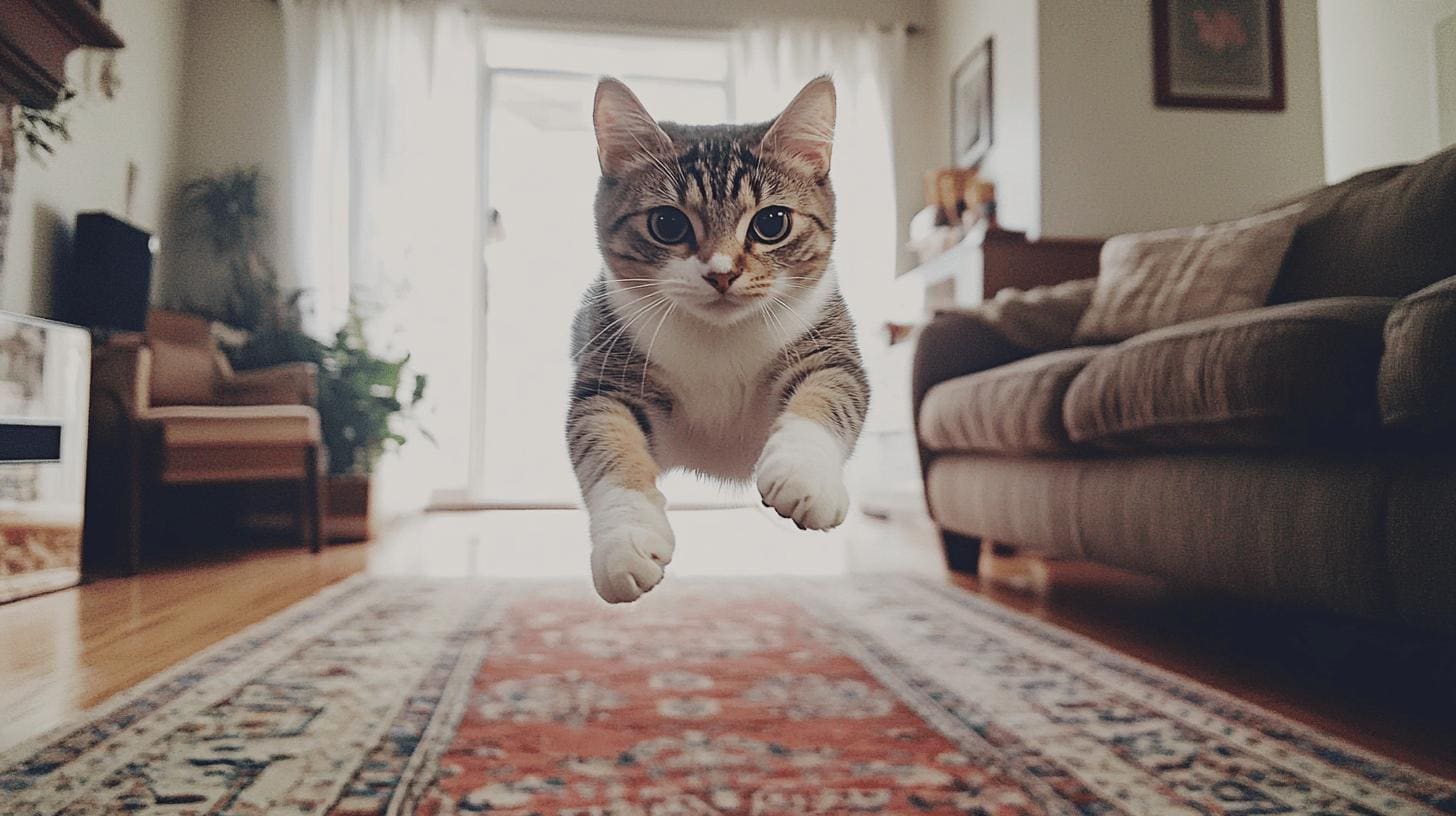
- Choose the Right Toy: Select an interactive toy such as a feather wand or laser pointer. These toys can trigger your cat’s natural instinct to leap and play.
- Establish a Routine: Schedule regular training sessions at the same time each day. Consistency helps your cat understand the training pattern.
- Encourage Jumping: Use the toy to encourage your cat to jump. Begin with low heights and gradually increase as your cat becomes more comfortable.
- Introduce the Flip: Once your cat is confidently jumping, gently guide the toy in a circular motion above their head. This movement encourages your cat to twist mid-air.
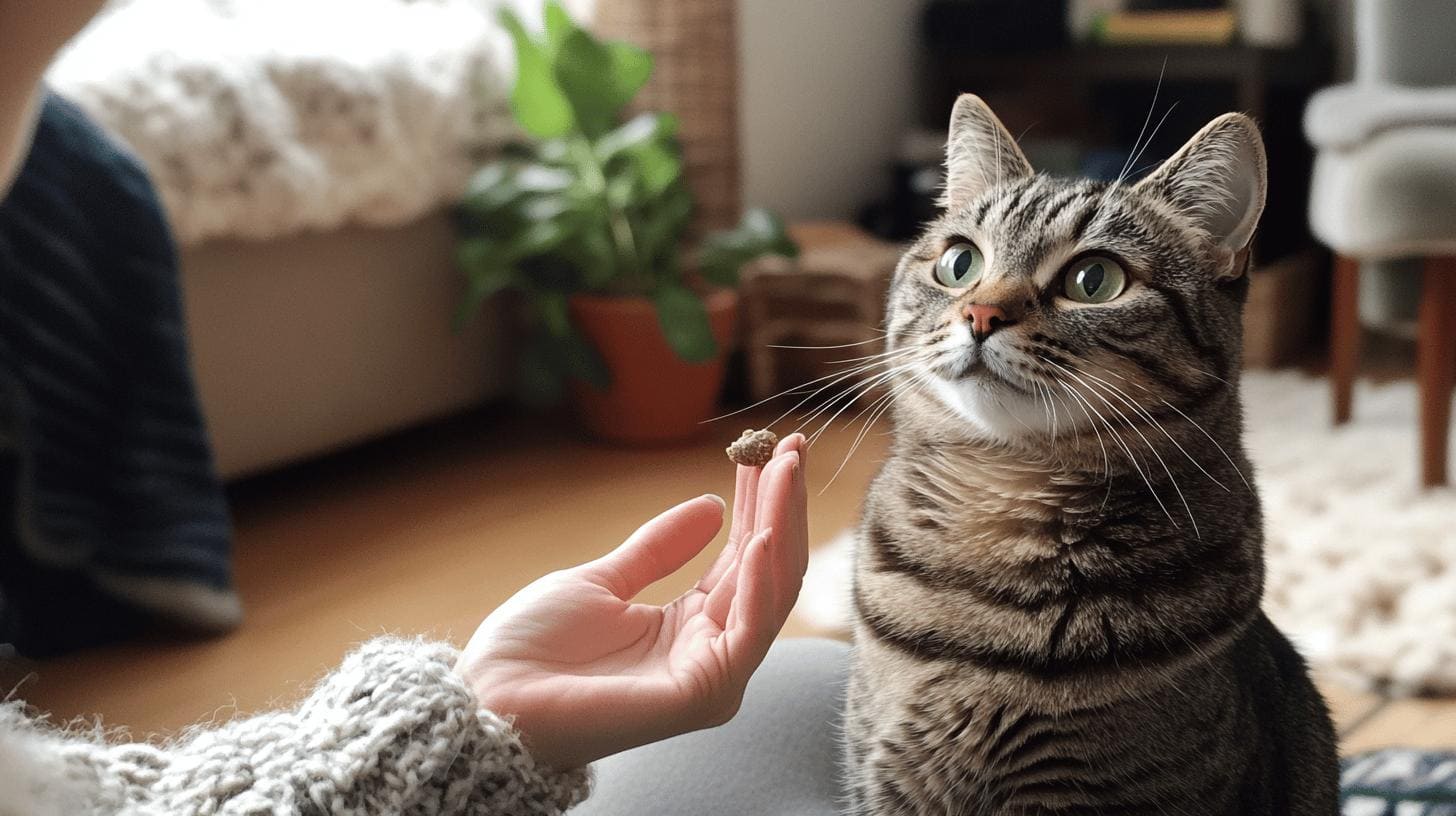
- Reward Success: Each time your cat performs a movement resembling a backflip, reward them with a treat or praise. This reinforces the behavior.
- Practice Consistently: Continue practicing these steps regularly, building up the backflip motion over time.
Cats are naturally agile creatures, capable of impressive acrobatic feats. Their playful nature often leads them to perform flips and somersaults during regular playtime. This agility makes them excellent candidates for learning tricks that involve jumping and twisting.
Using toys is crucial in training your cat to do a backflip. Toys not only engage a cat’s interest but also provide the motivation needed to perform complex movements. Interactive toys like laser lights can be particularly effective, as they simulate prey, prompting cats to leap and twist.
Patience and positive reinforcement are key to successful training. Cats learn at their own pace, and it’s important to celebrate small victories.
Rewarding your cat with treats or affection after each successful attempt encourages them to repeat the behavior. By maintaining a positive and patient approach, you can strengthen the bond with your cat while teaching them new tricks.
Tools, Environment, and Understanding Feline Behavior for Cat Training
Creating a safe and distraction-free training environment is essential for successful cat training. Cats are curious creatures, and a cluttered space can easily divert their attention away from the task at hand. Ensure that the room is free of any hazards that could cause injury, like sharp objects or furniture that could be tipped over during enthusiastic play.
A room with minimal disturbances allows your cat to focus solely on the training session. Consider using a space where your cat already feels comfortable and secure, as this will help them relax and be more open to learning new tricks.
Motivation is a key component in training, and it often comes in the form of treats and play. Cats are naturally motivated by both food and the thrill of the hunt, which you can simulate with interactive toys.
Offering a tasty reward after a successful attempt reinforces positive behavior and encourages your cat to continue participating. Playtime itself can be a powerful motivator, as it taps into a cat’s instinctual desire to chase and pounce. By integrating play into training, you keep your cat engaged and eager to learn new skills.
Recommended Training Tools:
- Laser pointers
- Feather toys (such as “Da Bird”)
- Soft treats
- Clicker for clicker training
- Small training mat or safe play area
Understanding feline behavior is crucial when training your cat to perform tricks like backflips. Cats communicate through body language and vocalizations, so it’s important to read their cues during training sessions. Pay attention to their ears, tail, and body posture, as these can indicate whether they’re comfortable, stressed, or ready to engage.
For example, a wagging tail might mean irritation, while forward-facing ears signal attention and readiness. By observing these signals, you can adjust your training techniques to ensure that your cat remains happy and willing to participate. Positive reinforcement, paired with careful observation, helps build trust and encourages your cat to try new things without fear.
Advanced Tips for Training Your Cat to Do a Backflip
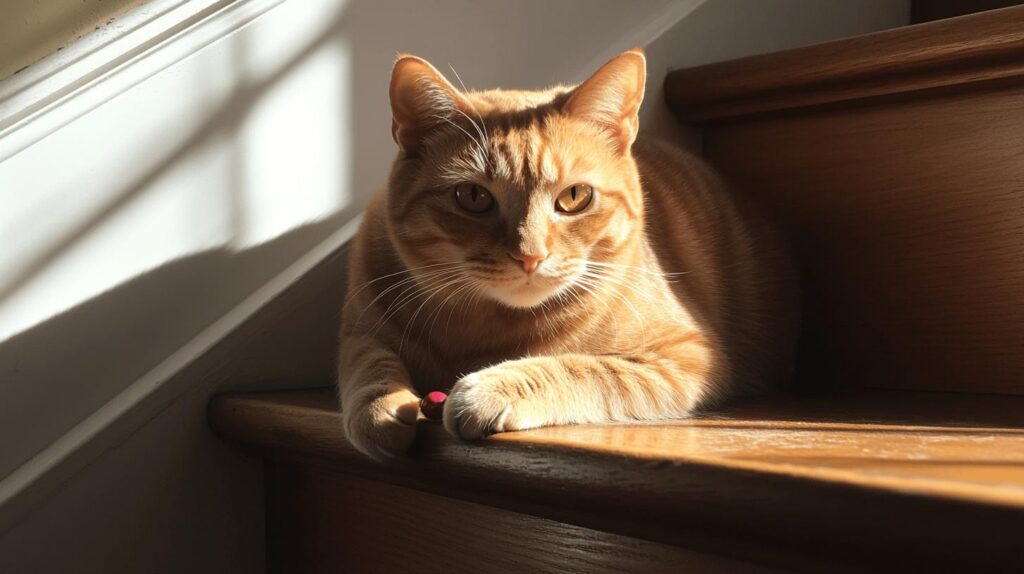
Understanding your cat’s psychology can enhance training efficiency. Cats are driven by curiosity and the desire to hunt. Use this natural instinct to your advantage by incorporating toys that mimic prey, like feather wands or small motorized toys. These can trigger a more focused and enthusiastic response during training.
For experienced trainers, consider advanced techniques such as clicker training. Use a clicker to mark the precise moment your cat performs the desired movement, followed by a treat. This method can help cats associate the sound with success and improve their learning speed.
When facing challenges, troubleshoot by observing your cat’s reactions. If your cat seems uninterested, try different toys or adjust the training environment. A quiet, distraction-free space can make all the difference.
Training offers numerous benefits beyond teaching tricks. It stimulates your cat mentally, preventing boredom, and contributing to their overall well-being. Physically, it keeps them active and agile, promoting healthier joints and muscles. By viewing training as an enriching activity, rather than just a means to an end, you can foster a deeper connection with your feline friend.