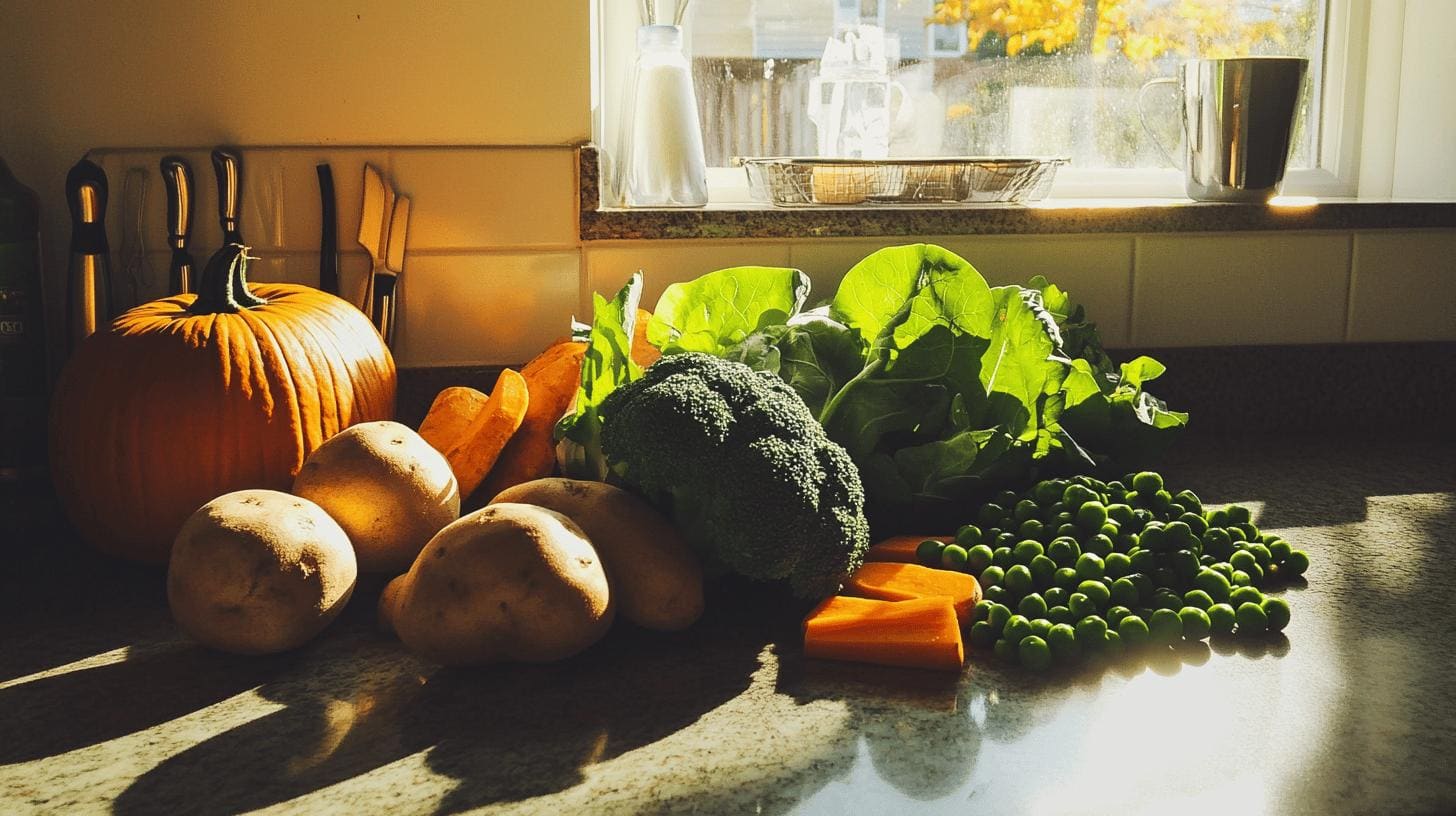
Can cats munch on broccoli safely, or should you keep it off their plates? As a cat owner, you might have wondered if this green veggie is safe for your furry friend. This intriguing question often sparks curiosity and a bit of concern.
While cats are obligate carnivores with a diet centered around meat, broccoli can offer occasional nutritional perks when served right. In this post, we'll dive into the safety, potential risks, and surprising benefits of introducing broccoli into your cat's meals.
Safety and Risks of Feeding Broccoli to Cats
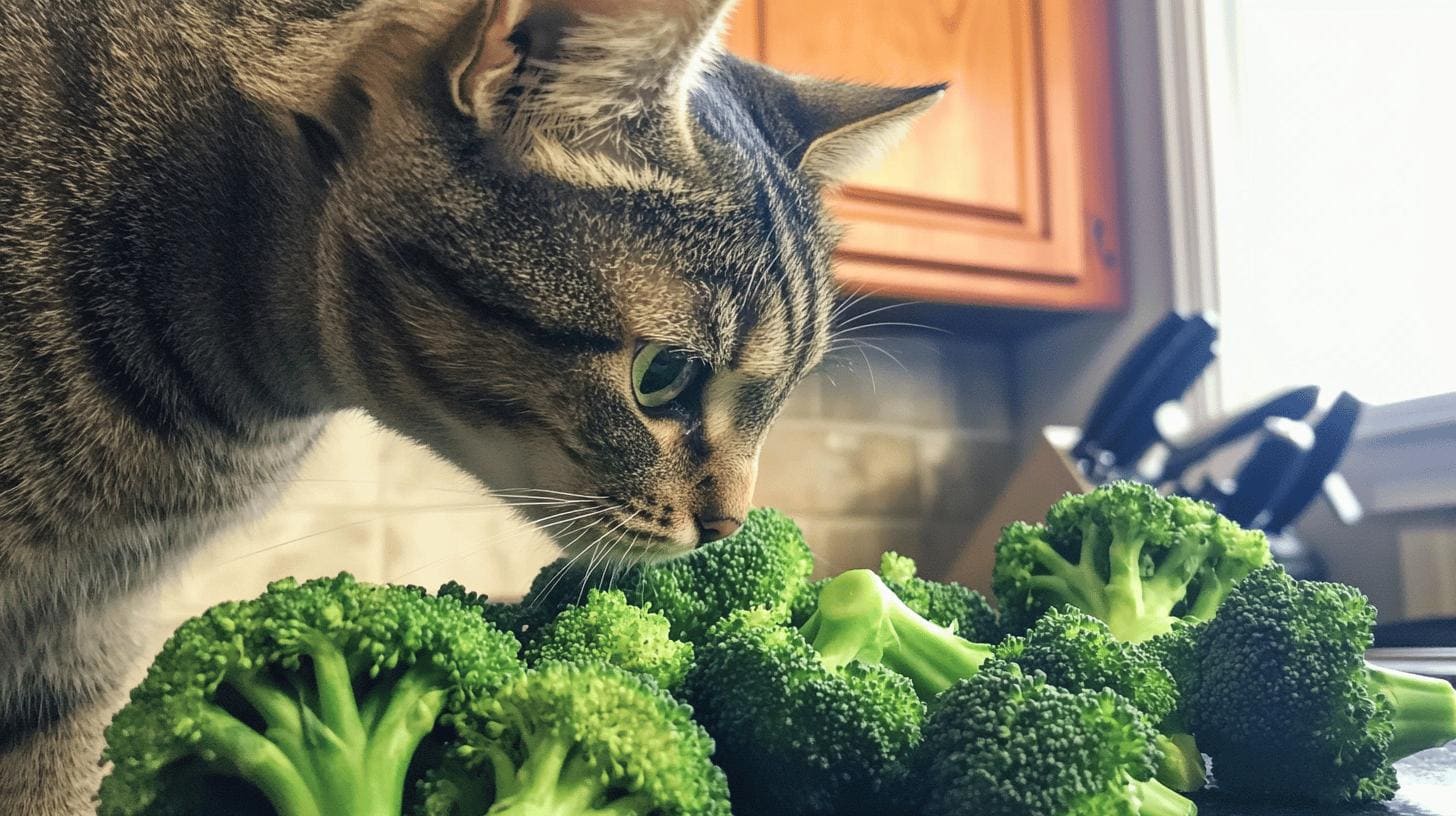
Broccoli is generally safe for cats to consume in moderation. It's not toxic, so offering small amounts as a treat is okay. While cats are obligate carnivores and have specific dietary needs centered around proteins, they can occasionally enjoy vegetables like broccoli. Keeping portions small is key to avoiding any digestive issues, as their systems aren't designed to handle large amounts of plant matter.
Preparation is crucial when feeding broccoli to your feline friend. It's essential to wash broccoli thoroughly to remove any pesticide residue. Even small traces of these chemicals can pose a risk to your cat. After cleaning, steam or boil the broccoli until it's soft enough for your cat to chew easily. Avoid adding any seasonings or oils, as these can upset a cat's stomach.
It's important to monitor your cat after introducing broccoli to their diet. Some cats might experience an upset stomach, with symptoms like vomiting or diarrhea. If your cat shows any adverse reactions, it's best to discontinue feeding them broccoli and consult your veterinarian. The goal is to ensure that this treat doesn't disrupt their overall well-being.
Certain cats should steer clear of broccoli altogether. If your cat has known allergies or thyroid issues, it's wise to avoid introducing broccoli into their diet. These conditions can make them more susceptible to adverse reactions. Always consult with your vet if you're unsure whether broccoli is suitable for your cat's specific health needs.
Nutritional Benefits of Broccoli for Cats
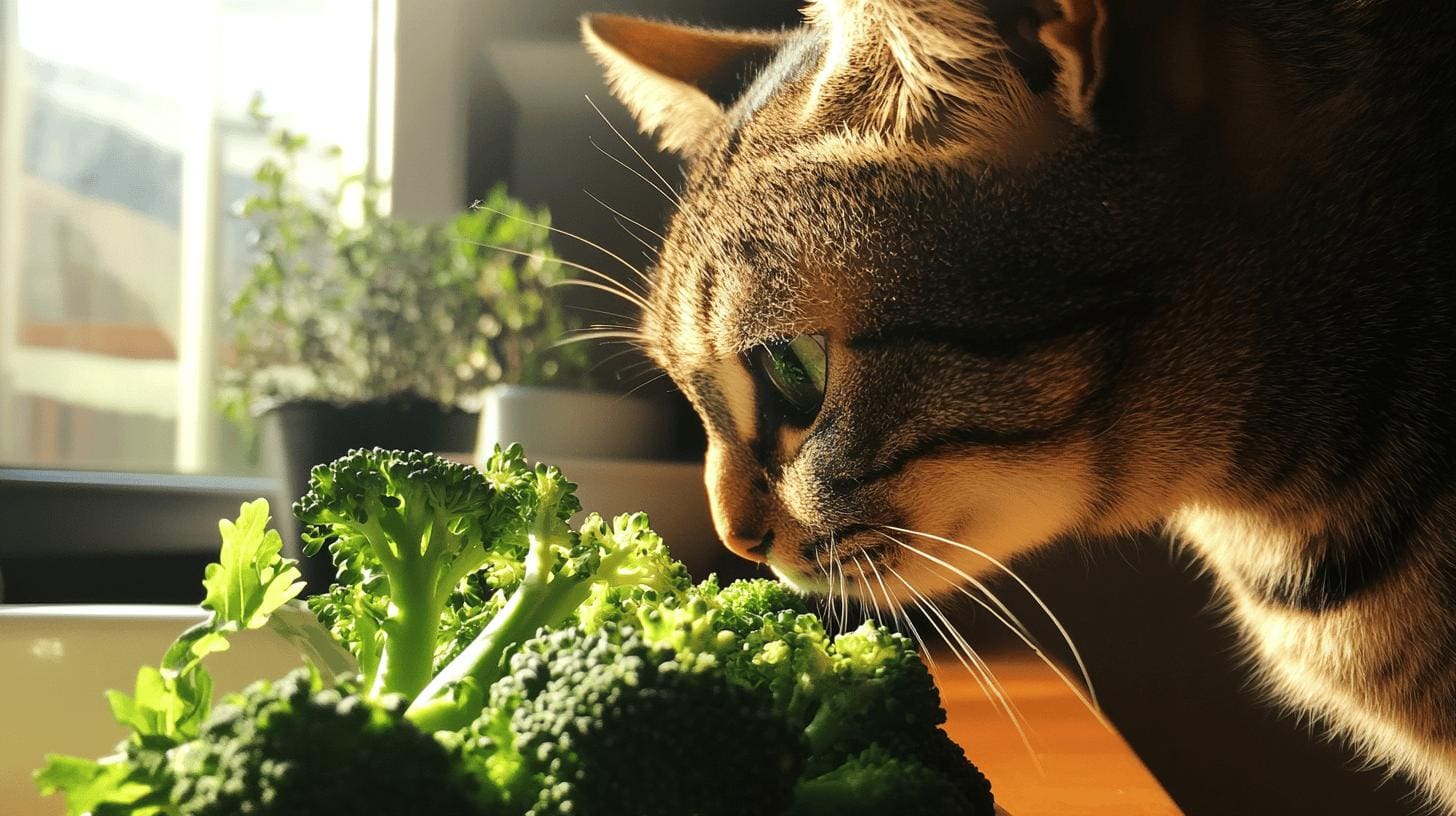
Broccoli can be a surprising yet beneficial addition to a cat's diet. Though cats are obligate carnivores, meaning their nutritional needs are primarily met with animal proteins, small amounts of broccoli can provide valuable nutrients. Broccoli is rich in antioxidants and dietary fiber, which can aid digestion.
Its vitamin profile includes vitamin K, essential for blood clotting, and folic acid, which supports cell function. Potassium in broccoli is crucial for nerve function and muscle health, making it a worthwhile treat when given in moderation.
- Antioxidants: Help to combat oxidative stress and promote overall health.
- Fiber: Supports healthy digestion and can prevent constipation.
- Vitamin K: Important for proper blood clotting and maintaining bone health.
- Folic Acid: Supports cellular growth and development.
- Potassium: Essential for maintaining healthy nerve and muscle function.
Some cat owners report anecdotal evidence of improved coat quality and vitality after introducing broccoli into their cat's diet. While cats have limited ability to process carbohydrates, the nutrients found in broccoli might contribute to a shinier coat and increased energy levels.
It's crucial to remember that these benefits are best achieved by offering broccoli as an occasional treat, not a dietary staple. Always monitor your cat's response to new foods and consult your vet if you notice any adverse reactions.
How to Introduce Broccoli to Your Cat's Diet
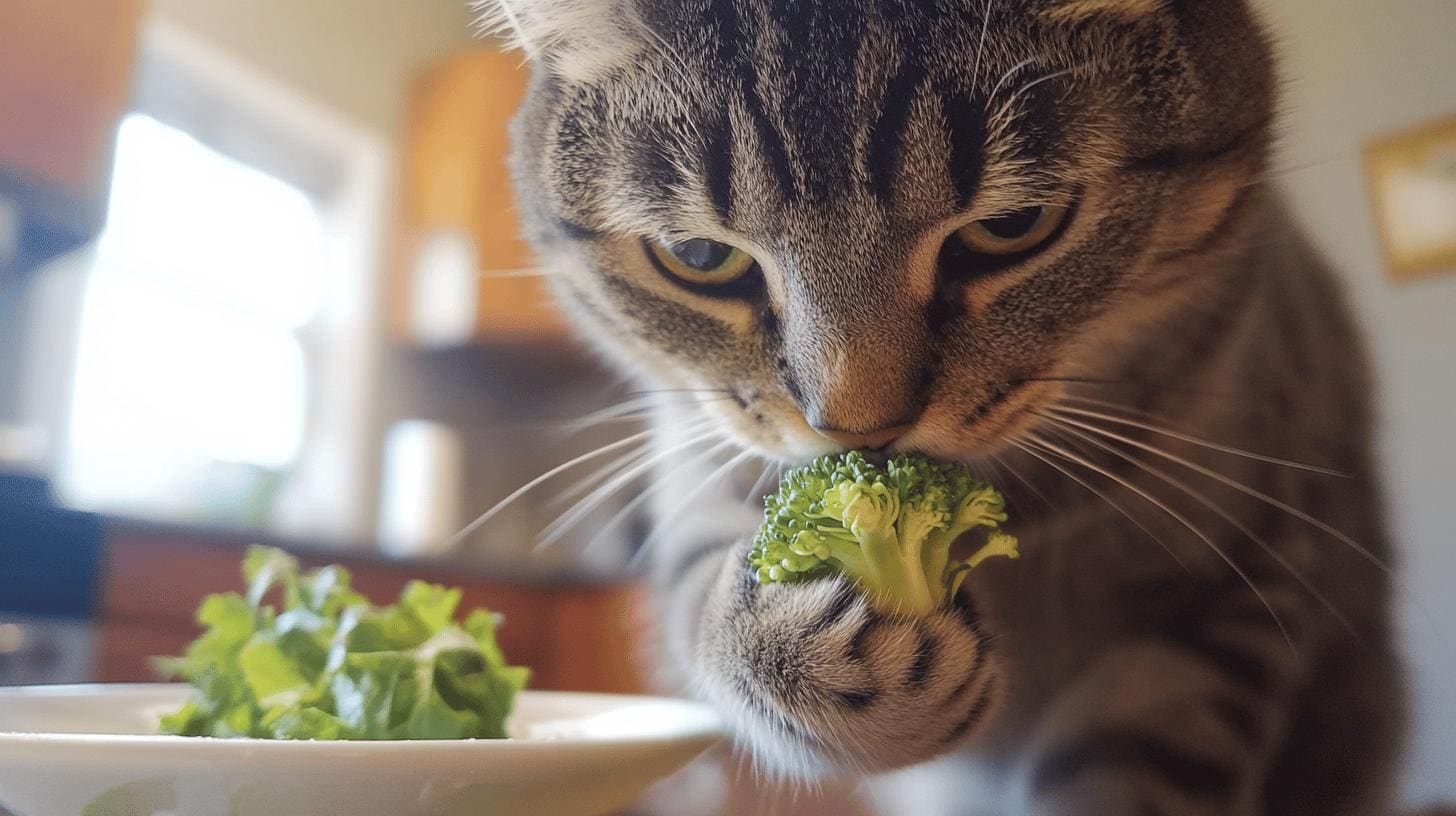
When introducing broccoli to your cat's diet, start with a piece no larger than a fingernail. This allows you to monitor how your cat reacts to the new food. Cats have sensitive digestive systems, so it's important to watch for any adverse reactions, such as vomiting or diarrhea. If your cat tolerates the broccoli well, you can consider it an occasional treat.
Limit the serving size to one teaspoon per serving and offer it no more than once or twice a week. This approach ensures your cat enjoys the potential health benefits of broccoli without overwhelming their primarily carnivorous diet. Always observe your cat's behavior and digestion after introducing any new food to ensure their comfort and health.
| Step | Description |
|---|---|
| 1. Introduce Small Piece | Start with a piece as small as a fingernail. Monitor for any adverse reactions. |
| 2. Monitor Reaction | Watch for symptoms like vomiting or diarrhea. If none appear, broccoli can be a treat. |
| 3. Serve in Moderation | Limit to one teaspoon per serving, once or twice a week. |
Adjust the servings of broccoli based on your cat's response. If they enjoy the taste and show no signs of discomfort, you can continue offering it as an occasional snack. If your cat is uninterested or experiences digestive issues, consider other treats more suitable for their dietary needs. Always prioritize your cat's health and consult your veterinarian if you have concerns about introducing new foods.