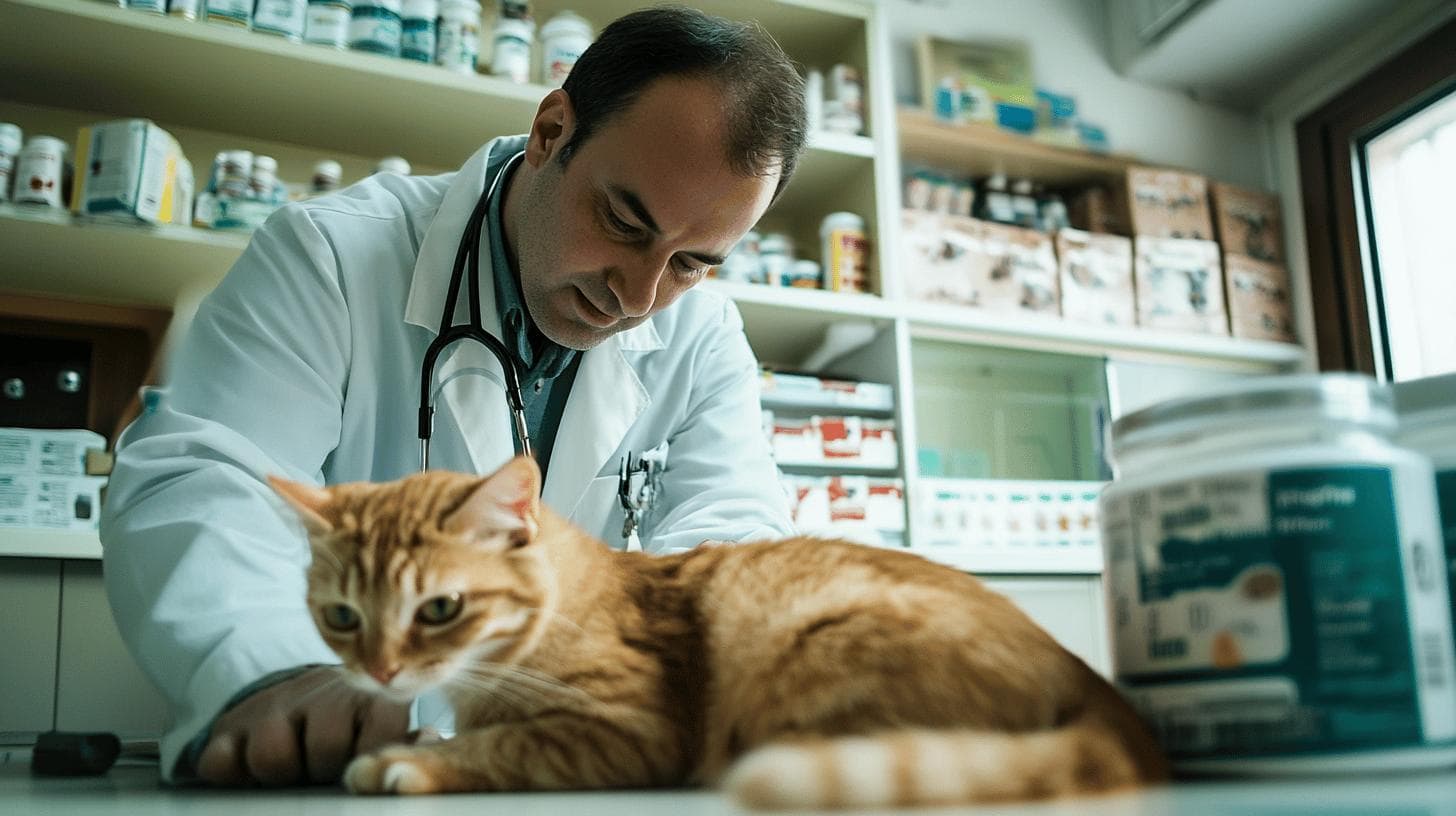
Can cats indulge in a bite of ham without worry? It's a common curiosity among cat lovers, but it's not a straightforward answer. Ham is tasty and might seem like a fun treat, yet it holds hidden risks. Sodium and fat content in ham pose serious health threats to our feline companions.
Before slipping that ham slice under the table, it's essential to weigh the benefits against potential harm. In this guide, I'll explain these risks and offer feeding guidelines to keep your cat safe and healthy.
Is Ham Safe for Cats? Health Implications and Guidelines
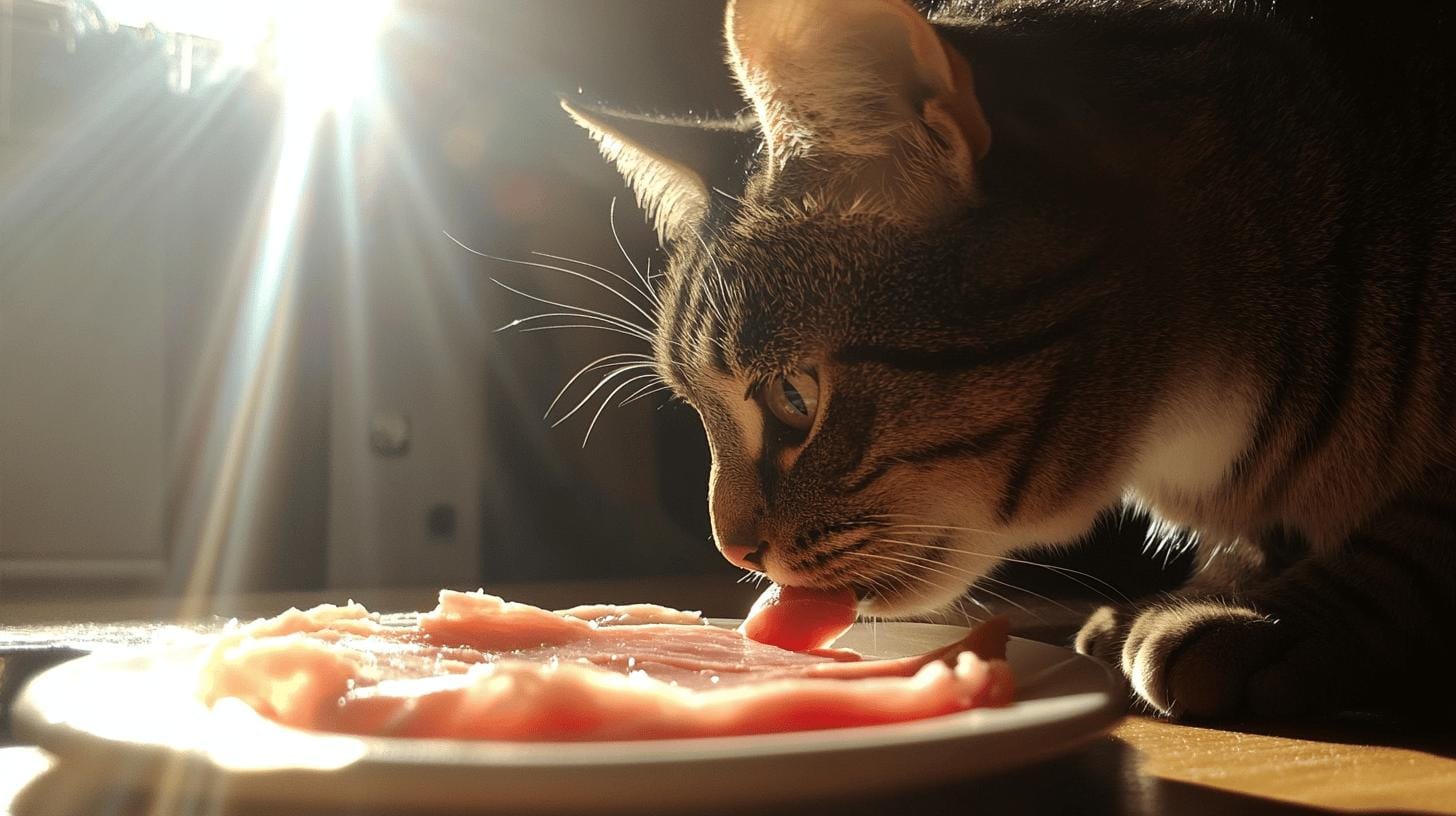
Cats can eat ham, but it should be approached with caution. While it might be tempting to share a slice with your feline friend, it's crucial to understand the potential health risks and nutritional value before making ham a part of their diet.
Ham does offer some nutritional benefits, such as protein, which is essential for cats. It also contains vitamins and minerals that contribute to their overall health. However, the high sodium and fat content in ham can be detrimental. Excessive sodium can lead to dehydration or even sodium poisoning, while excessive fat may contribute to obesity.
Processed hams, like those found in deli meats, often contain additives like sodium nitrate, artificial flavorings, and sugar. These can be harmful if consumed in large quantities. The preservatives and high sodium levels in processed hams are particularly concerning, as they can negatively affect a cat's health over time.
The high fat and calorie content in ham can lead to obesity and other health issues in cats. Cats are obligate carnivores, meaning their primary diet should consist of lean animal protein. Feeding them fatty meats, like ham, in large quantities can result in weight gain and related problems such as heart disease and joint issues.
When feeding ham to cats, moderation is key. It's best to offer it as an occasional treat rather than a regular part of their diet. Avoid raw ham, as it may contain harmful bacteria like Salmonella and E. coli, which can cause serious illnesses. A small, cooked piece of ham without any additives is preferable. Always ensure that the ham is plain and free from seasonings or sauces before sharing it with your cat.
Potential Health Issues:
- Obesity
- Heart disease
- Digestive upset
- Sodium poisoning
- Kidney problems
| Ham Type | Recommended Portion | Frequency |
|---|---|---|
| Cooked Ham (Plain) | 1 small piece | Occasional treat |
| Deli Ham | 1/2 slice | Rarely |
| Honey Roast Ham | 1 small piece | Rarely |
| Processed Ham | 1 small piece | Rarely |
| Raw Ham | None | Never |
Recognizing Symptoms of Ham Intolerance in Cats
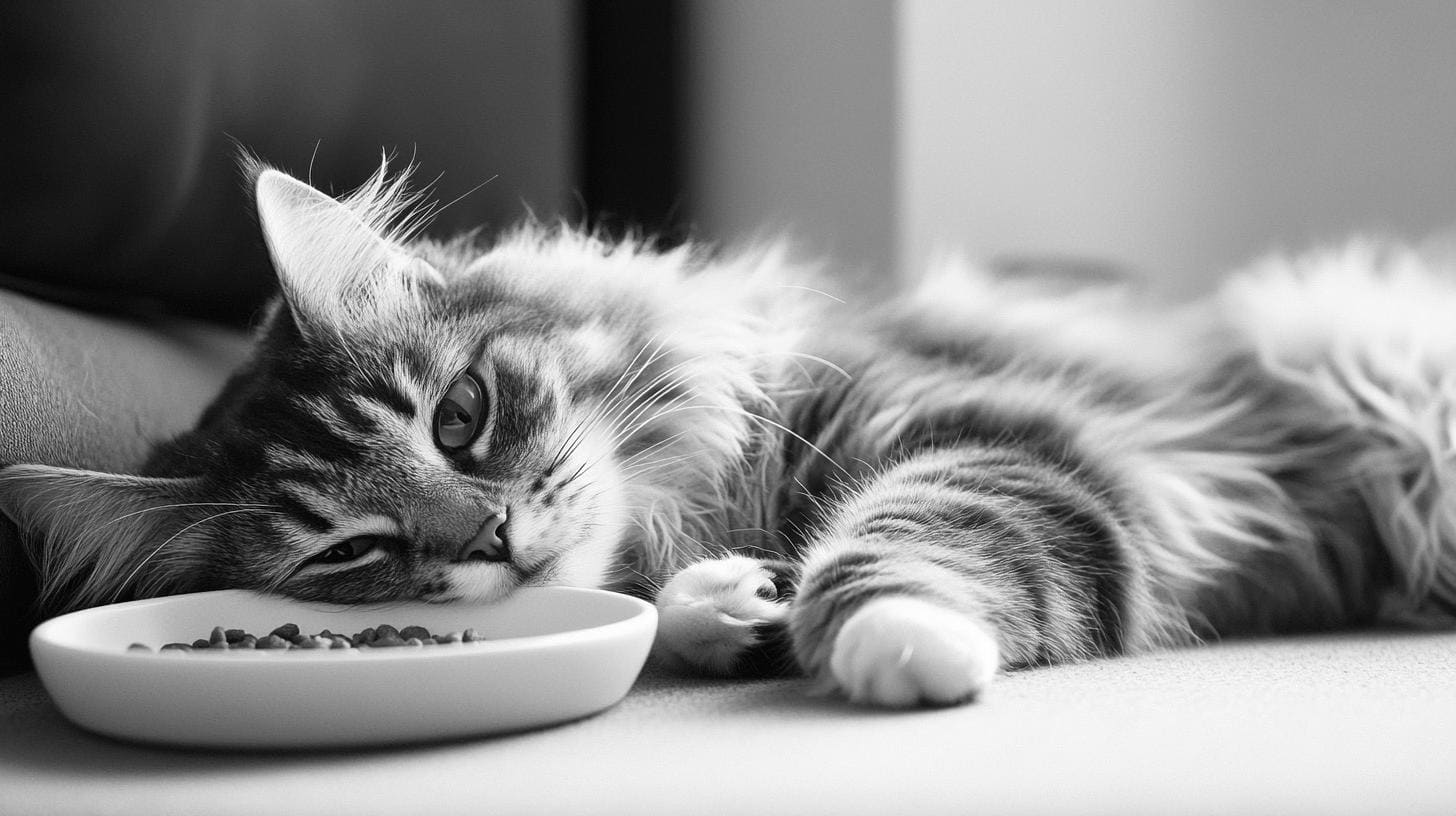
Cats can develop intolerance to ham, especially when consumed in excess. It's crucial to recognize the signs of overconsumption to prevent serious health issues. Common symptoms include vomiting and diarrhea, which indicate digestive upset.
Lethargy and increased thirst can also signal a problem, as they might point to dehydration or sodium poisoning. If your cat exhibits any of these symptoms after eating ham, it's important to consult a veterinarian promptly to address potential health risks and ensure your cat’s well-being.
- Vomiting
- Diarrhea
- Lethargy
- Increased thirst
Better Alternatives to Ham for Cat Treats
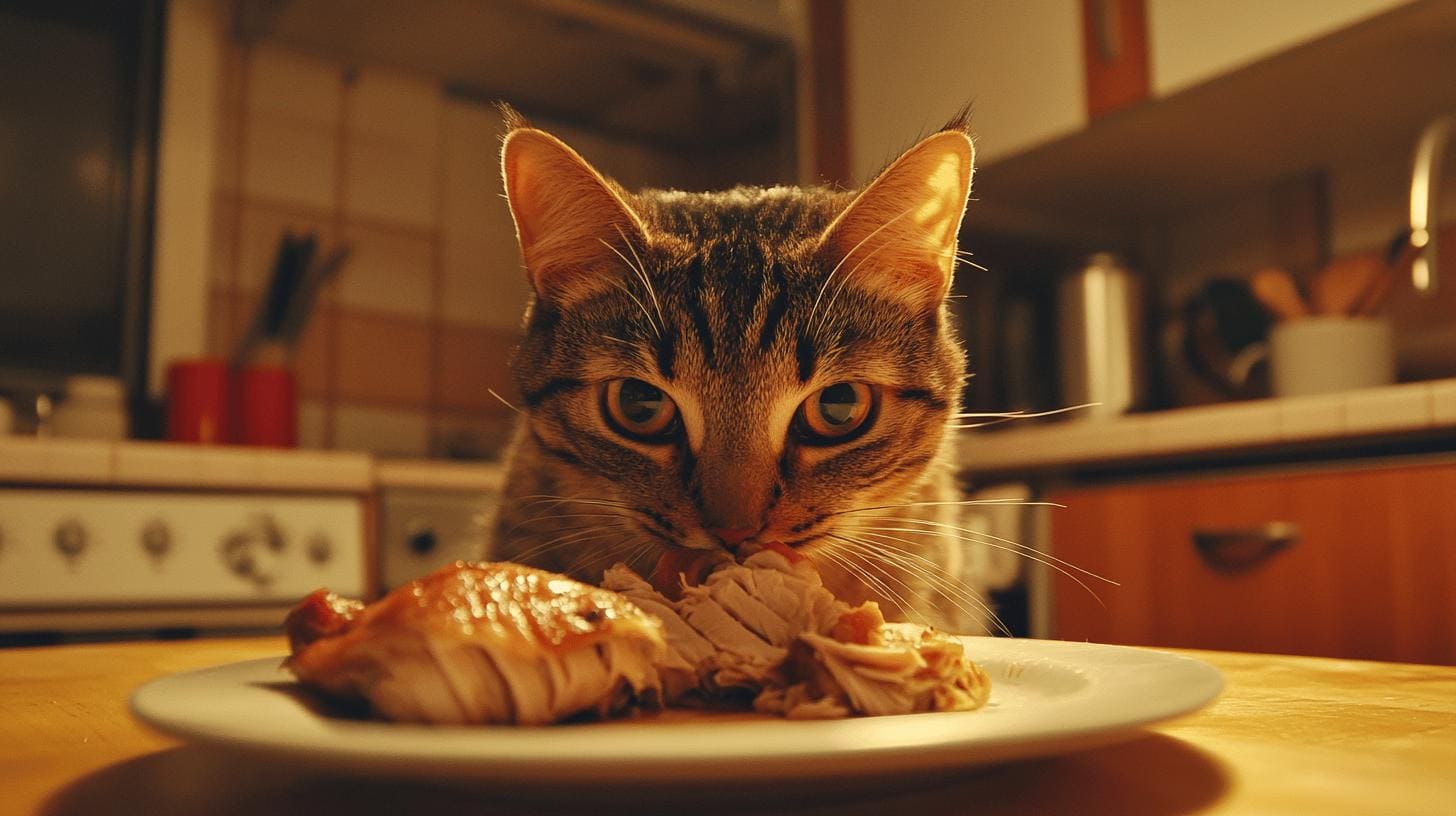
Choosing healthier alternatives to ham for cat treats is a wise decision for maintaining your pet's health. While ham might be a tempting option due to its protein content, it's high in sodium and fat, which can pose health risks.
Cats are obligate carnivores and thrive on diets rich in animal proteins without the added harmful ingredients found in many processed meats. By opting for healthier treats, you not only provide essential nutrients but also reduce the risk of obesity, digestive issues, and other health problems associated with high-fat and high-sodium foods.
Instead of ham, consider offering your cat a range of more suitable treats. Cooked chicken and turkey are excellent choices, providing lean protein that supports muscle health. Fish, such as salmon or tuna, can be given in moderation as they offer beneficial omega-3 fatty acids.
Additionally, there are numerous commercial cat treats specifically formulated to meet the nutritional needs of felines without the harmful additives. These options ensure that your cat enjoys a tasty snack while maintaining a balanced diet.
- Cooked chicken
- Cooked turkey
- Salmon
- Tuna
- Commercial cat treats
- Catnip toys