Is sharing a juicy peach with your cat safe, or could it lead to unexpected risks? While peaches are a delicious treat for humans, they pose potential dangers to cats. The flesh contains amygdalin, which can break down into harmful substances.
Worse yet, peach pits are full of cyanide, which is toxic to our furry companions. As curious creatures, cats might nibble on them without knowing the danger. Understanding these risks helps ensure the safety of your feline friend and maintains their well-being during play and exploration.
Can Cats Eat Peaches Safely and Risks Involved
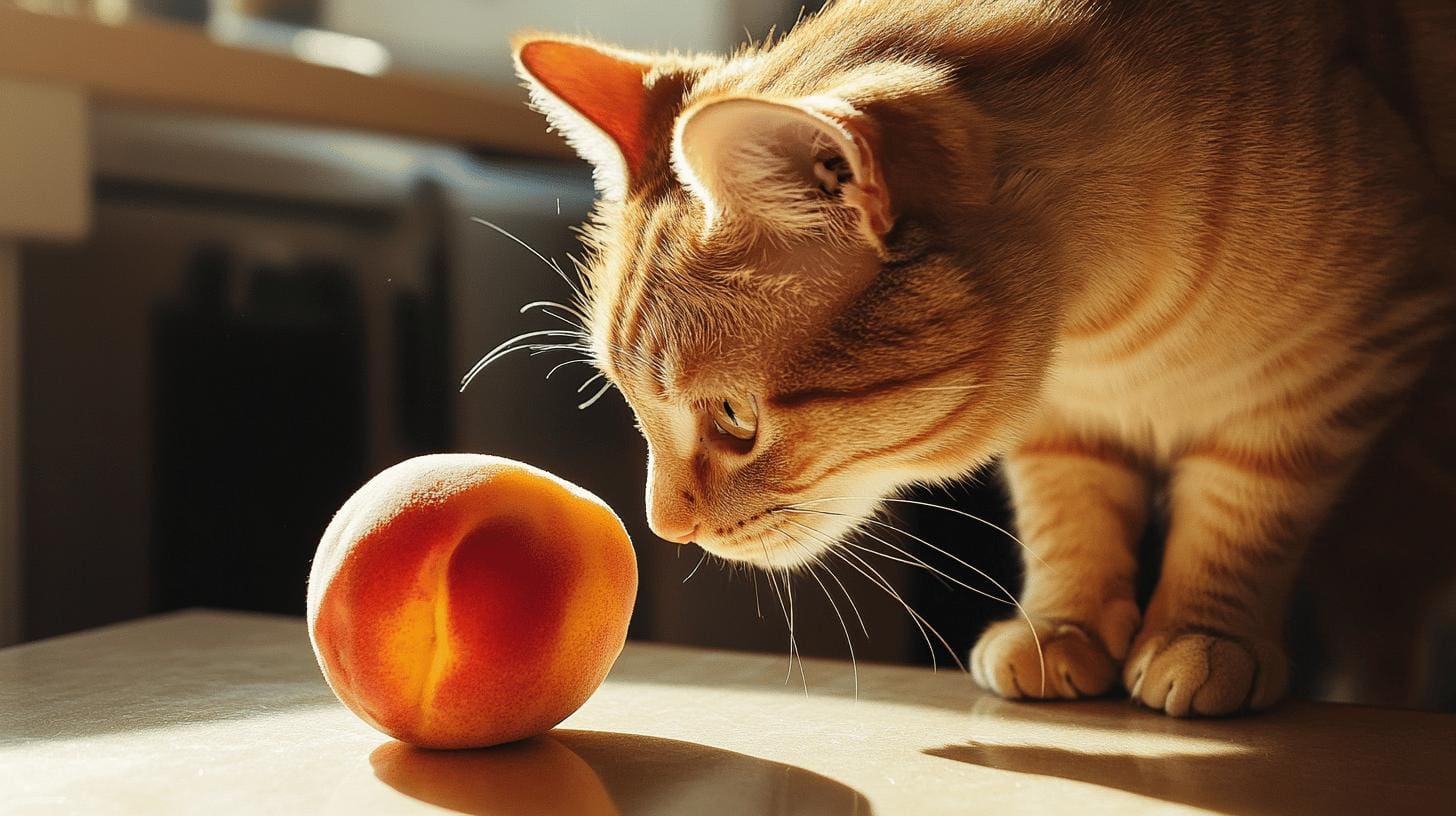
Peaches might seem like a harmless treat, but they can pose serious risks to our feline friends. Cats should not eat peaches because these fruits contain compounds that can be harmful. The pits or seeds of peaches are particularly dangerous as they contain cyanide, a toxic substance for cats.
Even the flesh of the peach, if consumed in large quantities, can lead to health concerns due to the presence of amygdalin, which breaks down into hydrogen cyanide. Given their curious nature, cats might be tempted to bite into the fruit or the pit, leading to potential poisoning.
The hazards of cat peach consumption extend beyond toxicity. Choking is another significant concern, especially with the pit, which can easily become lodged in a cat's throat.
Additionally, peaches offer no substantial nutritional benefits for cats, who are obligate carnivores and derive their nutrients primarily from meat. The sweet nature of the fruit may be appealing, but it doesn't fit into a cat's dietary needs and can disrupt their digestive system.
Symptoms of peach poisoning in cats can be alarming and require immediate attention. If a cat ingests parts of a peach, look out for the following signs:
-
Difficulty breathing
-
Vomiting
-
Diarrhea
-
Lethargy
-
Increased heart rate
Avoiding peaches is crucial for ensuring the safety and health of our cats. Even small bites can lead to severe reactions, making it essential to keep peaches and any peach-containing products out of their reach. If you suspect your cat has eaten part of a peach, monitor them closely for any symptoms of toxicity. Quick action can prevent more severe complications.
Monitoring cats for signs of ingestion is also vital. Cats often explore their environment using their mouths, which can lead them to chew on things they shouldn't. By keeping a close eye on them, especially in households where peaches are present, you can safeguard them from accidental consumption. Always consult with a veterinarian if there's any doubt about your cat's exposure to harmful foods.
Safe Fruit Alternatives for Cats
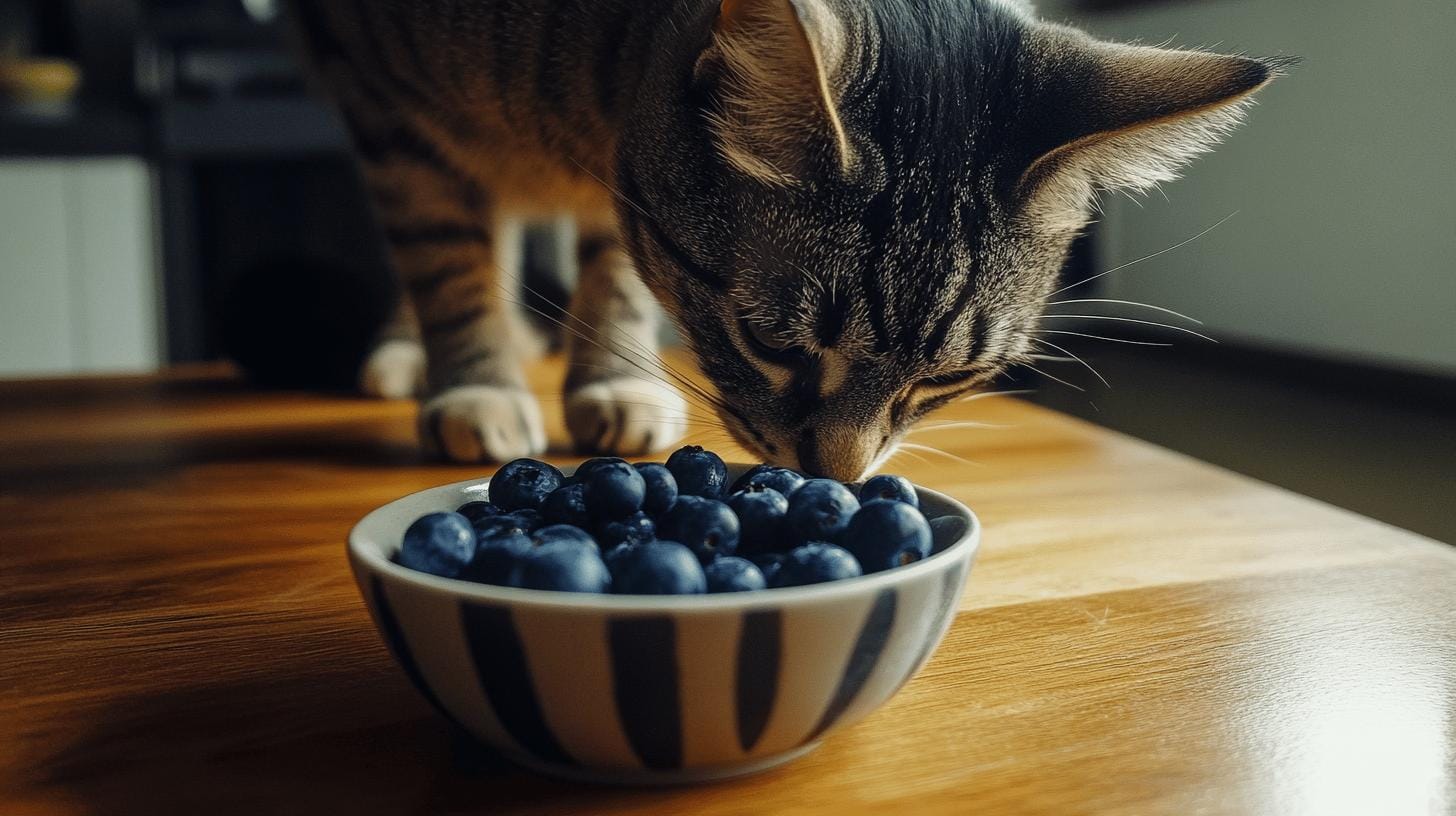
Choosing the right fruits for cats involves understanding their dietary needs. Cats are obligate carnivores, so their diet should mainly consist of meat-based proteins. Nonetheless, some fruits can be safely introduced as occasional treats. It's important to select fruits that don't pose any health risks.
While peaches are harmful due to their toxic compounds, fruits like blueberries can be a safe option. Blueberries are not only rich in antioxidants but also low in calories, making them a healthier choice for our feline companions. Always remember that some fruits are toxic to cats and should be avoided entirely.
Here are some fruits that are generally safe for cats:
-
Blueberries
-
Strawberries
-
Watermelon (seedless)
-
Cantaloupe
-
Bananas
Even with these safe options, moderation is key. Fruits should not make up a significant portion of a cat's diet.
Before introducing any new fruit, it's wise to consult a veterinarian to ensure it aligns with your cat's specific health needs. This helps prevent any allergic reactions or digestive issues, keeping your cat happy and healthy.