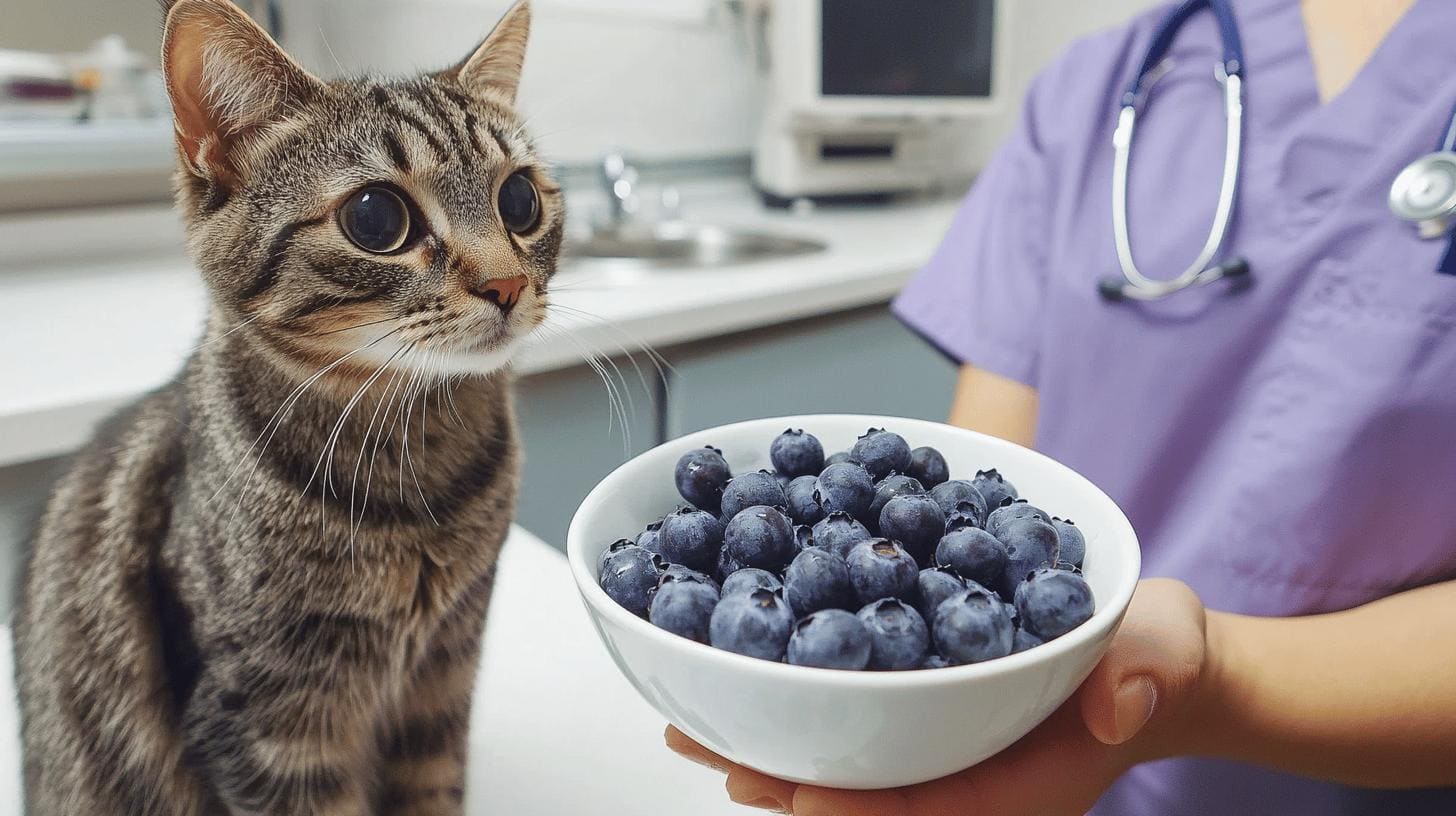
Can cats safely munch on blueberries, or should this "superfruit" remain a human treat? The answer might surprise you. While cats are natural carnivores, incorporating small, controlled portions of blueberries into their diet can offer some surprising health benefits.
Packed with antioxidants and nutrients, these berries can boost a cat's immune system and support healthy digestion—when given in moderation. But, as with any treat, there are risks to consider. Let's explore the benefits, potential risks, and tips for safely feeding blueberries to your feline friend.
Blueberries for Cats: Benefits and Risks
Blueberries are often hailed as a "superfood" because of their high levels of antioxidants, which help fight aging and reduce the risk of cancer. For cats, these small fruits offer a variety of health benefits. While cats are carnivorous and typically don't have a natural preference for sweet foods, blueberries can provide vital nutrients. They are packed with Vitamin C, Vitamin K, fiber, and manganese. These components can support a cat's immune system, maintain healthy digestion, and promote overall well-being.
Key Health Benefits of Blueberries for Cats:
- High in antioxidants
- Rich in Vitamin C
- Source of dietary fiber
- Contains Vitamin K
- Low in calories
Even though blueberries are beneficial, they should only be given to cats in moderation. Cats might experience digestive issues if they consume them in large quantities. Blueberries can cause gastrointestinal upsets like vomiting or diarrhea, especially if introduced too quickly or in excessive amounts. It's essential to limit blueberries to an occasional treat, ensuring that they do not become a significant part of your cat's diet.
Common Symptoms of Blueberry Allergies in Cats:
- Itching or skin irritation
- Vomiting
- Diarrhea
- Lethargy
When introducing blueberries to your cat's diet, it's crucial to monitor them for any adverse reactions. Start with a small portion and watch for any symptoms of discomfort or allergy. If your cat shows signs of digestive distress or allergic reactions, discontinue feeding them blueberries immediately. As a guideline, blueberries should not make up more than 10% of your cat's daily diet. Always observe your cat's behavior and health when trying out new foods, and consult with a veterinarian if you're uncertain about including blueberries in their diet.
Feeding Blueberries to Cats: Preparation and Portion Sizes
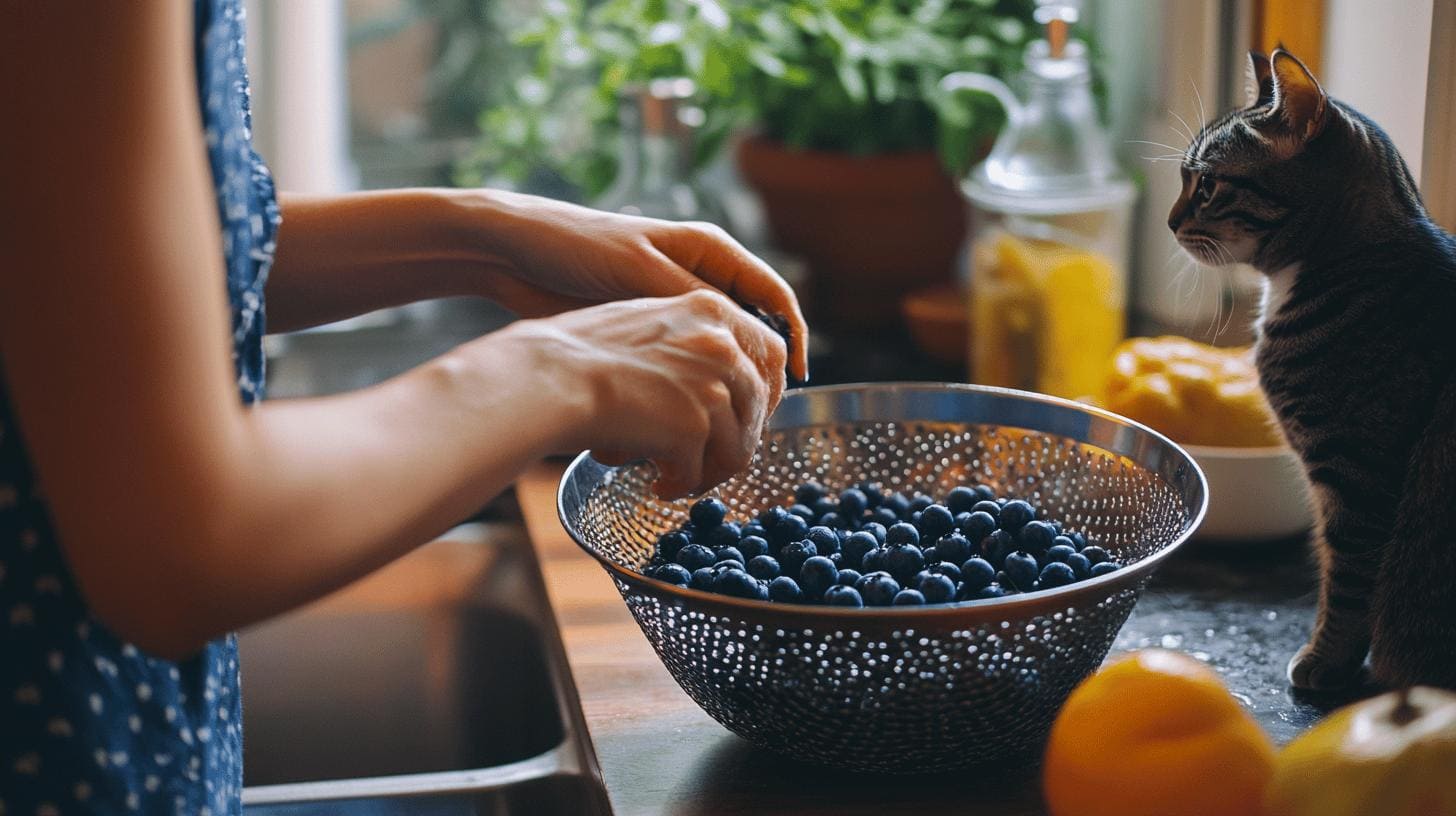
When preparing blueberries for your cat, it's crucial to ensure they are fresh and clean. Always wash the blueberries thoroughly to remove any pesticides or residues that might linger on their surface. This not only keeps your pet safe from harmful chemicals but also ensures they're getting the pure nutritional benefits of the fruit. You can offer blueberries whole or mash them and mix with your cat's regular food to add a new texture and flavor.
Steps to Introduce Blueberries to Your Cat's Diet:
- Wash blueberries thoroughly to remove any pesticides.
- Offer whole or mash and mix with regular cat food.
- Start with a small amount and monitor for reactions.
Portion control is key when feeding blueberries to cats. These fruits should not make up more than 10% of your cat's daily diet, as cats primarily need protein from meat. Starting with a small serving size, like one or two blueberries, allows your cat to safely experience this new treat without overwhelming their digestive system.
After feeding your cat blueberries, always observe their reaction. Look for any signs of discomfort, such as changes in appetite, vomiting, or diarrhea. If you notice any adverse reactions, stop feeding blueberries immediately and consult with a veterinarian if necessary. Adjust portions according to how your cat responds, ensuring their diet remains balanced and enjoyable.
Alternative Fruits for Cats
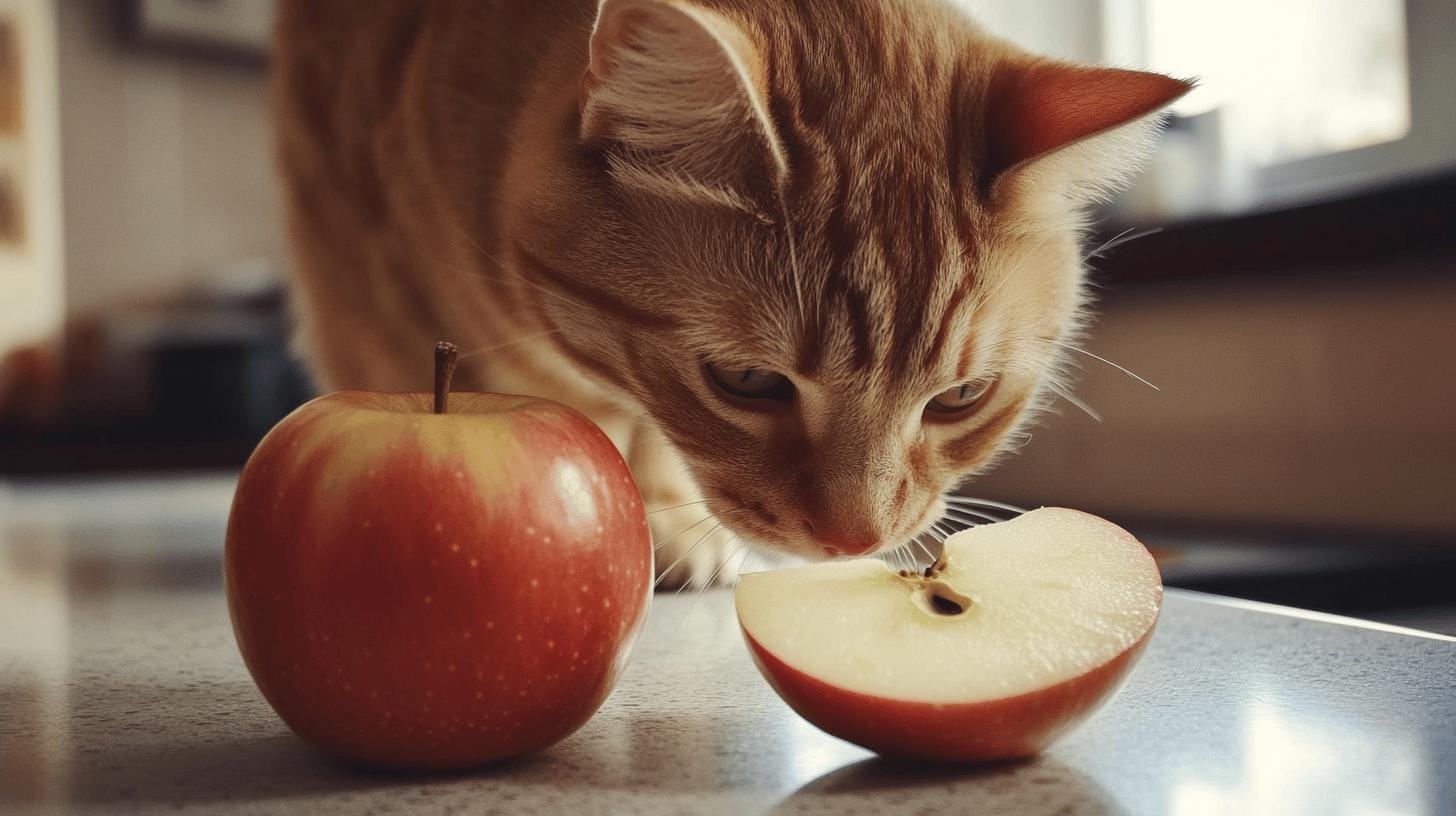
Adding variety to your cat's treats can be a great way to enhance their diet and provide them with different nutrients. While cats are primarily carnivores, some fruits can be included as occasional treats to offer a change of texture and taste. Fruits are generally low in sugar, making them a safe choice in small quantities. This can be especially helpful if your cat enjoys the occasional fruity snack and you're looking for alternatives to blueberries.
Safe fruits for cats include apples, bananas, and melons. These fruits, when offered in small portions, can provide essential vitamins and minerals without overwhelming your cat's digestive system. Always ensure to remove any seeds or pits, as these can be harmful.
| Fruit | Benefits |
|---|---|
| Apples | Rich in Vitamin C and fiber, supports digestion |
| Bananas | High in potassium, aids in heart health |
| Melons | Hydrating and low in calories |
| Pumpkin | Great source of fiber, helps with digestion |
Introducing these fruits into your cat's diet should be done with care. Start with small pieces and observe your cat for any reactions. It's crucial to watch for any signs of digestive upset or allergies. By doing so, you can adjust the serving size or discontinue a particular fruit if necessary. Always aim to keep these fruit treats as a minor part of their diet, ensuring that the primary focus remains on high-quality, protein-based nutrition.