Ever looked at your feline friend and wondered whether any room in your home is truly off-limits? While cats have a knack for invading every nook and cranny, there’s hope for keeping them out of those special spaces. Imagine teaching your curious kitty to stop in their tracks, sparing the family room or the nursery.
In this post, I’ll show you practical strategies, from simple door tricks to clever use of barriers and scents. With consistent effort, you can set those boundaries in a way your cat will understand and respect. Let’s get started!
Practical Strategies for Training a Cat Not to Enter a Room

- Keep the door closed
- Use secondary barriers like pet gates or curtains
- Apply scent deterrents safely
- Redirect attention with toys or treats
- Maintain consistent training routines
Closing the door is the simplest and most direct way to keep a cat out of a room. If a door isn’t available, secondary barriers like pet gates or curtains can be useful. These physical barriers work by creating a boundary that the cat cannot easily bypass. Scent deterrents can also be effective.
Cats are highly sensitive to smells, and certain scents can make a room less appealing. Understanding your cat’s behavior is crucial for success. Cats are naturally curious, so identifying why they want to enter a room—like the sounds, smells, or activity—can help you address the root of the issue.
Consistency is key in training. Once a method is chosen, it should be applied consistently to avoid confusing your cat. If you decide a room is off-limits, it should always be off-limits. This helps cats learn boundaries faster. Consistency also applies to everyone in the household; all members should follow the same rules to ensure the cat doesn’t receive mixed signals. Over time, with patience and persistence, your cat will learn to respect the boundaries you’ve set.
Creating Physical Barriers to Prevent Room Entry
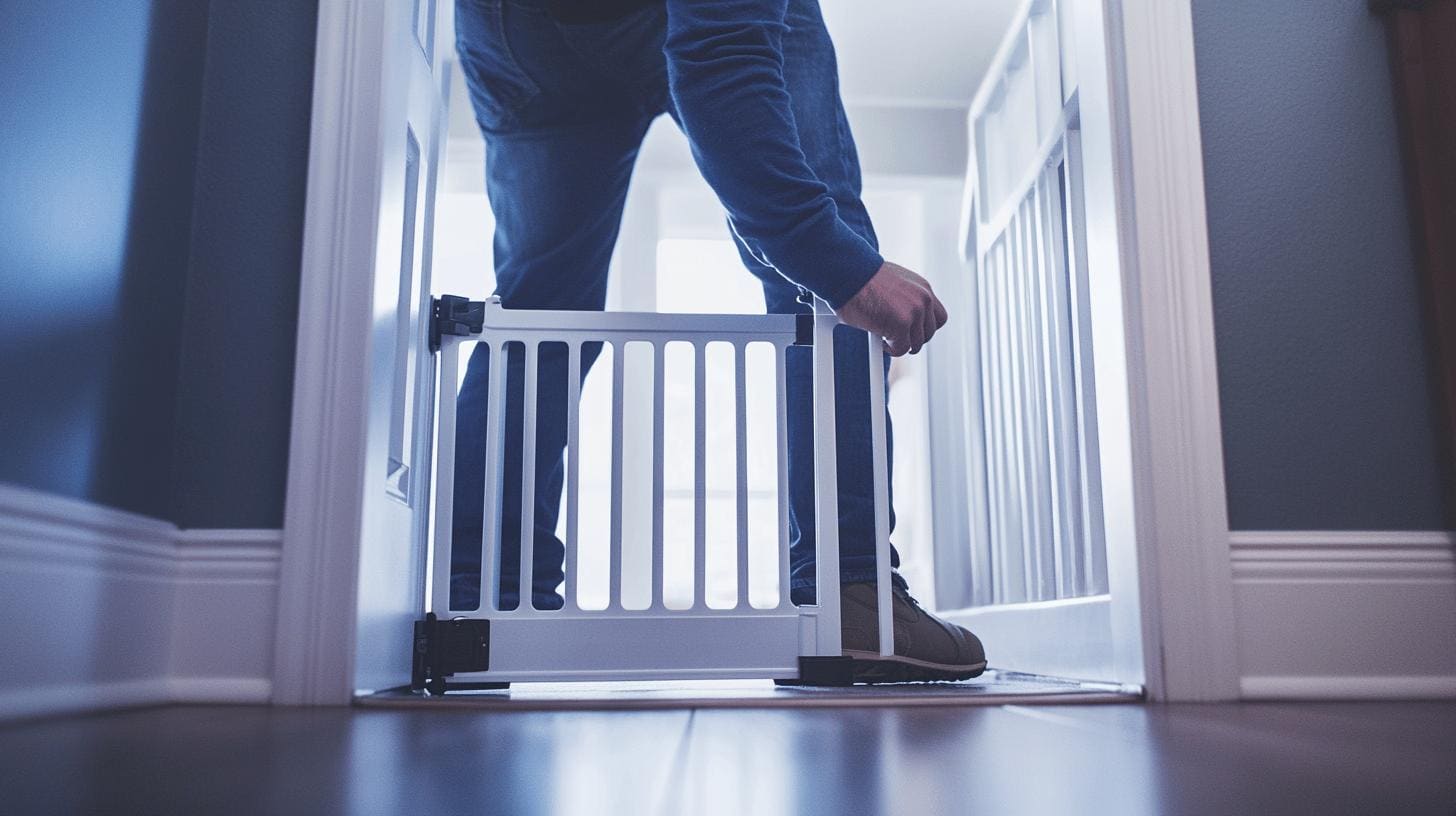
Creating physical barriers can effectively prevent your cat from entering certain rooms. Pet gates are a versatile solution, easily adjustable for different spaces. They’re perfect for areas without doors, allowing airflow and light while keeping cats out. However, they may not work for climbing cats. Curtains are another option but are less robust as determined cats might pull them aside. They work best in low-traffic areas or when combined with other deterrents.
Here’s a quick reference guide for setting up these barriers:
| Barrier Type | Pros | Cons | Best Used For |
|---|---|---|---|
| Pet Gate | Adjustable, sturdy, allows visibility | Not suitable for climbing cats | Doorless rooms |
| Curtain | Easy to install, flexible | Less effective for determined cats | Low-traffic areas |
| Furniture Arrangement | Cost-effective, uses existing items | May disrupt room aesthetics | Temporary solutions |
By understanding the pros and cons of each barrier type, you can choose the most effective method for your cat’s behavior and room setup. These barriers are practical tools in boundary setting for pets, defining specific areas your cat can and cannot explore.
Using Deterrents and Repellents Safely
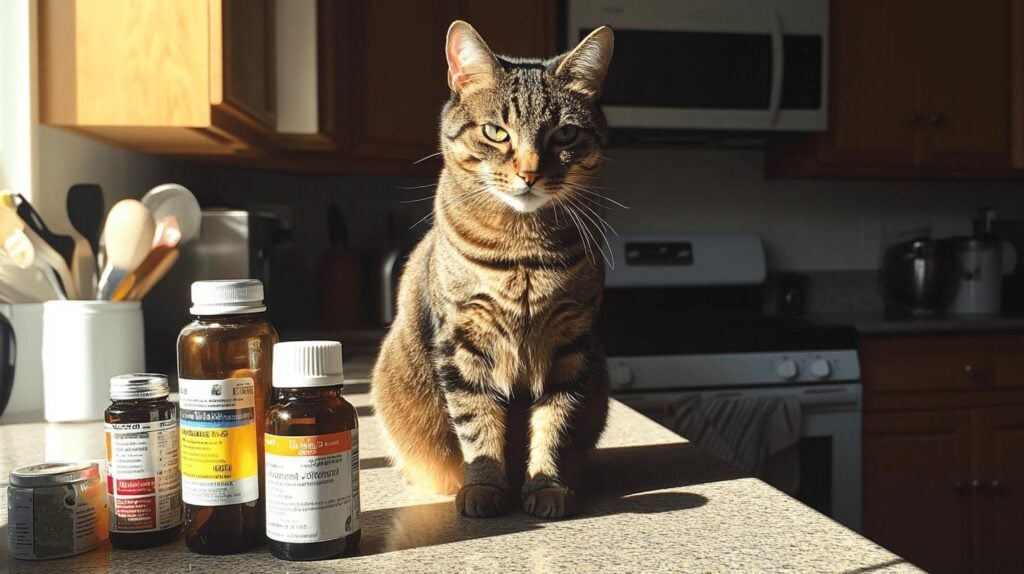
Scent deterrents are a gentle strategy to keep cats from entering certain rooms. Safe, natural options like mint, vinegar, and citrus can make areas less appealing due to their sensitive sense of smell. Avoid using essential oils or harsh chemicals that could be harmful. Focus on non-toxic, pet-friendly substances to ensure your cat’s safety.
- Mint
- Vinegar
- Citrus
- Lavender
- Rosemary
Consistency is crucial when applying these methods. Place cotton balls soaked in these scents near doorways. Reapply frequently for persistent cats to maintain effectiveness. Monitor your cat’s reaction to ensure they aren’t stressed. These non-violent deterrents help train your cat to avoid specific rooms gently.