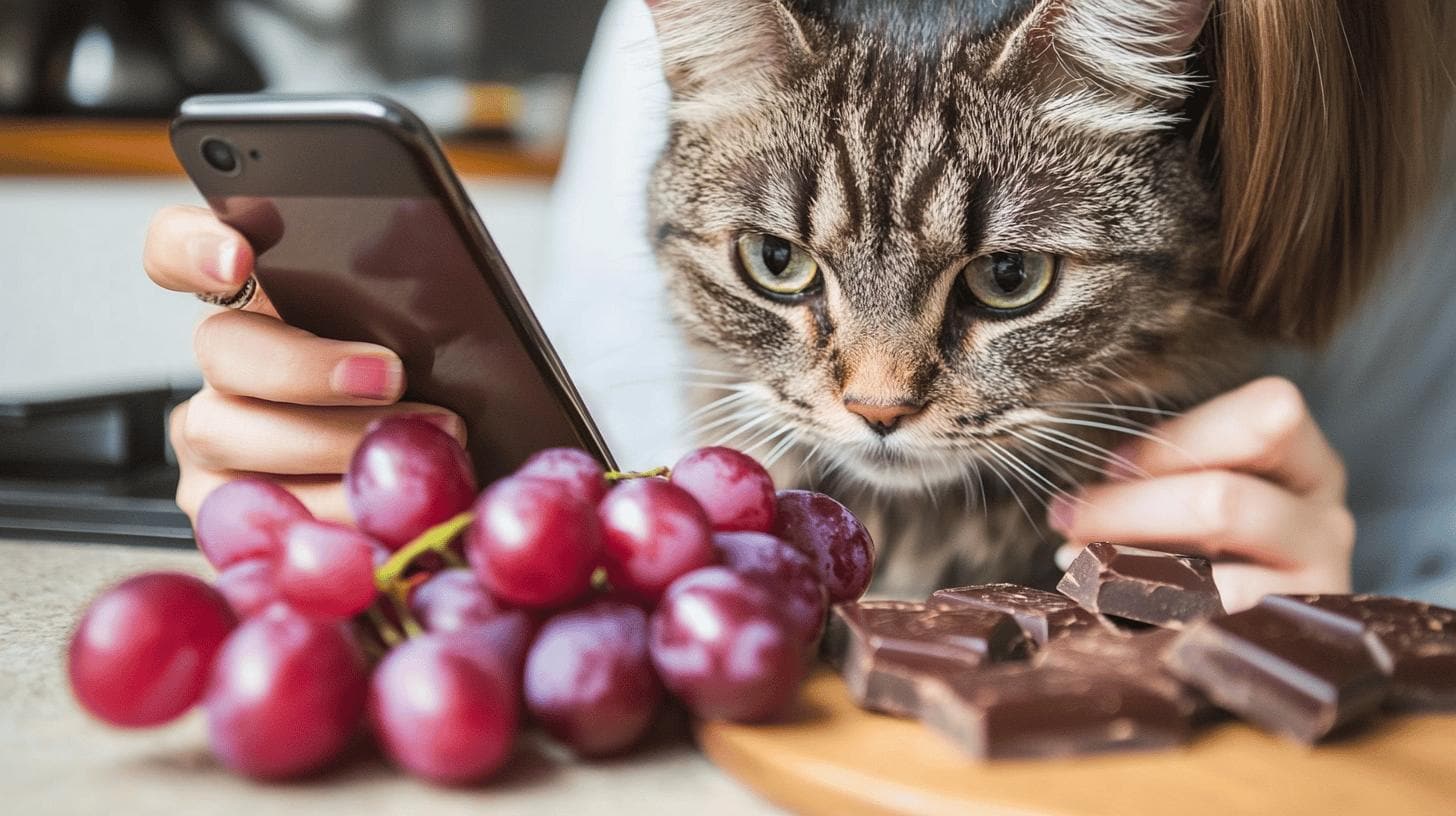
Can cats enjoy a bowl of jello with you? It might sound fun, but let's talk risks before sharing. Cats are carnivores and need meat-based diets, not sugar-filled treats. Offering jello isn’t just about spoiling their taste buds; it can pose serious health risks. From upset stomachs to dangerous ingredients like xylitol, the dangers are real. But don’t worry—there are safe alternatives your furry friend will love. So, let's explore why jello should stay off your cat’s menu and what treats will keep them happy and healthy.
Can Cats Eat Jello? Risks and Ingredients to Avoid
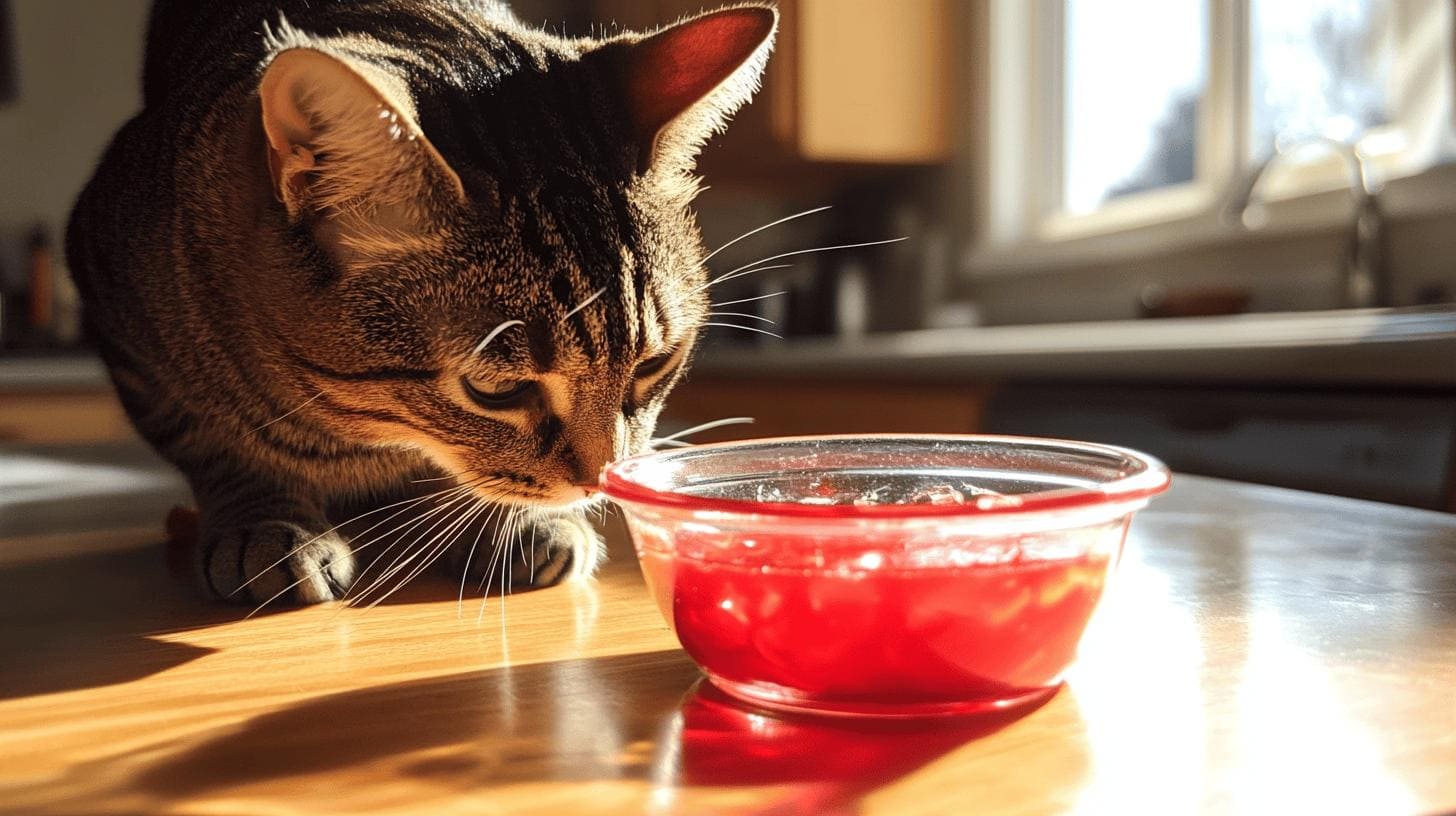
Jello is not suitable for cats. While an occasional lick or bite might not cause harm, making Jello a regular part of their diet is inadvisable. Cats are obligate carnivores, meaning their diet should primarily consist of meat. Jello doesn't align with their nutritional needs and could lead to health issues.
Cats require a diet rich in proteins and fats derived from animal sources. Their digestive systems are not equipped to handle the sugars and artificial ingredients commonly found in Jello. Feeding Jello to cats can introduce unnecessary risks to their health and well-being.
Here are some potential risks and health effects of feeding Jello to cats:
- Upset stomach
- Digestive issues
- Potential for harmful ingredient consumption
- Lack of nutritional value
- Risk of developing unhealthy eating habits
Jello often contains sugar and, in some cases, artificial sweeteners. Sugar can lead to obesity and diabetes in cats, while artificial sweeteners like xylitol are highly toxic. Even small amounts can cause severe health problems. Preservatives and coloring agents in Jello might also induce allergic reactions or digestive upset.
| Ingredient | Potential Harm |
|---|---|
| Sugar | Can lead to obesity and diabetes |
| Artificial Sweeteners | Toxicity risk, especially xylitol |
| Preservatives | Potential for allergic reactions |
| Coloring Agents | Possible digestive upset |
Understanding these risks helps in making informed decisions about what treats are safe for your feline friend. Always prioritize feeding your cat foods that align with their natural dietary needs.
Safer Alternatives to Jello for Cats
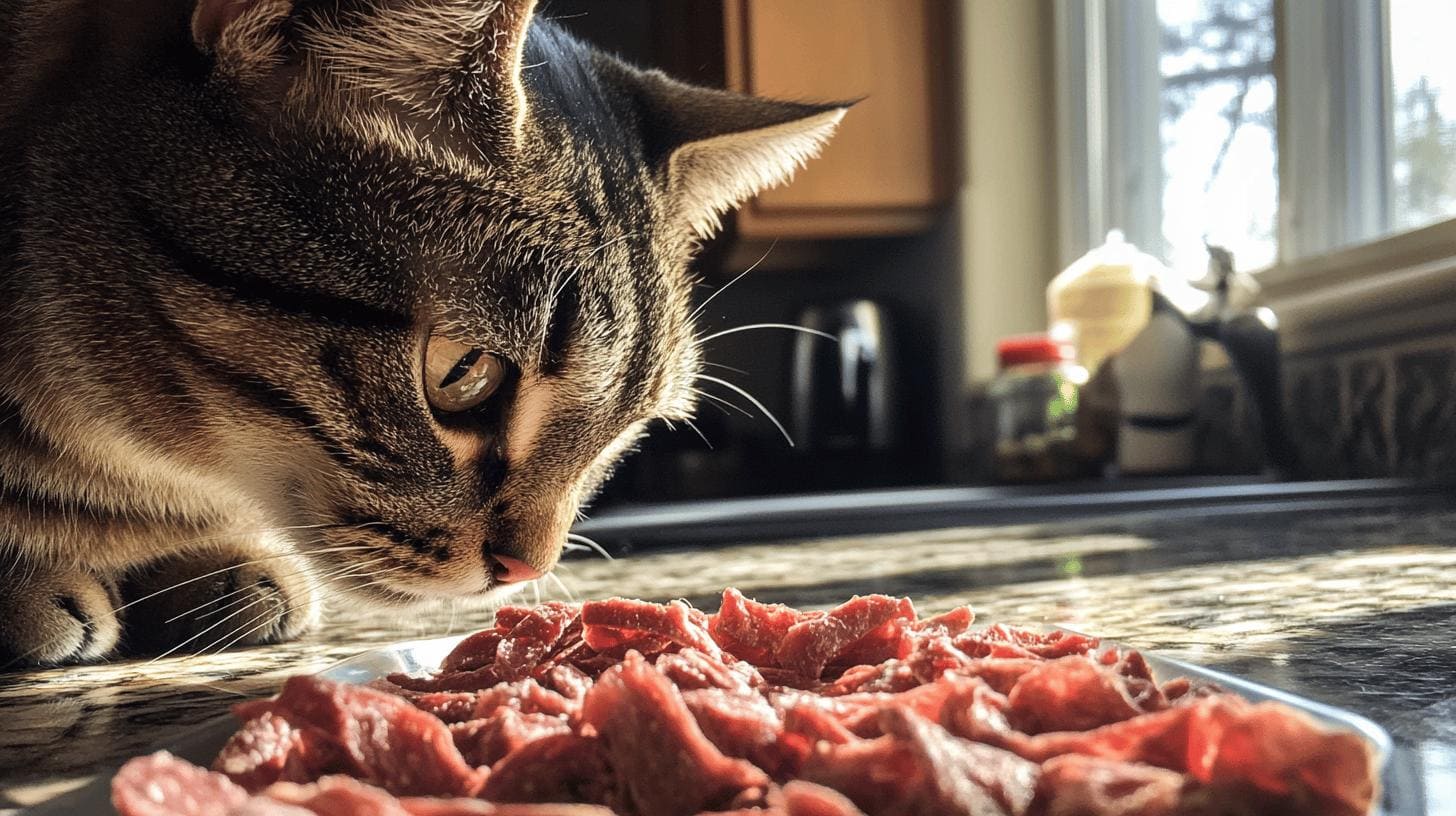
Offering cats the right treats is key to supporting their health and happiness. Instead of Jello, which doesn't align with a cat's dietary needs, consider treats that provide nutritional benefits. Cats thrive on foods that supply them with essential nutrients found in animal proteins and fats. Many commercial cat treats are formulated to meet these needs, providing both nutrition and enjoyment without the risks associated with human foods like Jello.
Benefits of Plain Meat-Based Gelatin
Plain meat-based gelatin is a great alternative for cats. It's packed with amino acids that can benefit your cat's joints, skin, fur, and teeth. Gelatin is derived from animal collagen, making it a safe option when it's free from additives, sugars, or artificial sweeteners. Including plain meat-based gelatin in your cat's diet can be a tasty way to enhance their overall health and well-being.
Here are some safe and nutritious cat treats that you can offer:
- Freeze-dried meat treats
- Cooked chicken or turkey bits
- Catnip-infused toys
- Salmon-flavored snacks
- Homemade tuna treats
Creating homemade treats is another fun and rewarding way to provide your cat with safe, nutritious snacks. Homemade options allow you to control the ingredients, ensuring that your feline friend receives only the best. This way, you can avoid harmful additives and tailor the flavors to what your cat loves most. Keep in mind that moderation is key, even with healthy treats, to maintain a balanced diet.