
Ever wondered if you could share your bitter gourd with your cat? While it might seem harmless, bitter gourd isn't an ideal snack for our feline friends. Though it's not toxic, cats may struggle with its unpleasant taste and potential digestive upset. Cats are true carnivores, depending on a meat-rich diet for health. So, while humans might benefit from this veggie's nutrients, cats don't need them. Understanding why bitter gourd doesn't belong in their diet can help keep your cat safe and nourished.
Can Cats Eat Bitter Gourd? Understanding Safety and Nutritional Impact
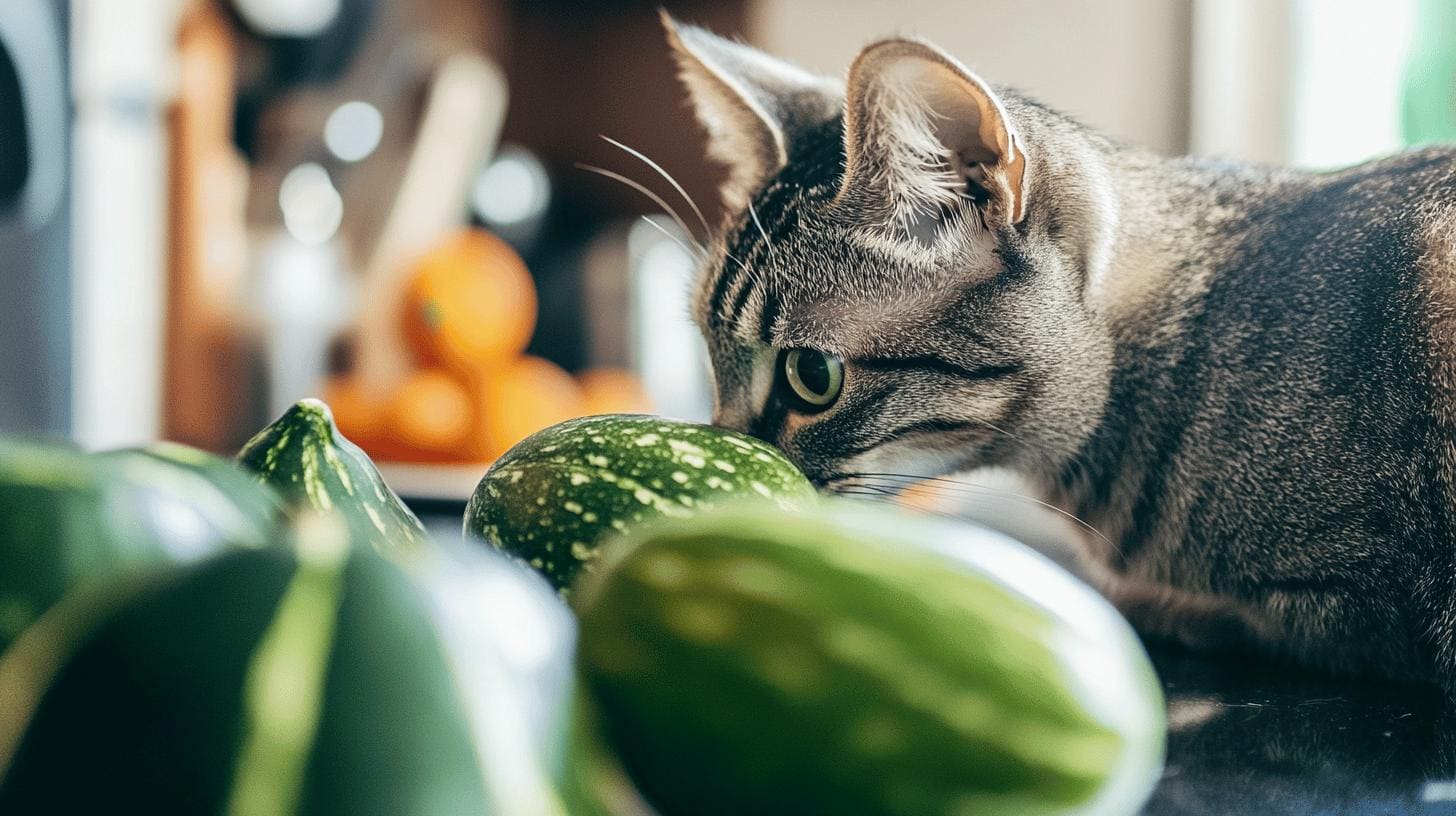
Bitter gourd, also known as bitter melon, is a unique vegetable recognized for its distinct bitter flavor. Though not toxic to cats, it's not recommended as part of their diet. The bitterness can be off-putting, and its consumption might lead to digestive discomfort in felines. While the vegetable is safe in terms of toxicity, its unpalatable taste and potential for causing mild digestive issues make it unsuitable for our furry friends.
Cats are obligate carnivores, which means their diet should be primarily meat-based. This dietary requirement ensures they receive vital nutrients such as taurine, which is essential for their health. While bitter gourd does contain some nutritional benefits for humans, like vitamins and minerals, these are unnecessary for cats. A balanced diet of quality cat food already provides everything they need. Including non-meat items like bitter gourd may disrupt their digestive system and nutritional balance.
If a cat happens to nibble on bitter gourd, it might face mild symptoms such as:
- Vomiting
- Diarrhea
- Lethargy
Let's take a closer look at the nutritional makeup of bitter gourd compared to typical cat food:
| Nutrient | Bitter Gourd | Cat Food |
|---|---|---|
| Protein | Low | High |
| Fiber | Moderate | Low |
| Vitamin C | Present | Not Required |
| Taurine | Absent | Essential |
Monitoring your cat for any adverse reactions is crucial if it consumes bitter gourd. Symptoms like vomiting or diarrhea should be addressed promptly. If these occur, consulting a veterinarian is advised to ensure your pet's health and well-being. Ensuring a balanced diet tailored to your cat's carnivorous nature will keep them happy and healthy.
Safe Vegetables and Alternatives for Cats
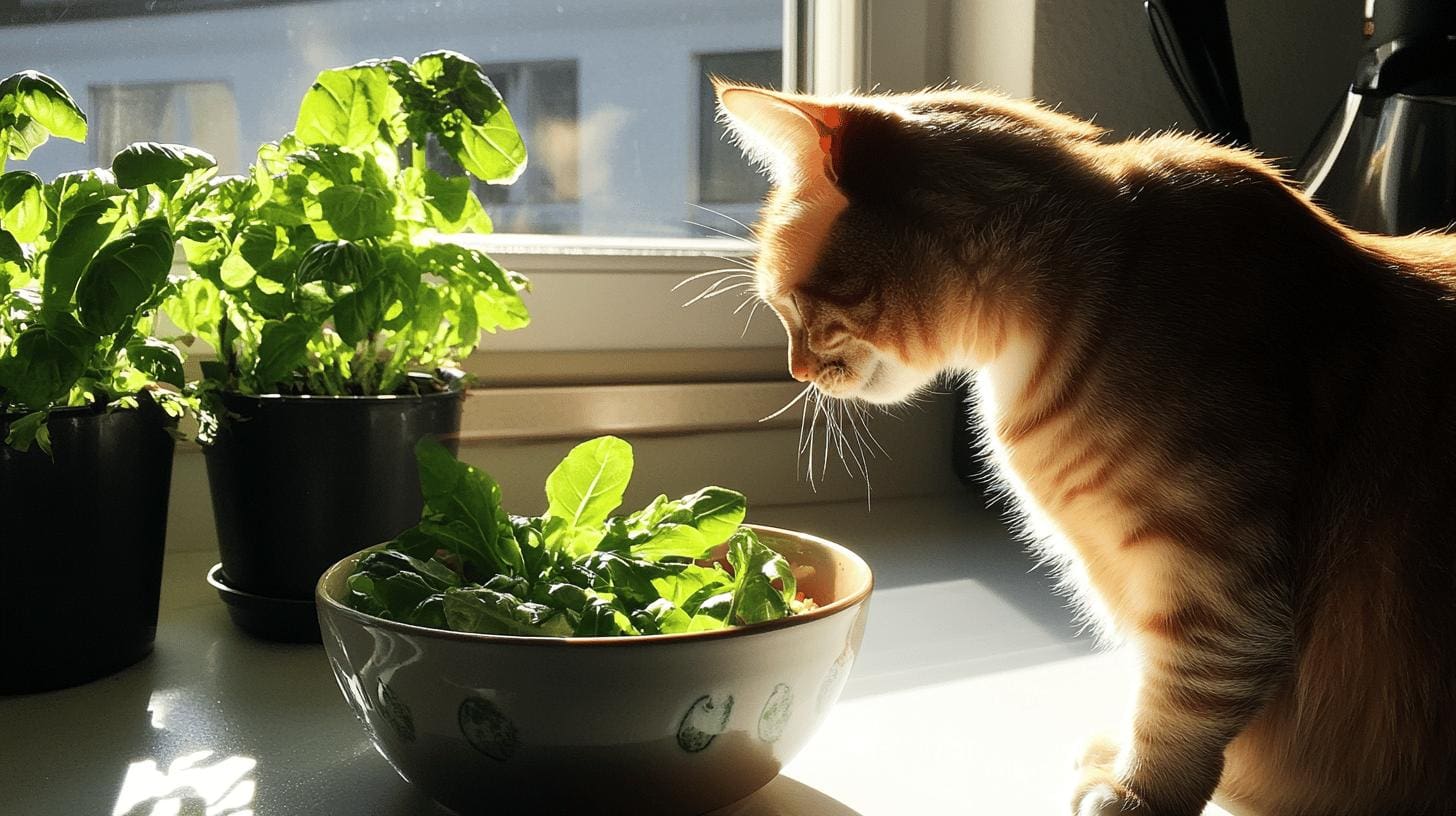
When it comes to treating our feline friends with a taste of human food, it's crucial to choose options that align with their dietary needs. Cats are obligate carnivores, so their primary nutrition must come from meat. However, there are safe alternatives and snacks that can be offered occasionally. These human foods can add variety to their diet without compromising their health.
Safe options for cats:
- Cooked chicken
- Cooked turkey
- Cooked fish
- Melon (in moderation)
- Small amounts of specific vegetables
Feeding cats these alternatives can provide them with extra nutrients and fiber. For example, cooked chicken, turkey, and fish are high in protein, which is vital for a cat's muscle development and energy. Melon, though lacking sweet taste buds, can be appealing to cats due to its scent and offers hydration and vitamins like A and C. Certain vegetables, when cooked and given in small amounts, can supplement fiber in their diet, aiding digestion.
When introducing any new food to your cat, it's important to do so gradually. Start with small portions to see how your cat reacts. Moderation is key; too much of even a safe food can lead to digestive upset. Always observe your cat for any adverse reactions and consult with a veterinarian if you have concerns about their diet. By carefully selecting and moderating these snacks, you can enrich your pet's diet while keeping them safe and satisfied.
Expert Recommendations on Cat Diet and Non-Meat Foods

Veterinarians stress that cats need a meat-based diet for optimal health. As obligate carnivores, they depend on animal proteins for vital nutrients like taurine. A diet rich in high-quality cat food delivers the essential proteins, fats, and vitamins needed. For any changes in their diet, it's crucial to talk with a veterinarian. Their expert advice can be tailored to your cat's specific dietary needs.
While bitter gourd isn't toxic to cats, it can cause digestive upset and offers no nutritional benefits. Some cat owners mistakenly believe certain non-meat foods are safe, but these can disrupt a cat's nutritional balance. Always seek a vet's guidance before adding any new foods to your cat's diet. This ensures your furry friend maintains a diet that supports their natural carnivorous habits.