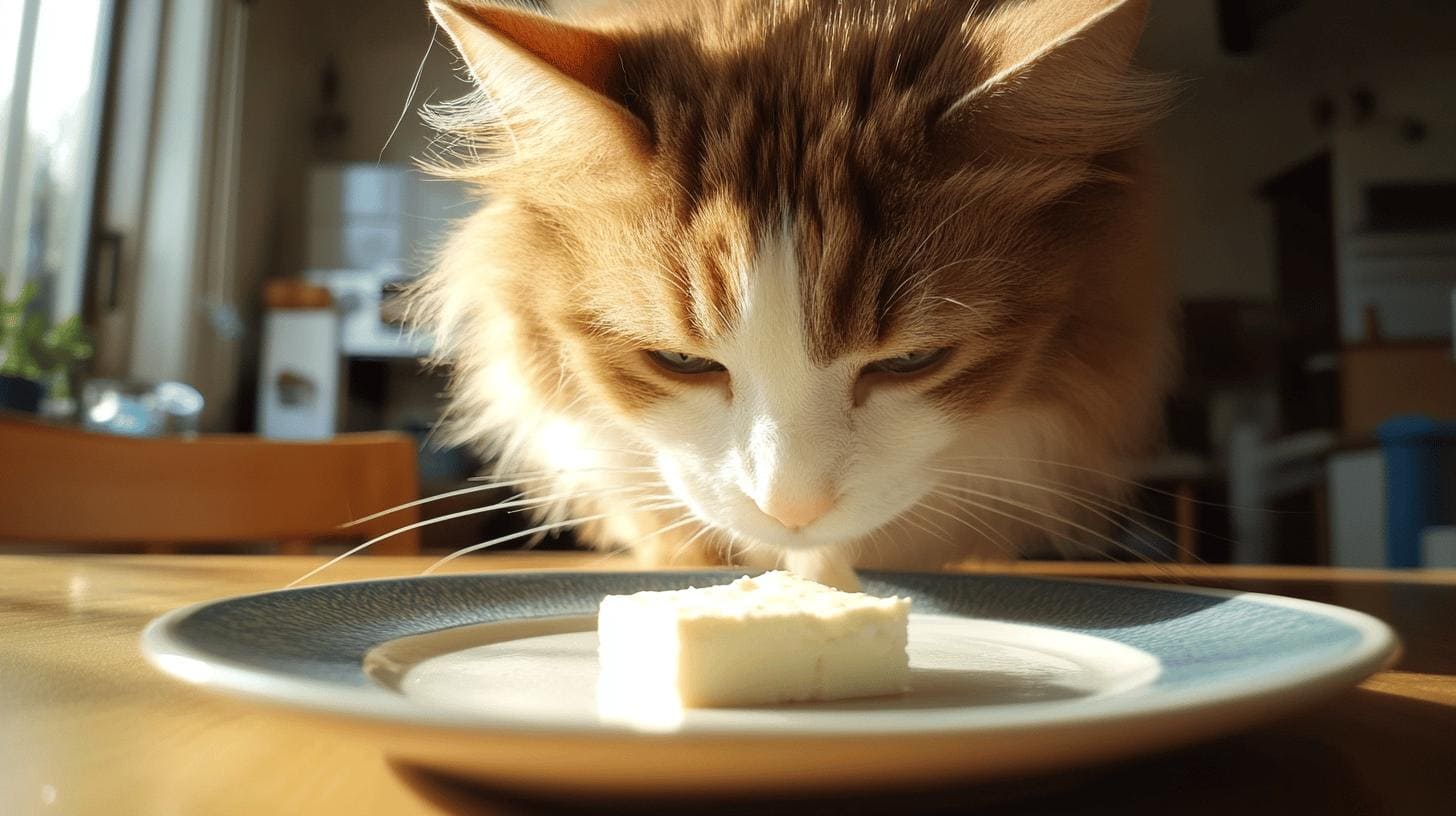
Can cats enjoy a slice of paneer, or does it spell trouble for their tiny tummies? It's a question many cat lovers ponder. Paneer, a tasty cheese loaded with protein, might seem like a good snack. But for our furry friends, it’s not that simple. Cats are obligate carnivores, meaning meat is their main squeeze. While a little nibble of paneer might be okay, it's important to know the facts and risks. In this blog, we'll explore if paneer can fit safely and moderately into your feline's diet.
Can Cats Safely Eat Paneer?
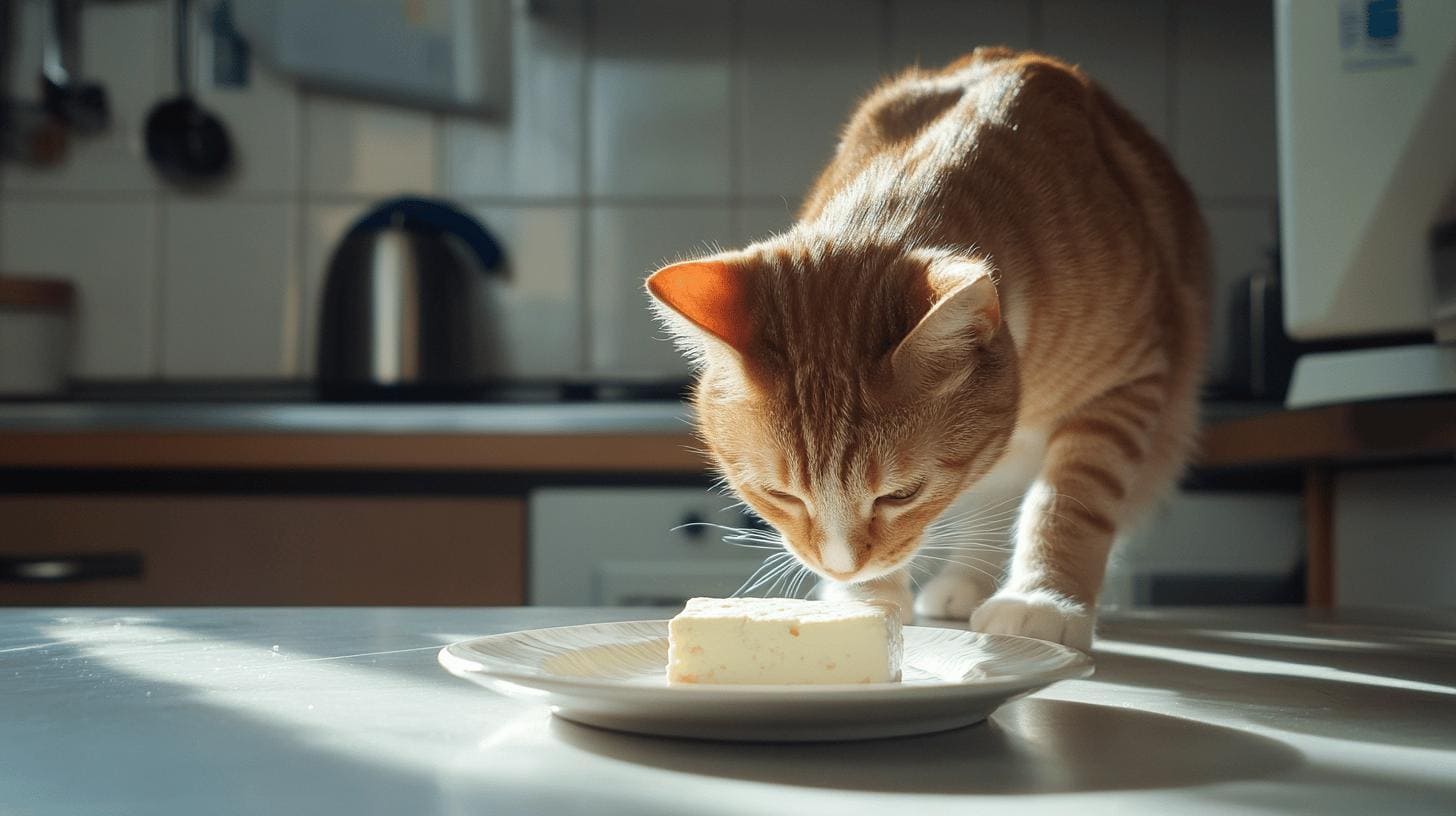
When it comes to feeding cats paneer, it's crucial to proceed with caution. Paneer, while appealing due to its protein content, does not provide the full range of nutrients cats require. Cats are obligate carnivores, meaning their diet should primarily consist of meat. Paneer, a dairy product, can be offered occasionally but should not become a staple in their diet.
Paneer is rich in protein and fat, which might seem beneficial at first glance. However, it lacks essential nutrients like taurine, which are vital for a cat's health. Taurine is an amino acid necessary for maintaining vision, heart function, and overall well-being in cats. Without it, they can suffer from severe health issues. While paneer can supply some protein, it shouldn't replace the comprehensive nutrition found in a balanced, meat-based diet.
Cats can be lactose intolerant, leading to potential digestive problems if they consume dairy products like paneer. Symptoms of lactose intolerance include diarrhea, stomach upset, and gas. Given these risks, paneer should only be an occasional treat. Always consult a veterinarian before adding paneer or any new food to your cat's diet. This will help ensure it aligns with their dietary needs and doesn't cause any health issues.
Understanding Lactose Intolerance in Cats and Monitoring Tips
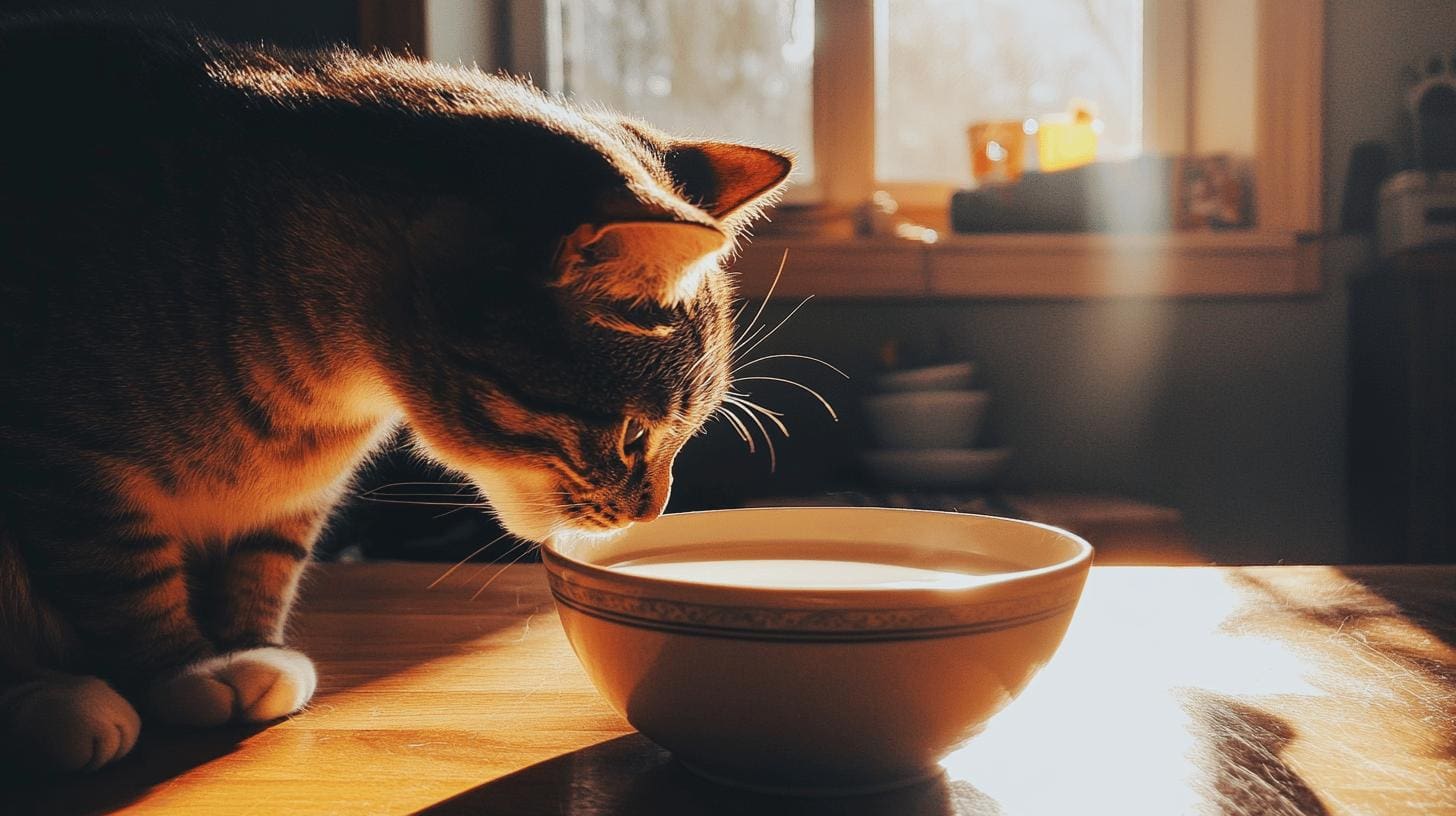
Many cats are lactose intolerant, producing lower levels of lactase, the enzyme needed to digest lactose found in milk and dairy like paneer. As obligate carnivores, cats naturally thrive on meat-focused diets. Introducing lactose-containing foods can cause digestive issues. When cats consume dairy, undigested lactose ferments in their digestive tract, leading to discomfort or more severe gastrointestinal problems.
The effects of dairy on cats manifest through symptoms like diarrhea, gas, vomiting, and loose stools. These signs indicate that the cat's digestive system is struggling with lactose. Monitoring these symptoms is crucial. Keeping a detailed food diary can help track what your cat eats and its reactions. This record will be invaluable for consultations with a veterinarian.
Signs of Lactose Intolerance in Cats
- Diarrhea
- Gas
- Vomiting
- Loose stools
Observing changes in your cat's behavior or energy levels after consuming dairy is essential. Adjusting your cat’s diet based on these observations ensures their well-being. While some cats might tolerate a small piece of paneer, understanding individual tolerance levels is crucial. Always consult a veterinarian before introducing new foods into your cat's diet.