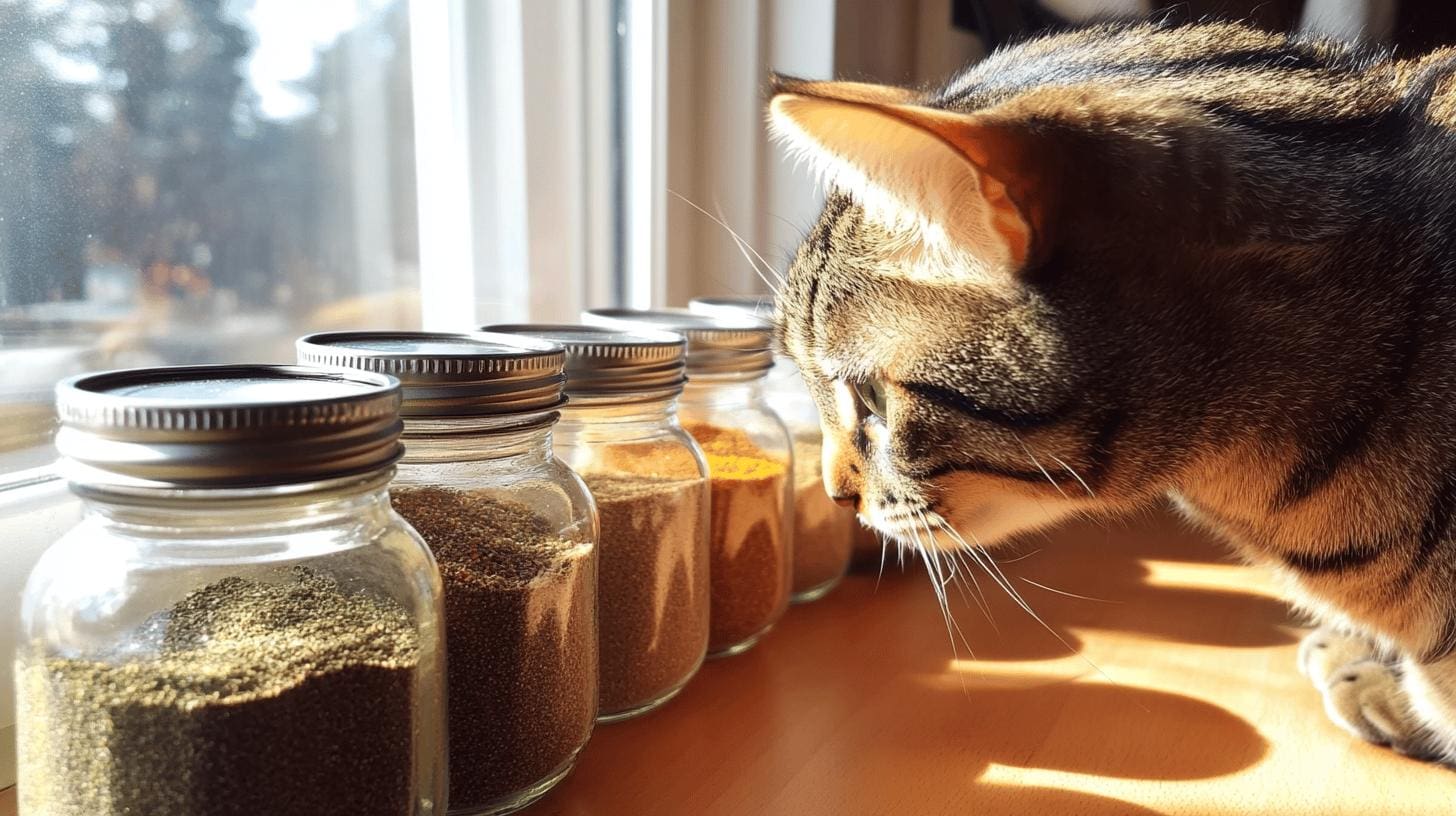
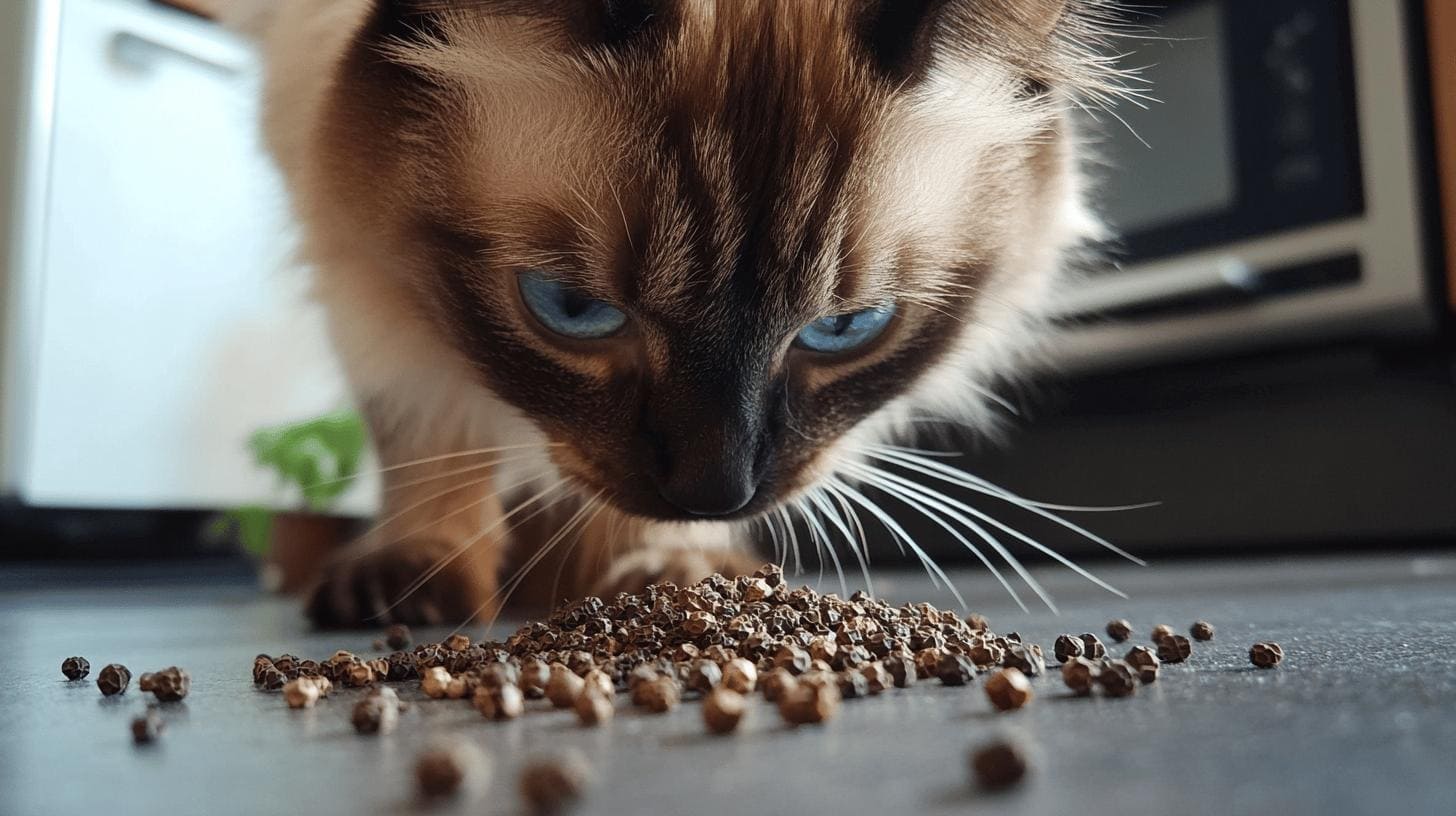
Is a sprinkle of black pepper as harmless to your cat as it is to your salad? While it adds flavor to our dishes, this common spice might not be so great for our feline friends. Cats have a much more sensitive system and a compound in black pepper, called piperine, can cause irritation. From sneezing and coughing to upset tummies, it’s best to keep this spice away from your kitty. Let’s dive into why you should think twice before sharing your peppered snacks with your cat and how to keep them safe.
Can Cats Safely Eat Black Pepper?
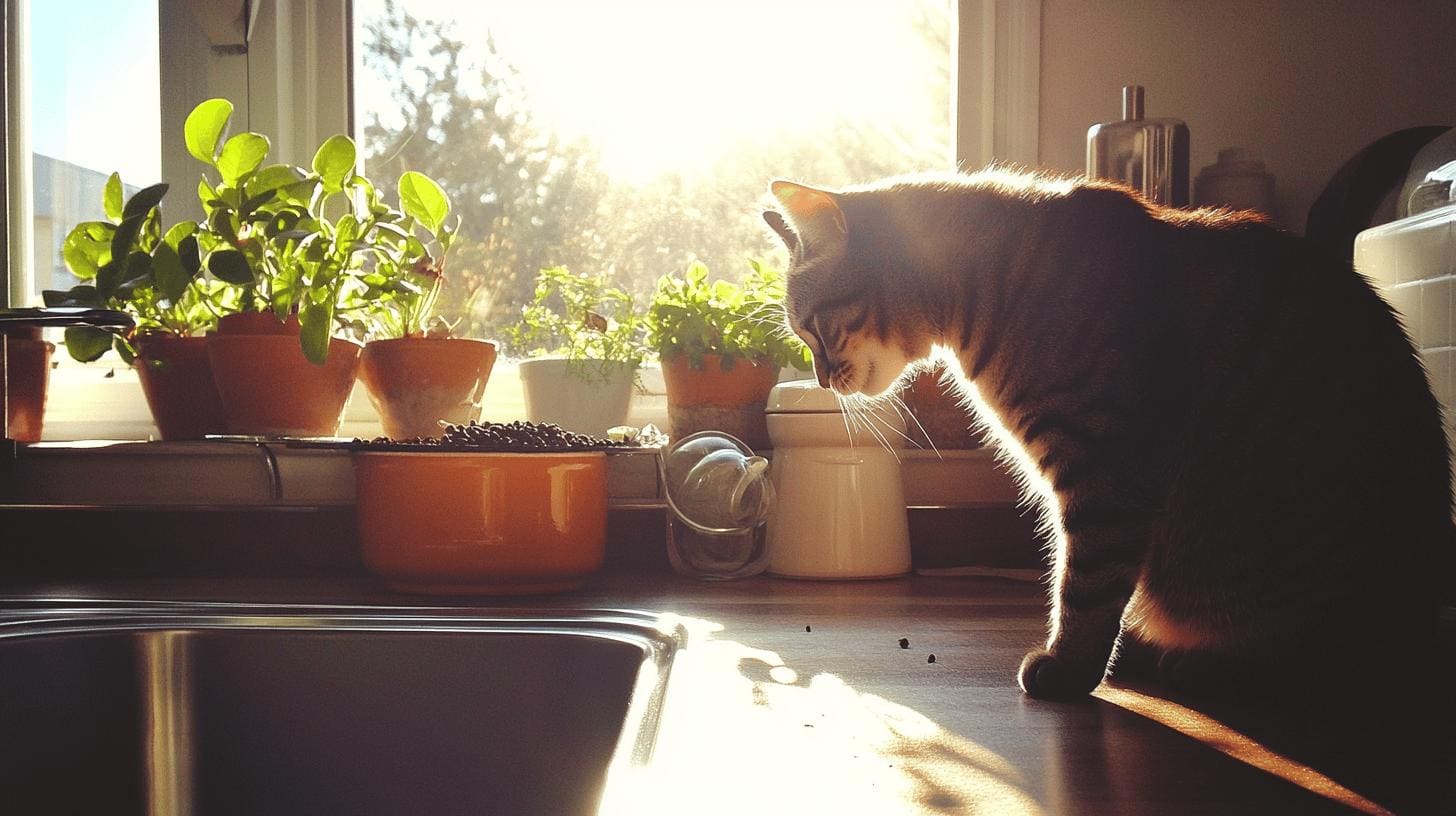
Cats should not consume black pepper. While small amounts are unlikely to cause severe harm, black pepper can irritate and cause discomfort. It is best to avoid giving it to them to prevent any potential issues.
Black pepper contains a compound called piperine. This compound can lead to irritation in a cat’s mouth and digestive system. Cats are more sensitive to spices than humans, and consuming black pepper can trigger unpleasant reactions. Piperine is responsible for the spicy heat in black pepper, which can cause sneezing, coughing, or other signs of discomfort in cats if they come into contact with it. Cats rely heavily on their sense of smell, and the pungency of black pepper can be overwhelming for their sensitive noses. While a sprinkle of black pepper is unlikely to cause serious harm, larger amounts might lead to more severe symptoms.
If a cat ingests a significant amount of black pepper, symptoms may include vomiting, diarrhea, and respiratory irritation. While these symptoms can be distressing, they typically resolve with time. However, if symptoms persist or worsen, it may require veterinary attention to ensure your cat’s health and comfort.
Recognizing Symptoms of Black Pepper Ingestion in Cats
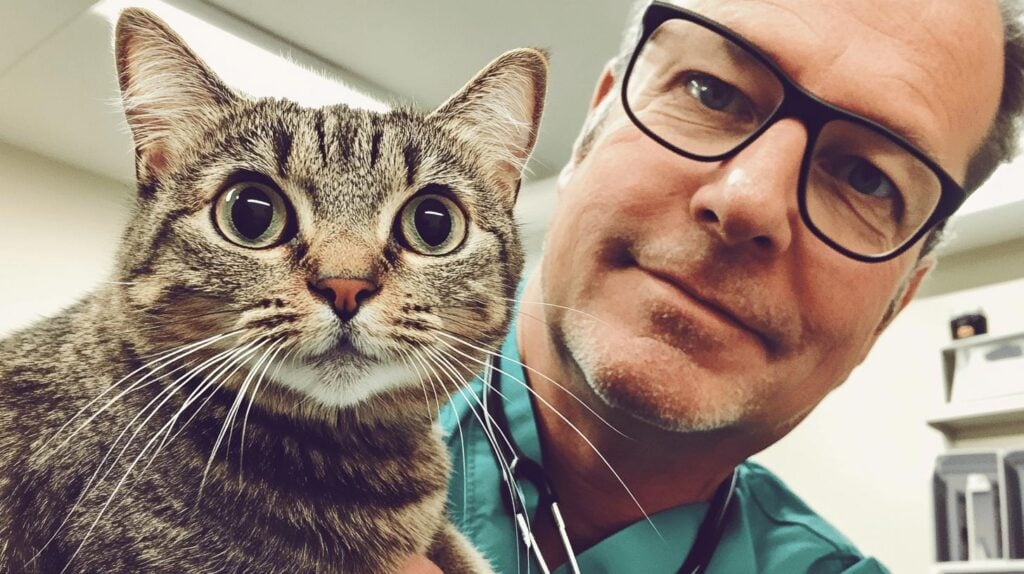
Cats that ingest black pepper might show various symptoms indicating irritation or discomfort due to the compound piperine. Cats are sensitive creatures, and even a small amount can cause issues.
Here are some common symptoms to watch for if your cat has eaten black pepper:
- Sneezing
- Coughing
- Vomiting
- Diarrhea
- Respiratory irritation
It’s crucial to monitor your cat if you suspect they’ve ingested black pepper. While minor symptoms like sneezing and coughing can resolve on their own, more severe symptoms such as persistent vomiting or diarrhea may require veterinary care. If you notice your cat struggling with breathing or if they seem unusually distressed, it’s wise to seek professional help. Keeping an eye on their behavior and acting quickly can ensure your furry friend’s health and comfort.
Alternatives to Black Pepper for Cats
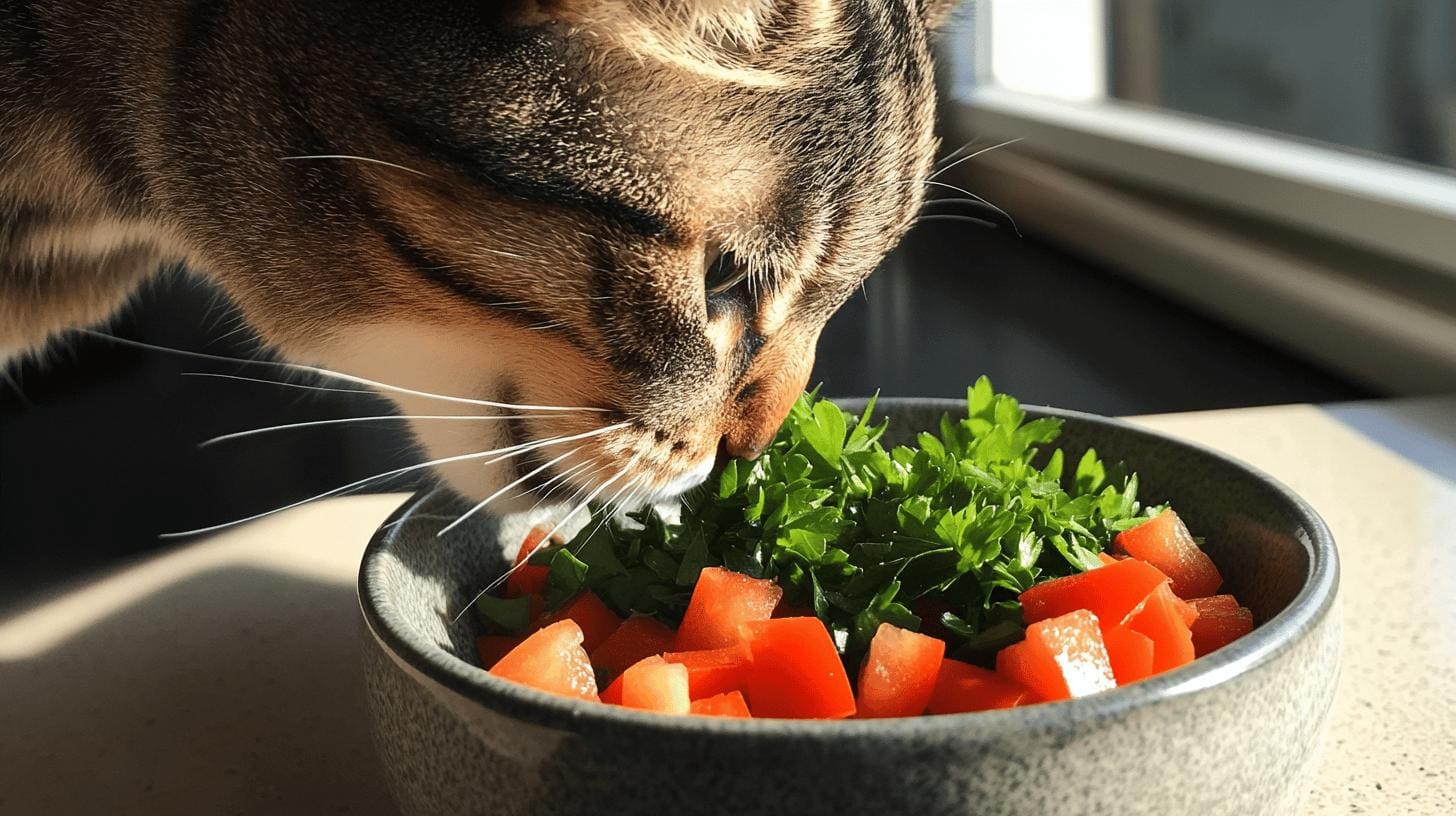
While black pepper is not the best choice for our feline friends, there are other spices and foods that are safe for them. These alternatives can add some variety to a cat’s diet without the risk of irritation or discomfort that black pepper might cause. When considering alternatives, it’s important to focus on options that are both non-toxic and appealing to cats.
Here are some safe spices and foods you can consider for your cat:
- Catnip: A favorite among many cats, catnip can be a fun and harmless treat.
- Parsley: This herb is safe in small amounts and can sometimes be beneficial.
- Bell Peppers: Non-toxic and safe when given in moderation, though they don’t add much nutrition.
When introducing these alternatives, always start with small amounts to see how your cat reacts. Every cat is different, and while these options are generally safe, it’s best to monitor your pet for any unusual reactions. Additionally, keep in mind that cats are obligate carnivores, so their diet should primarily consist of meat. Use these spices and foods as occasional treats rather than dietary staples. This approach ensures your cat enjoys a balanced and healthy diet while exploring new tastes safely.