Ever wondered if tilapia would make a good snack for your cat? It sounds like a tasty option, but is it really safe? Cats can enjoy tilapia as a treat, but there are some important steps to follow. This fish has to be cooked properly to avoid dangerous bacteria or parasites.
Forget raw fish; that's a huge no-no. Also, remove bones and skip on the seasoning. By preparing tilapia the right way, you ensure your cat enjoys a tasty, safe, and worry-free snack.
Can Cats Eat Tilapia Safely?
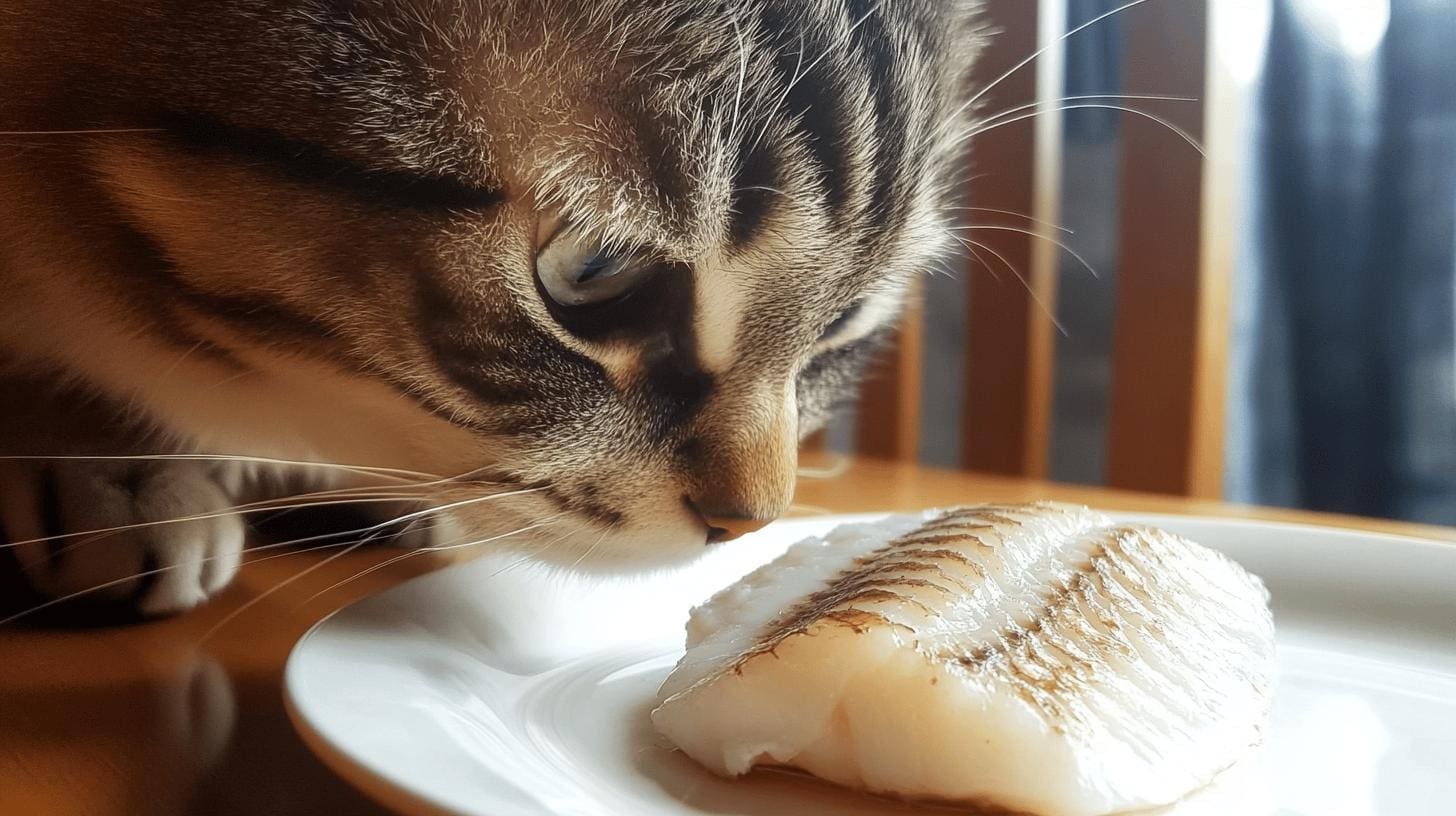
Tilapia can be a safe and delicious treat for cats when prepared correctly. It’s important to cook the fish thoroughly to eliminate any harmful bacteria or parasites. Raw fish can pose significant health risks, so it should always be avoided. When feeding tilapia to cats, ensure it is fully cooked, boneless, and unseasoned. This preparation helps prevent choking hazards and keeps your feline friend safe from potential toxins.
- Cook tilapia thoroughly
- Remove all bones
- Avoid seasoning and oils
- Serve in small, controlled portions
| Risk | Description |
|---|---|
| Thiamine Deficiency | Excessive consumption of fish can lead to a thiamine (vitamin B1) deficiency, affecting the cat’s nervous system. |
| Bacterial Infection | Raw or undercooked fish may contain harmful bacteria that can lead to food poisoning. |
| Choking Hazard | Fish bones can pose a choking risk or cause internal blockages if not removed. |
Feeding tilapia in moderation is key. Overfeeding can lead to health issues such as thiamine deficiency, which can affect the nervous system. It’s crucial to monitor your cat for any signs of intolerance, like digestive upset or changes in behavior. By serving tilapia in small, controlled portions, you can safely include this fish in your cat's diet while keeping an eye on their overall health and well-being.
Nutritional Benefits of Tilapia for Cats

Tilapia can be a beneficial addition to a cat’s diet when prepared correctly. Rich in essential nutrients, tilapia provides Omega-3 fatty acids that are vital for maintaining neurological health and offering anti-inflammatory benefits. This makes tilapia an appealing option for cat owners looking to enhance their pet's diet with nutritious fish. While providing these health boosts, tilapia also keeps the risk of mercury exposure low compared to some other fish.
- Omega-3 fatty acids
- Low mercury content
- Lean protein source
Including these nutrients from tilapia in your cat's diet can support overall health. Omega-3 fatty acids contribute to brain function and may help manage inflammation, keeping your cat agile and energetic. The low mercury content reduces the risk of heavy metal exposure, making tilapia a safer fish choice. Additionally, the lean protein found in tilapia helps maintain muscle mass and provides essential energy, ensuring your feline stays active and healthy.
Alternative Fish Options for Cats

Adding variety to your cat's diet can be beneficial, and there are several fish options besides tilapia that can enhance their nutritional intake. Salmon, cod, and redfish are excellent choices because they are rich in Omega-3 fatty acids and have low mercury levels.
These nutrients are crucial for keeping your cat's coat shiny and supporting their overall health. While tilapia is a safe option, incorporating different types of fish can prevent dietary boredom and provide a broader spectrum of nutrients.
- Salmon
- Cod
- Redfish
- Sardines in water
When introducing new fish into your cat's diet, it's essential to be aware of potential fish allergies. Start with small portions and observe your cat for any signs of intolerance, such as vomiting or skin irritation. If you notice any adverse reactions, discontinue feeding that fish and consult your veterinarian.
Offering sardines in water as an occasional treat is also safe, but avoid those packed in oil due to their high-fat content, which can lead to digestive issues. By diversifying your cat's fish intake, you can keep their meals both enjoyable and nutritious.