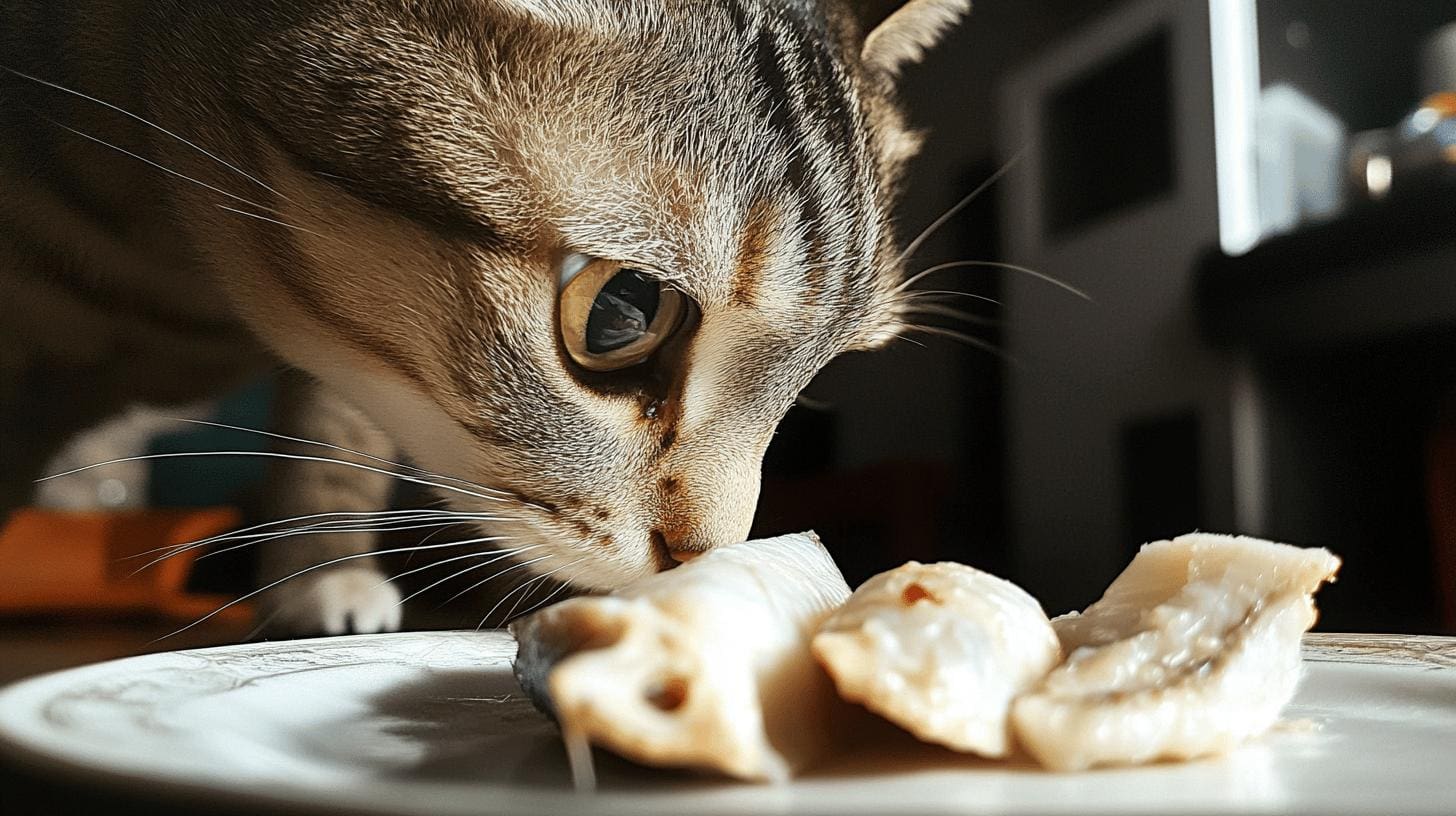
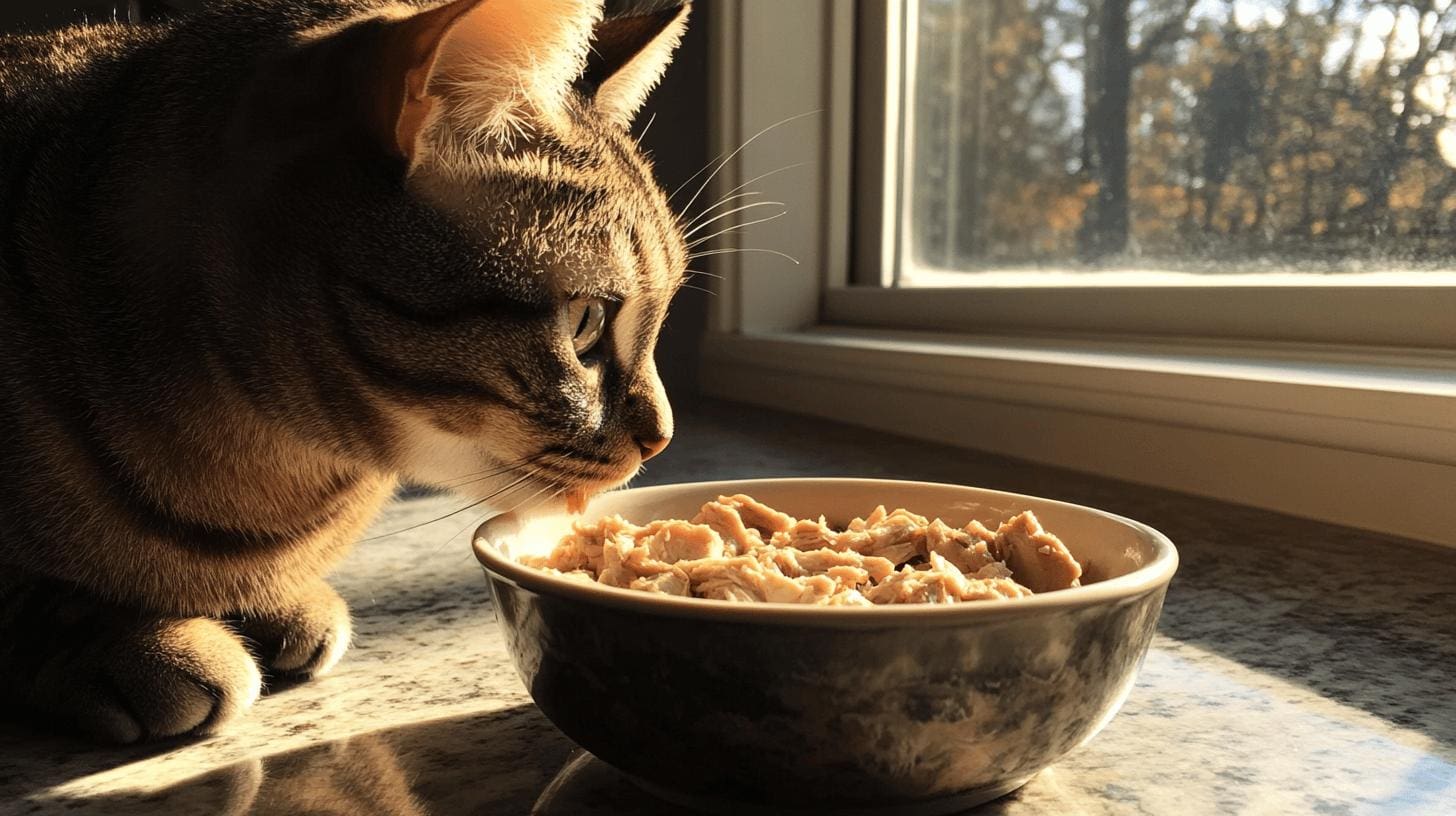
Is feeding your cat fish a healthy treat or a recipe for disaster? While many cat foods boast fish ingredients, not all fish are created equal for our feline friends. In this article, we'll dive into the benefits of fish like Omega-3s that can boost your cat's health, and the risks, like harmful bacteria and choking hazards. Understanding the balance of these factors will help you make informed decisions, ensuring your cat remains healthy and happy without sacrificing safety or nutrition. Let's explore how to incorporate fish into your cat's diet safely.
Can Cats Safely Eat Fish?

Cats are obligate carnivores, meaning their diet must be rich in meat and fish, making up about 70% of their nutritional intake. Fish is a common ingredient in many commercial cat foods due to its appealing taste and nutritional value. While cats can eat fish, it's vital to ensure it complements the other essential proteins and nutrients in their diet. Fish can be a delightful treat for cats, but it should not replace their primary protein sources like chicken or lamb.
Fish offers several health benefits for cats, primarily due to its high Omega-3 fatty acid content. These fatty acids are crucial for neurological health and possess anti-inflammatory properties that can improve joint health and skin condition. Types of fish like wild salmon and sardines are particularly rich in Omega-3s, making them beneficial additions to a cat's diet. These nutrients help maintain a shiny coat and support overall well-being.
Despite the benefits, there are potential risks associated with feeding fish to cats. Raw fish is a no-go because it can carry harmful bacteria and enzymes that break down crucial vitamins. Furthermore, fish bones pose a choking hazard and can cause digestive issues. Tinned fish should be thoroughly drained to remove excess salt or oil. Moderation is key, especially with fish like tuna, which contains mercury. When carefully managed, fish can be a safe and nutritious part of a cat's diet.
Nutritional Benefits of Fish for Cats
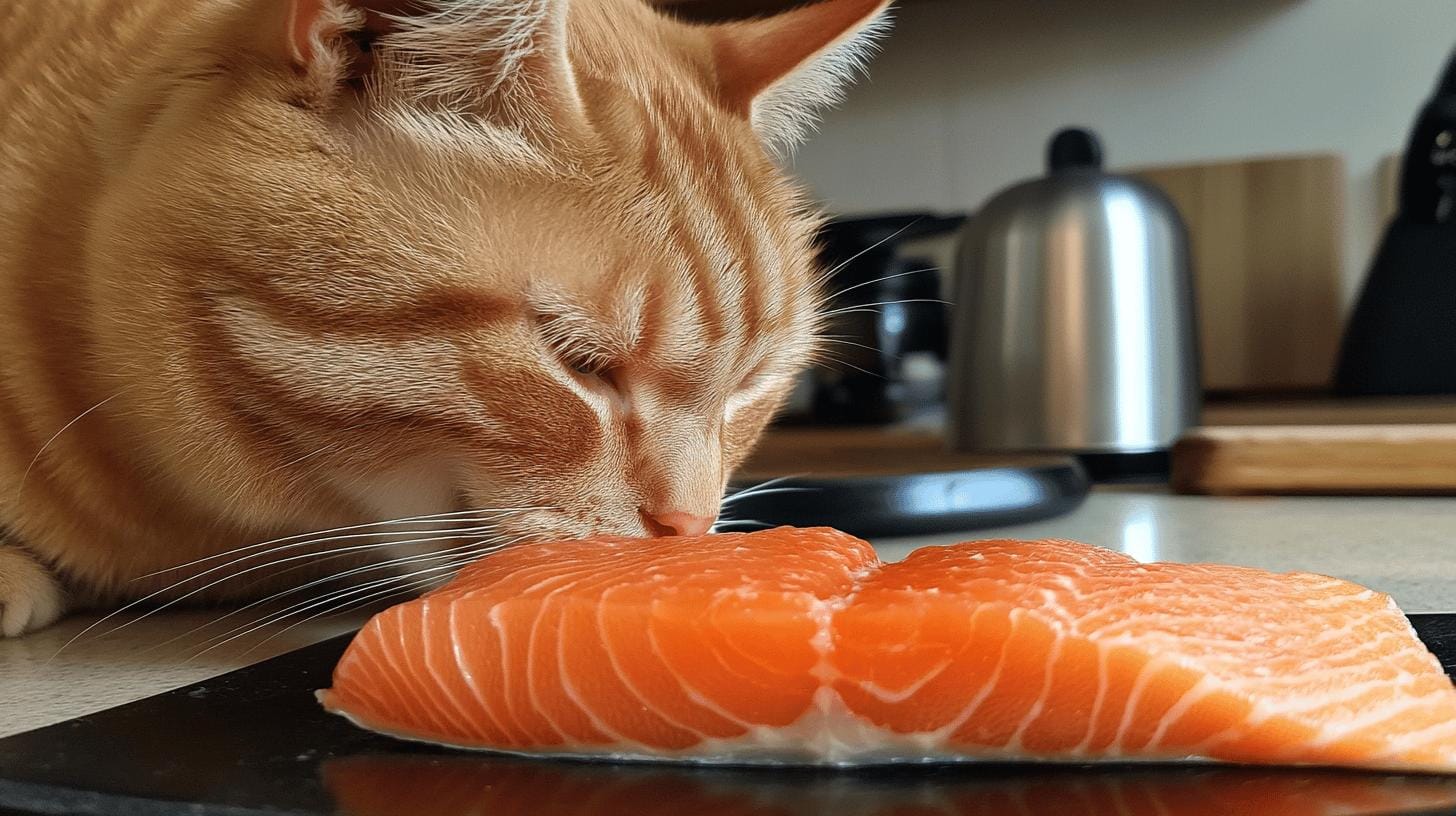
Fish is full of important Omega-3 and Omega-6 fatty acids, which are vital for a cat's well-being. These fatty acids support neurological health, aid in reducing inflammation, and improve skin and coat condition. Additionally, they benefit joint health. While fish should not be the only protein source, it can complement a cat's diet effectively.
- Wild Salmon: Rich in Omega-3 and Omega-6 content.
- Sardines: Packed with Omega-3s for a nutrient boost.
- Herring: Offers Omega-3s along with essential vitamins.
Incorporating these fish into a cat's diet promotes overall health. Omega-3 and Omega-6 fatty acids help maintain a shiny coat, support cardiovascular health, and enhance cognitive function. By balancing fish with other proteins, you ensure your cat receives a complete and nutritious diet.
Types of Fish Safe for Cats
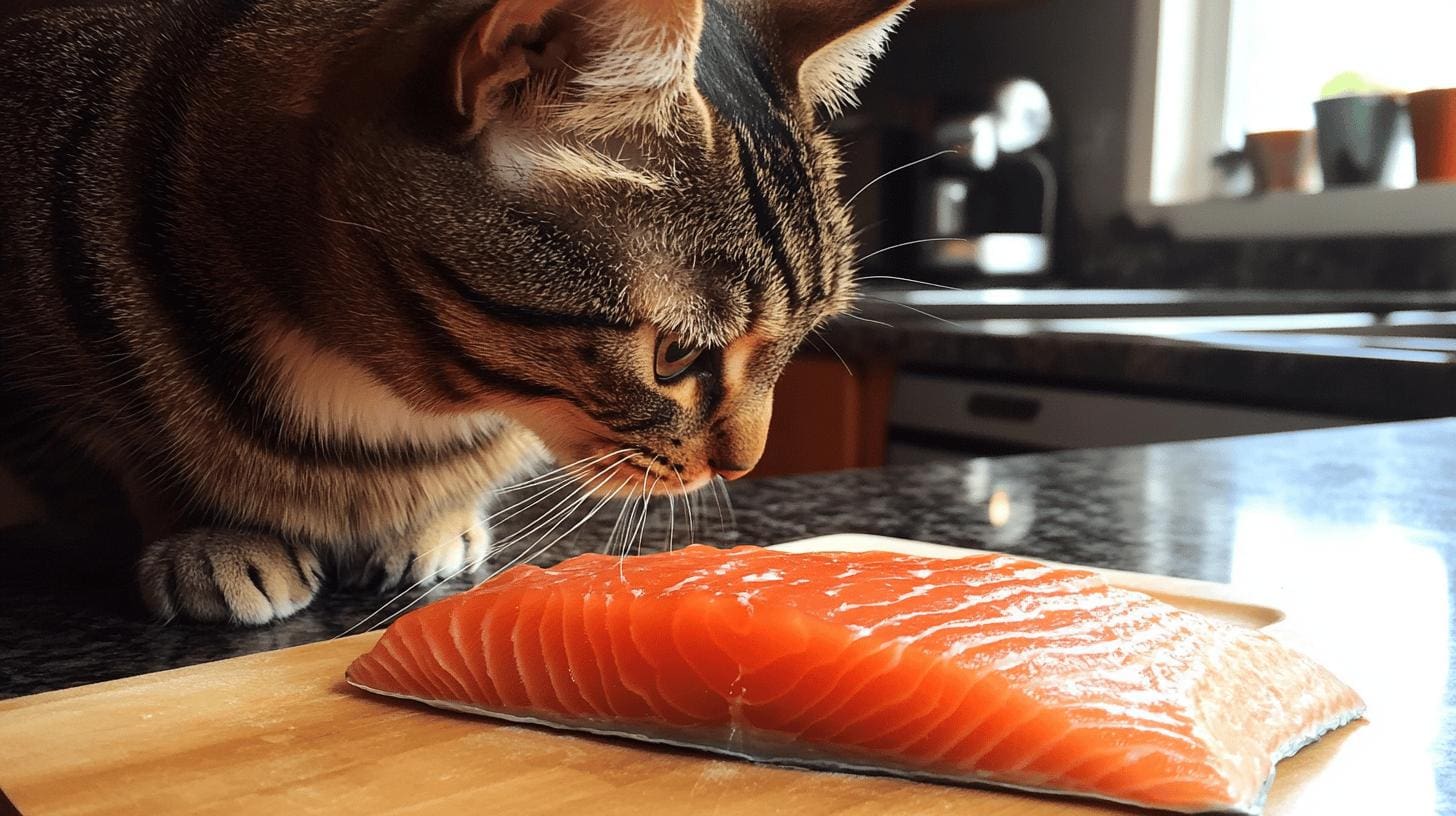
When choosing fish for our feline companions, selecting safe and nutritious options is key. Let's explore a few types that offer nutritional benefits without the risk of harm.
Wild Salmon
Wild salmon stands out for its Omega-3 content. These fatty acids are essential for a cat's coat, joints, and brain. It's safe when cooked, providing health benefits without bacterial risks.
Wild Cod and Wild Haddock
These fish offer lean protein, ideal for maintaining a healthy weight in cats. They deliver necessary nutrients without excessive fat, making them safe and beneficial.
Acadian Redfish
Known as ocean perch, Acadian redfish provides vitamins and minerals. Its low-fat profile is a healthful addition to a cat's diet, supporting well-being with a tasty twist.
Sardines
Packed with Omega-3 and vitamin D, sardines support bone health and immunity. Safe for cats, they make a nutritious snack for healthy skin and coat.
| Fish Type | Safe for Cats |
|---|---|
| Wild Salmon | Yes |
| Wild Cod and Wild Haddock | Yes |
| Acadian Redfish | Yes |
| Sardines | Yes |