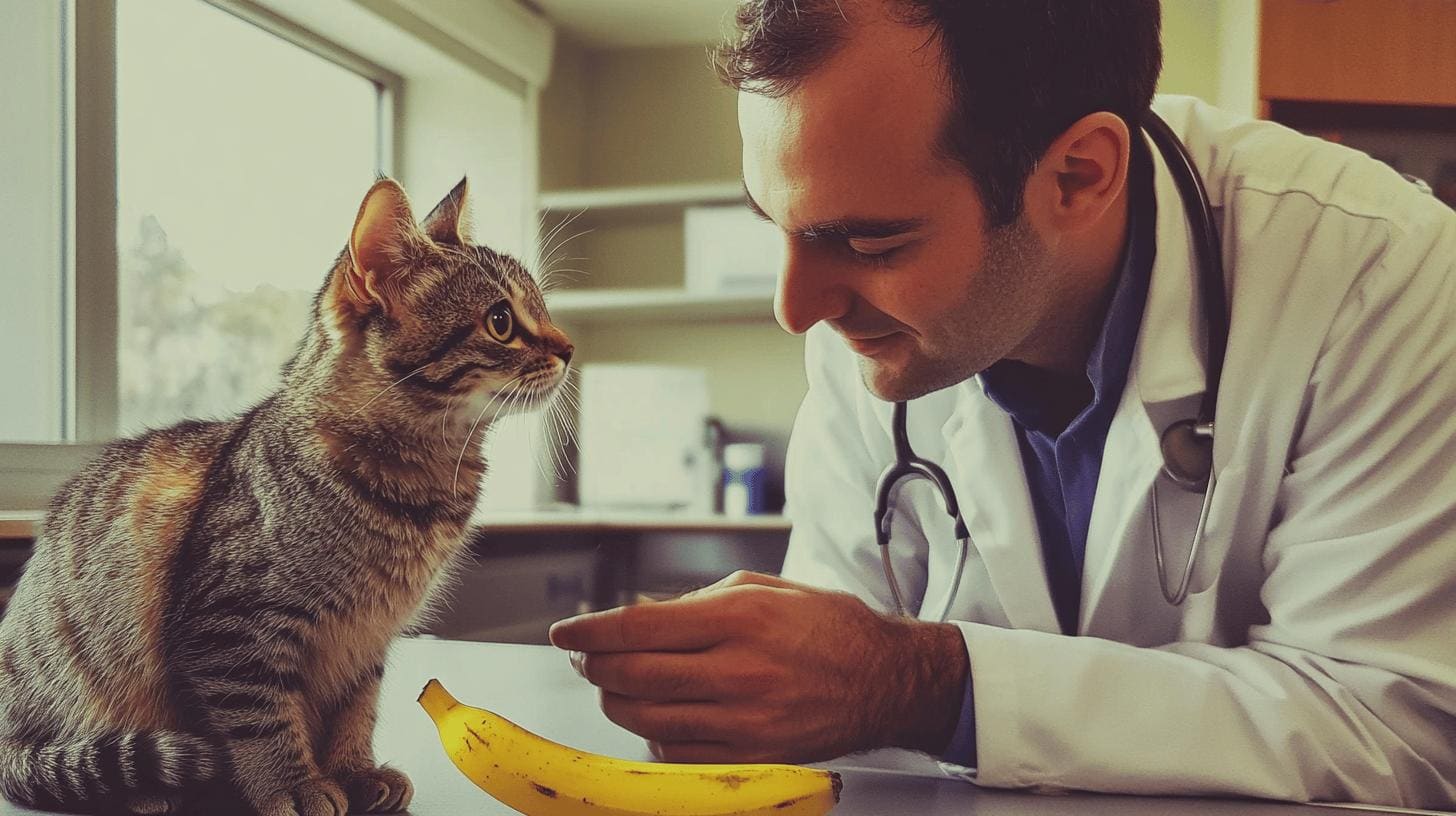
Ever watched your cat eyeing your snack, and wondered if it’s safe to share? Many pet owners ask, “Can cats eat banana safely?” The short answer is yes, but only in moderation. Bananas aren’t toxic to cats, making them an occasional treat option. Yet, because cats are carnivores, relying on animal protein is vital for their diet. Bananas, while rich in vitamins, don’t offer much nutritional value for cats. So, if you’re considering adding a banana to your cat’s food list, remember that balance is crucial for their health and wellbeing.
Can Cats Safely Eat Bananas?
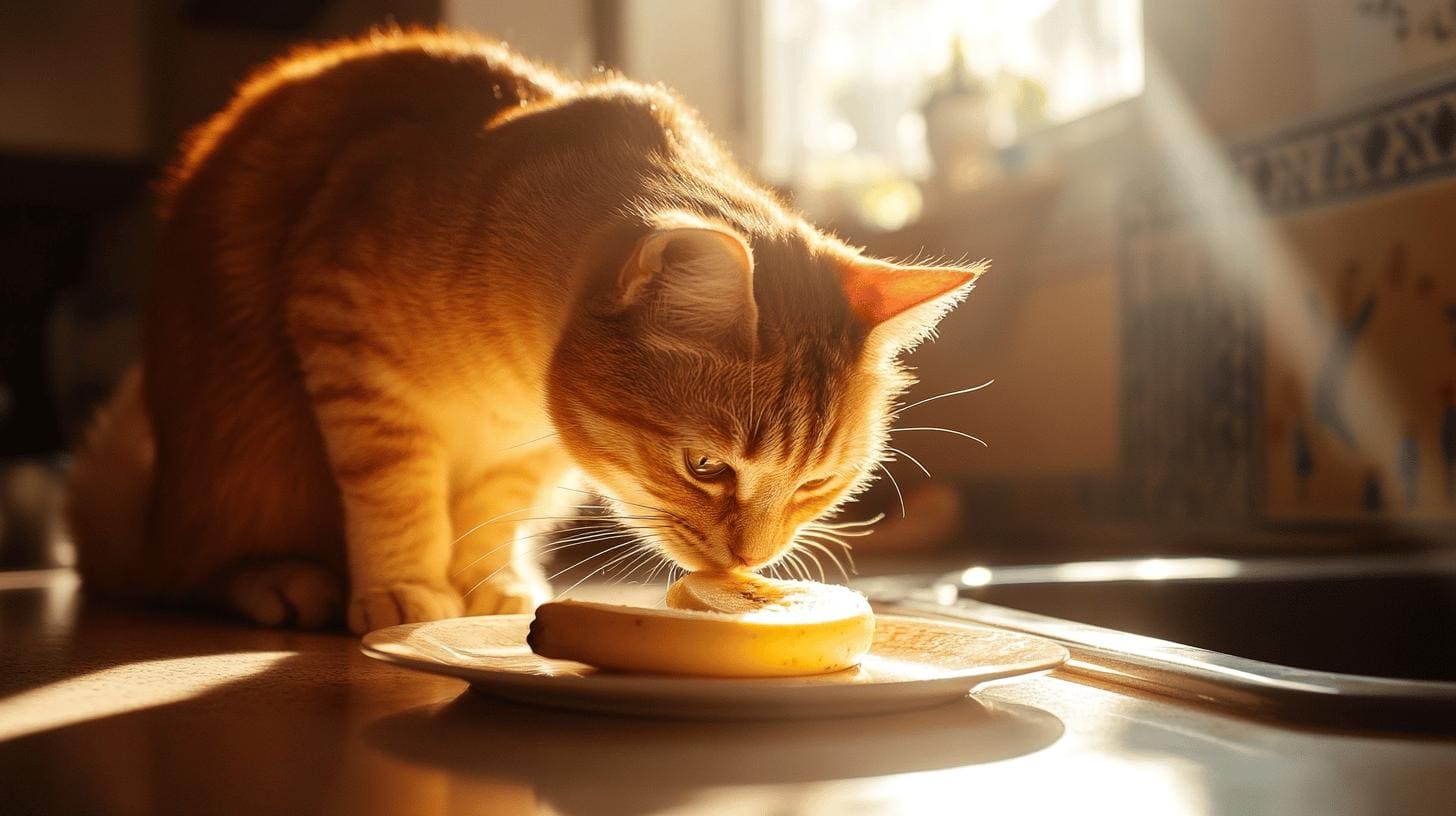
Cats can safely eat bananas, but only in small amounts. Bananas are not toxic to cats and can be offered as an occasional treat. It’s crucial to keep portions small—about a one-square-inch slice every few weeks is enough. While bananas contain vitamins and minerals, they don’t provide significant nutritional benefits for cats, who are obligate carnivores.
The carbohydrate content in bananas can lead to weight gain if given too often. Therefore, moderation is key when sharing bananas with your feline friend. Always prioritize a balanced diet primarily based on animal protein to meet their nutritional needs.
Overfeeding bananas to cats can result in several side effects. Digestive issues are the most common concern, as cats may experience discomfort when consuming foods outside their regular diet. If you notice any signs of digestive upset, it’s best to discontinue feeding bananas and consult a veterinarian.
Potential adverse reactions to overfeeding bananas include:
- Vomiting
- Diarrhea
- Stomach upset
Cats’ digestive systems are sensitive, so it’s important to monitor their reaction to any new food, including bananas.
Guidelines for Feeding Bananas to Cats

Feeding bananas to cats requires moderation and care. Offer a small slice, about one square inch, every few weeks as an occasional treat. This portion size maintains variety without compromising health. While bananas are non-toxic, they lack essential nutrients found in a cat’s meat-based diet. Always prioritize your cat’s regular food to meet dietary needs, using bananas sparingly to prevent digestive issues.
Cats might not show interest in bananas due to their fewer taste buds and lack of sensitivity to sweetness. This can lead to some cats ignoring bananas altogether.
To safely introduce bananas to your cat:
- Cut the banana into small, manageable pieces.
- Observe your cat’s reaction to eating bananas.
- Limit the frequency to once every few weeks.
Nutritional Benefits and Risks of Bananas for Cats
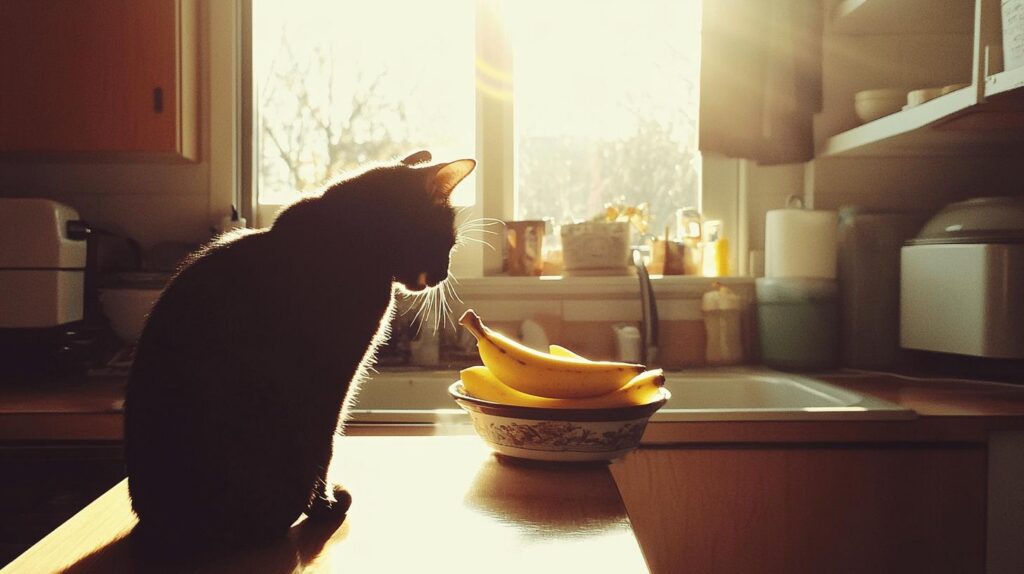
Bananas contain antioxidants that might help reduce oxidative stress in cats. These antioxidants, along with small amounts of vitamins like vitamin C and potassium, offer minor health benefits. Yet, these nutrients are not crucial for a cat’s diet, as the amounts in bananas are too minimal to make a significant impact.
The high carbohydrate content in bananas presents a risk. Cats are not designed to process large amounts of carbs, making them prone to weight gain if bananas are consumed frequently. This weight gain could increase the risk of diabetes, emphasizing the importance of offering bananas only as an occasional treat.
As obligate carnivores, cats thrive on animal protein diets rich in taurine and amino acids, which are not present in bananas. Non-animal sources like bananas do not meet their nutritional needs. Focusing on a diet centered around high-quality animal protein is key to keeping your cat healthy.