Are you wondering if your cat can safely munch on bones? It's a question that gets many cat owners scratching their heads. While bones can provide essential nutrients and help keep teeth clean, feeding them to your cat isn't as straightforward as it seems. Cooked bones can pose serious risks like splintering, while raw bones can still carry their own dangers, yet offer benefits. In this post, we'll explore the safe way to incorporate bones into your cat's diet, ensuring both their enjoyment and wellbeing.
Can Cats Safely Eat Bones?
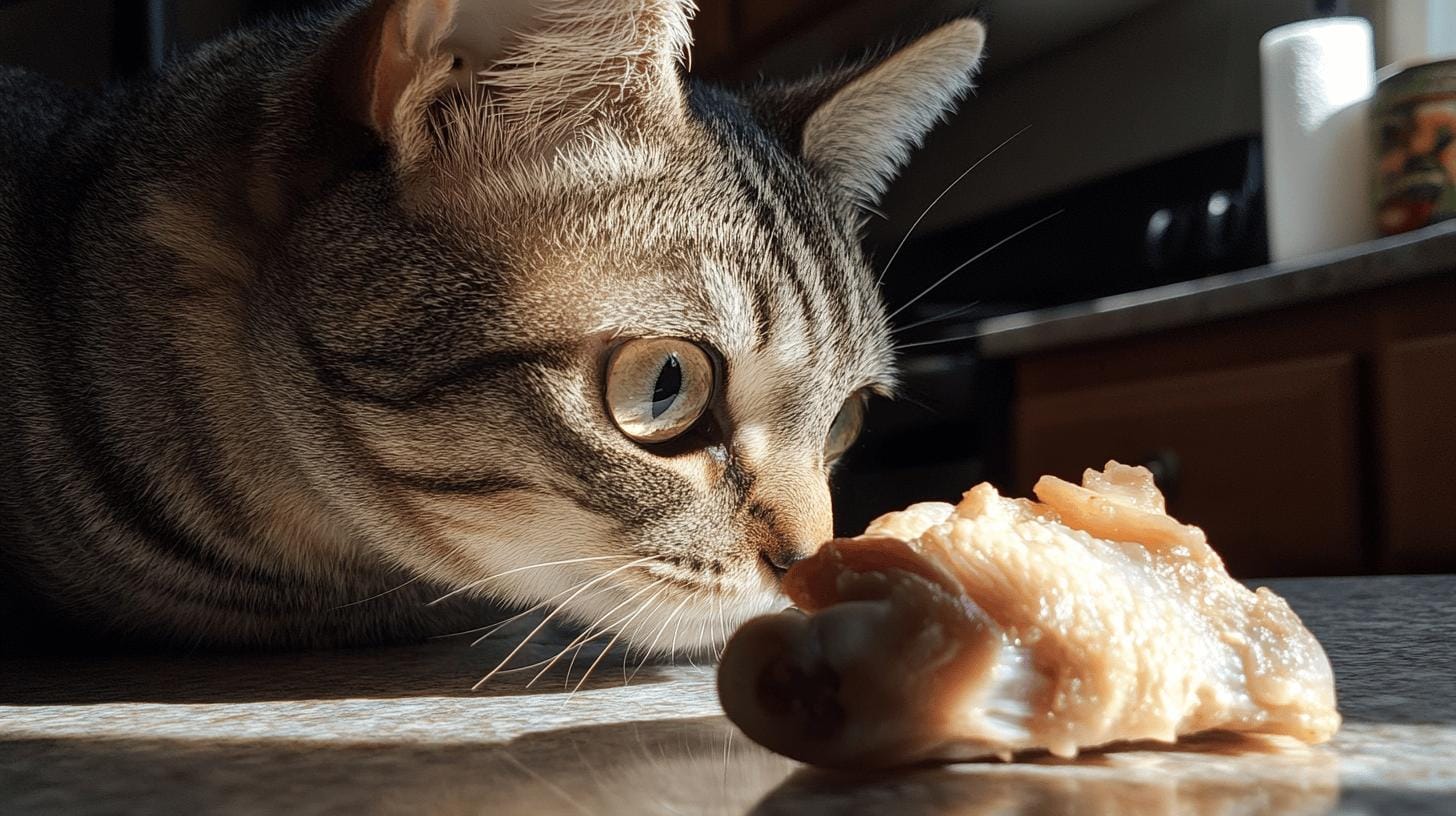
Cats can eat some types of bones, but it's crucial to consider the kind and preparation. Cooked bones are generally unsafe because they can splinter and cause severe internal injuries, like choking or blockages. On the other hand, raw bones can offer nutritional benefits such as calcium and help with dental health. However, they should be given with caution to prevent potential bacterial infections. The key is moderation and careful selection to ensure the cat's safety.
Here's a quick rundown of common bones and their safety for cats:
-
Chicken Bones:
- Cooked: Unsafe due to splintering risks.
- Raw: Safer but should be supervised.
-
Beef Bones:
- Cooked: Unsafe and hard on teeth.
- Raw: Can be safe if large enough not to swallow.
-
Pork Bones:
- Cooked: Unsafe; risks are similar to chicken bones.
- Raw: Not recommended due to the risk of parasites.
-
Turkey Bones:
- Cooked: Unsafe, similar issues as chicken bones.
- Raw: Can be safe in small amounts.
-
Fish Bones:
- Generally unsafe, as they are small and can cause choking or digestive issues.
When feeding bones, it's important to monitor the cat closely and choose the right type. Raw bones should be an occasional treat and should not make up more than 7-10% of a cat's daily intake. Always supervise your cat while they're chewing on bones to prevent any accidents.
Understanding the Risks: Cooked vs. Raw Bones for Cats
| Bone Type | Cooked Risks | Raw Risks |
|---|---|---|
| Chicken Bones | Splintering, choking, internal injuries | Bacterial contamination |
| Beef Bones | Hard, can break teeth, splintering | Large, potential to choke if swallowed whole |
| Pork Bones | Splintering, choking, similar to chicken | Parasites, bacterial risks |
| Fish Bones | Small, easily cause choking | Rarely given raw, potential choking |
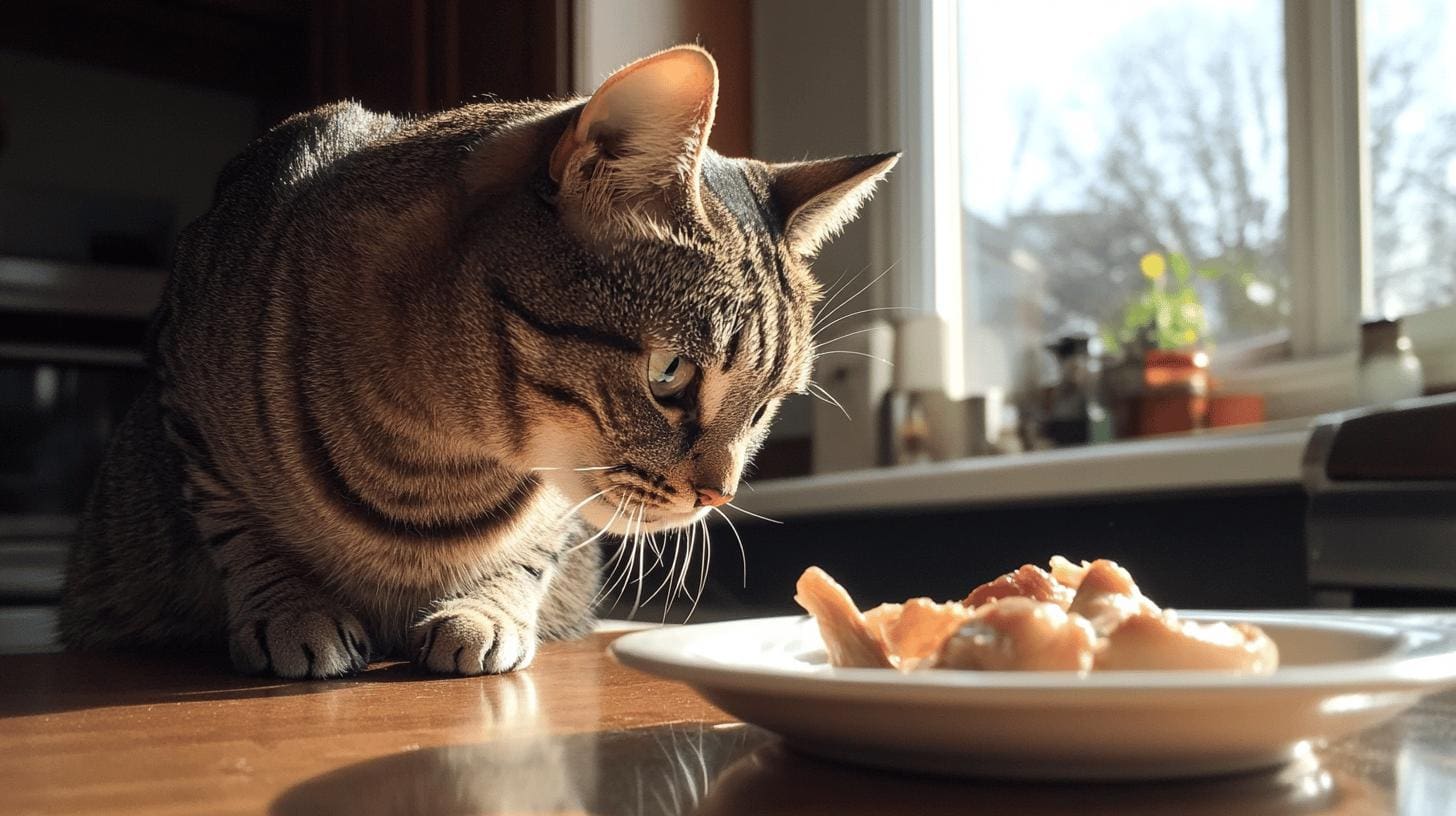
To safely introduce bones into a cat's diet, focus on moderation and supervision. Always choose raw bones over cooked ones and ensure they are fresh and appropriately sized. Monitor your cat while they chew to prevent any accidents. Consider supplementing their diet with safer options like bone broth to provide similar nutritional benefits without the associated risks.
Recognizing Symptoms and Taking Action if Your Cat Ate a Bone

If your cat has eaten a bone, it's crucial to be aware of the symptoms that can indicate a problem. Watch for signs like coughing, gagging, or choking, which can suggest that the bone is causing harm. Other symptoms might include vomiting, drooling, or showing signs of distress. These could mean the bone is lodged in the throat or causing an obstruction in the digestive tract. Keep an eye on any changes in your cat's behavior or appetite, as these can also signal an issue.
If you suspect your cat has ingested a bone, follow these six steps to ensure their safety:
- Observe Your Cat: Keep a close watch on their behavior and note any symptoms.
- Ensure Access to Water: Make sure your cat has plenty of fresh water available to help with any digestive discomfort.
- Do Not Induce Vomiting: This can cause more harm by moving the bone to a more problematic area.
- Check for Visible Signs: Look inside the mouth to see if the bone is visible and can be safely removed.
- Limit Physical Activity: Keep your cat calm to avoid further injury or distress.
- Contact a Veterinarian: If symptoms persist or worsen, reach out to a vet immediately.
Veterinary care is critical in these situations. A vet can perform diagnostic tests, such as X-rays, to locate bone fragments and assess any potential obstructions. They will guide you on the best course of action, whether it's monitoring at home or bringing your cat in for treatment. Prompt and proper care can prevent serious complications and ensure your cat's well-being.