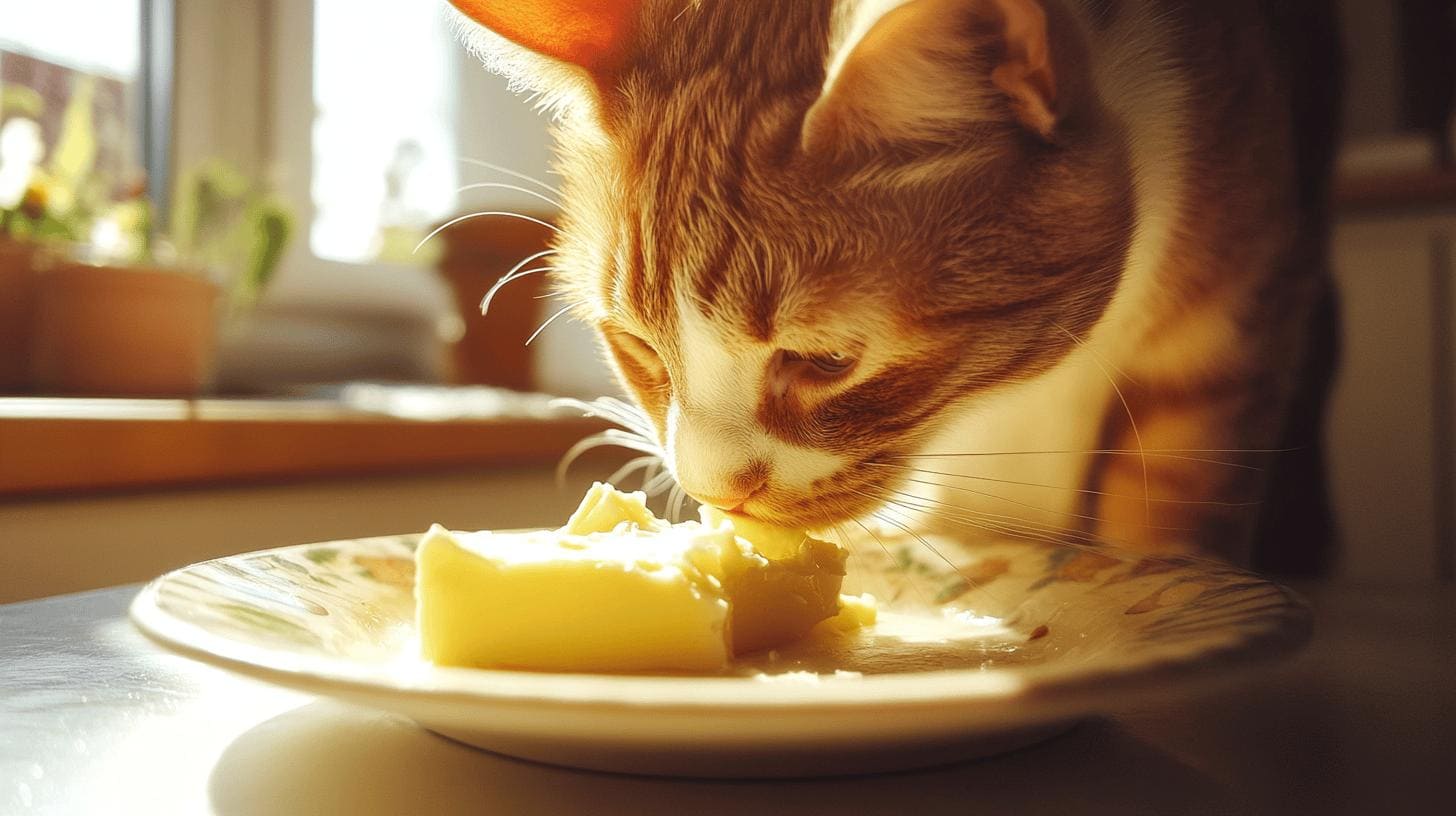
Is butter safe for cats, or could it be more trouble than it's worth? While not immediately toxic, butter can pose real health risks for your feline friend. This creamy treat is high in fat and contains lactose, which most cats struggle to digest. The consequences can range from uncomfortable symptoms like vomiting and diarrhea to more severe conditions like obesity and pancreatitis. Let's explore why butter isn't suitable for your cat and discover some safe and tasty alternatives that will keep your cat happy and healthy.
Is Butter Safe for Cats and Why They Should Avoid It?
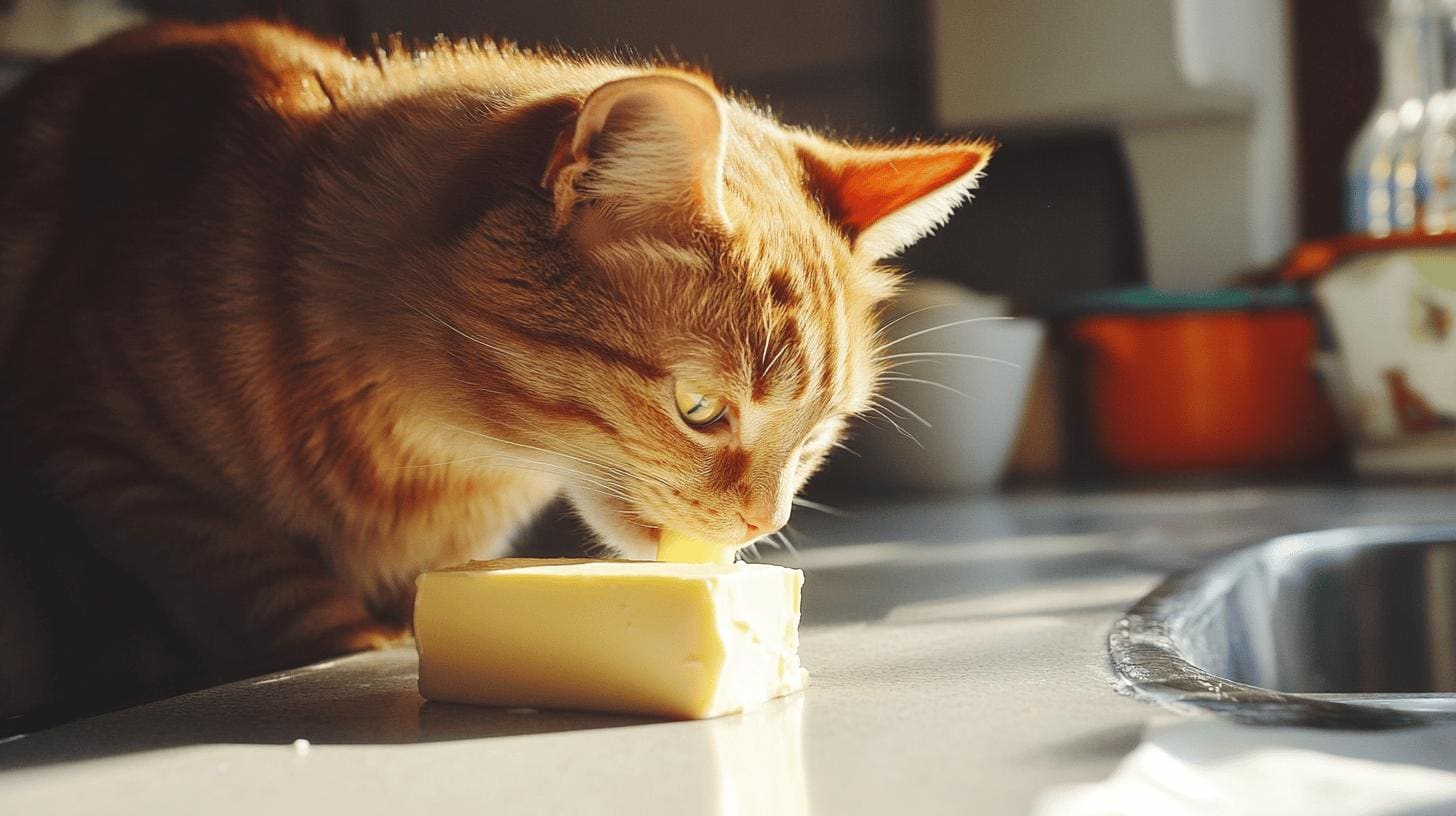
Butter is not a safe choice for cats. It’s not toxic in the sense of being immediately poisonous, but it poses multiple health challenges. The primary concern lies in its composition: high fat content and the presence of lactose. Most cats are lactose intolerant, which means their bodies don't produce enough of the enzyme needed to break down lactose. This intolerance can lead to several uncomfortable and potentially harmful symptoms.
The health risks associated with feeding butter to cats are significant. The high fat content can lead to obesity, a condition that increases the risk of diabetes. Over time, ingesting butter can also cause gastroenteritis, an inflammation of the stomach and intestines, and pancreatitis, a serious and potentially life-threatening inflammation of the pancreas. These conditions can severely affect a cat's well-being and quality of life, making butter an unsuitable choice for their diet.
Here are some common symptoms of lactose intolerance in cats:
- Vomiting
- Diarrhea
- Abdominal discomfort
- Bloating
- Flatulence
| Health Issue | Explanation |
|---|---|
| Obesity | High fat content in butter contributes to weight gain. |
| Diabetes | Excessive fat intake can increase the risk of diabetes. |
| Gastroenteritis | Inflammation of stomach/intestines due to improper digestion. |
| Pancreatitis | Serious inflammation of the pancreas caused by fatty foods. |
Beyond the immediate health risks, butter offers no nutritional benefits for cats. As obligate carnivores, cats require a diet rich in animal proteins and specific nutrients that butter simply doesn’t provide. A diet leaning on butter or other dairy products could lead to deficiencies in essential nutrients needed for healthy growth and maintenance. Ensuring cats have a balanced, meat-based diet is crucial for their overall health and longevity.
Alternatives to Butter for Cats
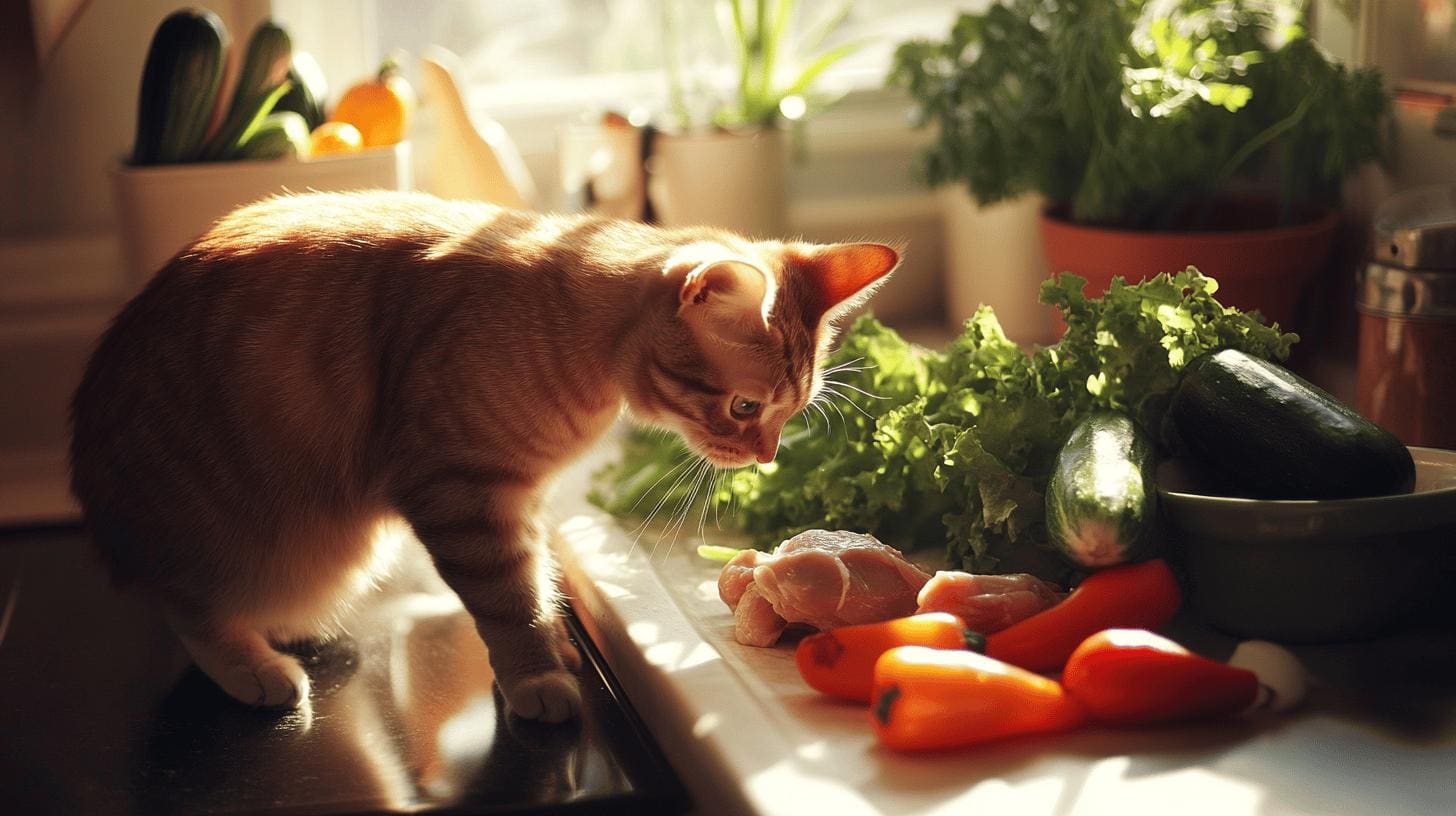
Cats have specific dietary needs that are best met with high-protein, low-fat foods, unlike butter. While butter might seem like a treat, it doesn't align with a cat's nutritional requirements. Instead, there are plenty of cat-friendly treats that can provide the satisfaction of a tasty snack without compromising their health. Treats that cater to their nutritional needs are essential for their overall well-being and vitality.
Here are some safe human foods that cats can eat:
- Small portions of cooked chicken or turkey
- Cooked fish like salmon or tuna
- Cooked eggs
- Small pieces of melon or peeled apples
- Steamed carrots or peas
Before introducing any new treat or human food into your cat's diet, it's wise to consult a veterinarian. They can provide specific advice based on your cat's health, age, and dietary needs. A vet's guidance ensures that any treats or additions to their diet are safe and beneficial for your feline friend.
What to Do if Your Cat Eats Butter
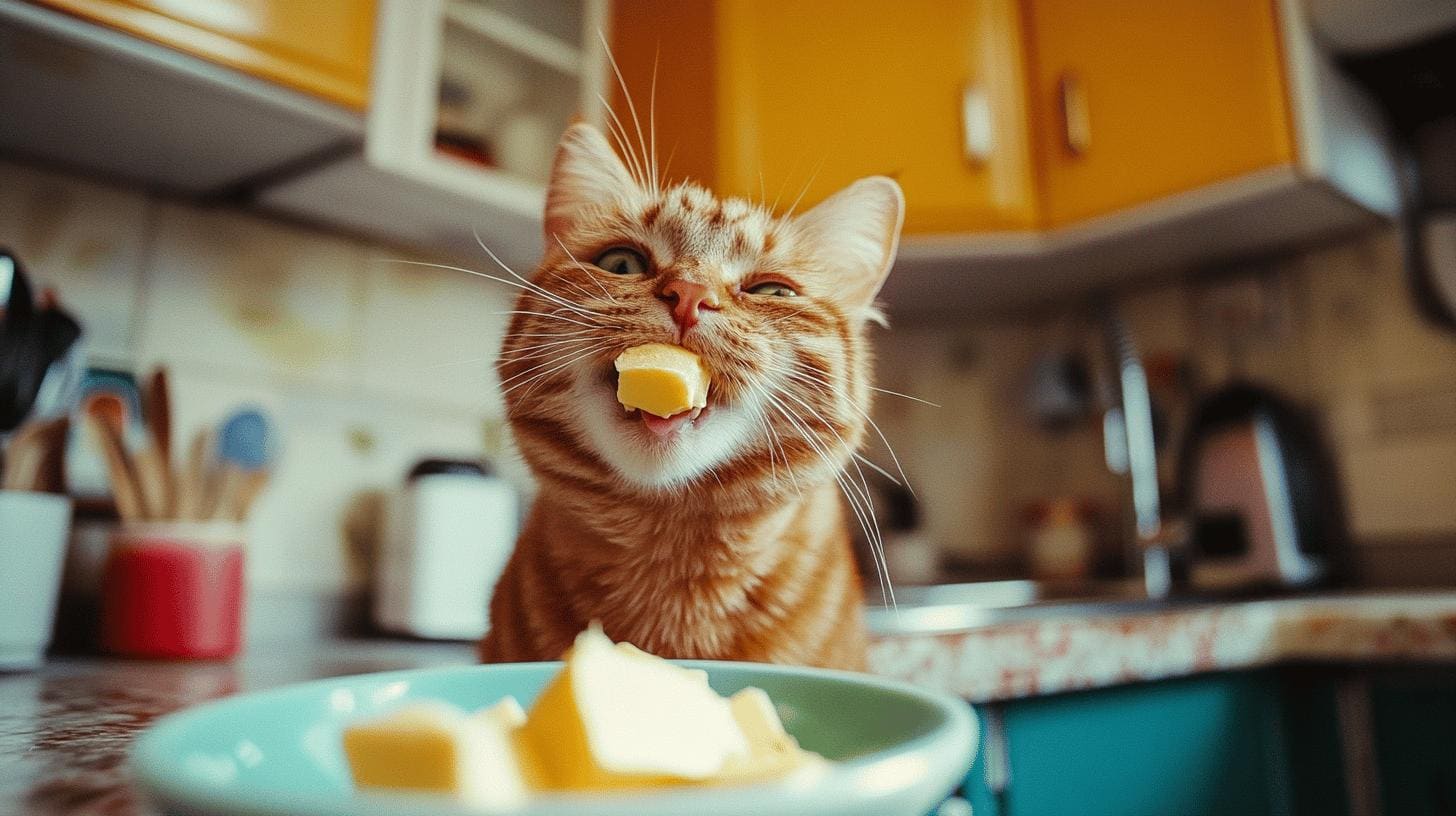
If your cat has eaten butter, there's no need to panic immediately. Butter isn't toxic, but it can lead to digestive issues. First, keep an eye on your cat for any signs of gastrointestinal distress. Ensure that your kitty has access to fresh water, as hydration can help alleviate some discomfort. You may notice changes in behavior, such as lethargy or a decrease in appetite. These signs can indicate that the butter is affecting your cat's system. If symptoms persist or worsen over the next 24 hours, it’s important to consult a veterinarian.
Watch for these symptoms that might need veterinary attention:
- Persistent vomiting
- Diarrhea lasting more than a day
- Severe abdominal discomfort or bloating
- Lethargy or unusual behavior changes
Monitoring your cat closely and acting promptly can help prevent any serious health issues from developing.