Can cats eat sardines safely and healthily? It's a question that many cat owners wonder about, especially when you consider how much these little fish can pack a punch. Sardines are not just a tasty treat but they're brimming with nutrients that can be fantastic for our feline friends. But before you crack open that can, it's important to know the right way to serve them. In our post, we'll explore the benefits and guidelines to safely include sardines in your cat’s diet, so you both can enjoy peace of mind.
Can Cats Safely Eat Sardines?
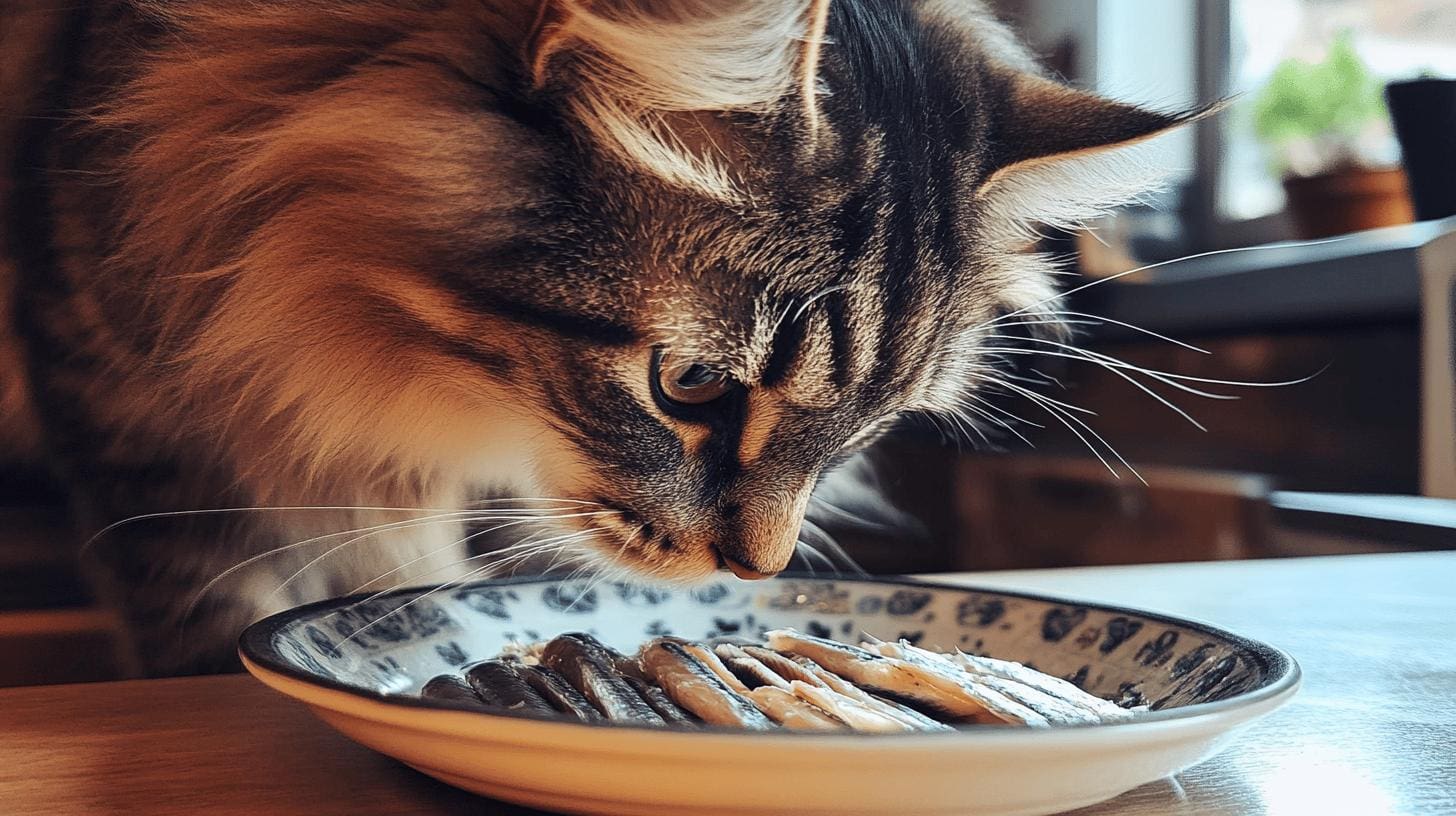
Cats can indeed eat sardines, and they often find them to be a tasty treat. Sardines are packed with nutrients that are beneficial for cats, making them a safe addition to their diet when fed correctly. It's crucial to choose sardines that don't have any added salt or oils, as these can lead to digestive issues or potential toxicity. Fresh or canned sardines are both suitable, but moderation is key to avoid any dietary imbalances. Sardines should be given as an occasional treat to complement a balanced diet, rather than as a primary food source, to keep your cat healthy and happy.
Here are the primary nutrients found in sardines that benefit cats:
- Omega-3 Fatty Acids: Promote healthy skin, a shiny coat, and reduce inflammation.
- Vitamin D: Supports bone health and overall well-being.
- Calcium: Essential for strong bones and teeth.
- Protein: Maintains muscle mass and supports growth.
- Vitamin B12 and Selenium: Enhance the immune system and support metabolic processes.
Sardines are particularly rich in omega-3 fatty acids, which are crucial for maintaining a cat's skin and coat health. These fatty acids also help reduce inflammation, which can be beneficial for cats with arthritis or other inflammatory conditions. Additionally, sardines provide a substantial amount of protein that is essential for muscle development and overall health. The inclusion of vitamins and minerals like vitamin B12 and selenium further boosts the immune system and aids metabolic functions in cats.
Feeding sardines to cats should always be done in moderation. While the nutritional benefits are clear, overfeeding can lead to issues such as obesity or nutrient imbalances. It's wise to consult a veterinarian to tailor sardine inclusion in your cat's diet, especially if there are health concerns or dietary restrictions. Pay close attention to added salt and oils, as these can cause health problems. Opt for sardines packed in water to minimize unnecessary fat and sodium intake, ensuring the safest and healthiest option for your feline friend.
Choosing the Best Sardines for Cats
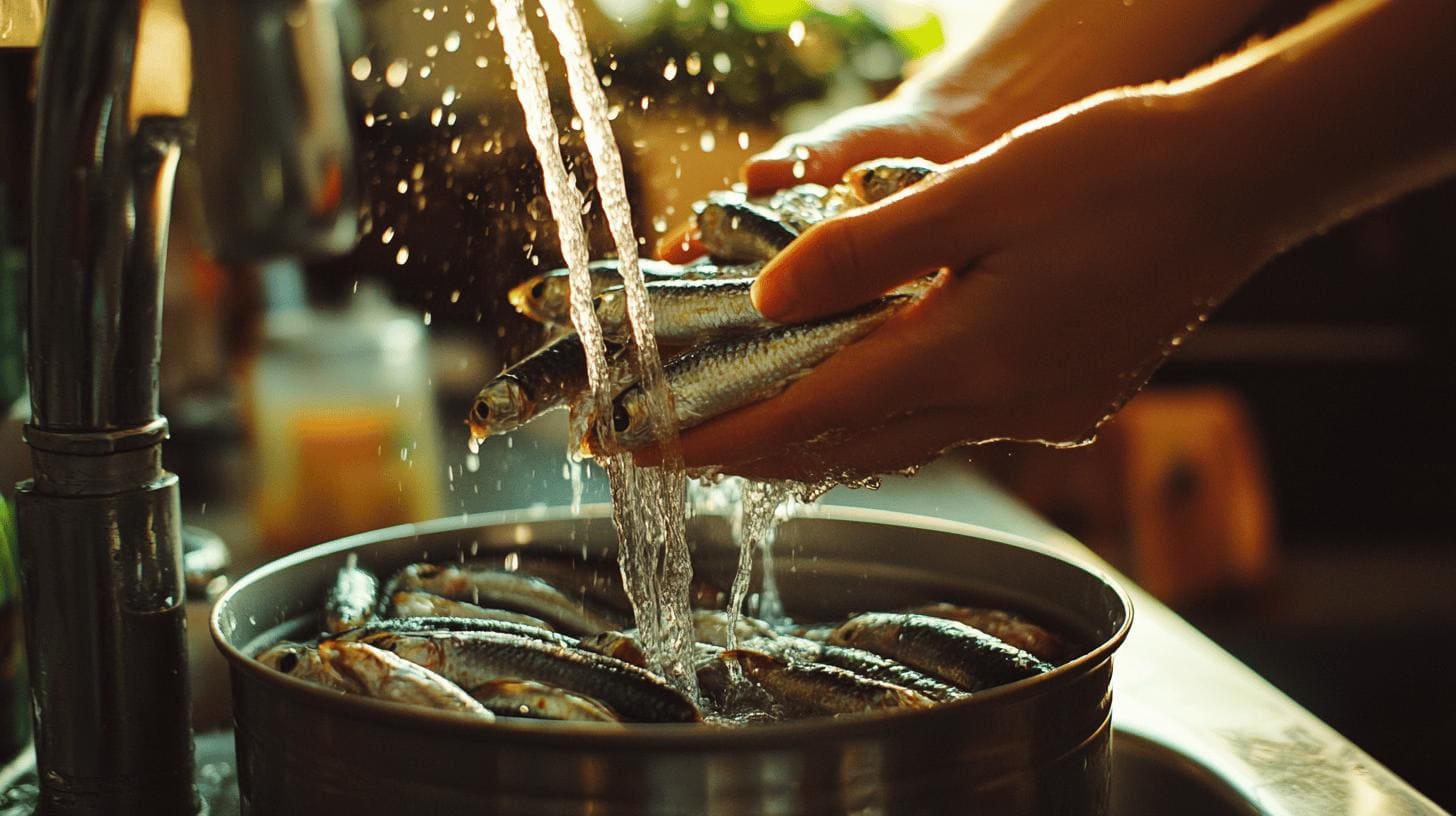
When selecting sardines for your cat, focus on safety and nutrition. Choose sardines free from added salt, oils, or preservatives, as these can cause digestive issues or toxicity. Opt for sardines packed in water, which avoids unnecessary fats. Fresh sardines are also a great choice if cooked properly to remove bacteria. Always check for harmful flavorings or sauces, like garlic or onions, that could harm your cat.
Rinsing canned or frozen sardines reduces sodium content significantly. Excessive sodium can lead to dehydration or salt poisoning in cats. A quick rinse under cold water before serving helps keep your cat's sodium intake safe and within a healthy range.
- Ensure sardines are packed in water, not oil, to avoid added fats.
- Look for labels indicating "no added salt" to minimize sodium intake.
- Avoid sardines with preservatives or artificial additives.
- Choose products labeled for human consumption to ensure quality.
- Check for any harmful flavorings or sauces, like garlic or onions.
Choosing the Best Sardines for Cats
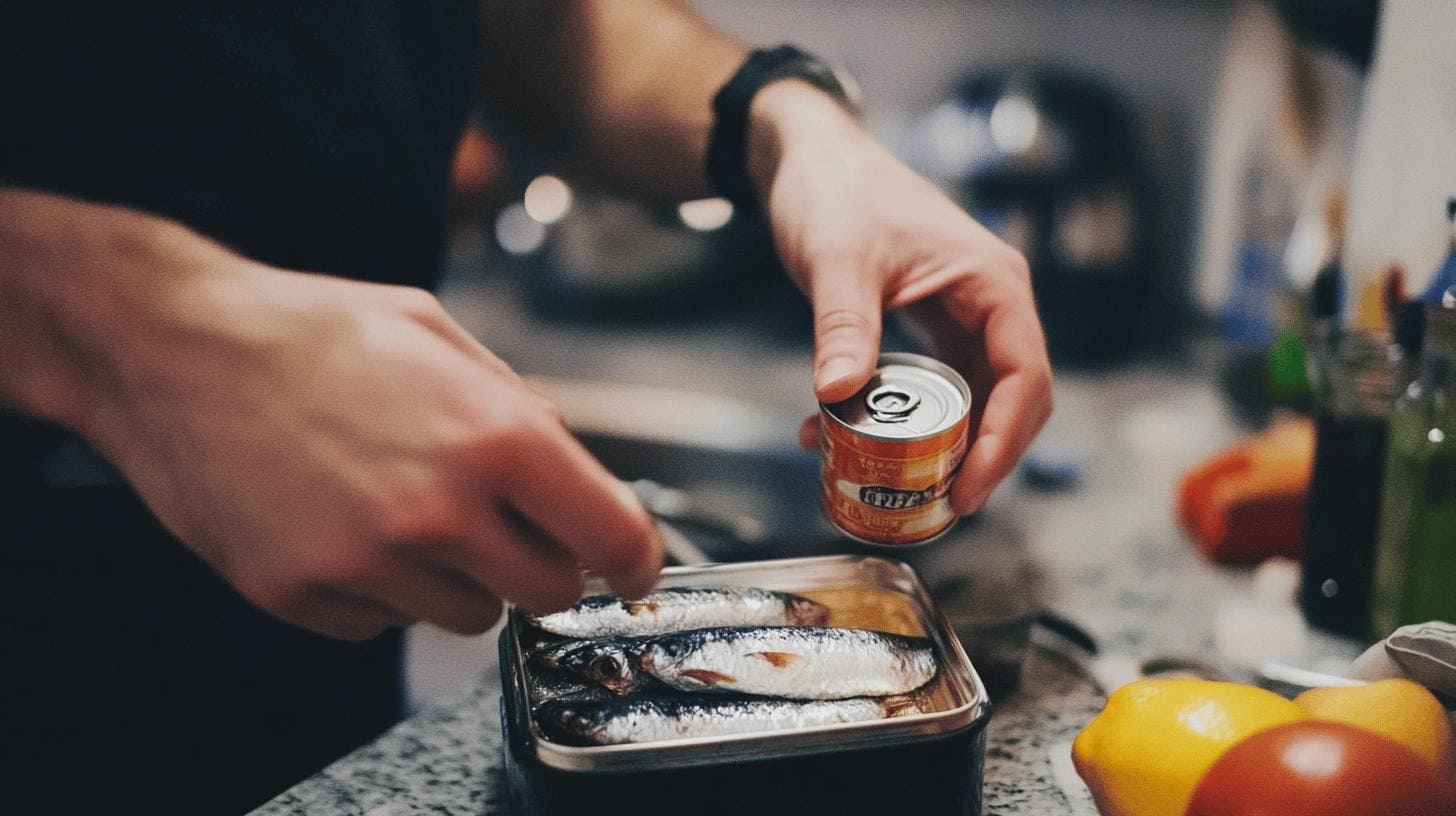
When selecting sardines for your cat, there are key differences between canned and fresh options. Canned sardines are convenient and available year-round. They're pre-cooked during the canning process, ensuring they're free from harmful bacteria. Opt for those packed in water without added salt, oils, or sauces to avoid digestive issues. This makes canned sardines a safe, ready-to-use option for your feline friend.
Fresh sardines offer freshness and high nutritional value, including protein and omega-3 fatty acids. These nutrients can enhance your cat's coat and skin health. However, it's crucial to cook fresh sardines thoroughly to eliminate any bacterial risks. Though they require more preparation, fresh sardines can be a wholesome addition to your cat’s diet.
| Type | Pros | Cons |
|---|---|---|
| Canned Sardines | Convenient, safe from bacteria, available year-round | Potential for added salt or oils, less natural |
| Fresh Sardines | More natural, no preservatives, high in nutrients | Requires proper cooking, less convenient |