Can cats truly indulge in their leafy obsession, the catnip plant, without worry? While catnip is famous for sending our feline friends into playful frenzies or gentle relaxations, it's not without its quirks. This green delight is safe if enjoyed in moderation, but too much nibbling can end in minor tummy troubles. Let's unravel what makes catnip so tempting, understand its effects, and ensure our furry companions can safely savor this treat. Join me as we explore safe catnip consumption and potential side effects.
Comprehensive Guide to Safe Catnip Consumption and Potential Side Effects
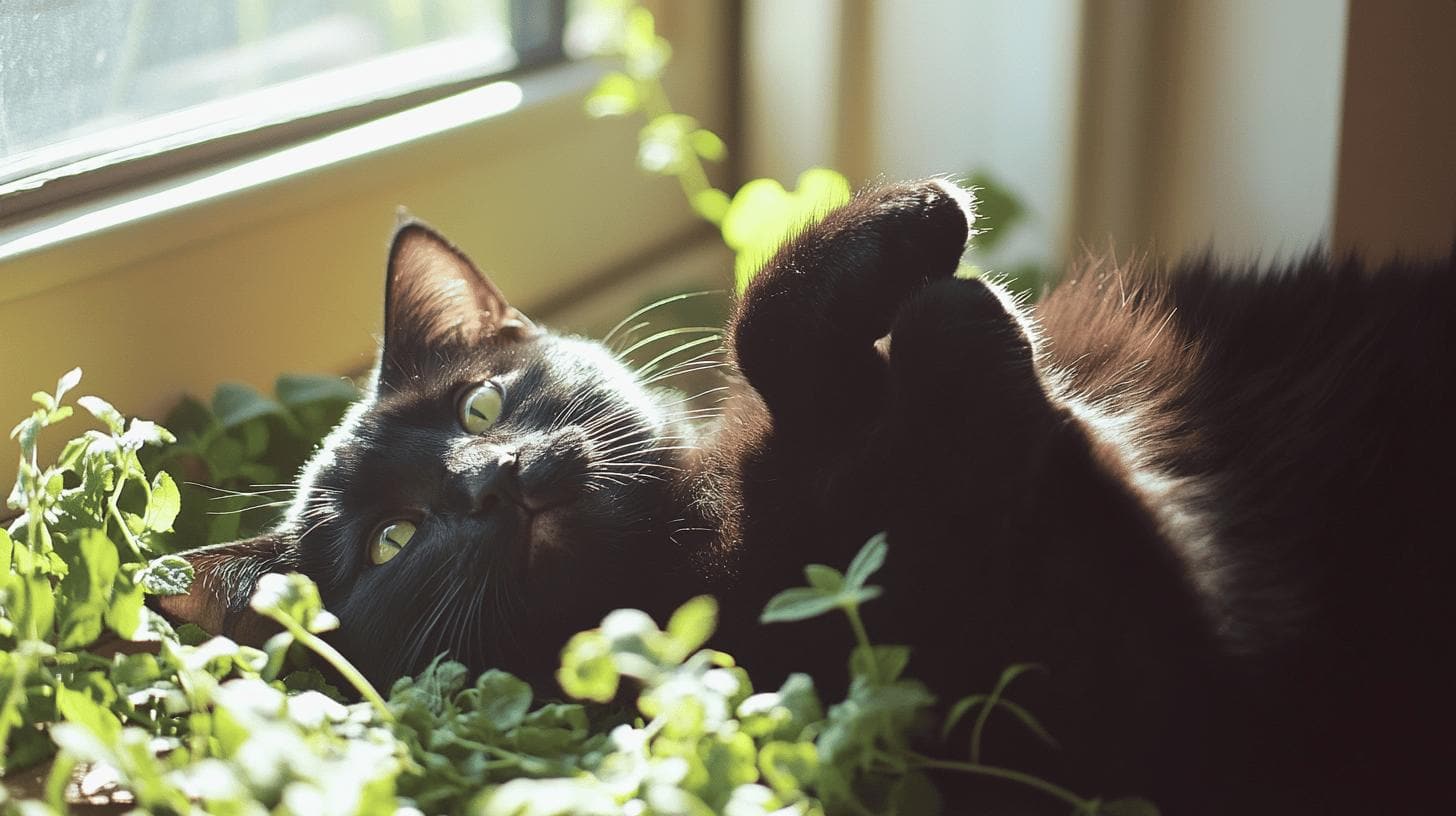
Catnip, known scientifically as Nepeta cataria, is a herb from the mint family that contains a compound called nepetalactone. This compound is responsible for the psychoactive effects catnip has on cats. When cats sniff or ingest catnip, they may exhibit a range of behaviors, from playful and energetic to calm and relaxed. While catnip is generally safe for cats to consume, it's important to ensure they only have it in moderation since too much catnip could lead to some mild issues.
Eating catnip can sometimes cause minor digestive disturbances in cats, such as nausea or vomiting, especially when consumed in large quantities. It's crucial to introduce catnip gradually and observe how your cat responds. Moderation is not only key to preventing stomach upset, but it also helps avoid the development of tolerance, ensuring that your cat continues to enjoy its effects without needing increasingly larger amounts.
Here are five safe ways to introduce catnip to your cat's diet and manage its use effectively:
- Sprinkle dried catnip on your cat's favorite toys or bedding to encourage play and relaxation.
- Offer fresh catnip leaves as an occasional treat, but monitor the quantity to prevent overconsumption.
- Use catnip-infused sprays on scratching posts or cat trees to promote healthy scratching behavior.
- Create a catnip tea by steeping dried leaves and letting your cat sip the cooled liquid.
- Incorporate catnip into homemade treats for a special occasion, ensuring the amounts are small.
Symptoms of overconsumption include vomiting, diarrhea, or excessive drooling. If these occur, it's best to take a break from offering catnip. To prevent these symptoms, limit catnip exposure to a few times a week. A small pinch of dried catnip or a couple of fresh leaves per session is typically enough to achieve the desired effects without causing discomfort.
Monitoring your cat's reaction to catnip is essential, particularly if they show signs of aggression or hyperactivity. While rare, some cats may become overly excited or even aggressive after exposure. These reactions should be watched closely, as regular use might exacerbate such behavior. Long-term use of catnip should always be balanced with periods of absence to ensure your cat maintains a healthy response.
If your cat shows adverse reactions or loses interest in catnip, it's wise to discontinue use and consult a veterinarian. They can provide insights into your cat's health and suggest alternatives if necessary. Regular veterinary consultations are important to keep your furry friend happy and healthy, especially when introducing new treats or experiences like catnip.
Effects of Catnip on Cat Behavior

Catnip changes behavior through nepetalactone, which binds to receptors in a cat's nasal tissue. This binding stimulates sensory neurons, leading to shifts in behavior. These changes are usually short-lived and last about 15 minutes.
Common behaviors include playful rolling, face rubbing, and purring. Some cats become hyperactive, chasing invisible targets. A few might show negative reactions like agitation or aggression, especially under stress.
| Behavior | Typical Reaction | Duration |
|---|---|---|
| Rolling | Playful and relaxed | 15 minutes |
| Purring | Content and happy | 15 minutes |
| Increased activity | Energetic and lively | 15 minutes |
| Agitation | Agitated or aggressive | 15 minutes |
Aggressive reactions like hissing or swatting are less common but need monitoring. If aggression happens often, consider reducing catnip exposure.
Individual reactions vary. Observe your cat's behavior with catnip to understand their comfort and enjoyment. Adjust usage to ensure safety and happiness.