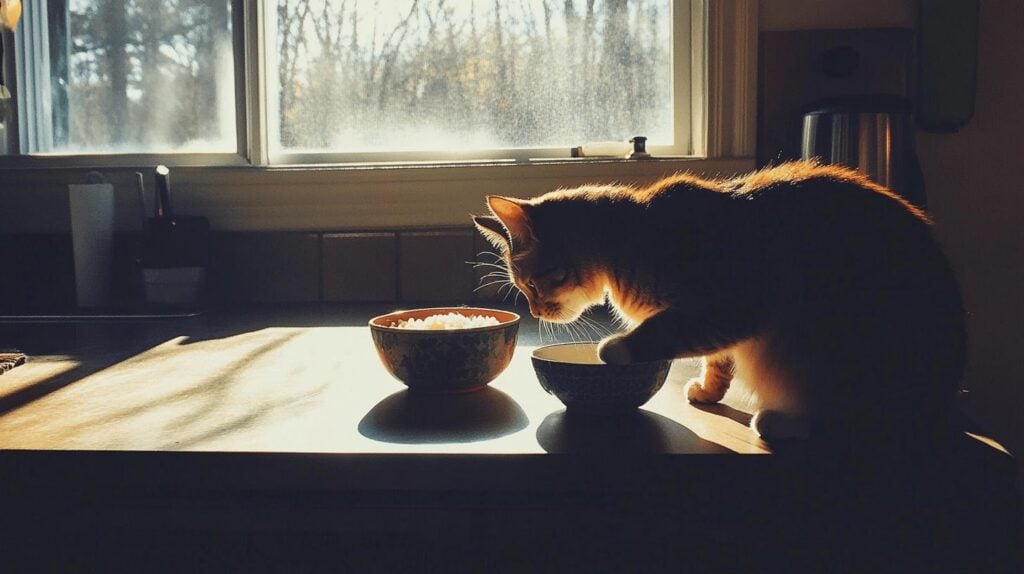
Ever wonder why your cat seems to prefer your dining table over their cozy bed? It’s not just curiosity—cats are natural climbers. They crave high perches to satisfy their instincts. Understanding why they climb can help us train them to keep their paws off our tables. By using smart training techniques, we can redirect their climbing urges to more suitable places. This not only saves your dinner from being a cat-nap zone but also ensures your feline friend stays entertained and stress-free. Let’s dive into effective ways to tackle this common cat owner challenge.
Understanding Why Cats Climb on Tables and Transitioning to Effective Training
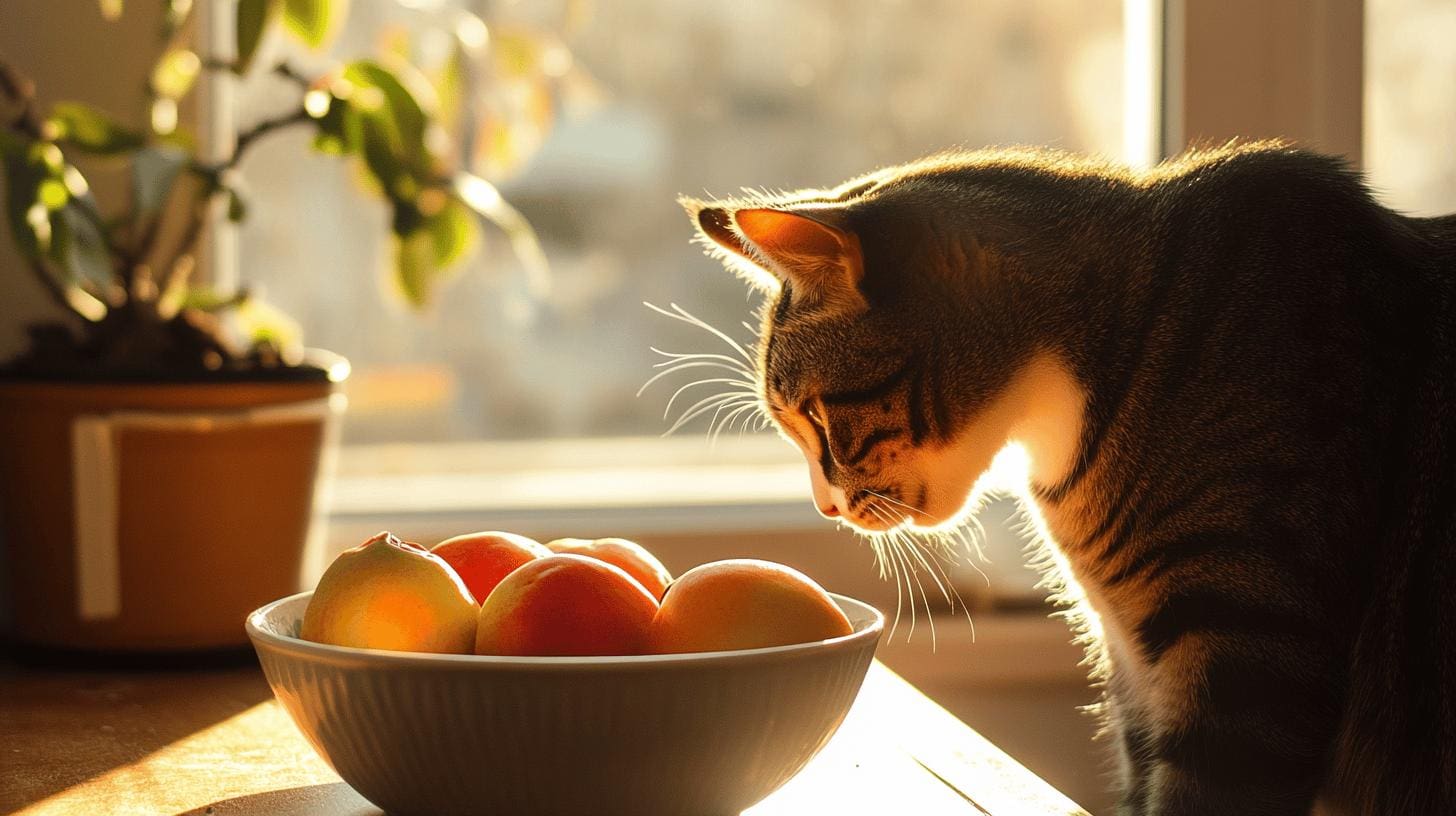
Cats have a natural instinct to climb. They are athletic creatures who love to seek high places for better views and safety. Their curiosity often leads them to explore areas like kitchen counters, where they might find interesting objects or delicious smells. Sometimes, they just want to be closer to their humans. Recognizing these motivations helps us understand why our feline friends can’t resist the allure of climbing.
Knowing why cats climb is the first step in training them effectively. By understanding their behavior, we can tailor training strategies that address their needs. Instead of scolding, we can provide alternatives like cat trees or shelves to satisfy their climbing urges. Positive reinforcement, such as rewarding them for staying off tables, encourages better behavior. Emphasizing patience and consistency in training ensures that our strategies are not only effective but also stress-free for our furry companions.
Effective Cat Training Techniques to Discourage Table Climbing

Positive reinforcement is the key to training cats. It rewards good behavior without punishment. Cats love rewards, which makes them repeat good actions. You can teach your cat to stay off tables using this method.
Use these tools and methods for positive reinforcement:
- Clicker Training: Click when your cat behaves, then give a treat.
- Treat Rewards: Offer a treat each time your cat avoids the table.
- Verbal Praise: Use a happy voice to praise good behavior.
- Interactive Toys: Keep your cat’s attention off the table with fun toys.
- Cat Trees: Provide a climbing alternative to satisfy instincts.
Consistency and patience are crucial in training. Cats need time to learn. Keep reinforcing good behavior. Make training fun and short to engage your cat. Avoid negative actions like spraying water or yelling. These can cause anxiety.
Think of training as a game. This helps you stay patient. It also keeps the environment stress-free. By focusing on positive reinforcement, you encourage your cat to stay off tables. This approach strengthens your bond with your cat.
Combining Deterrents, Environmental Modifications, and Cat-Friendly Alternatives
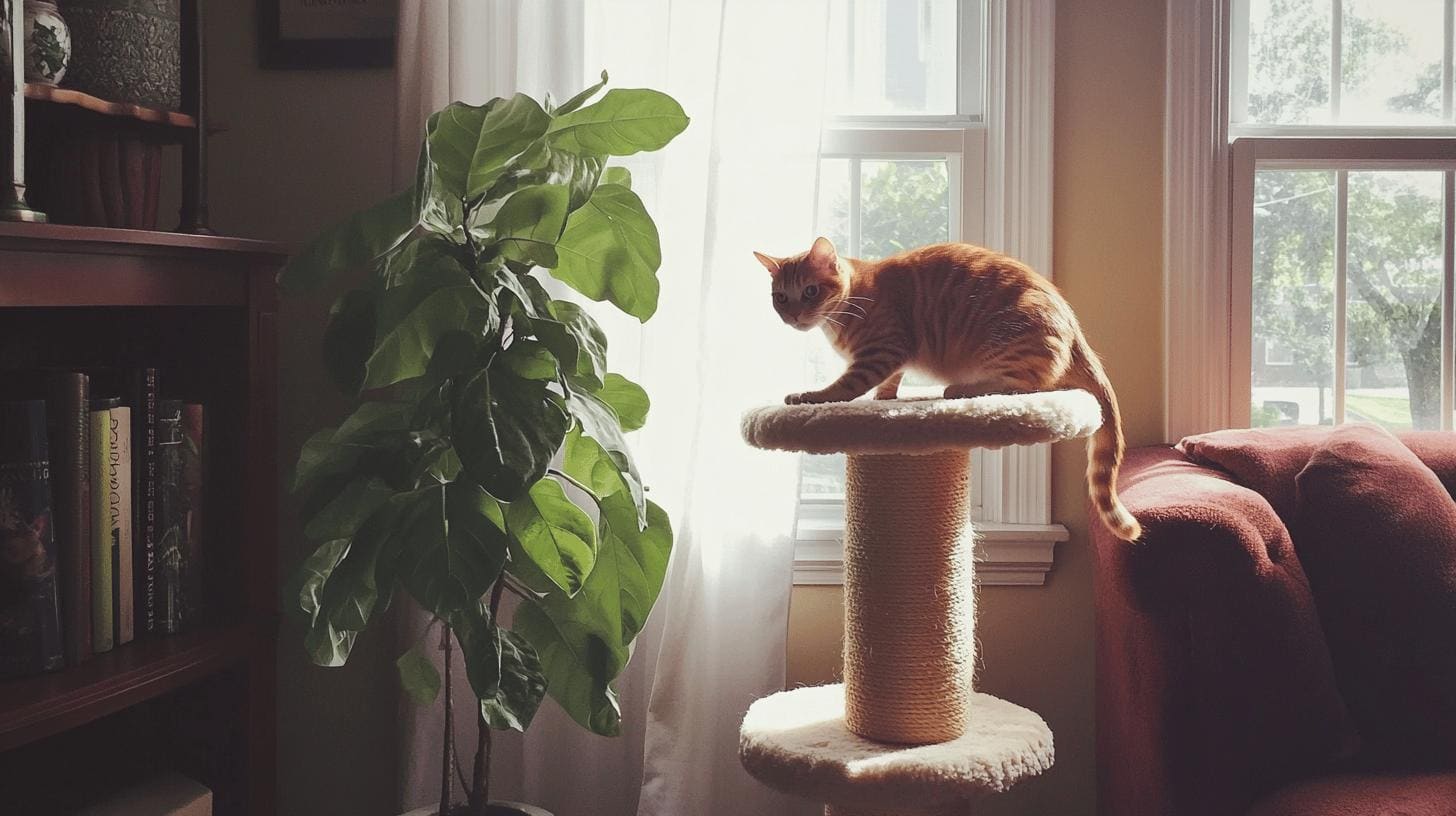
Creating a home environment that deters table climbing starts with making some changes. Rearrange furniture to prevent easy access to tempting surfaces. Introduce cat trees or shelves that offer safe climbing spaces. These alternatives satisfy your cat’s natural instincts without letting them leap onto tables. Keep counters clear of food and clutter to reduce the allure of forbidden spaces. Sometimes, simply moving a chair away from the table can stop a cat from jumping up.
Using deterrents can also help in keeping your cat off tables. Here are a few options to consider:
- Motion Detectors: Devices that emit a sound or spray when your cat approaches.
- Pet-Safe Sprays: Use scents that cats dislike but are safe for them.
- Double-Sided Tape: Cats dislike sticky surfaces; place it where they frequent.
- Aluminum Foil: Place it on tables to deter climbing with the sound and texture.
Setting up cat-friendly zones is another effective strategy. Designate areas with towers or shelves that encourage climbing and exploring safely. These zones can keep your cat engaged and away from forbidden surfaces. Adding toys or treats to these areas can make them more appealing. Ensure these zones are in places where your cat feels comfortable and can observe their surroundings. This satisfies their need to stay high without causing trouble.
| Solution | Benefit |
|---|---|
| Cat Trees | Provides a safe climbing alternative |
| Window Perches | Offers a spot to watch and relax |
| Shelves | Creates elevated pathways and exploration routes |
| Cat Towers | Keeps cats entertained and off tables |
By combining these deterrents, modifications, and alternatives, you can create a balanced environment. It may take some experimenting to find the best combination for your cat. Providing appealing options and making small adjustments can lead to a happier, more manageable home for both you and your feline friend.