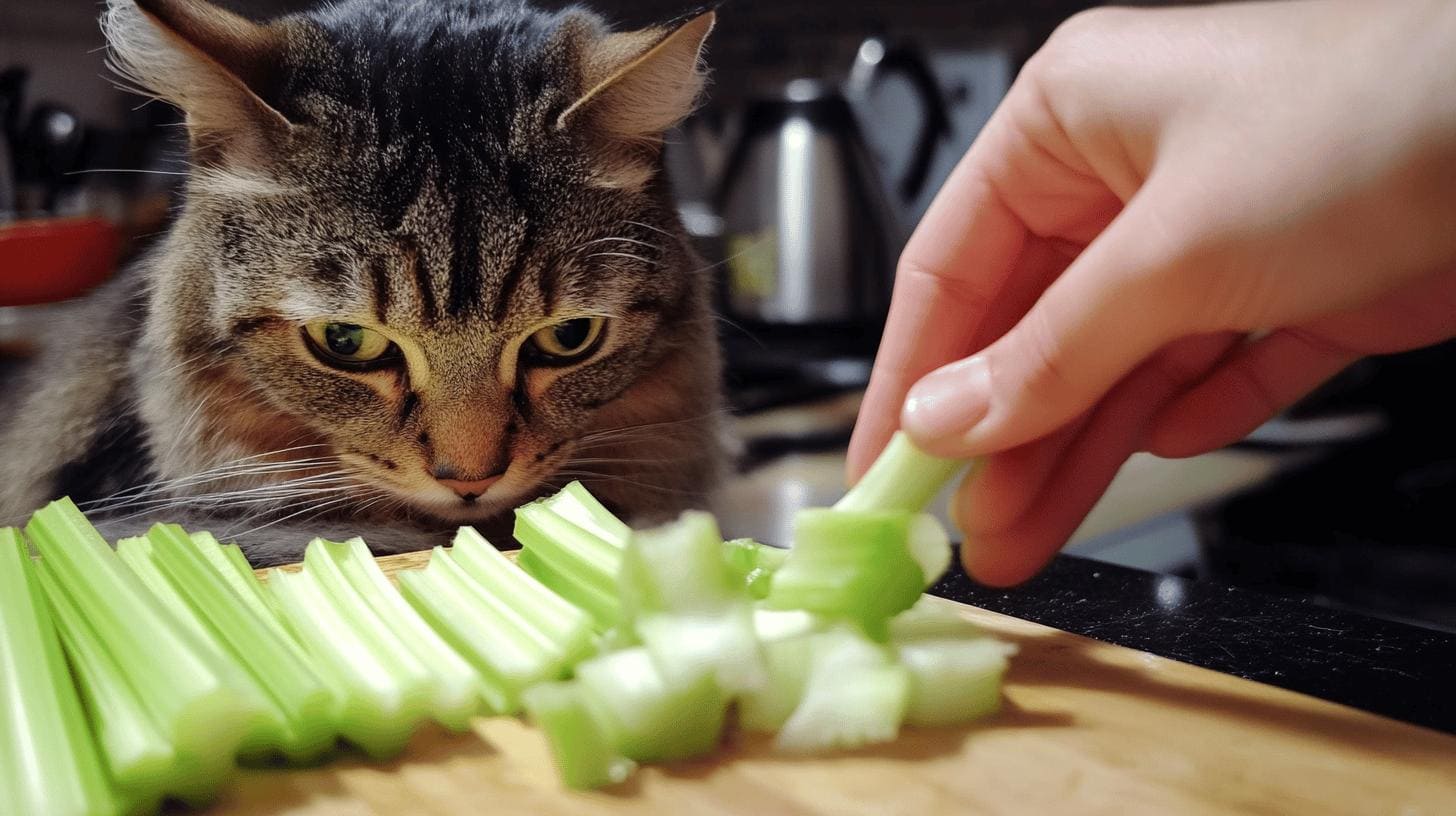
Ever wondered if your cat could munch on crunchies like celery? It's not as strange as it sounds! While cats are mainly meat-eaters, some munch on veggies, too. So, can they eat celery? The short answer: yes, but with a few conditions. In this guide, I’ll dive into the safety and nutritional insights of feeding celery to cats. You'll discover why it might be an interesting snack, what to watch out for, and how to make it work while ensuring your cat's health stays in check.
Safety and Potential Risks of Feeding Celery to Cats
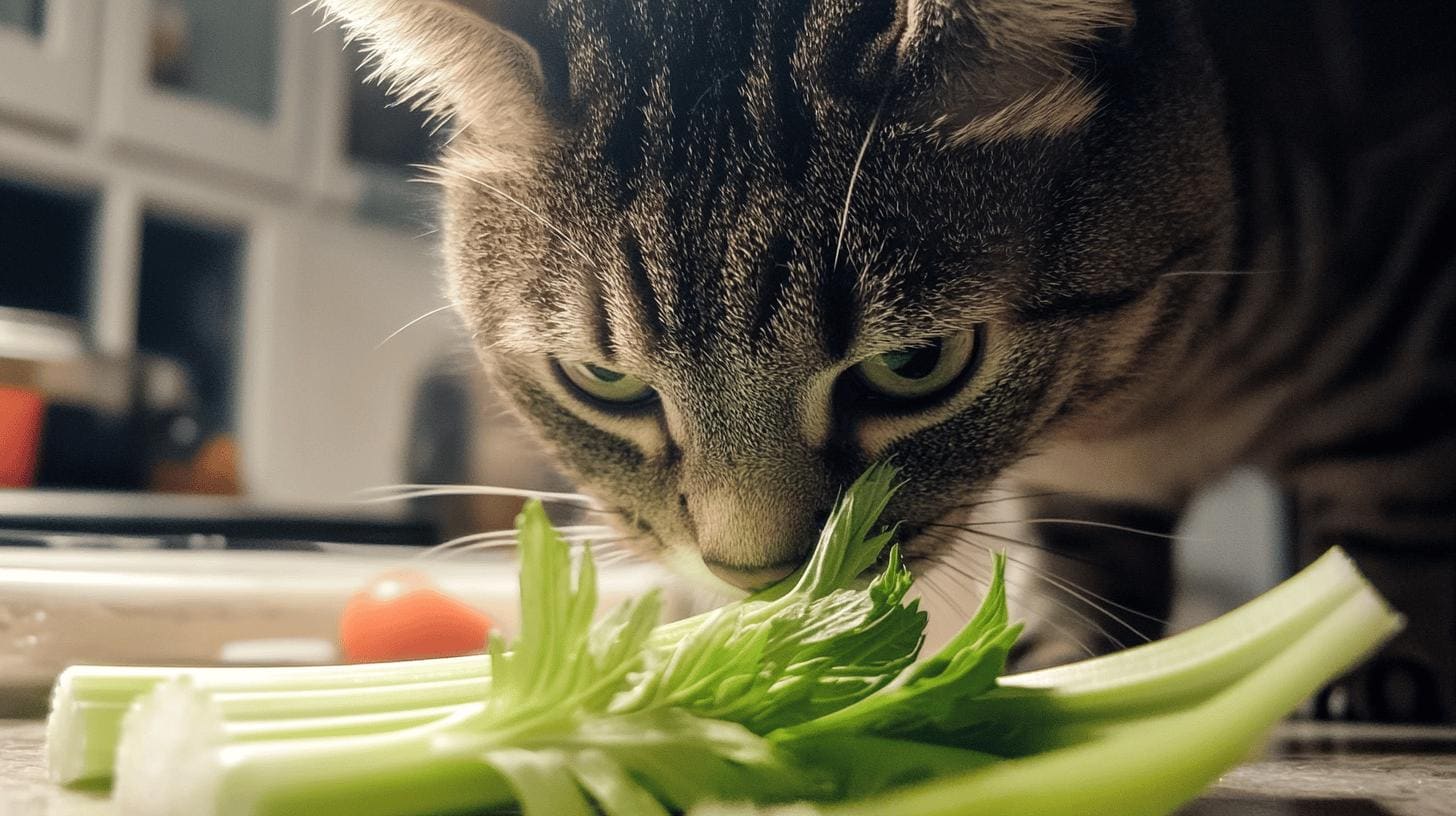
Cats can eat celery, and it is generally safe for them in moderation. Celery is non-toxic to cats, making it an acceptable treat option when prepared correctly. The key is to serve it as an occasional snack, not a regular part of their diet. By doing so, you can ensure that your feline friend enjoys the variety without any adverse effects.
Despite the fact that celery is safe, it's important to remember that cats are obligate carnivores. Their primary dietary requirement is meat, which provides essential nutrients that plant-based foods can't fully supply. While celery can offer a nice change of pace, it should never replace the meat-based meals that are crucial for their health and well-being.
Celery has a high water content, which can be beneficial for cats, especially those that don’t drink enough water on their own. The hydration boost from munching on celery can aid in keeping your cat's kidneys and urinary tract in good health. This makes it an interesting supplement for providing extra moisture in their diet without adding additional calories or fat.
There are potential risks when feeding celery to cats. The fibrous strings in celery stalks can pose a choking hazard, so it's important to cut it into small, manageable pieces. In rare cases, cats might have allergic reactions to celery, so it's wise to introduce it slowly and watch for any unusual symptoms.
If your cat consumes too much celery, they may experience an upset stomach. Signs of overconsumption include vomiting or diarrhea. If these occur, contacting your veterinarian for advice is a smart move.
Nutritional Value and Benefits of Celery for Cats
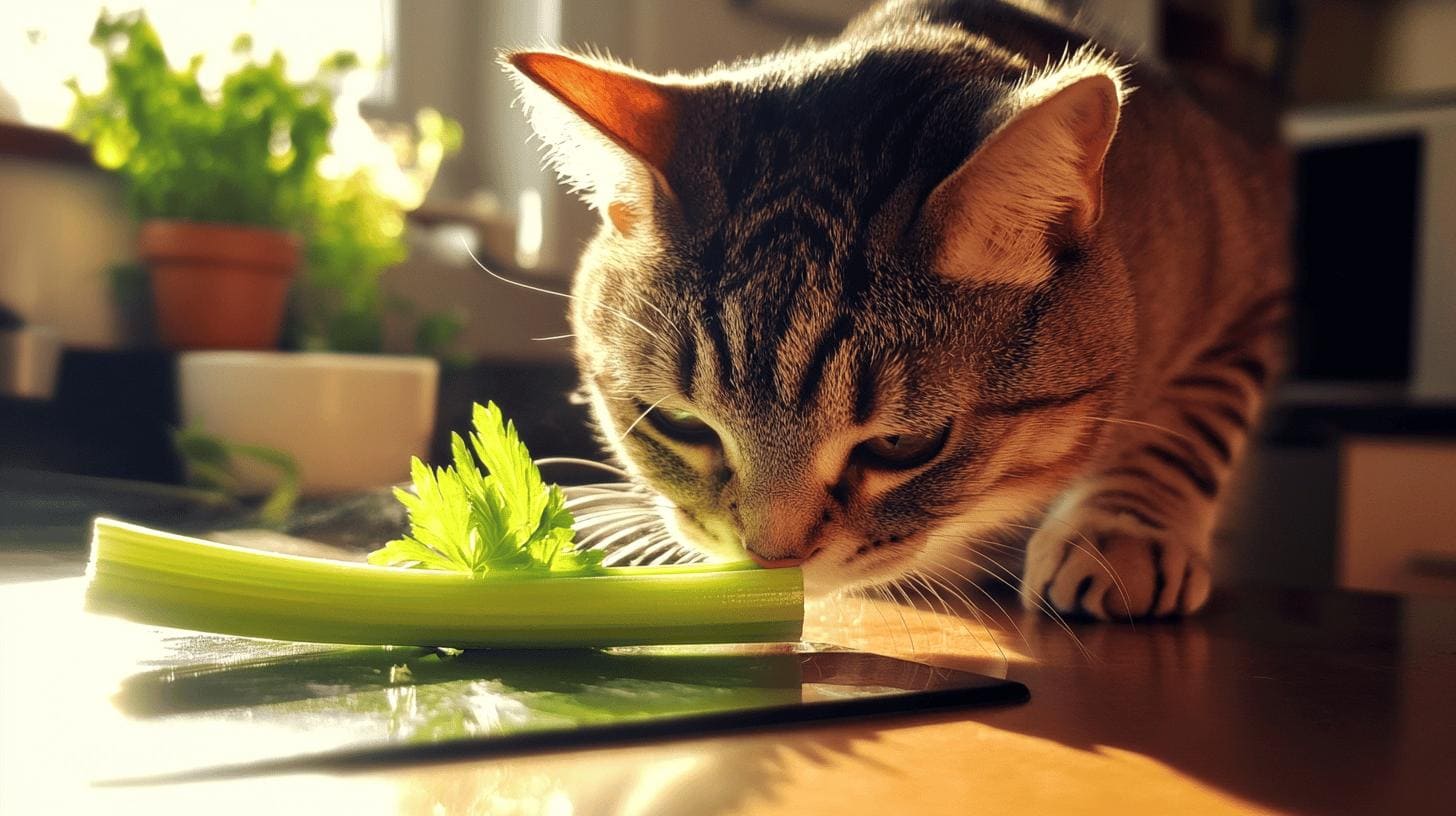
Celery isn't just a crunchy snack for humans; it offers some nutritional perks that can benefit our feline friends as well. This veggie is packed with vitamins A, C, and K, which play a role in maintaining various bodily functions. Vitamin A supports vision and skin health, vitamin C acts as an antioxidant, and vitamin K is important for blood clotting.
Celery also contains minerals like potassium and calcium, contributing to muscle function and bone health, respectively. Given its low-calorie nature, celery can be a guilt-free treat for cats when served in moderation.
Fiber in celery can be a digestive aid for cats, helping to keep their digestive systems running smoothly. It can support regular bowel movements and prevent constipation. However, too much fiber isn't ideal for cats, whose digestive systems are primarily adapted for processing meat.
Excessive consumption of celery might lead to gastrointestinal upset, such as diarrhea or stomach discomfort. Thus, it's crucial to offer celery in small quantities to strike a balance between enjoying its benefits and preventing any potential digestive issues.
| Nutrient | Benefit |
|---|---|
| Vitamin A | Supports vision and skin health |
| Vitamin C | Acts as an antioxidant |
| Vitamin K | Important for blood clotting |
| Fiber | Supports digestive health |