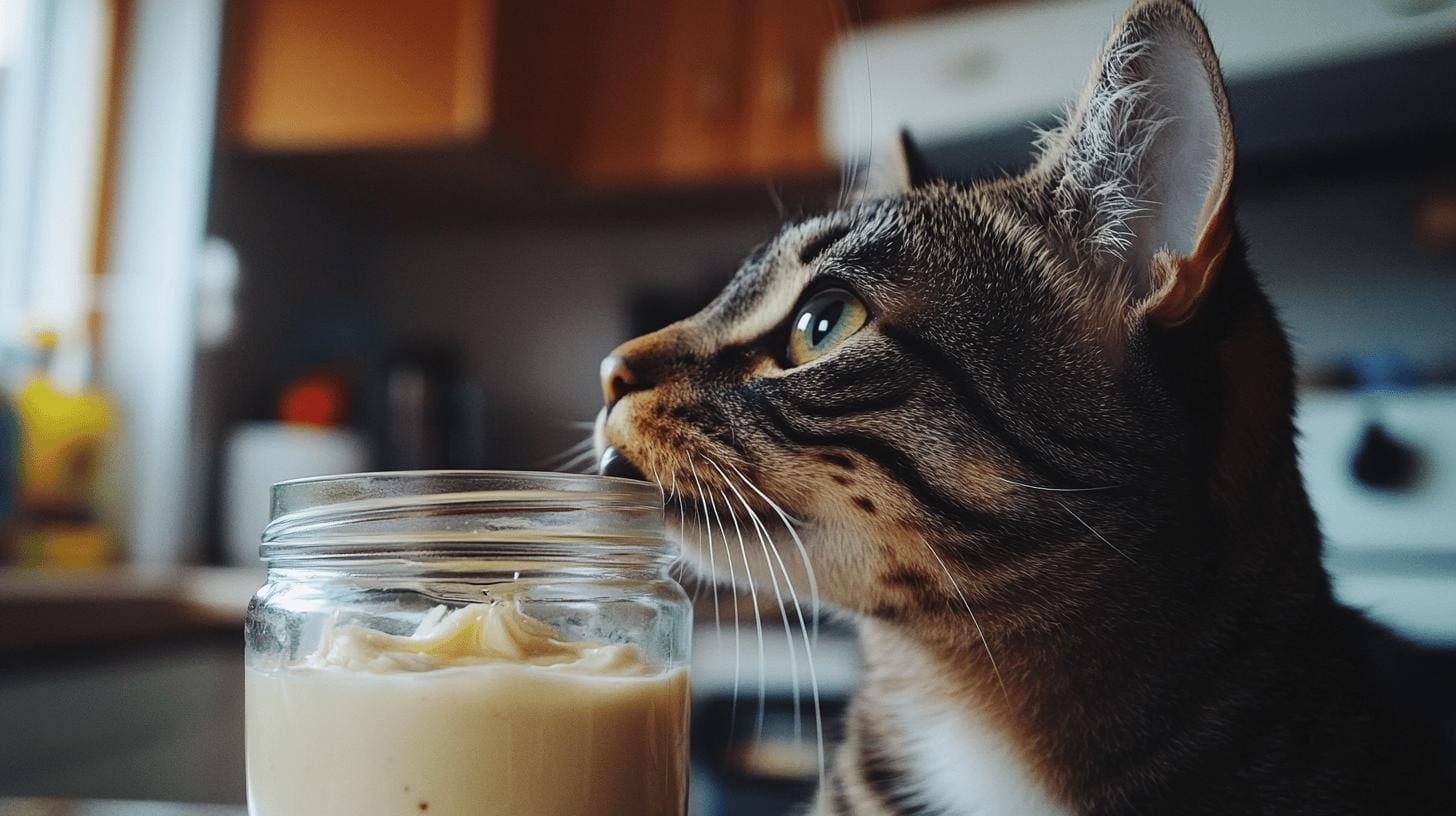
Is a dollop of mayonnaise actually safe for your cat to lick up, or does it spell trouble? It's a common curiosity among cat owners. After all, our feline friends have a knack for exploring everything—including our food. While mayonnaise isn't toxic for cats, it's worth considering if this creamy condiment should be part of their treat repertoire. In this article, we'll break down the ingredients found in mayonnaise and explore their effects on cats. By the end, you'll know whether to keep that mayo dish out of reach or not.
Can Cats Eat Mayonnaise Safely?
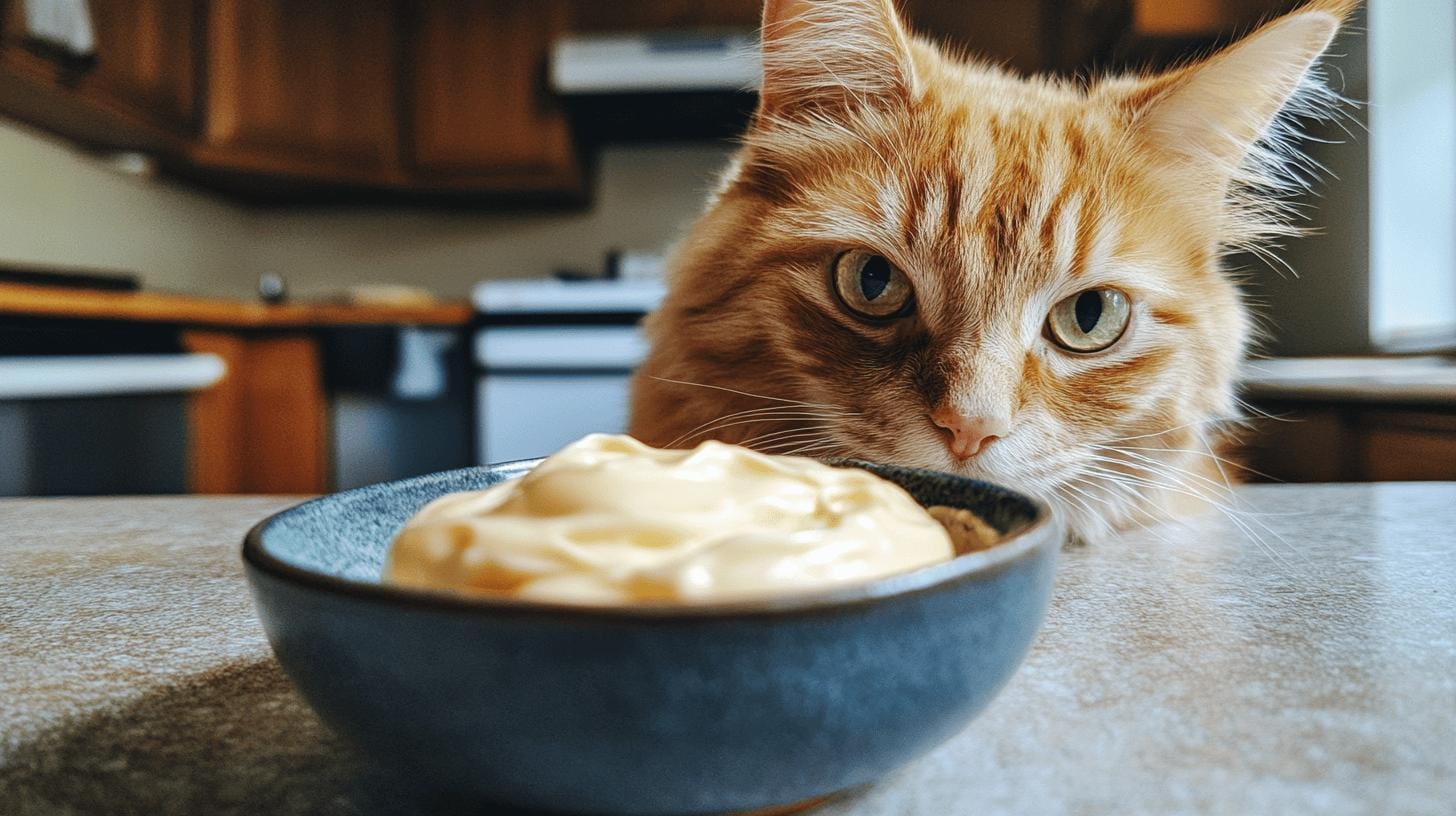
Cats can indulge in a small taste of mayonnaise without any major health concerns. The main ingredients in mayonnaise—such as eggs, oil, and vinegar—are not toxic to cats. However, mayonnaise is not recommended as a regular part of their diet because it is high in fat and lacks nutritional benefits.
Mayonnaise typically consists of soybean oil, eggs, vinegar, salt, and sugar. These ingredients are generally safe for cats in tiny amounts. Soybean oil contributes to the high-fat content, which can lead to obesity if consumed frequently. Eggs provide some nutritional benefits, but the presence of salt and sugar adds unnecessary elements to a cat's diet without offering much value.
While cats can tolerate small quantities of these ingredients, moderation is key. Regular consumption can lead to digestive issues and weight gain. It's best to keep mayonnaise as an occasional treat, if at all. By focusing on moderation, you ensure that your feline friend stays healthy while enjoying a balanced diet. Remember, there are plenty of healthier treats available that provide better nutritional support for your cat's well-being.
Ingredients in Mayonnaise and Their Impact on Cats
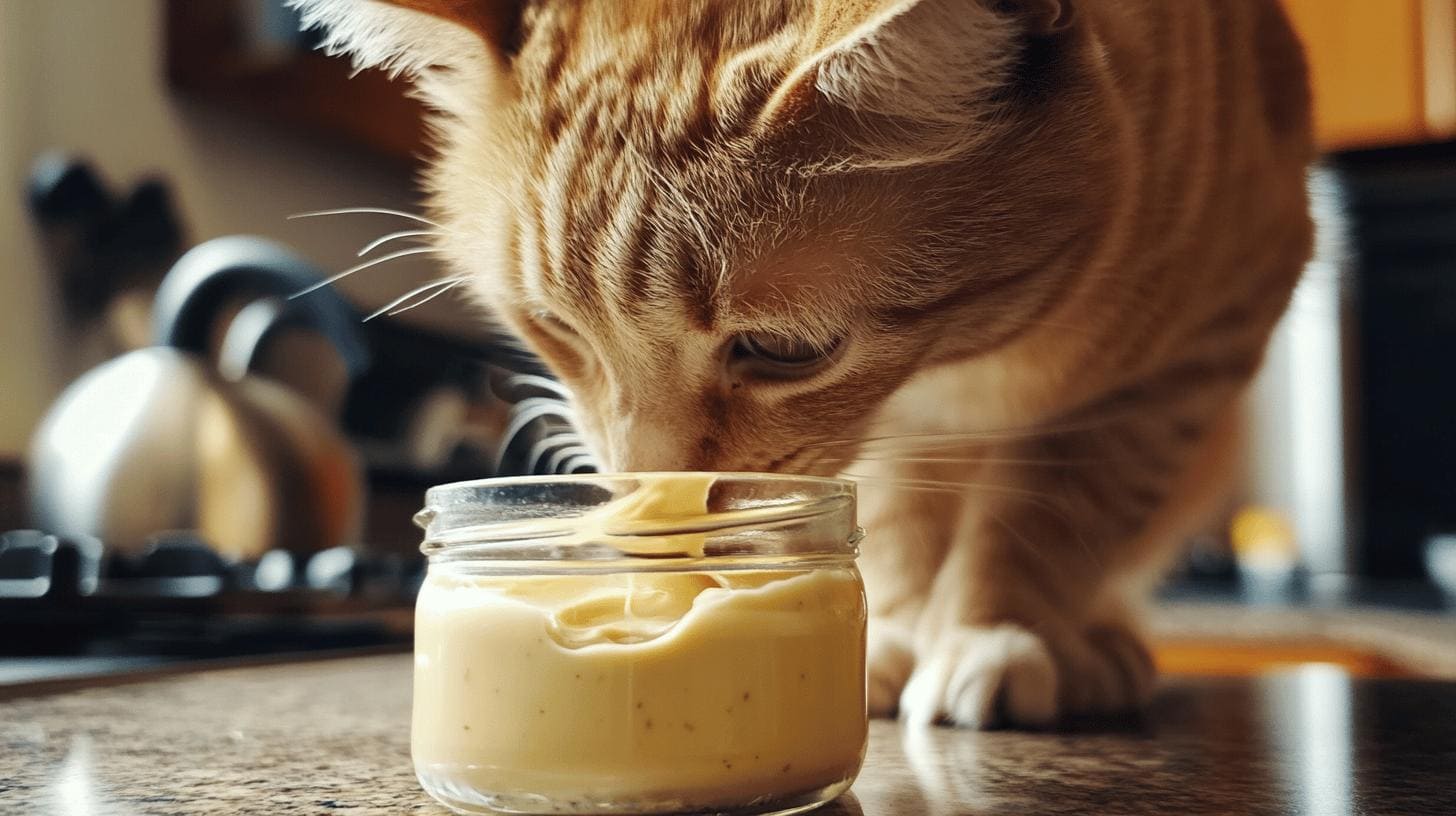
Mayonnaise contains soybean oil, eggs, salt, sugar, vinegar, lemon juice, and sometimes mustard. These ingredients, while not harmful in small amounts, can affect a cat's health if consumed too often. Here's a concise look at each ingredient's impact.
Soybean Oil
Soybean oil is rich in fats, contributing significantly to the high-fat content of mayonnaise. While cats need some fat in their diet, too much can cause obesity and related health issues. Keeping an eye on your cat's fat intake is crucial to prevent weight gain and digestive issues.
Eggs
Eggs provide protein and nutrients that are beneficial for cats. However, excessive consumption can lead to dietary imbalances and add to the fat content, increasing the risk of obesity.
Salt and Sugar
Cats can handle small amounts of salt, but it doesn't offer any nutritional value. Sugar is unnecessary and should be minimized in a cat's diet. Both ingredients contribute little to a cat's health and should be limited.
Vinegar and Lemon Juice
Vinegar and lemon juice are not toxic to cats in small doses. However, vinegar is often used as a natural cat repellent, which might make mayonnaise less attractive to them. These acidic components don't provide nutritional benefits.
Mustard
Mayonnaise with mustard might include preservatives and additives that could trigger allergic reactions in cats. It's safer to avoid mayonnaise containing mustard to prevent adverse effects.
The cumulative effects of these ingredients, especially the high-fat content, can lead to obesity and digestive problems. It's best to offer mayonnaise sparingly, if at all, and focus on healthier alternatives for your cat.
Health Risks of Feeding Mayonnaise to Cats
If a cat consumes too much mayonnaise, it can lead to several concerning symptoms. Overeating this fatty condiment can cause nausea and vomiting, as the cat's system struggles to process the excess fat. Diarrhea may occur, potentially leading to dehydration if not addressed. Lethargy might follow, with a noticeable drop in the cat's energy levels due to digestive distress. Monitoring your cat for these signs can help prevent serious health complications.
- Nausea
- Vomiting
- Diarrhea
- Lethargy
Watching out for these warning signs is crucial. If your cat exhibits these symptoms after eating mayonnaise, consulting a veterinarian is advisable. Always opt for healthier treats for your feline friend.