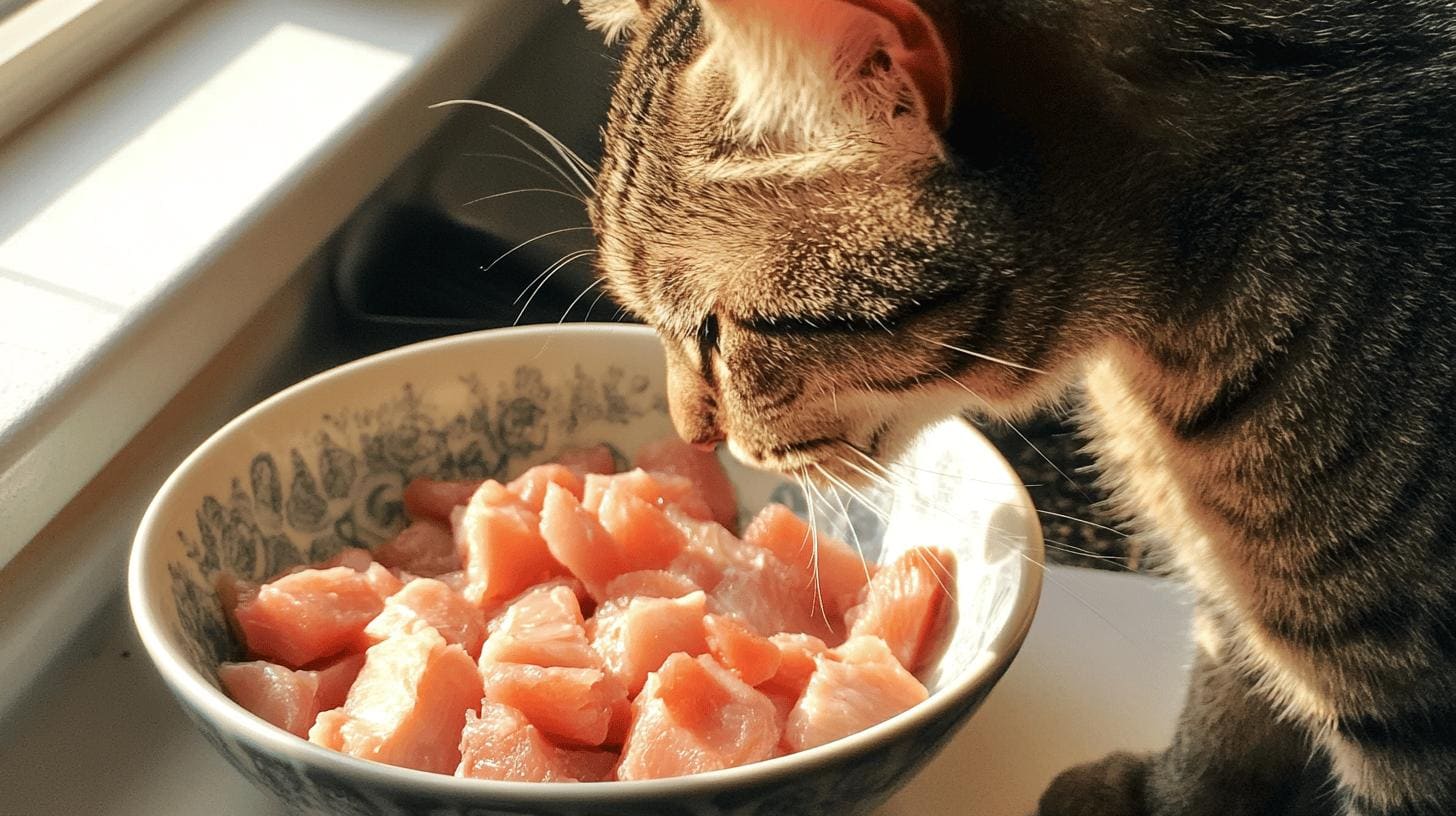
Can your cat safely munch on chestnuts or are they better left out of its diet? As a cat owner, it's natural to wonder if your furry friend can enjoy the same foods as you. Before sharing this treat, it's important to know the facts.
Cats are obligate carnivores, thriving on diets rich in animal protein. Chestnuts, though not toxic, don't fit into that category. They might cause digestive issues and pose serious health risks. Let’s dive into the safety and nutritional aspects to ensure your cat stays healthy and happy.
Can Cats Eat Chestnuts?
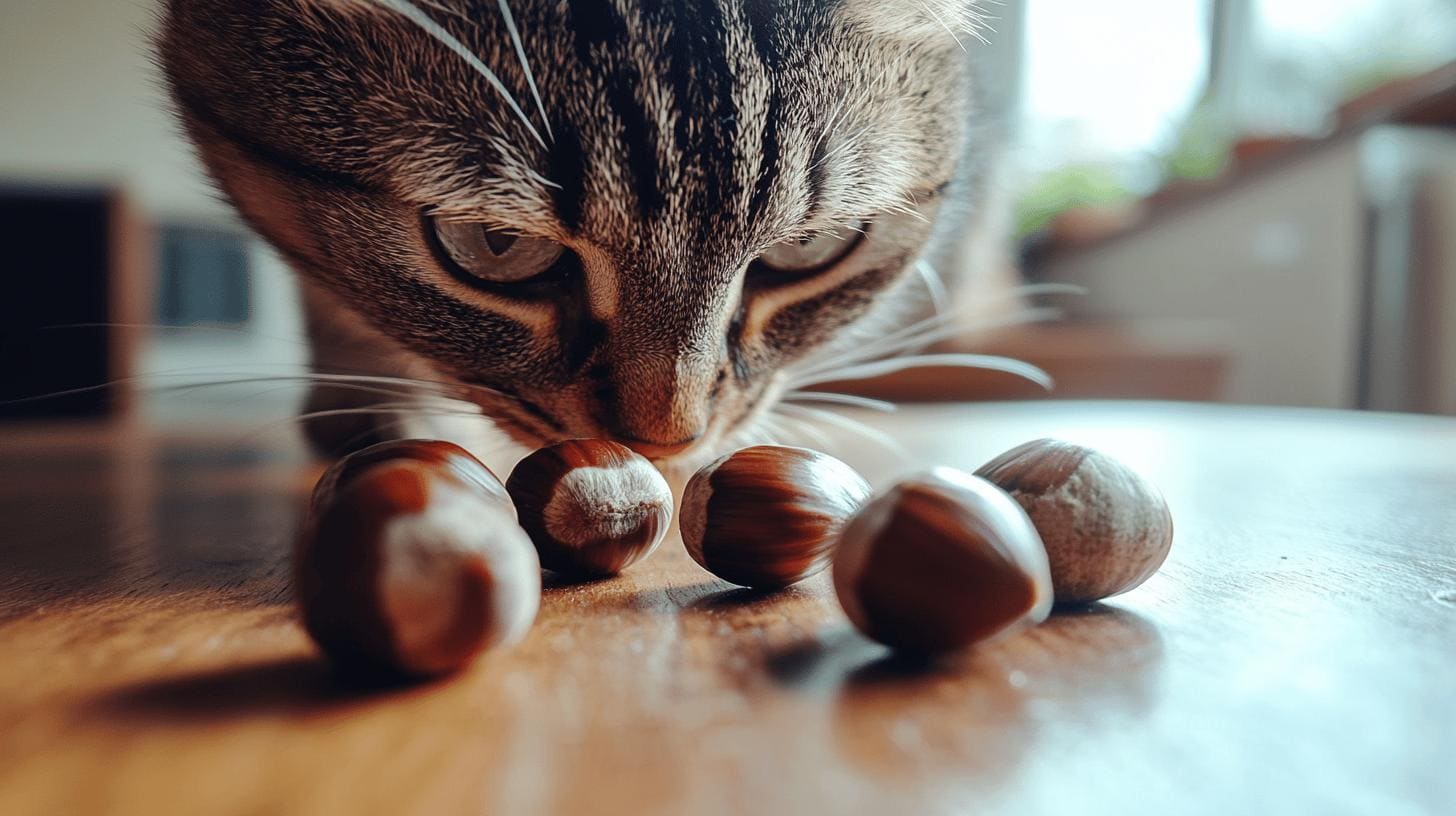
Cats can eat chestnuts in small amounts, but they are not an ideal food choice. While chestnuts are not toxic to cats, they offer little nutritional benefit and can lead to digestive problems if consumed in excess.
Cats are obligate carnivores, which means their diet should primarily consist of meat. This natural dietary requirement provides them with the necessary proteins and fats. Chestnuts, on the other hand, are high in carbohydrates and fiber, which cats do not need. Feeding them foods that deviate from their natural diet can result in health complications.
Chestnuts are non-toxic but can still pose several health risks for cats. Overfeeding can lead to pancreatitis, a serious condition where the pancreas becomes inflamed. Chestnuts can also be a choking hazard and may cause intestinal obstructions due to their size and shape.
Potential health risks include:
- Digestive Issues: Large amounts can cause vomiting, diarrhea, or upset stomach.
- Choking Hazard: Whole chestnuts can block a cat's throat due to their small esophagus.
- Intestinal Obstruction: Indigestible parts may block the intestines.
- Pancreatitis: High-fat content in nuts can trigger inflammation.
- Nutritional Imbalance: Too many carbs can disrupt dietary balance.
Moderation is key when offering chestnuts to your cat. It's essential to monitor them for any adverse reactions and consult a veterinarian if symptoms persist. Always prioritize foods that are specifically designed to meet your cat's nutritional needs.
Safe Ways to Offer Chestnuts to Cats
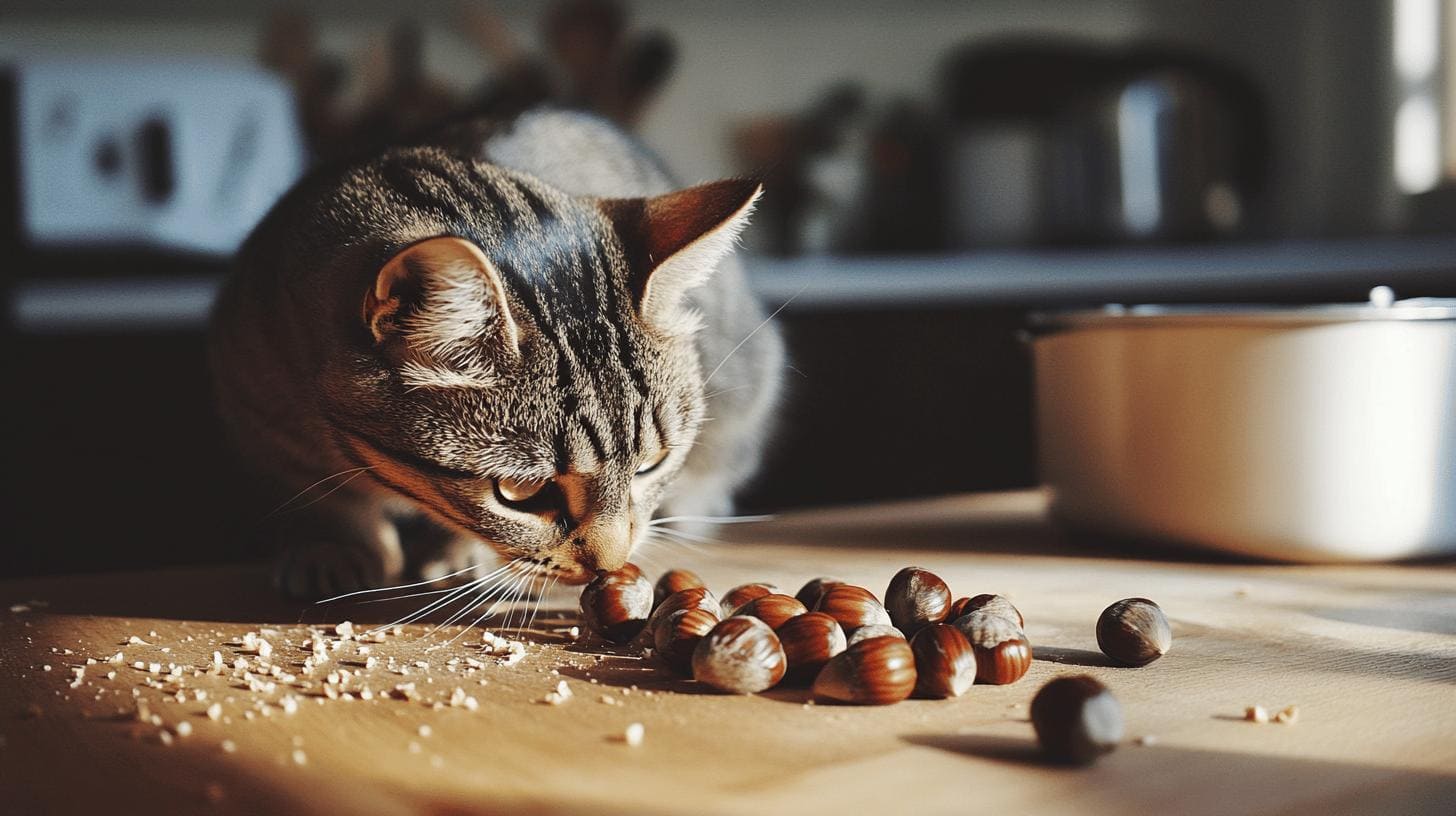
When offering chestnuts to your feline friend, proper preparation is crucial to ensure their safety. Always husk and shell the chestnuts, then cut them into small, manageable pieces. This helps prevent choking hazards and makes them easier for your cat to chew and digest. Cats have small esophagi, so whole chestnuts or large pieces can easily block their throat or cause intestinal obstructions.
Raw vs. Cooked Chestnuts for Cats
Both raw and cooked chestnuts can pose risks if not prepared correctly. Cooked chestnuts might be slightly easier to digest due to their softer texture, but either form can still be a choking hazard if not chopped into small pieces.
The nutritional content remains largely unchanged between raw and cooked chestnuts, with both offering little benefit to cats who thrive on a meat-based diet. Therefore, focus on preparation rather than whether the chestnuts are raw or cooked.
Safety Tips for Introducing Chestnuts:
- Chop Finely: Always cut chestnuts into small pieces to prevent choking and ease digestion.
- Monitor Reactions: Watch for any signs of digestive upset or allergic reactions.
- Moderation is Key: Offer chestnuts sparingly to avoid potential health issues.
- Consult a Vet: If uncertain, seek advice from a veterinarian before adding chestnuts to your cat's diet.
- Avoid Seasonings: Never give chestnuts with added salt, sugar, or seasonings, which can be harmful to cats.
While chestnuts can be given as an occasional treat, they should not replace foods that meet a cat's dietary needs. Always prioritize your cat's health by keeping their diet rich in protein and low in unnecessary carbohydrates.
Veterinary Advice on Cats and Chestnuts
Consulting a veterinarian is critical when introducing any non-standard foods, like chestnuts, into your cat's diet. Vets are well-versed in feline nutrition and can provide tailored advice to ensure your cat remains healthy. Since cats are obligate carnivores, their dietary needs are specific, and even non-toxic foods like chestnuts can lead to health issues if not managed correctly.
Monitoring your cat for symptoms of food poisoning is essential. Knowing when to seek veterinary assistance can make all the difference in your cat's well-being. Pay close attention to any changes in behavior or health after introducing new foods.
| Symptoms to Monitor | When to Contact a Vet |
|---|---|
| Vomiting | If it continues for more than 24 hours |
| Diarrhea | If it persists beyond a day |
| Lethargy | If the cat appears unusually tired or weak |
| Refusal to Eat | If the cat avoids food for over a day |
In emergencies, animal poisoning helplines can be invaluable. These resources provide immediate guidance and can advise whether you need to rush to a vet. Always prioritize your cat's health by consulting professionals and utilizing available resources to ensure safe dietary practices.