Have you ever caught your cat eyeing your bowl of chips and wondered if it's safe for them to have a taste? Before you toss them a crunchy treat, take a step back. While chips might seem like a harmless snack, they can be risky for your furry friend. My goal today is to dive into why these popular salty snacks are not a good choice for cats and explore some delicious and safe alternatives that will satisfy their curiosity and taste without compromising their health. Let's ensure every snack they enjoy is both tasty and safe!
Can Cats Eat Chips? Understanding the Risks
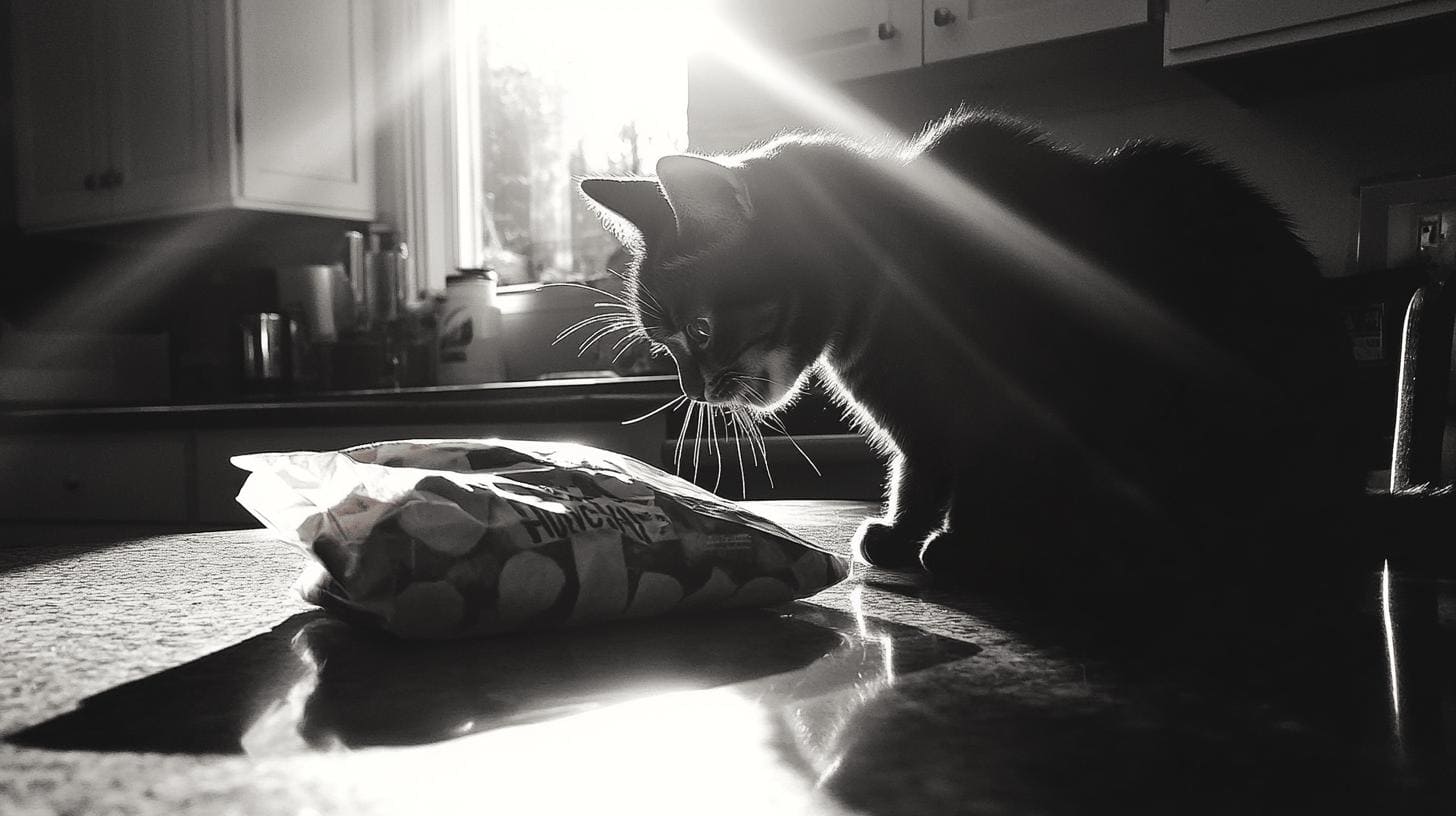
Cats are often drawn to chips and other salty snacks because of their high salt and fat content. These flavors can be particularly enticing due to the nutritional elements that cats may instinctively seek. While the texture and smell of a crunchy chip might catch your cat's attention, it's important to remember that their interest doesn't mean these snacks are safe or healthy for them.
Eating chips can pose several health risks for cats. One major concern is salt poisoning. Chips are loaded with salt, which can lead to salt toxicity in cats. Symptoms of this condition include vomiting, diarrhea, lethargy, and even more severe issues if consumed in large quantities. Additionally, the high fat content in chips can contribute to pancreatitis—a painful inflammation of the pancreas—and obesity, which is a common problem among pets indulging in human snacks. Obesity in cats can lead to further complications such as diabetes, arthritis, and heart disease.
Besides the immediate health risks, chips provide no nutritional benefit to cats. The nutrients found in potatoes are lost during the processing and frying stages, so chips offer zero nutritional value. The excessive salt and saturated fats can exacerbate any existing health conditions your cat might have, such as heart or kidney disease. Cats with these conditions require a diet low in salt, making chips a particularly poor choice.
Here are some symptoms of salt poisoning to watch for if your cat consumes chips:
- Vomiting
- Diarrhea
- Lethargy
- Excessive thirst and urination
- In severe cases, tremors or seizures
Keeping these risks in mind, it's clear that chips and other salty snacks are best left off the menu for our feline friends.
Safe Snack Alternatives for Cats
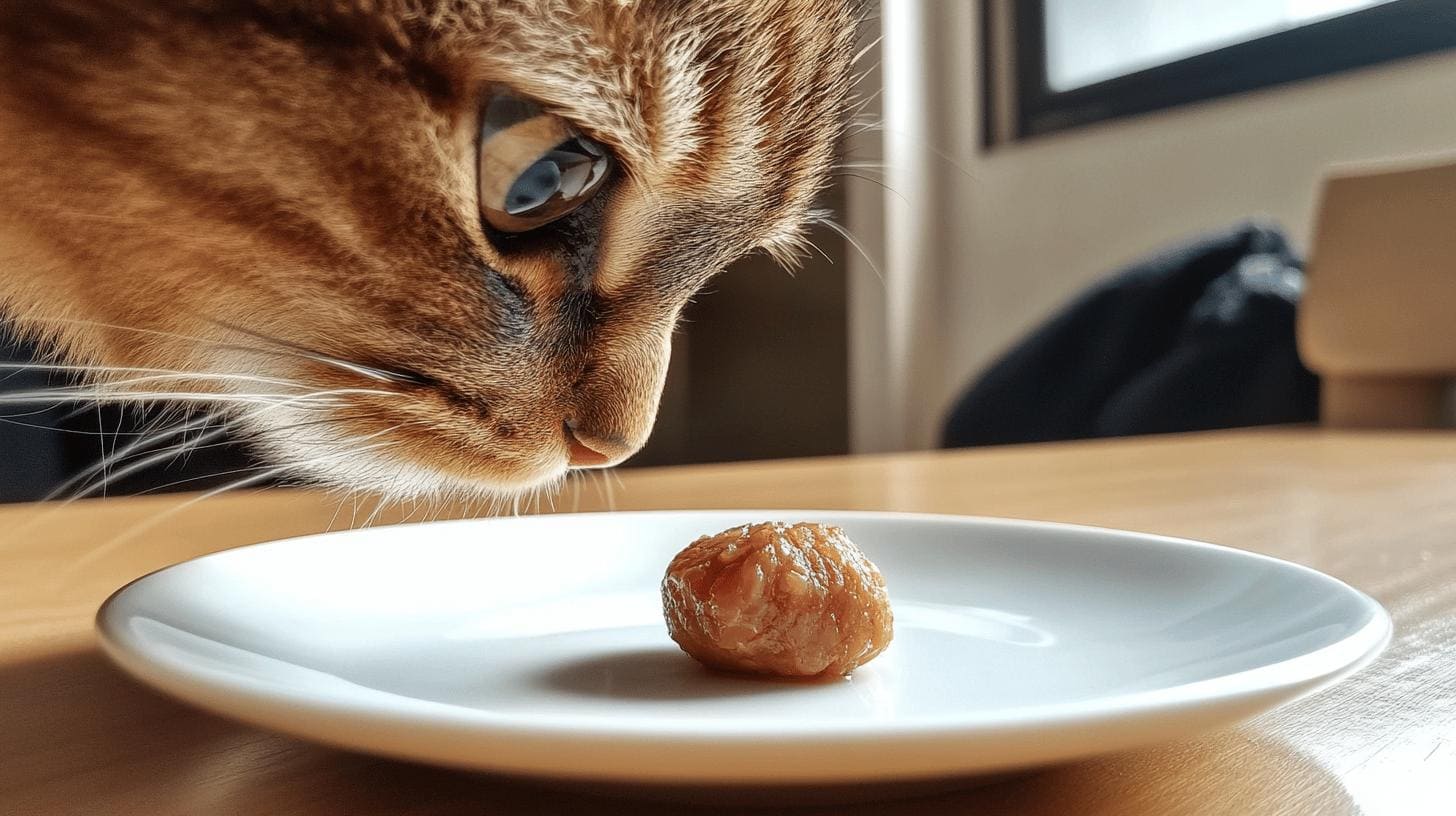
Providing safe snack alternatives for cats is crucial, especially when trying to avoid unhealthy options like chips. Cats have specific dietary needs that should be met with nutritious and safe snacks. Instead of reaching for human foods that can harm their health, there are plenty of delicious and appropriate treats that cater to their nutritional requirements.
- Small pieces of cooked, unseasoned chicken
- Small pieces of cooked, unseasoned fish
- Cooked pumpkin
- Cooked carrot
These alternatives not only satisfy a cat's taste buds but also contribute positively to their health. Chicken and fish provide high-quality protein, essential for a cat's diet. Pumpkins and carrots offer fiber and essential nutrients without the risks associated with human snacks. Specially formulated cat treats are also available in pet stores, designed to meet the dietary needs of felines while keeping them happy and healthy. By choosing these snacks, cat owners can ensure their feline friends enjoy treats that align with their dietary needs.