
Did you know that just a sip of coffee could spell disaster for your cat’s health? It might sound surprising, but coffee isn’t just a morning pick-me-up for humans—it’s a dangerous poison for cats. A small amount can result in elevated blood pressure, tremors, or even serious cardiac issues for your feline friend. In this blog post, we’ll explore the hidden dangers lurking in your coffee cup and uncover why keeping your brew away from your cat is vital. Understanding these risks can ensure a safe and healthy environment for your beloved pet.
Can Cats Eat Coffee? Understanding the Dangers
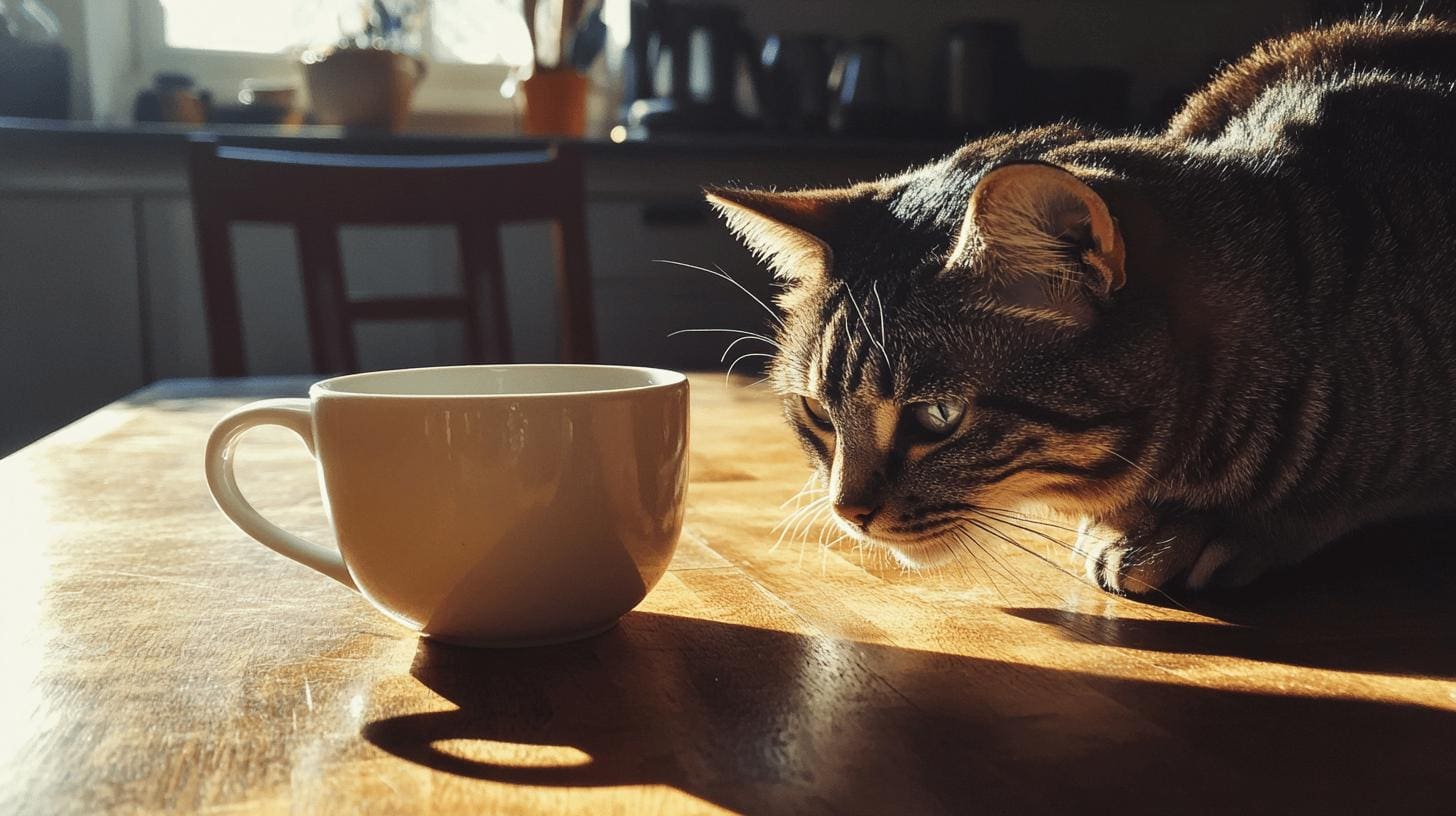
Coffee is extremely dangerous for cats. The primary culprits are caffeine and theobromine, two toxic substances found in coffee. These compounds can wreak havoc on a cat’s body, leading to severe health problems. Cats are particularly sensitive to caffeine, which can lead to elevated blood pressure, cardiac arrhythmias, and tremors. Theobromine, another harmful component, adds to the toxicity, potentially causing serious harm or even death if ingested by our feline friends.
Here are some specific health issues that can arise from caffeine ingestion in cats:
- Elevated blood pressure
- Cardiac arrhythmias
- Muscle tremors
- Vomiting and diarrhea
- Seizures
If your cat consumes coffee, it’s crucial to act swiftly. Contact a veterinarian immediately for guidance. Do not attempt home remedies or wait to see if symptoms worsen. Quick professional intervention could mean the difference between life and death.
Coffee grounds are particularly dangerous for cats, as they contain concentrated amounts of caffeine. Even a small amount can be incredibly toxic. Cats may be drawn to the smell or texture, so it’s vital to keep coffee grounds, beans, and brewed coffee out of reach. Proper storage and vigilance can prevent accidental ingestion and protect your cat from these significant health risks.
Symptoms of Caffeine Poisoning in Cats
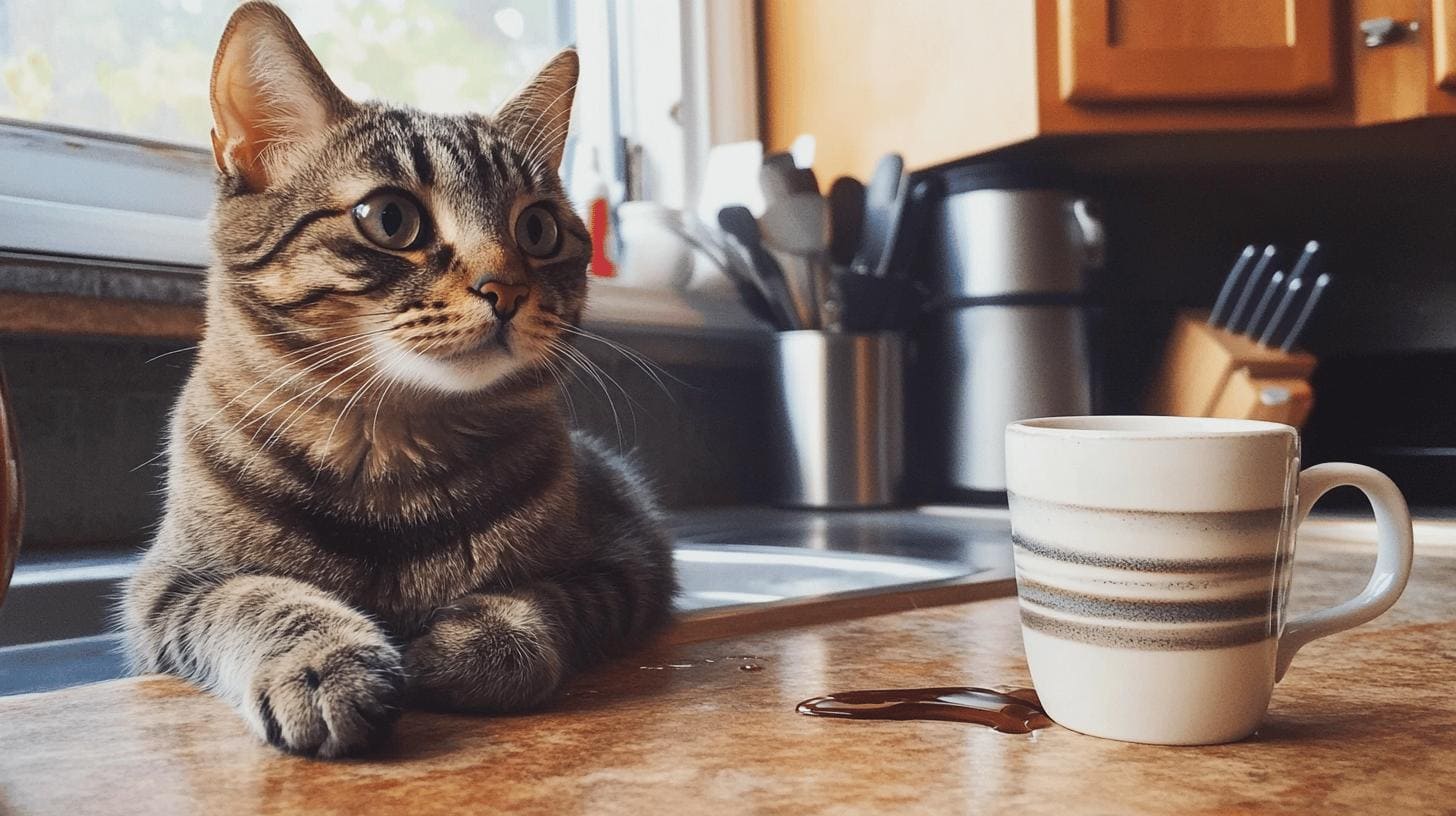
Caffeine poisoning in cats can manifest quickly, so it’s crucial to recognize the signs. Common symptoms include restlessness, where your cat may seem unusually agitated or unable to settle down. Rapid breathing and increased heart rate can also occur as their body reacts to the stimulant. Excessive drooling or vomiting might be present alongside these symptoms.
Severe symptoms that require immediate attention include:
- Seizures
- Severe muscle tremors
- Collapse or fainting
- Extreme hyperactivity
Recognizing symptoms early is vital. Monitor your cat closely if you suspect caffeine ingestion. Even mild symptoms can escalate quickly, leading to life-threatening conditions. Quick intervention by a veterinarian can mitigate the risks and provide necessary treatment to stabilize your cat. Always consult a professional if you suspect caffeine ingestion.
What to Do If Your Cat Ingests Coffee
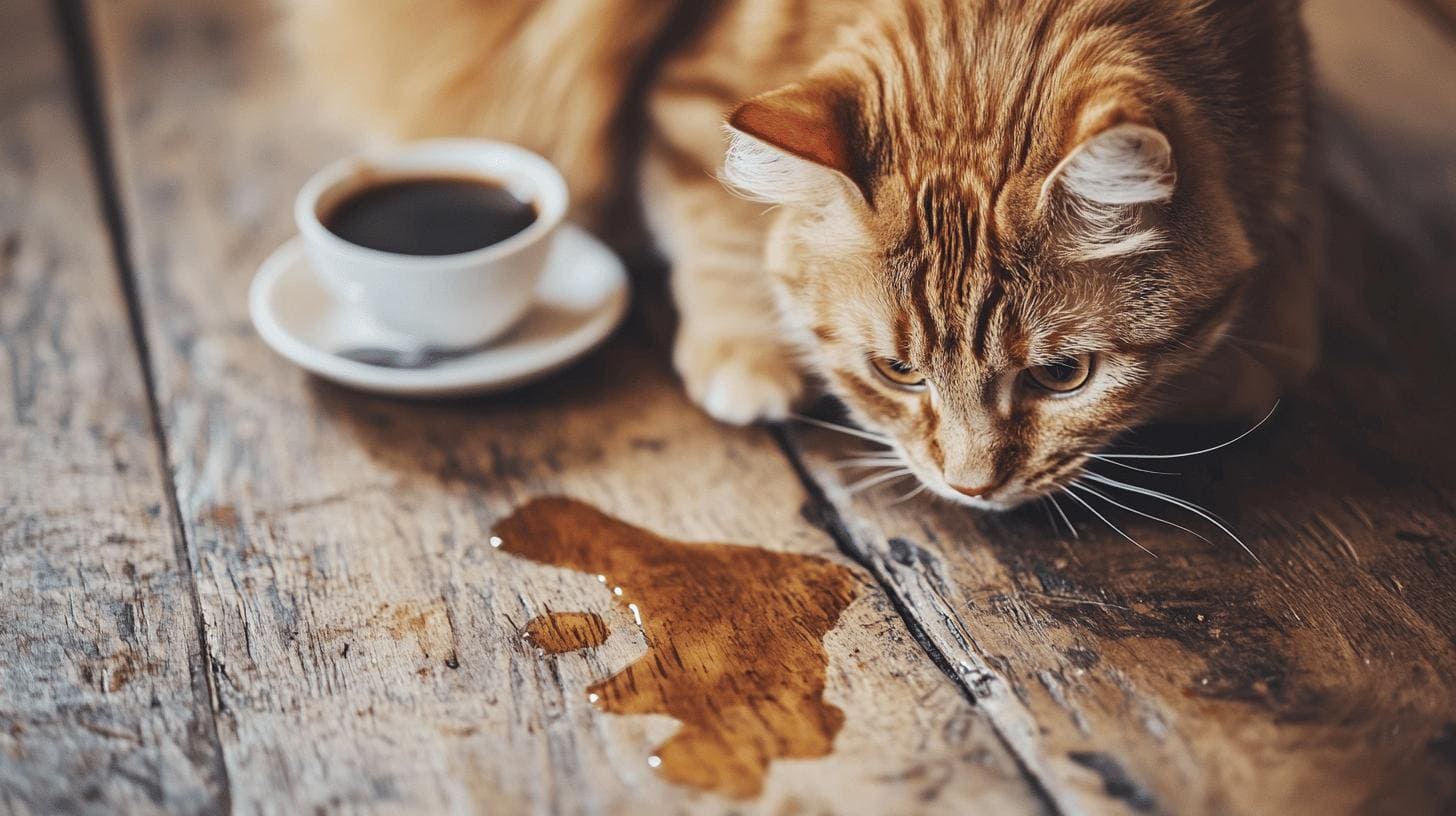
When your cat ingests coffee, acting swiftly is critical. Coffee’s toxic substances can quickly lead to severe health problems, making immediate action essential. Here’s a step-by-step guide to ensure your cat receives the care it needs.
Recognize the Symptoms
The first step is to identify any signs of caffeine poisoning in your cat. Watch for symptoms like restlessness, rapid breathing, increased heart rate, and excessive drooling. These initial signs indicate your cat’s body is reacting to the caffeine, and it’s crucial to monitor these symptoms closely. Knowing what to look for helps you determine the severity of the situation and informs your next steps.
Contact a Veterinarian
As soon as you suspect your cat has ingested coffee, reach out to a veterinarian immediately. Professional advice is indispensable in these situations. Vets can provide guidance tailored to your cat’s condition and the amount of coffee consumed. Avoid attempting home remedies, as they can be ineffective or even harmful. Prompt professional intervention can significantly improve your cat’s chances of recovery.
Follow Veterinary Instructions
Once you’ve contacted a veterinarian, follow their instructions precisely. This may involve taking your cat to the clinic for examination or administering specific treatments at home under their guidance. The vet might instruct you to monitor your cat’s symptoms closely or bring them in for more intensive treatment. Adhering to these instructions is vital for your cat’s recovery and well-being.
Veterinary treatment options vary based on the cat’s condition. In mild cases, monitoring might suffice, whereas severe cases may require medical intervention, such as intravenous fluids or medications to stabilize heart rate and other vital signs. Remember, the sooner you act and get professional help, the better the outcome for your feline friend.

