Ever thought about sharing your probiotics with your cat? It might seem like a quick fix, but hold on! Not all probiotics are created equal, and what’s beneficial for you isn’t always great for your furry friend. Imagine your cat’s gut as a garden—it needs the right plants to thrive. In this article, we’ll dig into whether human probiotics can help or harm your kitty’s digestive garden. Before you drop a capsule into their bowl, let’s explore the differences and see if they should stick to cat-specific options.
Can Cats Safely Consume Human Probiotics?
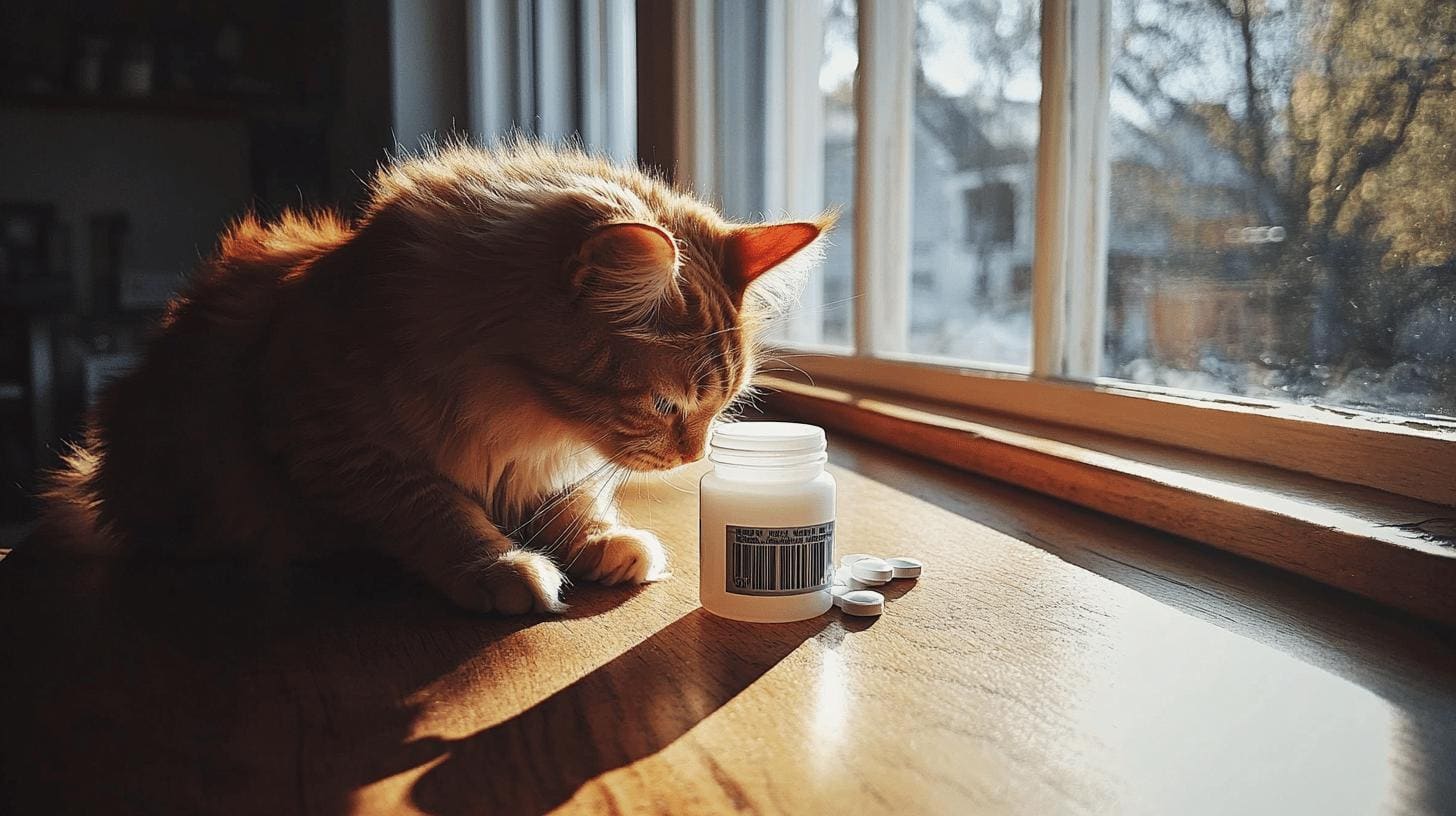
Human probiotics are generally considered safe for cats, meaning they aren’t likely to cause harm if consumed accidentally. However, they may not be as effective as probiotics specifically designed for feline digestive systems. This is because human probiotics are formulated to target the gut flora of humans, which differs from that of cats. While the idea of sharing your probiotics with your kitty might seem convenient, it’s important to remember that what’s beneficial for humans may not always translate to our feline friends.
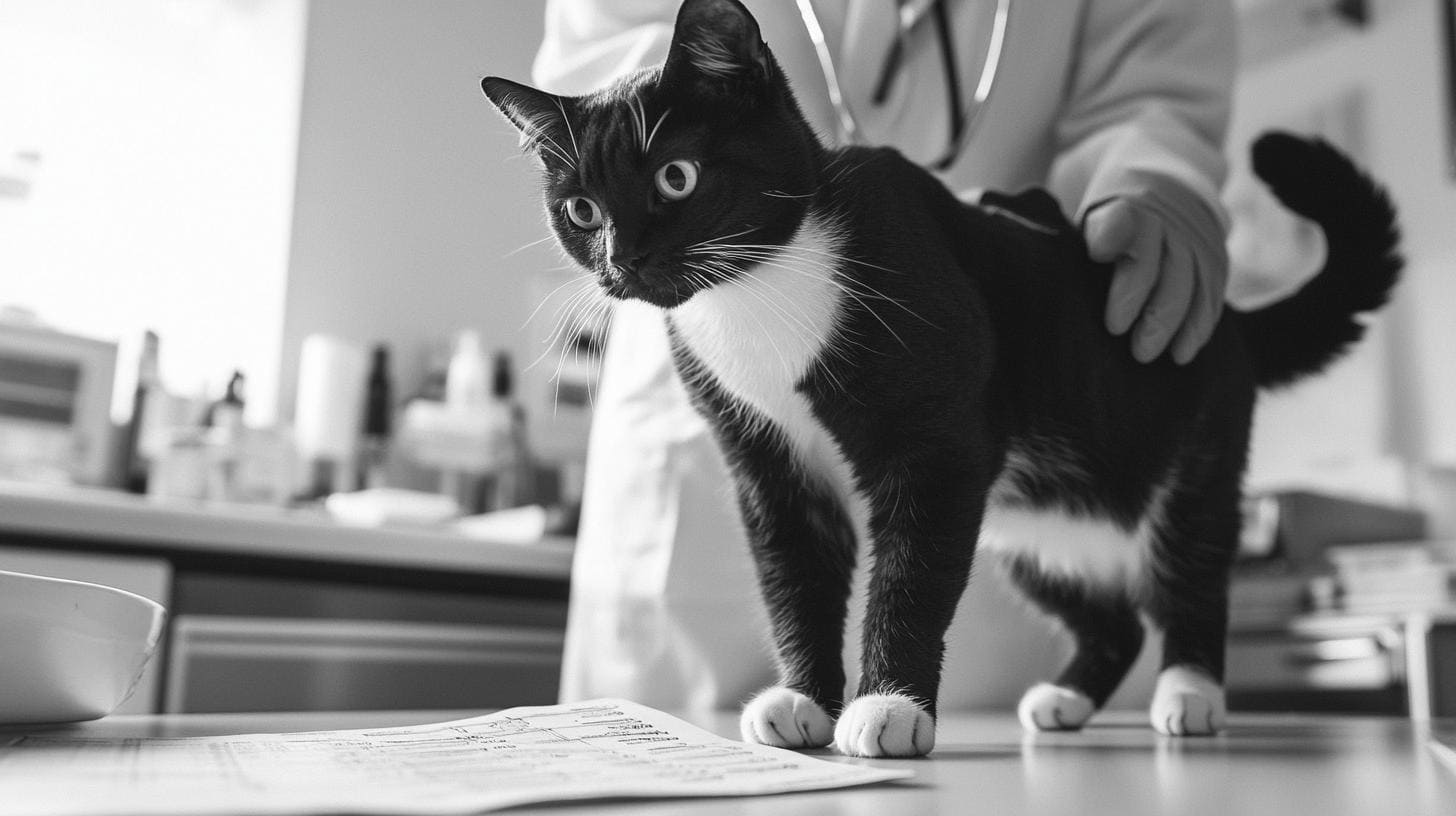
Before introducing any form of probiotics to your cat, consulting with a veterinarian is crucial. Vets can offer personalized advice on whether your cat could benefit from probiotics, and if so, which type would be most effective. They can also help rule out any underlying health issues that probiotics alone may not address. This step is important to ensure that your cat’s health needs are met safely and effectively, avoiding any potential delay in necessary treatments.
Differences Between Human and Cat Probiotics
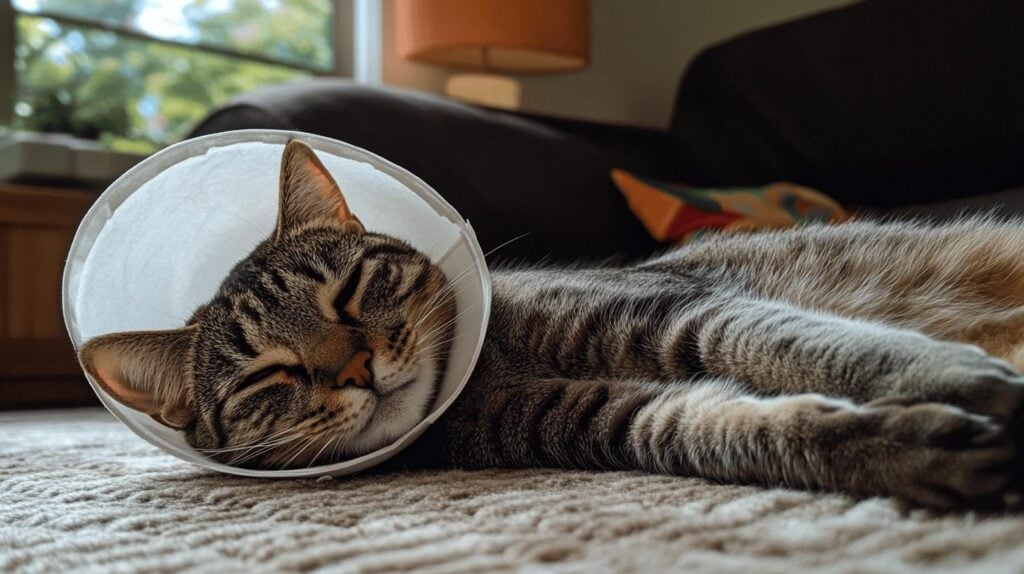
Probiotics are essential for maintaining a balanced gut flora, but not all probiotics are created equal. Human probiotics are specifically designed to cater to human digestive systems. They typically include strains like Lactobacillus acidophilus and Bifidobacterium bifidum, which are beneficial for human digestion and gut health. On the other hand, cat probiotics are formulated with the feline digestive system in mind. These often include strains like Enterococcus faecium and Bifidobacterium animalis, which are more effective in supporting a cat’s unique gut health needs. This distinction is crucial because the microbial balance that benefits humans may not be suitable for cats, whose dietary needs and digestive processes differ significantly.
Veterinarians often recommend cat-specific probiotics because they are tailored to the unique physiological needs of cats. Cat probiotics are designed to address common feline digestive issues, such as hairball management, diarrhea, and stress-related gut imbalances, more effectively than human probiotics. By using probiotics specifically crafted for cats, pet owners can ensure that their feline friends receive the best possible support for their digestive health. This specialized approach not only aids in digestion but also helps to boost the overall immune system, making it a preferred choice for maintaining your cat’s well-being.
| Probiotic Type | Designed For |
|---|---|
| Human | Human digestive systems |
| Cat | Feline digestive systems |
Benefits and Risks of Probiotics for Cats
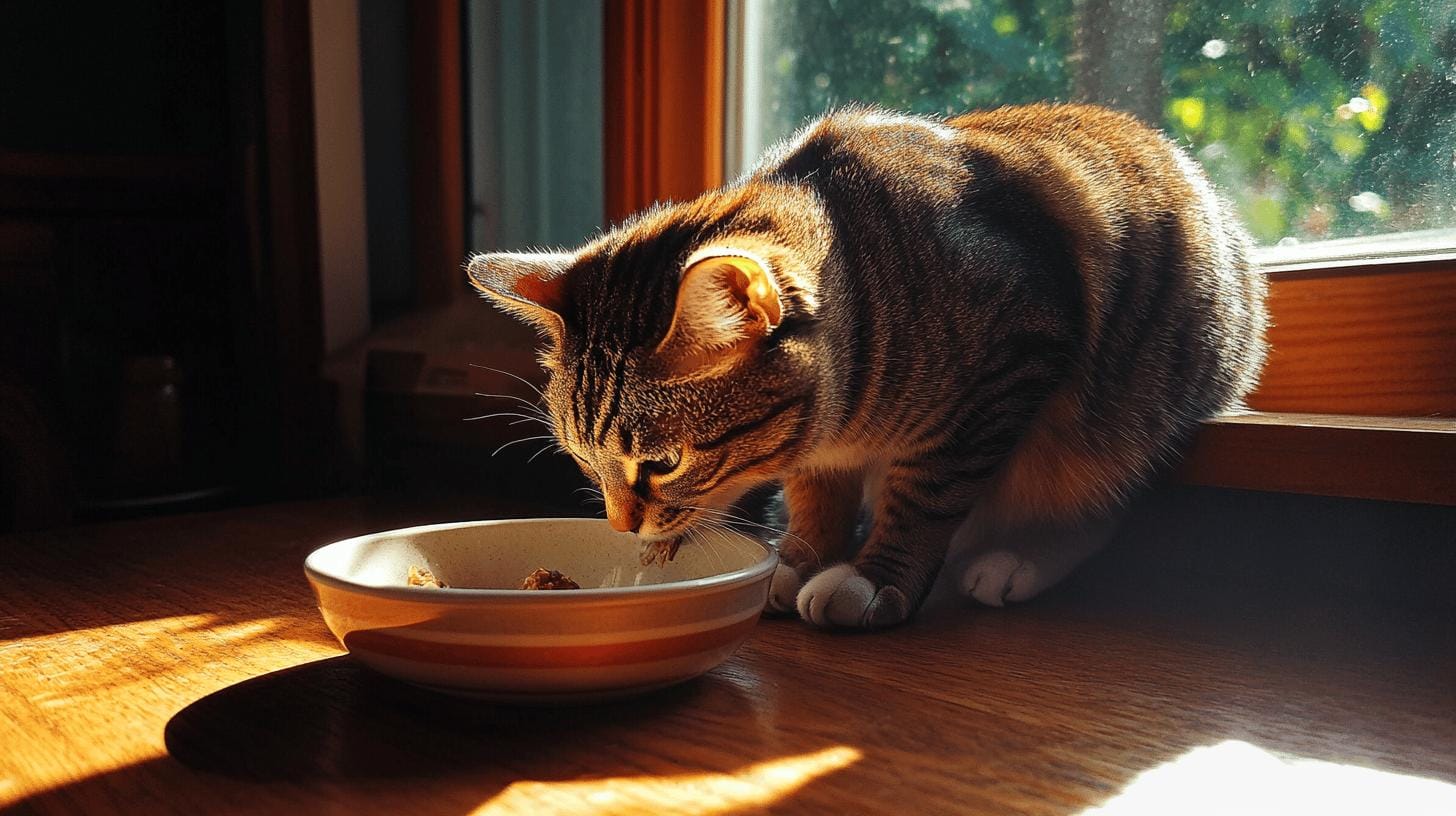
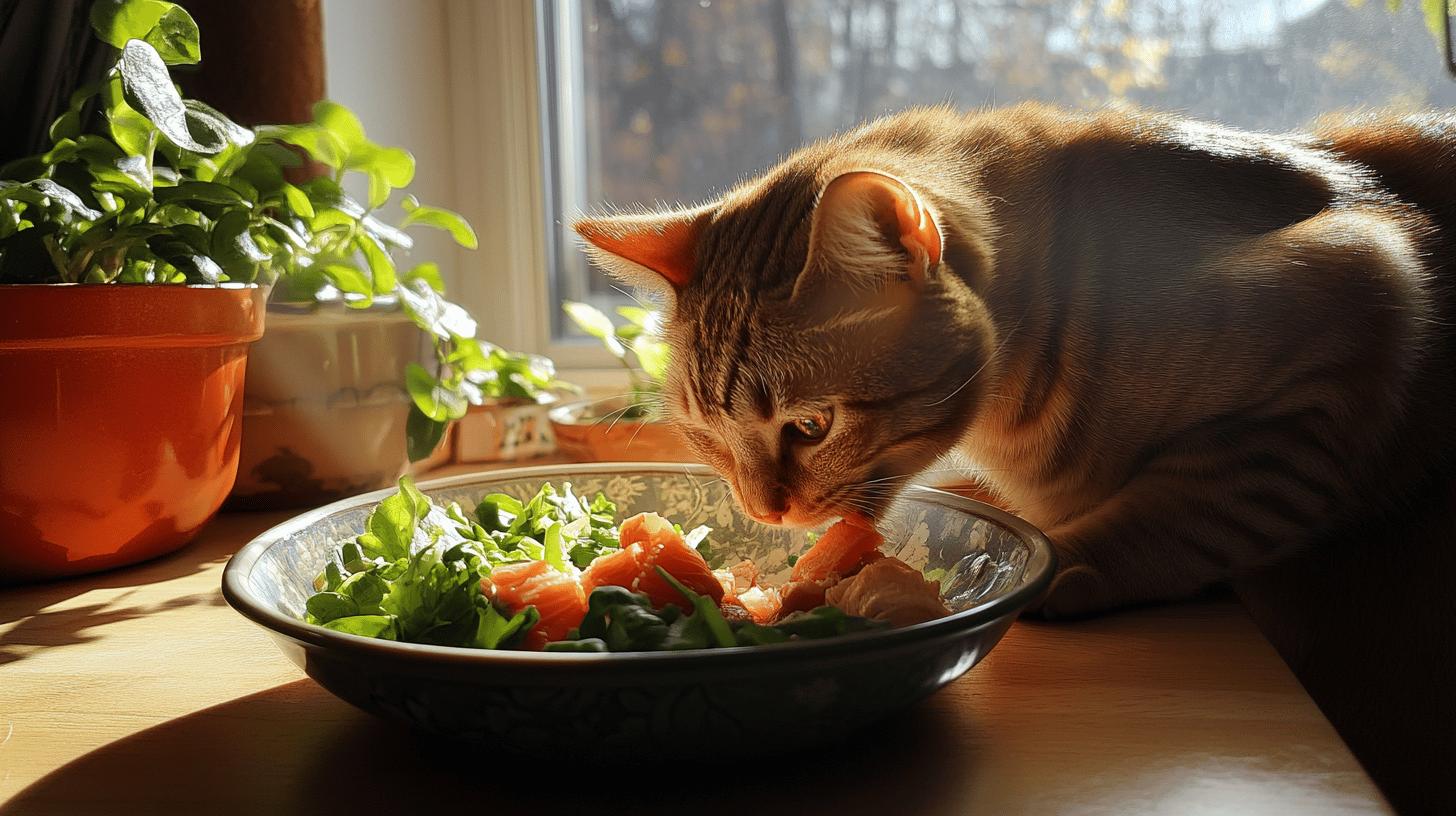
Probiotics can be a great addition to your cat’s diet, especially if they are struggling with digestive issues. These beneficial microorganisms work by balancing the gut bacteria, which can lead to improved digestion and overall wellness. Cats that regularly consume probiotics often experience enhanced stool quality, making their litter box habits more predictable and manageable. Moreover, probiotics can support a stronger immune system, helping your kitty to fend off infections more effectively. By maintaining a healthy gut flora, probiotics aid in better nutrient absorption, which is crucial for your cat’s overall health.
Despite the benefits, there are risks associated with using probiotics improperly. If not administered correctly, probiotics can lead to side effects such as flatulence. This is why it’s crucial to follow veterinary guidance when introducing probiotics into your cat’s routine. Overuse or incorrect strains could potentially upset the balance of bacteria in the gut, leading to more harm than good. Always start with a small dose and monitor your cat for any adverse reactions. Adjustments should be made as per the veterinarian’s recommendations to ensure your cat reaps the benefits without the downsides.
Be on the lookout for signs that may indicate a negative reaction to probiotics. If your cat shows any of the following symptoms, it’s important to stop the probiotics and consult your vet:
- Diarrhea
- Constipation
- Vomiting
- Reduced appetite
- Lethargy
These signs might suggest that the probiotics are not agreeing with your cat or an underlying health issue may need attention. Always prioritize your cat’s comfort and health by keeping an eye on their reaction to any dietary changes.