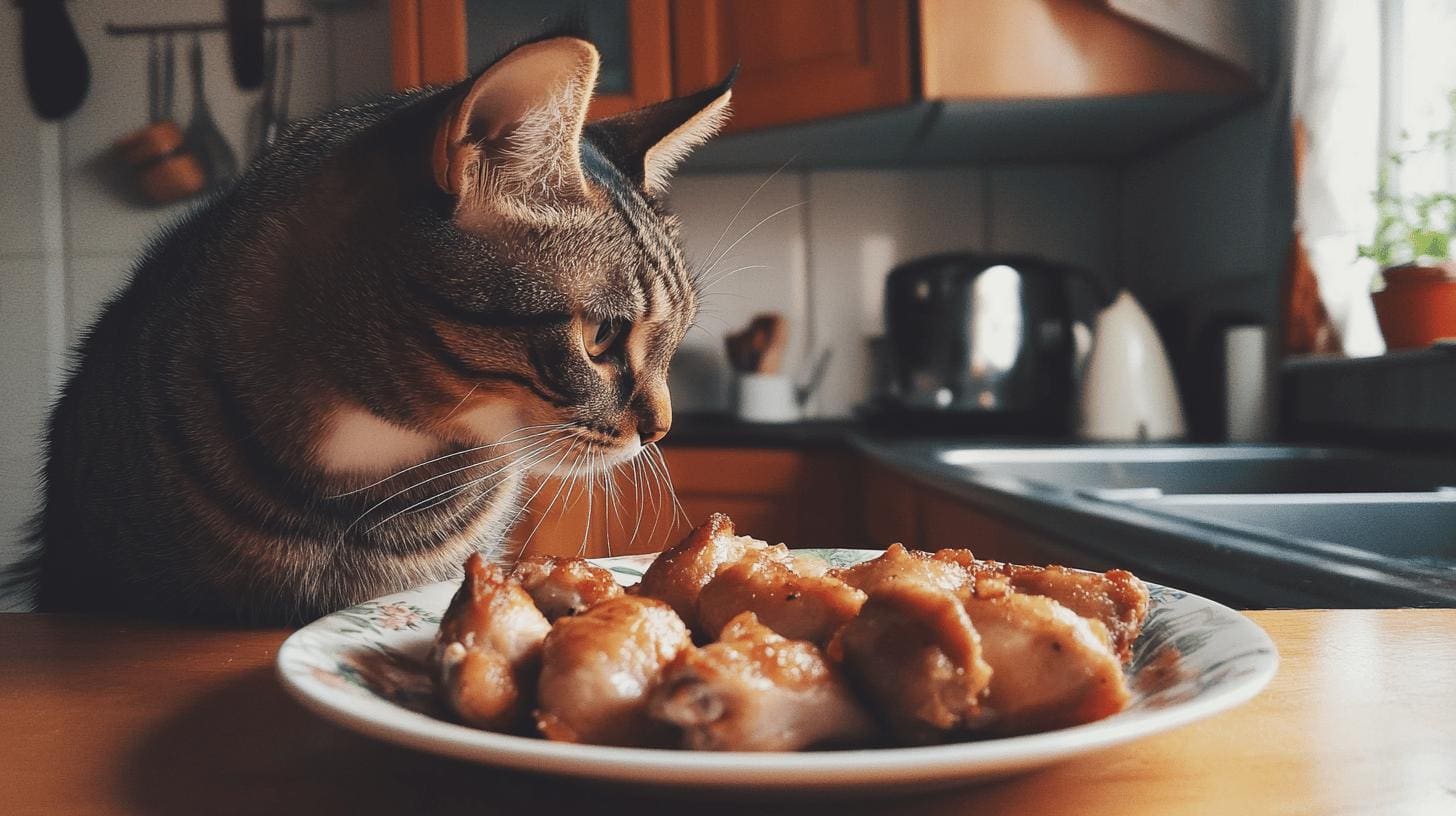
Can cats really eat dried anchovies without any worries? You might find yourself asking this question as your curious kitty eyes these salty snacks. It’s tempting to share treats with our feline friends, but safety comes first.
While dried anchovies are full of protein and omega-3s that can boost a cat's health, they also come with potential risks due to their high salt content. Understanding these benefits and pitfalls can help ensure that your cat enjoys a safe and tasty dining experience. Let's look closer at the risks and rewards.
Safety and Risks of Feeding Dried Anchovies to Cats

Dried anchovies can be a tasty treat for cats, but they should be given in moderation. Their high salt content is a primary concern, so choosing unsalted or minimally salted varieties is crucial.
Nutritionally, dried anchovies offer benefits like protein and omega-3 fatty acids, which are vital for a cat's muscle health and coat condition. They also provide essential vitamins and minerals that contribute to overall feline well-being. However, these benefits come with potential risks.
Key Safety Considerations:
- Salt Content: High salt levels can lead to kidney issues.
- Digestive Upset: Overconsumption might cause stomach problems.
- Increased Thirst and Urination: Symptoms of too much salt or protein.
- Potential Lethargy: A sign of excessive salt intake.
- Source Quality: Ensure anchovies are from a reliable source to prevent contamination.
| Risk | Symptom |
|---|---|
| High Salt Content | Increased thirst and urination |
| Digestive Upset | Vomiting or diarrhea |
| Overconsumption | Lethargy |
Monitor your cat's health when introducing dried anchovies into their diet. Consulting a veterinarian before making any significant dietary changes is a wise step, especially if your cat has pre-existing health conditions. Always keep an eye on their overall intake to ensure a balanced diet and prevent any adverse effects.
Nutritional Benefits of Dried Anchovies for Cats
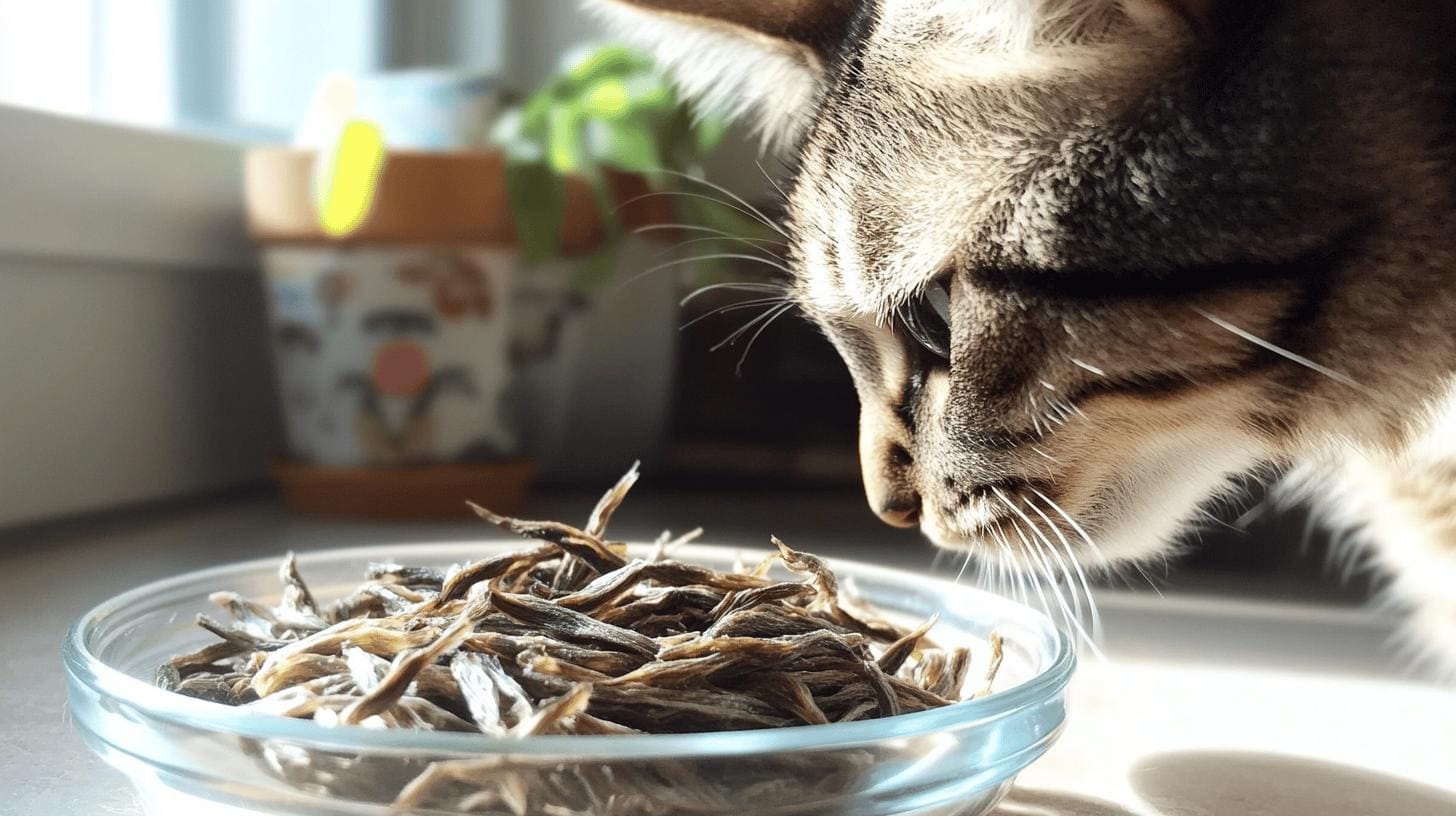
Dried anchovies are an excellent source of macronutrients that benefit our feline companions. They are packed with protein, essential for maintaining muscle and tissue health and providing energy for active play. The omega-3 fatty acids in anchovies support heart health and improve skin and fur condition, making them an ideal addition to a cat's diet.
- Vitamin B12
- Calcium
- Vitamin D
- Selenium
These vitamins and minerals play specific roles in enhancing feline health. Vitamin B12 is crucial for boosting the immune system and supporting brain functions. Calcium and Vitamin D work together to strengthen bones and teeth, while selenium further contributes to a robust immune system.
The interaction of these nutrients supports bone health and enhances the immune system, promoting overall well-being in cats.
How to Prepare Dried Anchovies for Cats

When preparing dried anchovies for your cat, it's important to prioritize safety and quality. Start by selecting unsalted or minimally salted anchovies to avoid any potential health risks. Cooking them to at least 145 degrees Fahrenheit will help eliminate any harmful bacteria that may be present. This ensures you’re providing a safe treat that contributes positively to your cat's overall health.
Preparation Steps:
- Rinse Anchovies: Briefly rinse under cold water to reduce any salt content.
- Cook Thoroughly: Heat to at least 145 degrees Fahrenheit to kill bacteria.
- Cool Down: Allow them to cool before serving to avoid burns.
Dried anchovies should be offered as an occasional treat rather than a regular part of your cat's diet. This moderation helps prevent any adverse effects from the anchovies' natural salt content. By keeping them as a special treat, you can provide variety without compromising your cat's health.