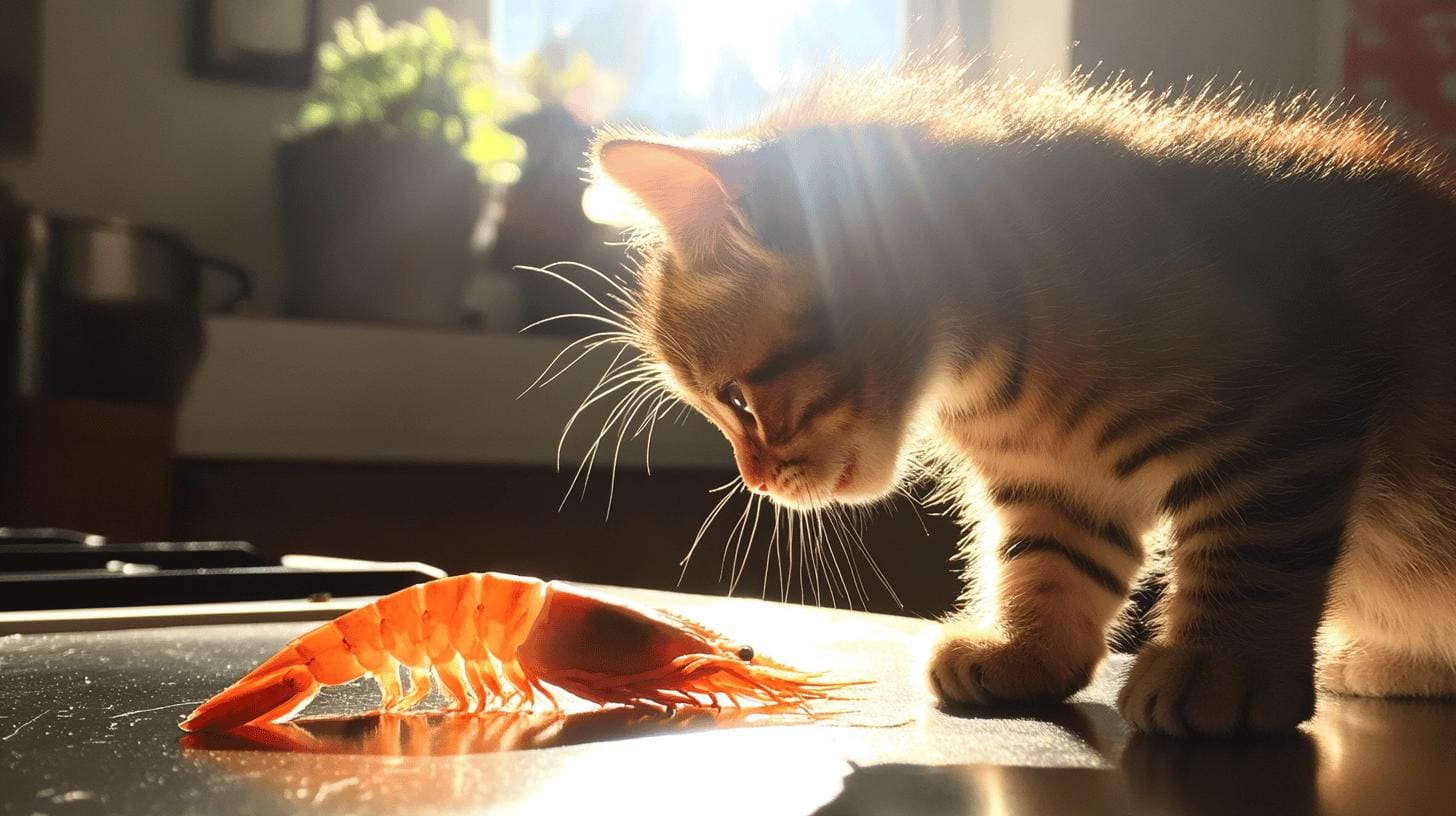
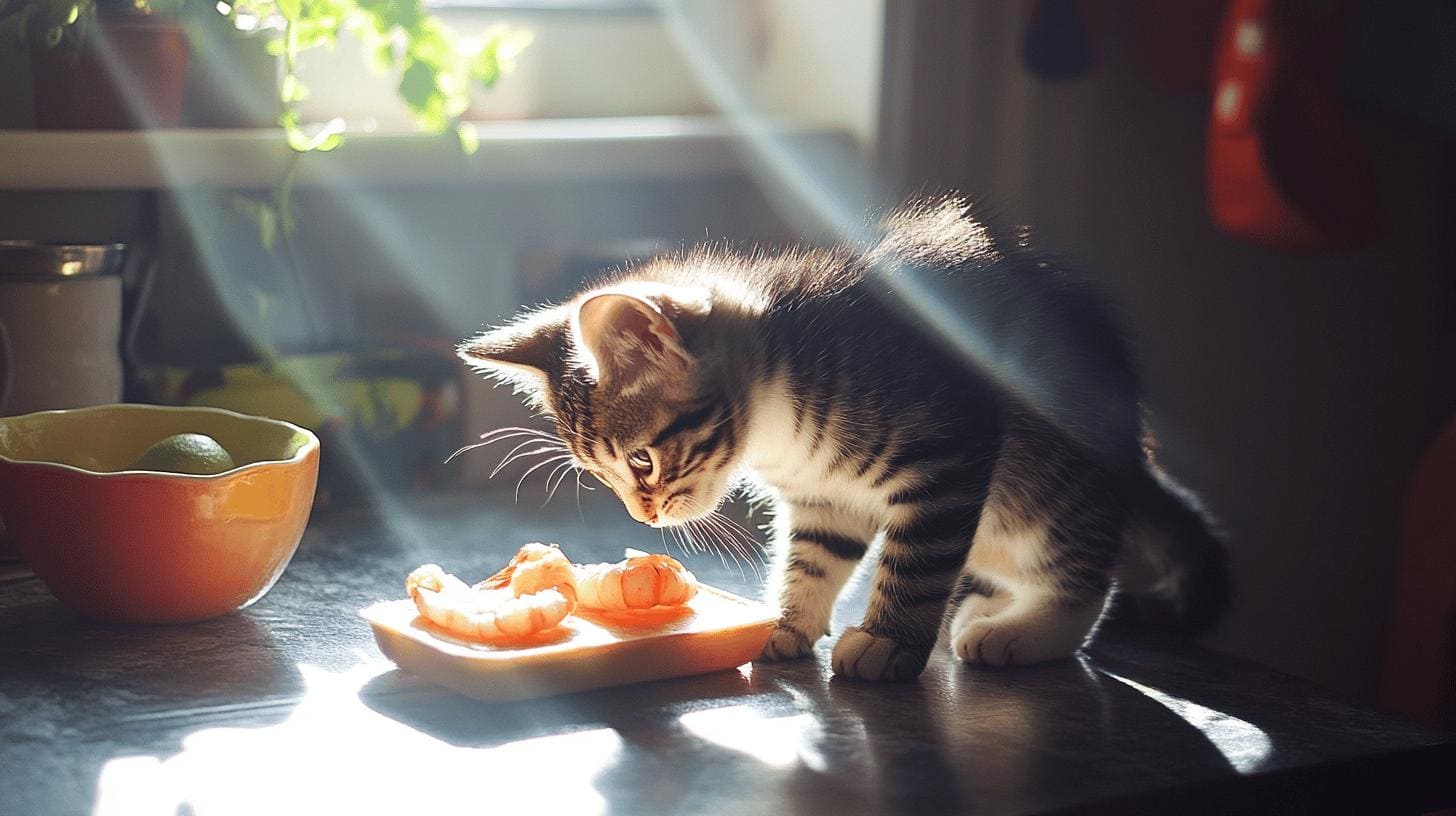
Have you ever wondered if your cat can enjoy prawns as much as you do? It's a tempting thought to share this delicious seafood with your furry friend, but is it safe? Let's dive into the world of prawns and find out if they can be a nutritious boost to your cat’s diet. While prawns can provide essential protein and taurine for your feline buddy, they must be cooked and served properly. In this article, I'll guide you through everything you need to know to keep playtime safe and snack-time fun.
Can Cats Safely Eat Prawns?
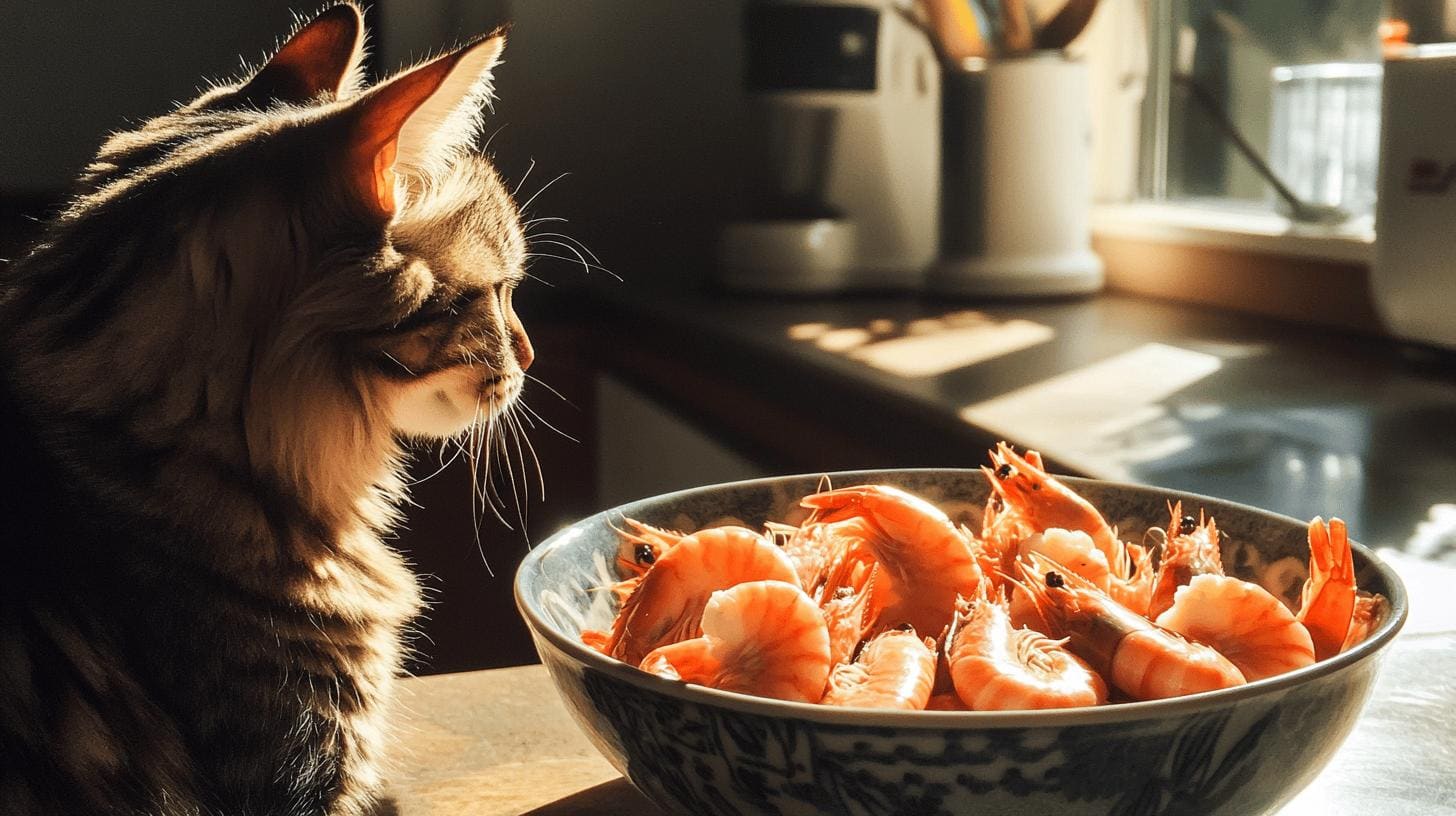
Cats can safely enjoy prawns when they are prepared correctly. Cooking prawns is crucial, as raw prawns may contain harmful bacteria and chemicals that could pose a risk to your feline friend. Always remove the shell before serving, as it can be a choking hazard and may cause digestive issues. When prawns are cooked and shell-free, they become a safe and tasty treat for your cat.
- High in protein, essential for muscle growth and repair
- Low in fat and calories, contributing to a balanced diet
- Contains taurine, vital for heart and vision health
While prawns can be a delightful treat for cats, it's important to serve them in moderation. Overfeeding can lead to digestive upset or even allergies. Always introduce prawns slowly into your cat's diet and monitor for any adverse reactions. Remember, prawns should complement a well-balanced diet rather than replace it, ensuring your cat receives all necessary nutrients.
Nutritional Benefits of Prawns for Cats
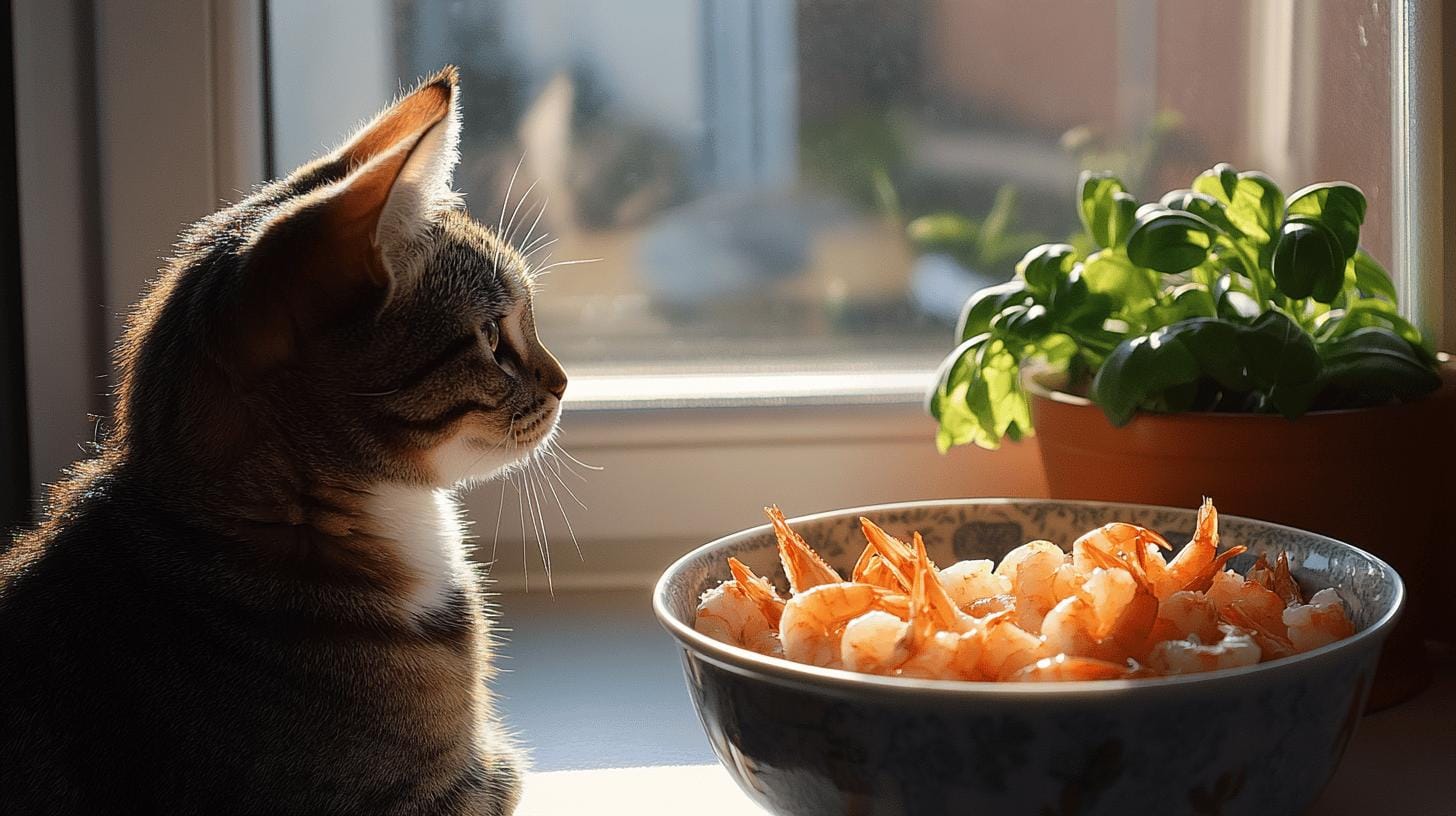
Prawns provide essential nutrients like protein and taurine, crucial for a cat's well-being. Protein supports muscle growth and repair, keeping your cat strong and active. Taurine is vital for heart and vision health, preventing potential heart and eye issues. When offered occasionally, prawns supplement these nutrients effectively.
| Nutrient | Benefit |
|---|---|
| Protein | Supports muscle growth and repair |
| Taurine | Vital for heart and vision health |
| Low Fat | Helps maintain a balanced diet |
| Low Calories | Contributes to weight management |
Prawns can be a healthy treat or supplement in your cat's diet when served in moderation. Being low in fat and calories, they are a guilt-free snack that won't lead to weight gain. While prawns shouldn't replace the main diet, they offer a tasty and nutritious diversion, adding variety to your cat's meals.
Health Risks Associated with Feeding Prawns to Cats
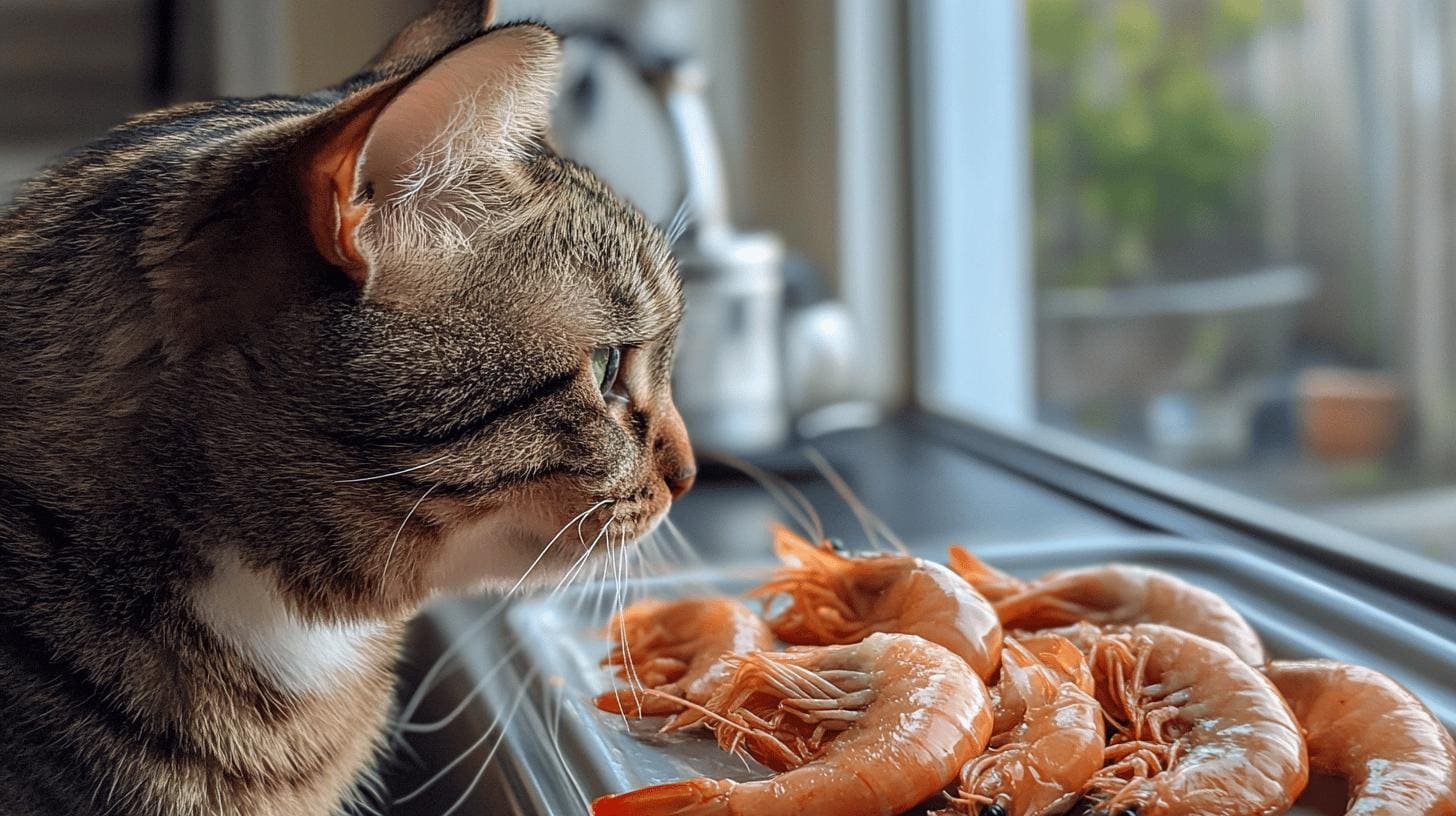
Feeding prawns to cats can sometimes lead to allergies and digestive issues. Cats, like humans, can develop allergies to certain foods, and prawns are no exception. Allergies may result in symptoms ranging from mild discomfort to more severe reactions. Digestive issues can arise if too many prawns are consumed, potentially upsetting your cat's stomach or leading to diarrhea. It's crucial to monitor your cat's reaction and ensure prawns remain an occasional treat.
Common signs of prawn allergies in cats include:
- Itching or scratching
- Swelling or redness around the face and ears
- Vomiting
- Diarrhea
- Excessive grooming or licking
While raw prawns and shell ingestion were previously discussed, it's essential to focus on the importance of moderation. Feeding prawns in excess can have adverse effects, so serving them sparingly is vital. By observing your cat's response and symptoms, you can prevent potential health issues and ensure their safety.