Are you tempted to treat your cat with dried fish, wondering if it's a safe snack? You're not alone. Many cat owners are curious about whether this salty snack can fit into their feline's diet.
While dried fish can offer nutrients like Omega-3s and protein, it's not all smooth sailing. Cats thrive on a balanced diet, and overindulging in dried fish can lead to health troubles. Let's explore how dried fish can be an occasional delight without compromising your cat's well-being.
Can Cats Safely Consume Dried Fish?
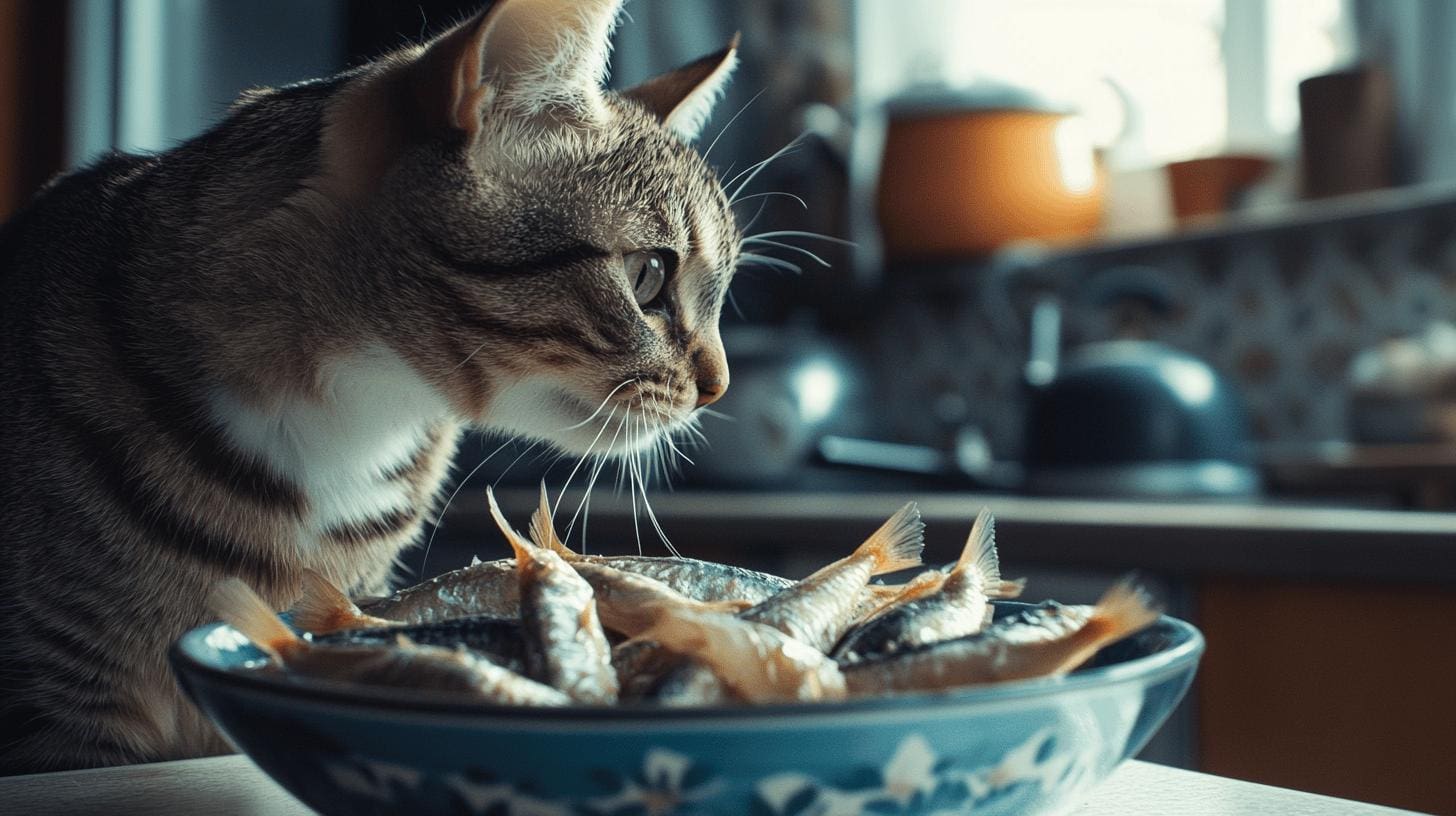
Dried fish can be a tasty treat for cats, but it needs to be given with some caution. In small amounts, dried fish is generally safe for cats, offering nutrients like Omega-3 fatty acids and protein. However, experts suggest it should not become a primary part of a cat's diet.
Cats are obligate carnivores, and while fish can be part of their protein intake, it shouldn't be their main source. The potential risks associated with dried fish make it crucial to offer it only occasionally. For example, dried sardines are often recommended due to their lower heavy metal content compared to larger fish like tuna.
Here are some primary concerns when feeding dried fish to cats:
-
Allergies: Fish is a common allergen for cats and can cause reactions.
-
High Sodium: Dried fish often contains high sodium levels, which can be harmful.
-
Vitamin B1 Deficiency: Overconsumption of fish can lead to a deficiency in Vitamin B1.
-
Neurological Issues: Deficiency and high sodium levels can lead to neurological problems.
-
Balance in Diet: Fish should not replace other essential protein sources.
The potential risks of feeding dried fish to cats are primarily tied to overconsumption. Regularly providing dried fish can lead to deficiencies in essential nutrients like Vitamin B1, critical for neurological health.
Cats that consume too much dried fish might develop neurological issues over time, manifesting as muscle weakness or even more severe neurological disruptions. High sodium intake from dried fish can also stress a cat's kidneys and overall health.
To safely include dried fish in your cat's diet, moderation is key. Offering dried fish as an occasional treat rather than a staple helps avoid the health risks associated with overconsumption. Observing your cat's reaction to dried fish is equally important.
If you notice any signs of allergies or health issues, it's best to consult with a veterinarian. Mixing dried fish with other cat foods can help maintain a balanced diet, ensuring your cat gets all the necessary nutrients for a healthy life.
Nutritional Value of Dried Fish for Cats

Dried fish offers an array of nutrients that can be beneficial for cats when given in moderation. It's a rich source of Omega-3 fatty acids, which aid in maintaining a healthy coat and skin, while also reducing inflammation and supporting cognitive health.
Protein in dried fish serves as the essential building block for muscle development and repair. Sardines, specifically, are high in Omega-3s and vitamin B12, making them a noteworthy addition to your cat's diet.
| Nutrient | Benefit |
|---|---|
| Omega-3 Fatty Acids | Supports skin health and improves cognitive functions |
| Protein | Essential for muscle development and repair |
| Vitamin B12 | Boosts energy levels and supports neurological health |
For practical feeding tips, consider incorporating small amounts of dried fish into your cat's regular meals to enhance their diet. It's important to offer it in moderation to avoid any potential health issues.
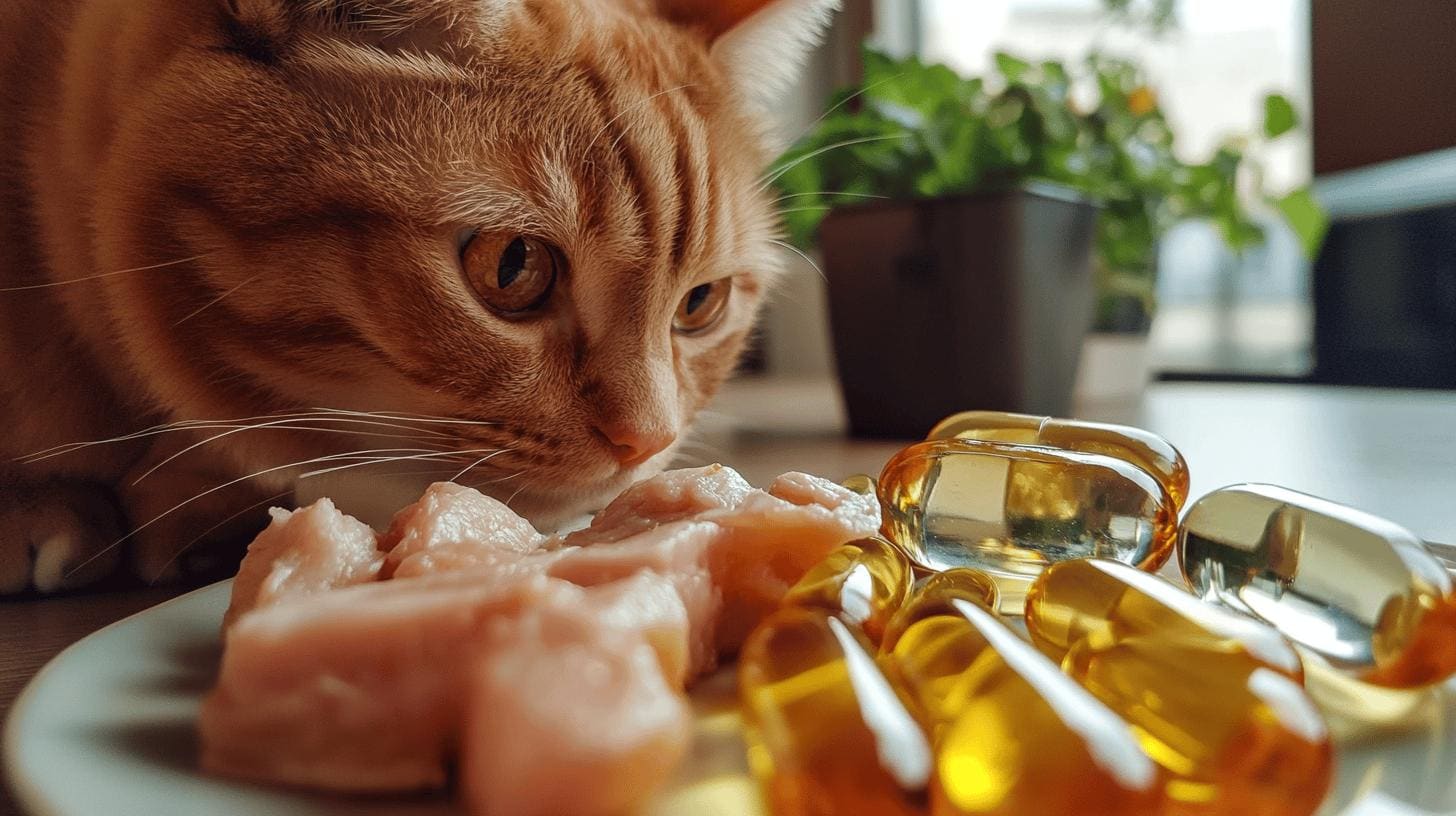
If you're looking for alternative sources of these nutrients, consider fish oil supplements or other protein-rich foods. This approach ensures your cat receives a balanced diet without redundancy, supporting their overall well-being and vitality.
How to Serve Dried Fish to Cats

Proper preparation of dried fish is crucial for the safety and health of your cat. Serving dried fish that is cooked and free from bones minimizes the risk of choking and digestive issues. Cooking methods such as baking, grilling, or boiling are ideal since they preserve the nutritional value of the fish while ensuring it's safe for consumption.
Avoid adding any salt or seasoning, as these can be harmful to cats. Ensuring the fish is properly prepared will help maintain your feline friend's health while allowing them to enjoy this occasional treat.
Here’s a simple step-by-step guide to preparing dried fish for your cat:
-
Remove Bones: Carefully check and remove any bones to prevent choking or injury.
-
Cook Thoroughly: Bake, grill, or boil the fish without adding salt or seasoning.
-
Cut into Small Pieces: Make it easy for your cat to chew and digest by cutting into manageable pieces.
- Serve Plain: Avoid any added ingredients that could upset your cat's stomach.
Portion control and frequency are key when serving dried fish to cats to avoid potential health risks. Cats should only have dried fish as an occasional treat, not as a staple in their diet. Overfeeding can lead to excessive sodium intake and other nutritional imbalances.
A small piece of dried fish once a week is generally sufficient for most cats. Watching your cat's response to the treat will help you adjust the frequency if needed.
Mixing dried fish with other cat foods can enhance the taste and nutritional profile of your cat's meals. By incorporating small amounts of dried fish into their regular food, you can provide a varied diet without over-relying on any single protein source. This approach ensures your cat receives a balanced diet while still enjoying the unique flavors and benefits that dried fish can provide.