Think kittens will just switch to solid food like magic? Not always. This short, step-by-step plan tells you exactly when to start, how to mix and gently warm that first cozy gruel (a thin mash of wet food and kitten milk replacer), how many meals to offer each day, and which vet signs mean you should stop and call for help. When you warm it, test a drop on your wrist , warm, not hot.
Grab a kitchen scale (a small digital scale for weighing tiny portions) and a shallow, low-lip dish (a flat bowl with a tiny rim), then follow the seven simple steps below so you can wean kittens onto solid food quickly and with confidence. Ever watched a kitten pounce on a crumb? You’ll get that same tiny thrill, only less messy.
Worth every paw-print.
Wean kittens: a step-by-step plan
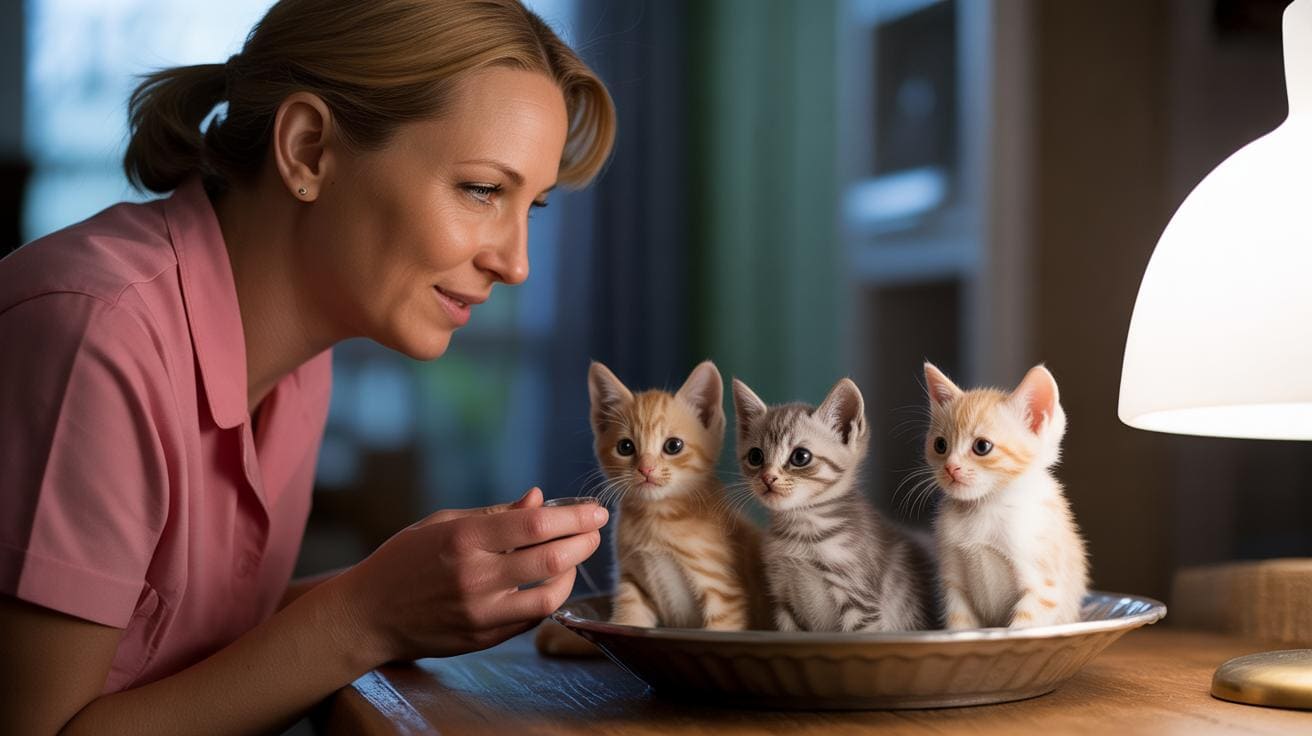
Quick , grab a kitchen scale and a shallow, low-lip dish. This short 7-step checklist gives the exact ages, mixing ratios, warming temp, meal counts, and vet red-flags so you can move fast and confident.
-
Start trials between 3 and 5 weeks of age. Check that the kitten can sit steady in your lap and lap from a dish, and that premolars and canines have erupted (premolars are the back chewing teeth, canines are the pointy front teeth). See the Signs section for more details.
-
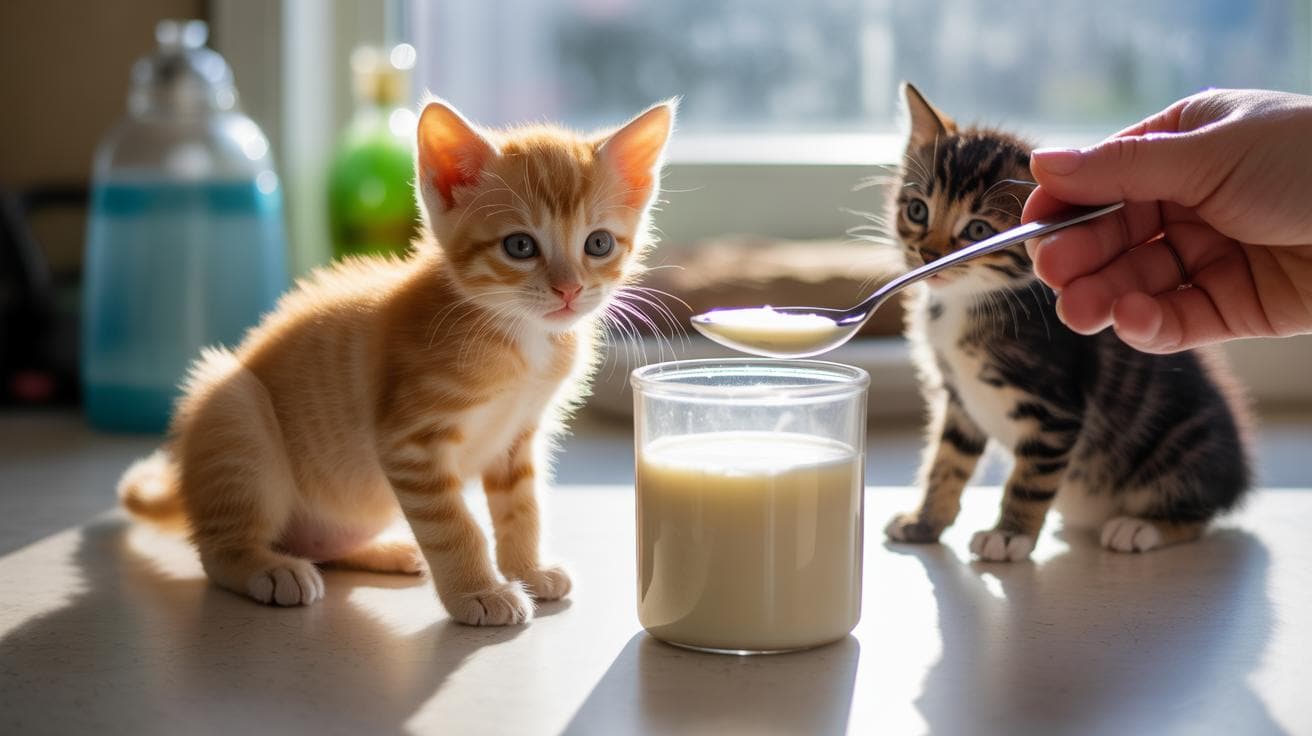
Make the first gruel by mixing equal parts canned kitten food and kitten formula (kitten milk replacer, a commercial milk substitute made for kittens). Warm it to about 100°F (38°C) and test a drop on your wrist so it feels cozy, not hot.
-
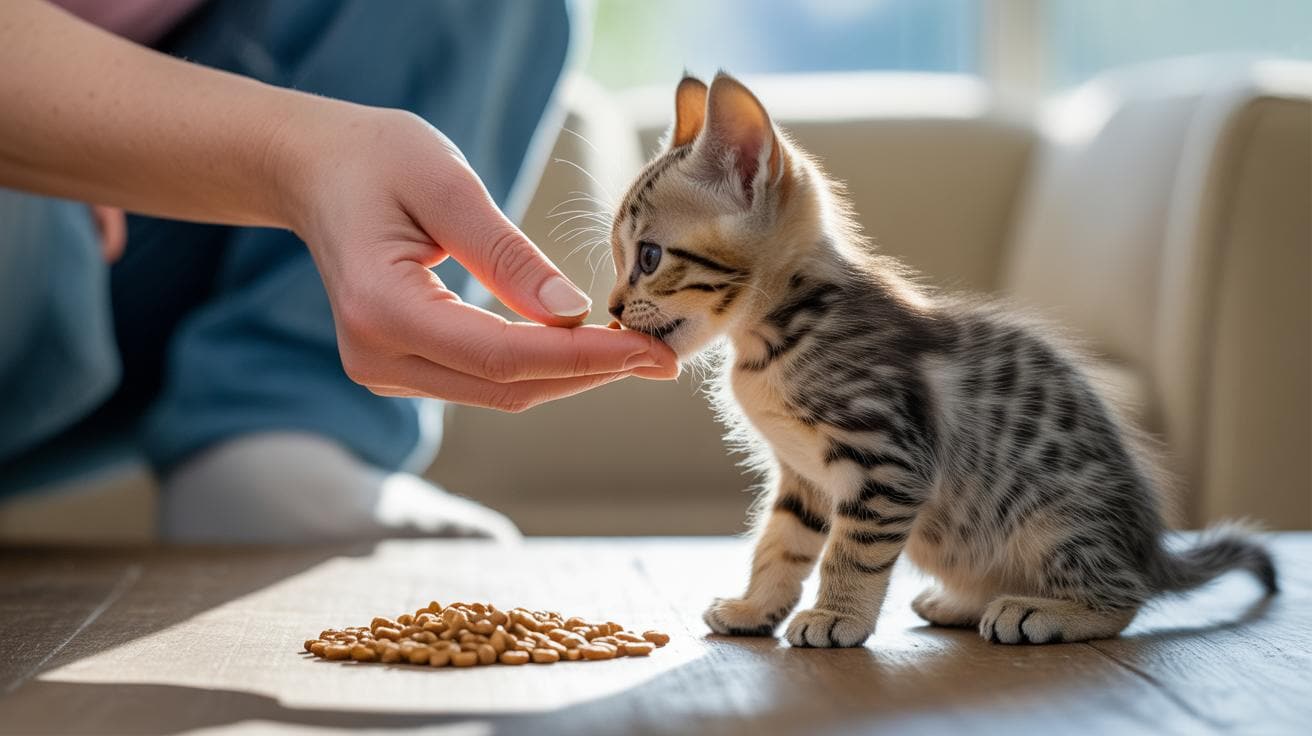
Offer 3 to 4 wet meals a day in shallow dishes. Encourage lapping , try a soft spoon or gentle hand-feeding if the kitten needs help. Small wins add up; even a few confident licks matter.
-
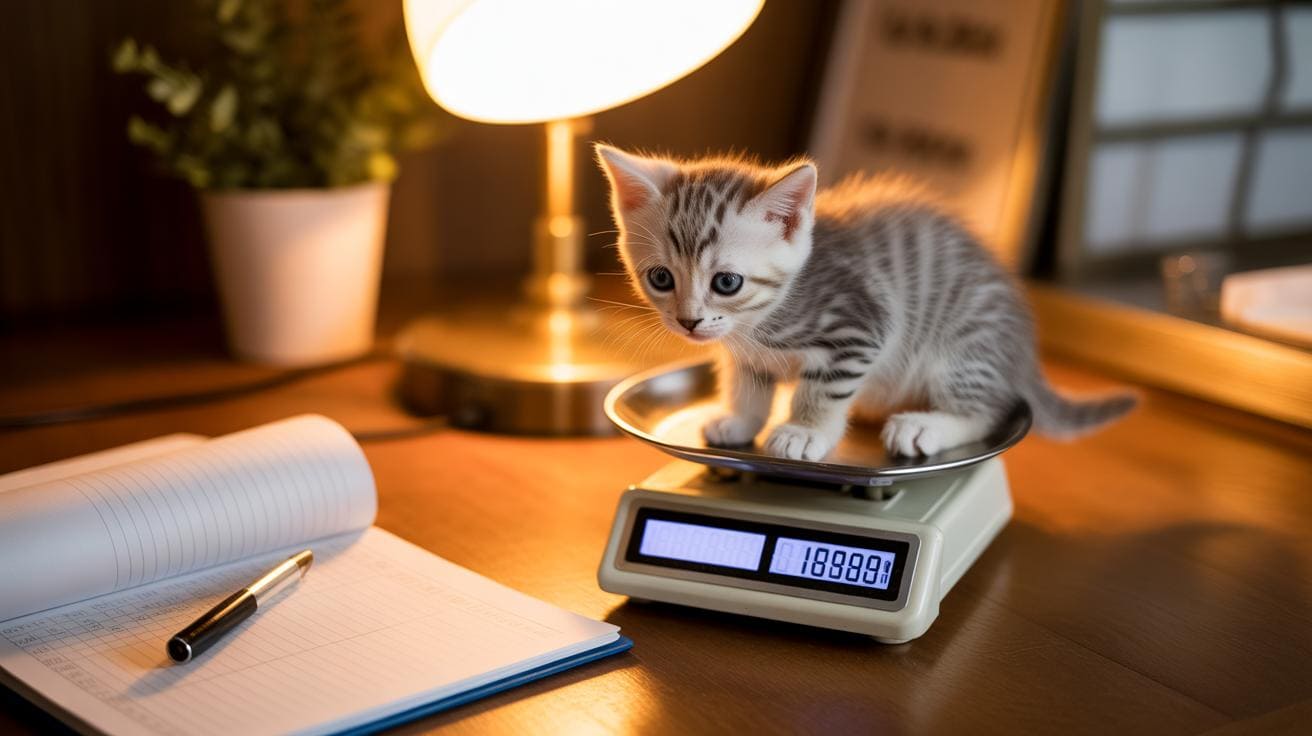
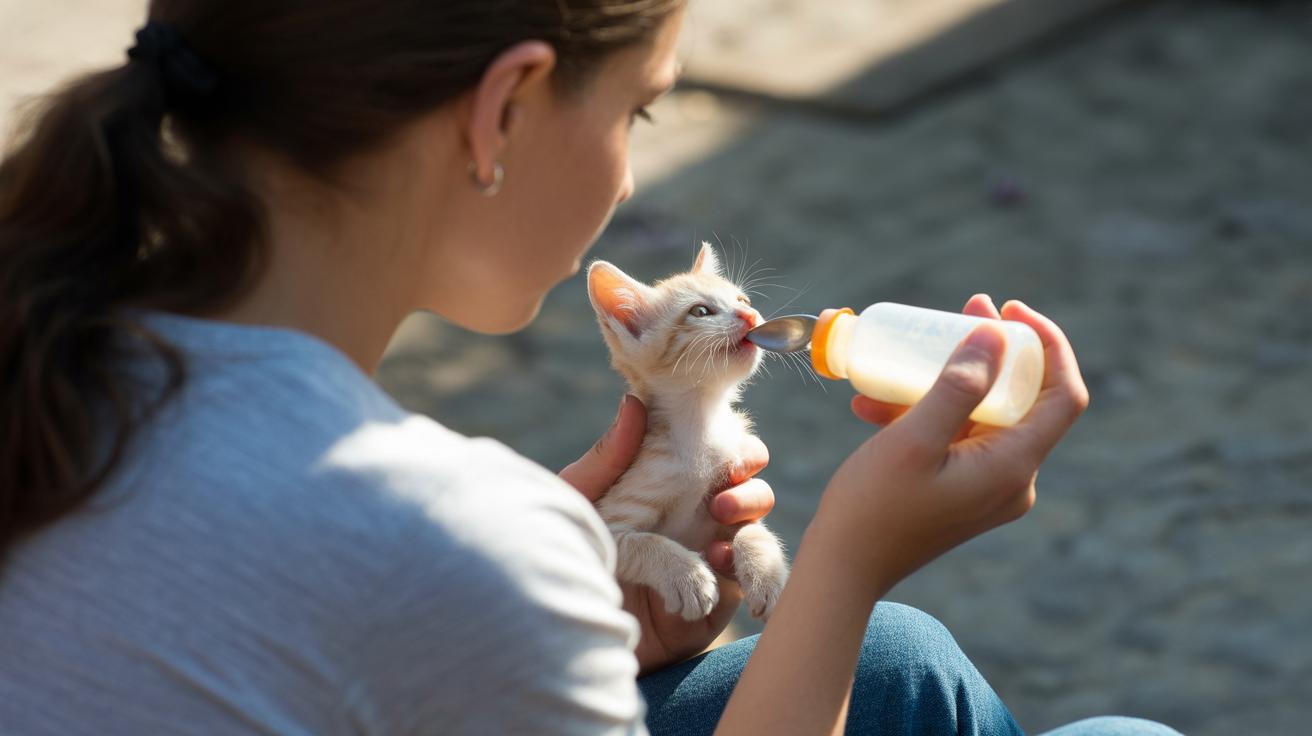
Cut back on supplemental bottle feeds (a small nursing bottle or syringe) slowly as the kitten eats more solids. Weigh the kitten every day and jot down the numbers so you can see trends and catch problems early.
-
Over several days, make the mix thicker so the kitten practices chewing. Aim for about a 1:2 to 1:3 wet food to liquid ratio as tolerated, then introduce softened kibble (dry food soaked until soft). Patience here pays off , let them set the pace.
-
Expect about a +10 g per day weight gain during the active transition phase (g means grams, about 0.035 ounces). Many kittens finish weaning around eight weeks, but keep fresh water available at all times.
-
Watch for vet triggers: diarrhea lasting more than 24 to 48 hours, ongoing vomiting, signs of dehydration like sticky gums or sunken eyes, severe lethargy, or failure to gain weight. If any of these happen, resume supplemental bottle feeds right away, weigh daily, and contact your veterinarian.
Keep this checklist as your single source of truth for ages, meal counts, mixing ratios, warming temp, and red-flag thresholds. Other sections should point back here instead of repeating the numbers. Worth every paw-print.
Wean kittens: signs of readiness and quick health checks before you begin
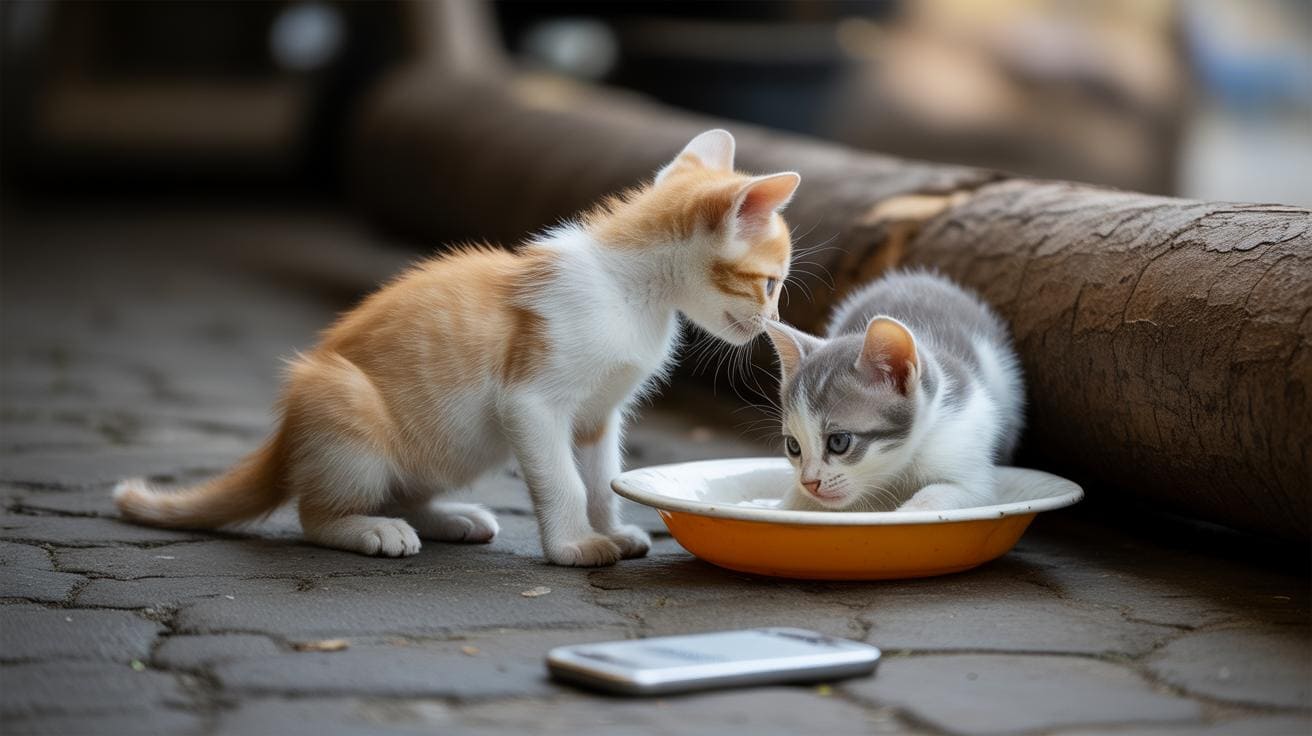
Here’s a short, friendly checklist to help you spot when a kitten is ready for its first meat trials. Use these as go/no-go checks before you follow the lead plan. Think of it as a quick health and behavior scan so you and the kitten both feel confident.
-
Dental cue: gently peek inside the mouth. If you see deciduous premolars or canines (baby teeth), that’s a helpful confirmation. It’s a good sign, but don’t use this as the only test.
-
Lap ability: the kitten can sit steady and lap from a shallow dish. Or the kitten will accept gentle spoon or hand feeding without gagging. If they can lap, they’re coordinating mouth and tongue movements.
-
Behavioral cue: the kitten shows curiosity about food, reaches toward the dish, and mouths in a coordinated way instead of just pawing. Ever watched a little head-tilt before a bite? That’s the good kind of focus.
-
Baseline weight: weigh and record a starting weight before trials begin. Track daily gains toward the target of +10 g per day (about +0.35 oz per day) during transition, and use the same scale and time of day for consistency.
If you’re unsure, refer to the lead checklist for the exact age window, feeding frequency, mixing ratios (how much formula to mix), warming temperature (in F and C), and veterinary triggers to watch for. Follow those details and you’ll be in a much better spot.
Worth every paw-print.
Wean kittens: feeding tools, supplies, and feeding area setup
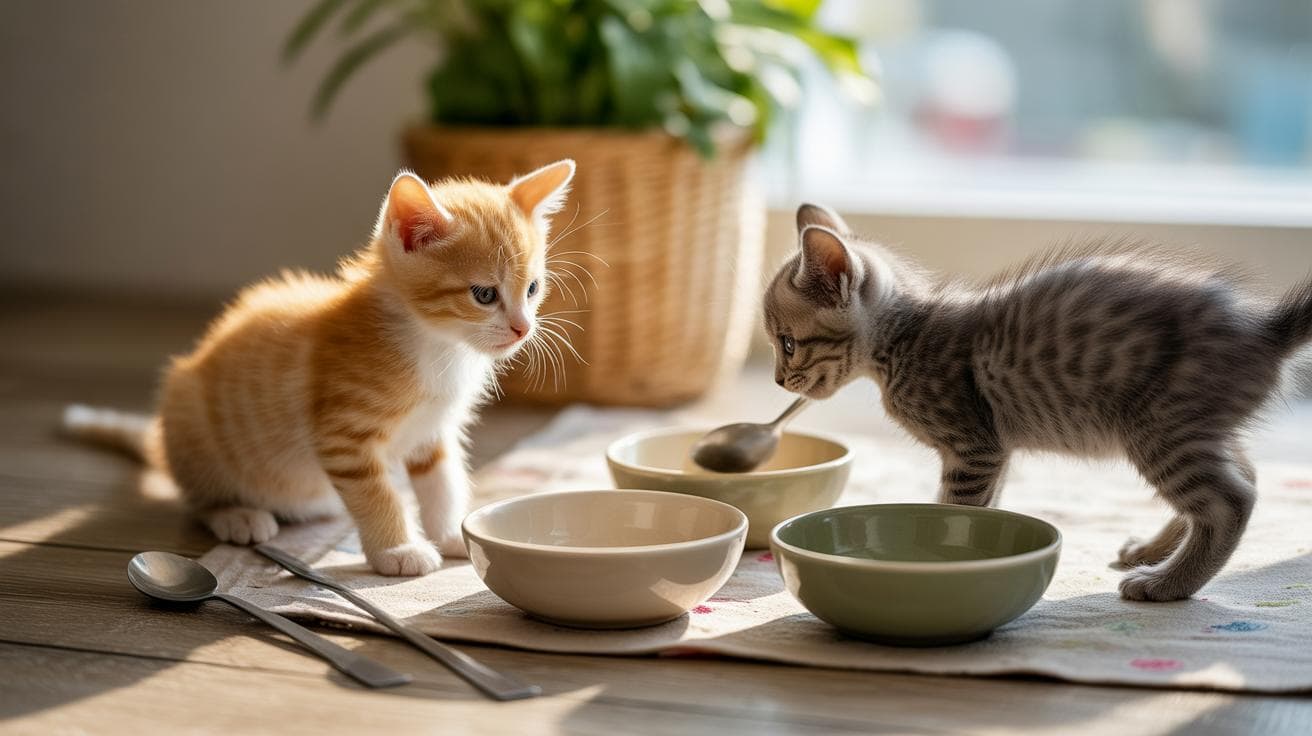
Set up a tidy, low-stress feeding corner so kittens can focus on learning to eat. Keep it warm, quiet, and easy to clean, and you’ll see them relax faster. Ever watched a tiny face concentrate on a bowl? It’s the best.
- Shallow, low-lip dishes (about 2 inches deep) so little faces can lap without tipping or struggling. Think saucers, not deep bowls.
- Soft baby spoons for guided tasting and gentle hand-feeding when you first introduce gruel (gruel, a softened mix of formula and canned food). These help teach licking and reduce mess.
- Non-slip mats and washable surfaces to catch spills and keep bowls from sliding during enthusiastic lapping. Carpets are fine, but wipeable floors make your life easier.
- Small, shallow water dish (about 2 inches high); change the water daily so it smells fresh and invites sips. Hydration matters.
- Gram kitchen scale (small digital scale that measures grams) for daily weigh-ins so you can track that target gain of about +10 g/day (g means grams) during the transition. Quick weigh-ins catch problems early.
- Cleaning supplies: mild dish soap, a separate bottle brush, and a small pot or steam sterilizer (steam sterilizer, like a baby bottle steam cleaner) for utensils used with orphaned kittens. Keep one set just for the kittens.
- Bottles and kitten formula (kitten milk replacer, a commercial formula that substitutes for mom’s milk) on hand as backup until solids are reliably eaten. Check your lead checklist for when to scale back bottles.
- Feed kittens individually when you need to measure intake or stop a stronger sibling from stealing food. One-on-one feeds help shy babies learn without pressure.
For utensils used with bottle-fed kittens, wash in hot soapy water, rinse well, then boil or use a steam sterilizer every day. If food intake drops or weight stalls, follow the lead checklist for when to resume bottle feeds and contact your vet. Don’t wait, small kittens can turn downhill fast.
Worth every paw-print.
Wean kittens: simple gruel recipes, mixing ratios, warming and storage
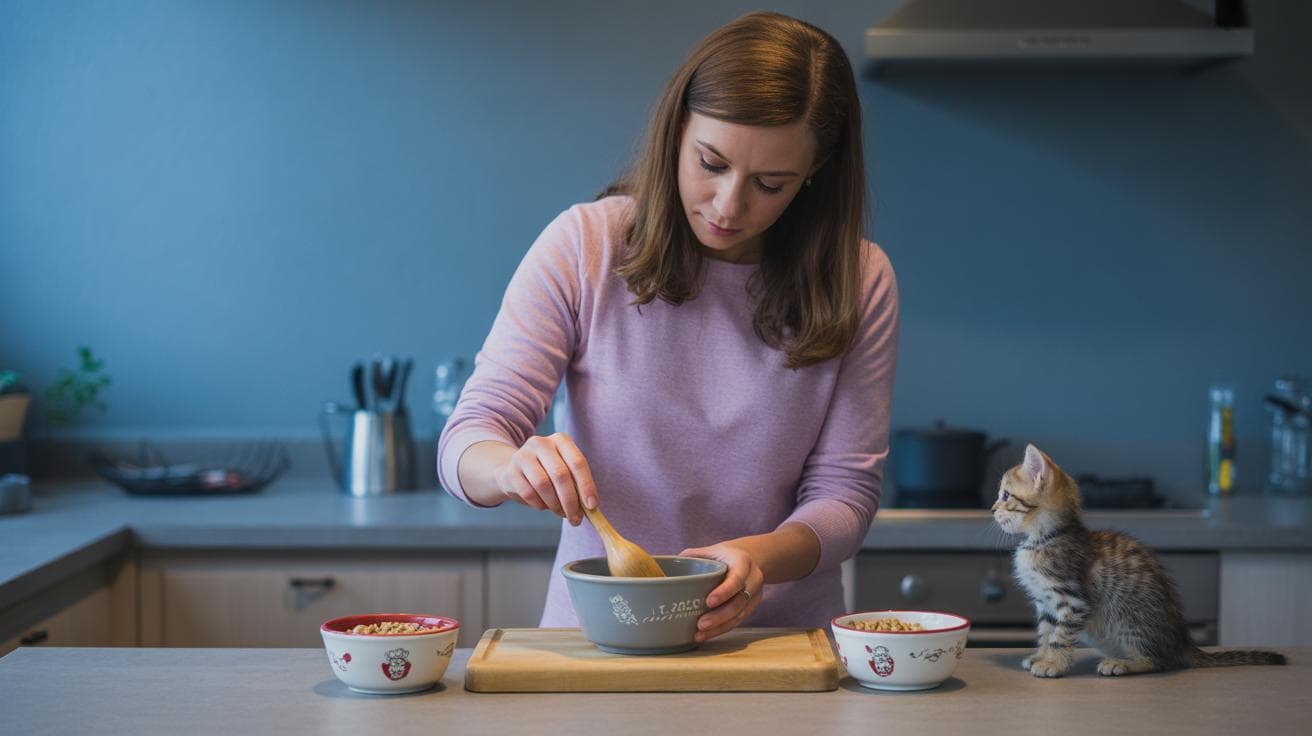
Lead checklist – key numbers and where to find staging:
- Warm the gruel to about 38°C / 100°F. Test one drop on your wrist first. It should feel warm, not hot, like a baby’s bath water.
- See the lead checklist for exact ages, how often to feed, and the vet red flags to watch for. Keep other sections linked to that checklist so the numbers stay the same.
- Keep a kitchen thermometer handy for consistency. It makes life easier and helps nervous humans sleep better.
Detailed recipes & storage
Quick recipe examples:
- Initial gruel – 1 part canned kitten food : 1 part kitten milk replacer (a store-bought milk substitute made for kittens) for a thin, lappable soup. Think gentle, drinkable texture so tiny tongues can learn to lap.
- Progression – over several days, slowly thicken toward 1 part wet food : 2 parts liquid or 1:3 wet:liquid as chewing improves. Let them graduate at their own pace.
- Kibble soak – when introducing solids, soften dry kibble with formula or warm water at about 1:3 (kibble:liquid). The pieces should be soft, not crunchy.
Practical serving tips:
- Use shallow dishes so tiny faces can easily lap. The satisfying little slurp helps them learn fast.
- For shy eaters, dip a clean fingertip in the gruel and wiggle it near their mouth. Many kittens will lick and figure it out. Ever watched one suddenly discover food? Cute.
- Keep mealtimes calm and short. A little praise and a tiny pat afterwards goes a long way.
Storage and safety guidance:
- Opened wet food: refrigerate and use within 24 to 48 hours.
- Freeze small gruel portions in ice cube trays for up to 1 month. Thaw completely, then rewarm to about 38°C / 100°F before serving.
- Keep formula and feeding bottles on hand as a backup until steady weight gain is recorded. If weight stalls, check the lead checklist and call a vet.
- Toss any leftover gruel that sat out longer than two hours to avoid tummy trouble.
Quick reference: see lead checklist for ages, meal frequency, and vet red flags. Worth every paw-print.
Wean kittens: week-by-week schedule with sample daily feeding plans
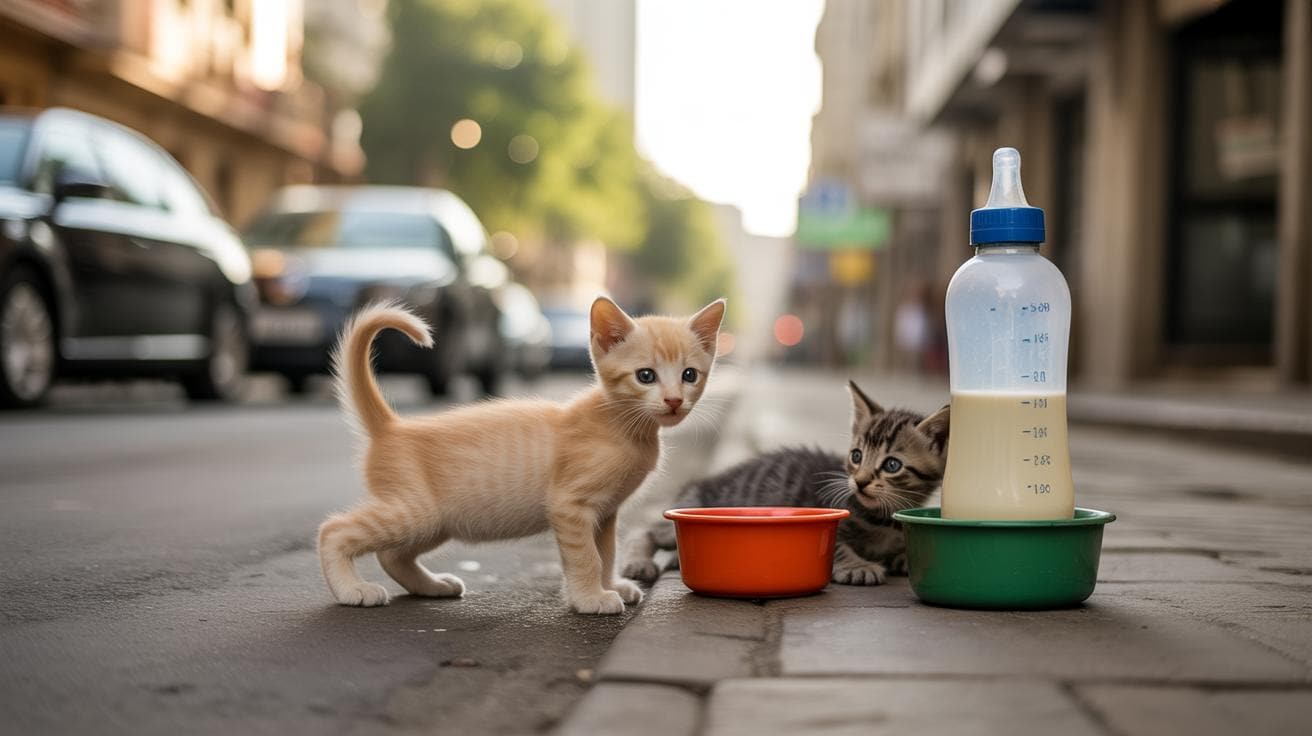
Quick, printable weekly plan that links back to the lead checklist for the exact ages, mixing ratios, warming temperature, and vet red-flags. Read the lead for the numeric thresholds; use the steps below as the day-to-day flow you’ll follow. Ever watched a kitten try to lap? Cute chaos, but we’ll make it easy.
- Week 3-5: start meat trials with thin gruel (gruel = canned kitten food mixed with kitten formula, kitten formula = commercial milk replacer). Keep sessions short and calm so the kitten can practice lapping and learn tongue control. Offer small amounts and let them sniff and lick at their own pace.
- Week 5-6: increase the canned food portion and cut back on formula as the kitten shows more interest in solids. Keep meals frequent and patient; that builds confidence. If they’re hesitant, don’t rush it.
- Week 6-8: introduce softened kibble (kibble = dry kitten food soaked in warm water or a little formula) so chewing skills can develop. Reduce the liquid over several days so texture changes slowly.
- Move by texture, not a calendar – if a kitten struggles, pause the thickening and go back to thin gruel until they’re comfortable. It’s okay to repeat a week.
- Phase out supplemental bottle or syringe feeds (syringe = small feeding syringe) gradually as the kitten eats reliably. Weigh daily and track gains (see the lead checklist for the +10 g/day target).
- If any vet triggers appear, follow the lead checklist’s corrective actions right away – resume bottles if needed, weigh more often, and contact your veterinarian.
Sample 5-week day schedule (practical):
- Meal 1: thin gruel in a shallow dish, aim for 5-10 tiny licks; use a gentle spoon-feed if the kitten needs help.
- Meal 2: short trial with the same thin gruel; offer the bottle afterward only if intake was very small.
- Meal 3: warm, thin gruel; encourage with a fingertip dab so they learn to lap from the dish.
- Meal 4: final thin gruel of the day; weigh before bedtime and record the number.
Sample 8-week day schedule (practical):
- Meal 1: wet kitten food warmed slightly, served in a shallow dish so it’s easy to access.
- Meal 2: wet food again; leave dry kibble out to sniff and taste during the day.
- Meal 3: wet food; always have fresh water in a small shallow dish.
- Weigh daily and use the lead checklist to decide when to stop bottles or call the vet.
A few quick tips: use warm, not hot, food – think cozy bathwater, not scalding. Keep feeding sessions calm and short, and praise the tiny wins. If you’re juggling life and kittens, a consistent routine gives huge benefits, ten minutes of guided feeding can buy you hours of nap time later. Worth every paw-print.