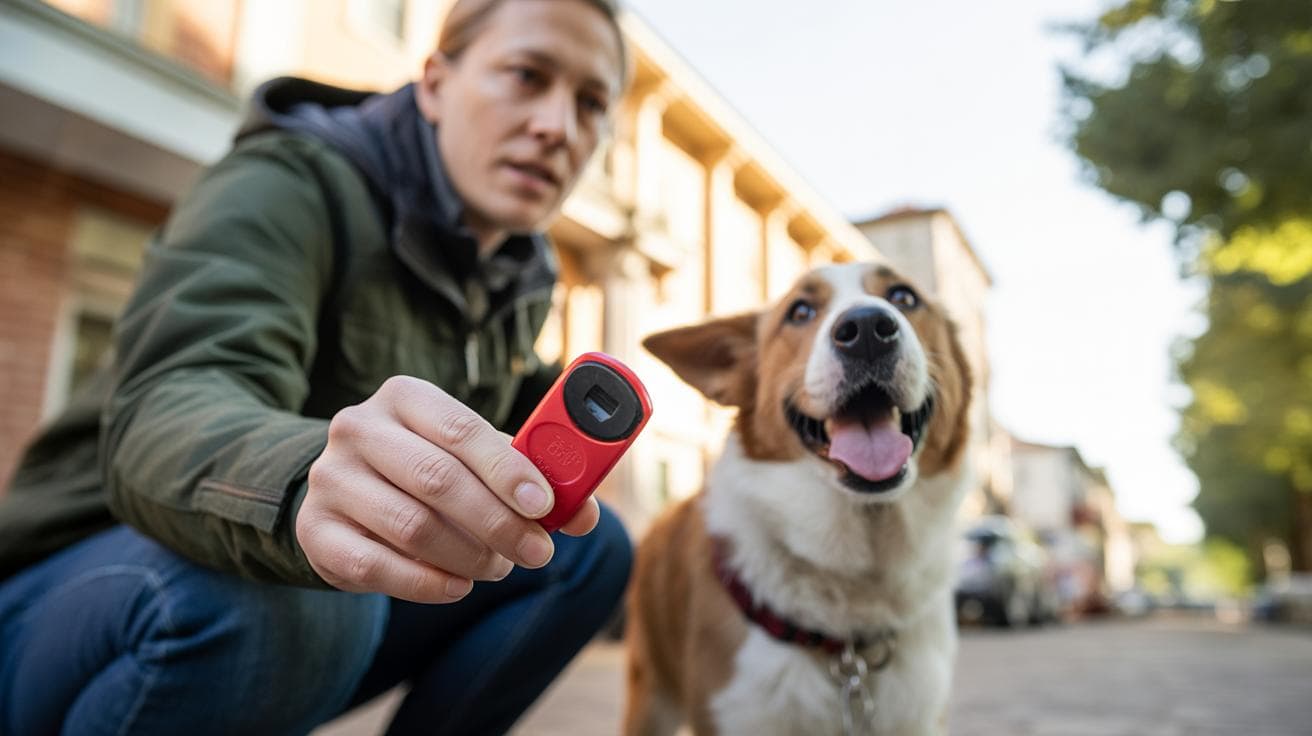
What if a tiny click could beat scolding every time? Karen Pryor’s marker training shows it can. Marker (a short, sharp sound that pins the exact moment the animal did something right) tells your cat, or dog, or bird exactly when to feel proud. It’s simple and kind.
Her rules put the animal’s well-being first. Let them come to you. Keep the click-to-treat time very short, under 0.5 seconds (that’s the gap between the click and the reward). Shape big tricks from tiny steps (shaping means rewarding smaller pieces of a behavior until the whole trick appears). And only start using the clicker (a little handheld device that makes a clear click) after the animal reliably approaches and holds steady on the target.
Think of the click like a camera capturing the exact frame you want.
Follow these tips and learning gets faster, gentler, and a lot more fun for both of you. Worth every paw-print.
Karen Pryor clicker training principles for pets
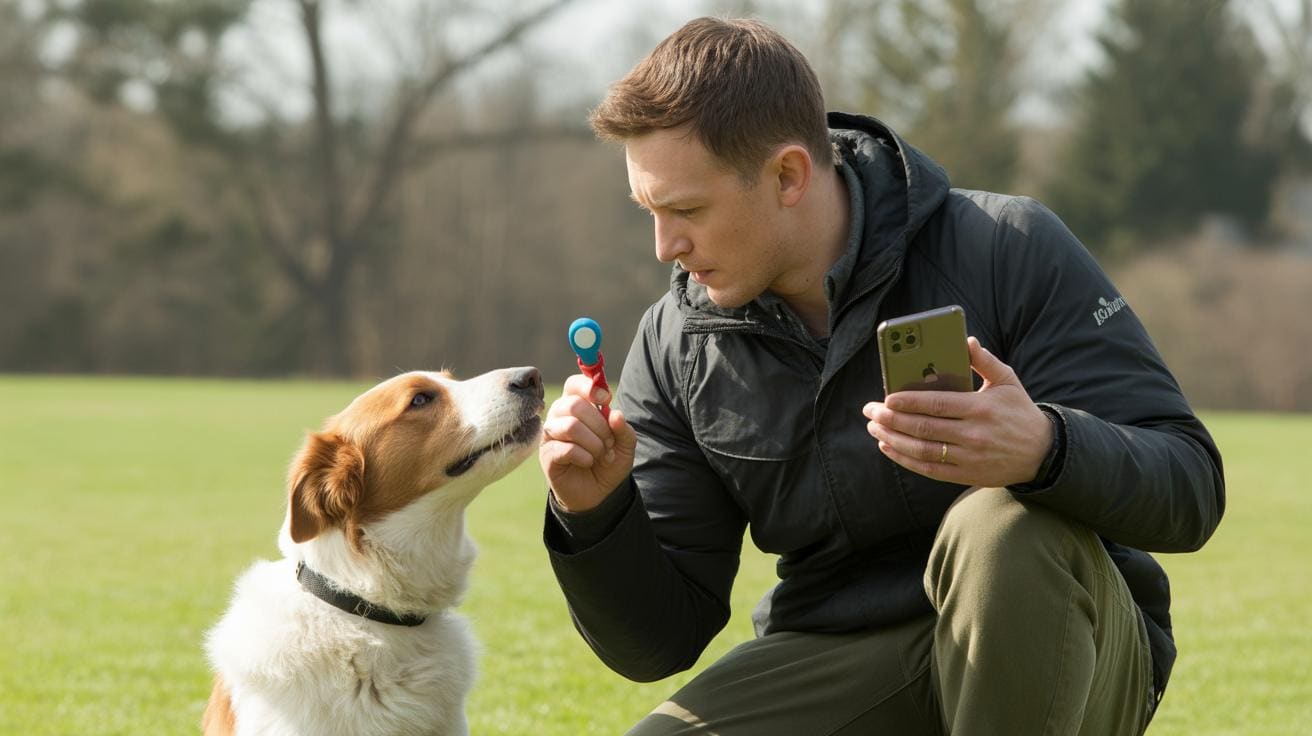
Karen Pryor helped shape modern marker training, also called bridge training. Marker training uses a short, sharp sound , the click , to mark the exact instant your pet does the thing you want. The click becomes a secondary reinforcer (a signal that predicts a treat). This all sits inside operant conditioning (training by consequences). Start only after the animal willingly approaches and eats, and keep the click-to-treat delay under about 0.5 seconds so the signal stays clear.
- [ ] Welfare-first check; click-to-treat timing about 0.5 seconds; initial sequence: approach, target, charge, shape.
Welfare-first means the learner comes on their own terms. If your pet won’t take food, don’t force it. Hand-feed tasty bits, drop a treat a short distance, try something higher value, or switch to play as the reinforcer. Short, calm get-togethers that build trust beat long, pushy sessions every time.
The basics are simple. Mark the exact moment you like with almost no delay. Give the primary reinforcer (treat or play) right after the click. Shape bigger behaviors by rewarding tiny steps toward the goal. Use a target (a small object or your hand the pet touches) like a fishing rod for cats and dogs , it points their focus and opens the door to lots of behaviors.
Only add the clicker after approach and targeting are steady. If the clicker makes the pet uneasy, try a softer sound or a consistent word while you charge the marker slowly (pair the sound or word with treats until it predicts reward). Keep sessions upbeat, quick, and predictable so the learner stays confident and curious.
Worth every paw-print.
Shaping & Timing: modern Ten Laws, timing best practices, examples, and stepwise table

We pulled the classic Ten Laws and the timing rules into one easy toolkit so trainers have one go-to place. Think of it as practical steps that help sessions change behavior faster and kinder. It’s short, focused, and meant to get you results without drama.
Modern Ten Laws of Shaping
- Be ready before you start. Plan the very next reinforcer (what you will give and when).
- Keep sessions flowing. Minimize dead air and keep momentum.
- Reward the current approximation continuously while you’re strengthening it. Continuous reinforcement means rewarding every correct try.
- Raise criteria in very small steps so the learner can succeed. Tiny wins matter.
- Work one thing at a time. Don’t try to shape two different criteria at once.
- Relax old criteria briefly when you add a new detail so the learner doesn’t get overwhelmed.
- Stay ahead of the learner so you know what to reward if they make a fast leap.
- End sessions on a high note to keep motivation for next time. Worth every paw-print.
- If behavior falls apart, go back to kindergarten and rebuild easy wins. Start simple.
- Use one primary shaper per behavior during acquisition when possible. If multiple handlers must work the same goal, communicate clearly so the animal gets consistent feedback.
Timing best practices
Marker timing is the technical heart of marker training. A marker is a sound or signal (like a clicker or a word) that tells the animal exactly which tiny movement earned a reward. Place the marker the instant the movement you want happens. Think in tenths of a second.
Aim for click placement within 0.0-0.5 seconds of the target action. Get the treat to the animal’s mouth within about 0.0-2 seconds. While shaping a new approximation, give continuous reinforcement (treat every correct bit). Switch to intermittent or variable schedules (rewards less often or unpredictably) only after the response is stable and reliable.
Quick timing norms:
- Marker placement: 0.0-0.5 s.
- Treat to mouth: 0.0-2 s.
- Reinforcement during shaping: continuous (every correct try).
- Move to variable schedules after stability.
Examples:
- Head dip capture: mark the instant the nose moves down, then treat immediately.
- Paw touch: click within 0.3 s of the paw meeting the target, then reward.
- Hold duration: click for the first steady second, then slowly increase required hold across sessions.
Practical shaping examples and progression rules
Shape by rewarding tiny, successive approximations and never stack two big changes together. For example, approach → touch → short sit: reward the pet for stepping closer, then for touching the target, then for sitting briefly. Increase the hold by tiny, clear steps.
For short recall → distance recall: mark and reward the animal for turning and taking one step toward you, then for three steps, then for landing on a mat. Keep each distance increment small so success is obvious.
For paw touch → longer hold: click and treat each initial quick touch. Then ask for two quick touches, then a single touch held 0.5 seconds, and so on. Reward near-misses that move behavior toward the goal instead of waiting for perfection. Your learner will thank you with a big, goofy pounce. Ever watched whiskers twitch when a goal is close? Yup, that.
| Step | Trainer action / setting | What to watch for (behavioral target) | Click timing (seconds) | Reinforcement schedule used |
|---|---|---|---|---|
| 1 Approaching target | Place target nearby; reward any move toward it | Step toward or orient to target | 0.0-0.5 | Continuous |
| 2 Following target | Move target laterally; reward following motion | Side-step following target | 0.0-0.5 | Continuous |
| 3 Paw touch capture | Present touch target; click for light contact | Paw meets target | 0.0-0.3 | Continuous |
| 4 Sit held 1 second | Click when sit is steady; increase hold gradually | Sit maintained 1.0 s | 0.0-0.5 | Continuous → Partial |
| 5 Short recall | Call, click at arrival; reward landing on mat | Approach and touch mat | 0.0-0.5 | Continuous → Variable |
| 6 Step toward heel | Mark an accurate step; shape more steps into sequence | Single step initiated toward heel position | 0.0-0.5 | Variable |
Charging the marker
Charge the marker in short, low-pressure sessions so the sound predicts reward without stress. Charging means pairing the marker (click or chosen signal) with tasty food until the animal looks for the treat when they hear the sound.
- Pair in short bursts: 10-20 pairings per session, a few sessions total.
- Look for signs the marker is charged: orienting, brightening, leaning in, or searching for the treat when they hear the sound.
- Bridging options when delivery is delayed: drop a pre-placed treat, use a wait target (a known cue that keeps the animal steady), or give a short secondary signal that the treat is coming.
Move from continuous reinforcement to intermittent or variable schedules once the behavior is consistent and errors drop. Check the timing best practices and the stepwise table above when you plan that shift so progress stays smooth and confidence stays high.
Step-by-step clicker training for beginners using Karen Pryor principles
Use this quick-start checklist to get hands-on practice. For the full timing rules, marker charging (pairing the click with a treat so the click becomes a reward signal), fading procedures, and staged proofing (practicing the behavior in harder settings), see the Shaping & Timing section.
-
Start only when your learner willingly approaches and takes treats. Offer a treat; when they take it, you’re ready , no pressure, just tasty motivation.
-
Teach following by moving side-to-side and rewarding the follow. Step a few paces, wait for your cat to trail you, then treat. Think of it like a slow, silly dance you both enjoy.
-
Introduce a simple physical target and reward every touch to build reliability. Targeting (teaching the cat to touch an object) is a great foundation for lots of tricks.
-
Bring in the clicker (a small handheld marker that makes a sharp click) only after targeting is steady. Charge the marker (click then treat repeatedly so the click predicts food); the Shaping & Timing section shows exactly how.
-
Alternate capture rounds (rewarding spontaneous offers the cat gives) with deliberate target rounds. That mix keeps sessions playful and prevents burnout , fun and learning together.
-
Shape tiny approximations by rewarding each small step; keep rewards continuous for the step you’re working on. Raise just one criterion at a time so it stays clear and doable.
-
Proof the behavior under mild distraction, increasing the challenge slowly. Proofing (testing the behavior in harder settings) helps the skill hold up when things get noisy or busy.
-
Keep sessions short: 3 to 10 minutes, several times a day. End on an easy win, jot a quick progress note, and walk away while everyone’s feeling good , worth every paw-print.
Troubleshooting and common mistakes in Karen Pryor clicker training principles (cross-reference Shaping & Timing)
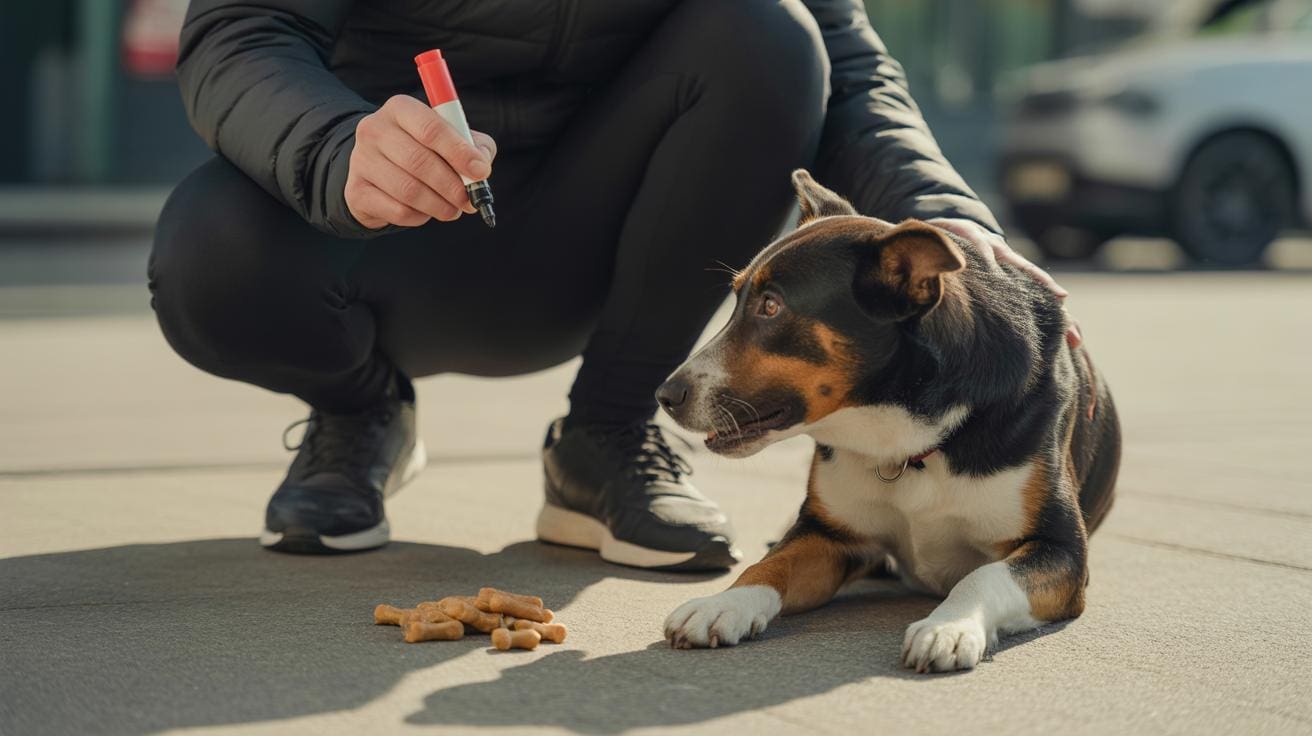
Quick troubleshooting. The usual suspects when progress stalls are a weak reinforcer (the treat or toy that motivates your pet), jumping criteria too fast, the marker not being reliably paired (the click or word that signals a correct moment), or low motivation. Start simple: lower the criterion so the animal can win, re-pair the marker with tasty treats, or swap or boost the reinforcer (try something extra yummy or a favorite toy). See Shaping & Timing: Stepwise criteria; See Shaping & Timing: Charging the marker; See Shaping & Timing: Reward value.
Sometimes you’ll see an extinction burst – a sudden spike in the behavior when reinforcement stops. That usually means your learner is stressed or confused, not that they’re making real progress. Fix it by stepping back to the last thing you reliably reinforced and give short, high-value rewards to rebuild predictability. For example, tiny chicken bits for a calm two seconds. Calm, consistent wins help rebuild confidence.
Appendix , Expanded Q&A (open if you want more)
What if my dog/cat won’t take treats?
Start with trust-building. Hand-feed tiny pieces or toss a treat just a few inches away so approaching feels easy. If your pet prefers play, use a quick toy romp while you slowly pair the marker with treats. Short, calm sessions work best. See Shaping & Timing: Charging the marker.
Example: “Here, tiny cheese, good!” to make food from your hand feel normal and safe.
Why did behavior get worse after I raised criteria?
You probably moved too fast. Go back to a simpler approximation, raise the step size smaller, and reward more often so your learner gets frequent wins. Patience pays. See Shaping & Timing: Stepwise criteria.
Is it OK to withhold reinforcement to get a bigger response?
Don’t do that on purpose. Withholding rewards to provoke more offers can cause drop-out or confusion. If you suspect extinction, return to the last reinforced step and make reinforcement predictable again. See Shaping & Timing: Shaping path alternatives.
My clicker seems to scare the animal , what now?
Switch to a quieter marker or use a soft word and pair it slowly with treats so it becomes a predictor of good things. Short, calm pairing sessions help the sound lose its edge. See Shaping & Timing: Charging the marker.
Training stalled despite consistency , any strategies?
Try a different shaping path, create more capture opportunities, or change where you place the reinforcer to spark spontaneous offers. Shorter sessions and tiny wins often restart progress. You can also vary the reinforcer to see what lights your learner up. See Shaping & Timing: Shaping path alternatives.
How do I stop relying on treats?
Pair the marker with cues, praise, or play, then fade treats gradually and move to intermittent rewards once the behavior is stable. Shift to variable schedules slowly so the marker stays meaningful. See Shaping & Timing: Intermittent schedules.
For full timing windows, charging steps, and the stepwise table, see the Shaping & Timing section.