Eggplant contains solanine, a compound toxic to cats, and even small amounts can cause neurological and digestive harm. This seemingly common kitchen vegetable is not safe for felines, and recognizing the risks and symptoms of eggplant toxicity is an important part of responsible cat ownership. This guide explains why keeping eggplant off your cat’s menu is essential for their health and peace of mind.
Can Cats Eat Eggplant? Understanding the Risks and Symptoms
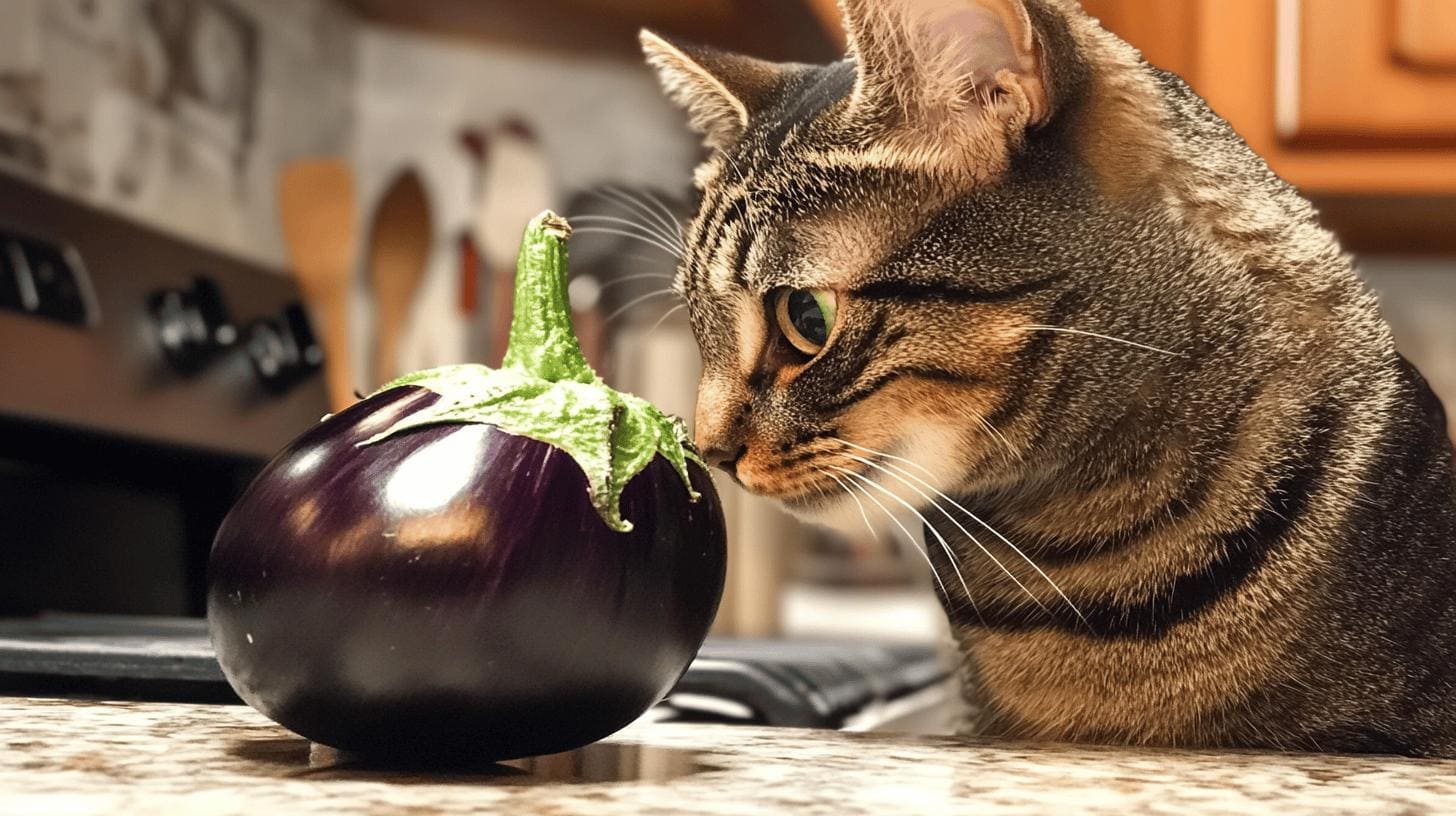
Eggplant, a common vegetable in many households, contains a compound called solanine. Solanine is a natural pesticide found in the Nightshade family, which includes eggplants, potatoes, and tomatoes. This substance is toxic to cats and can lead to both neurological and gastrointestinal problems. When a cat consumes solanine, it can interfere with their nervous system and digestive tract, potentially causing severe health issues. The amount of solanine in raw eggplant may not always result in immediate toxicity, but the risk is significant enough to warrant caution.
Cats are obligate carnivores, which means their bodies are designed to thrive on a diet rich in animal-based proteins. Unlike humans, cats do not require vegetables like eggplant in their diet. Their digestive systems are not well equipped to break down plant material effectively, and consuming such foods can lead to unnecessary complications. Proteins from sources like poultry, beef, and fish provide essential nutrients that cats need to maintain their health. Including vegetables like eggplant in their diet not only offers no nutritional benefit but also poses a risk of toxicity.
Here are some potential symptoms of eggplant toxicity in cats:
- High or low heart rate: Eggplant consumption can affect a cat’s cardiovascular system.
- Vomiting: A common symptom that indicates the cat’s body is trying to expel the toxin.
- Nausea: Often accompanies vomiting and can cause discomfort.
- Digestive issues: This may include diarrhea or constipation, as the digestive system struggles with the toxin.
- Overall discomfort: Cats may appear lethargic or show signs of pain.
Monitoring your cat for these symptoms is crucial. If you suspect your cat has eaten eggplant and notice any of these signs, it is vital to consult a veterinarian immediately. Even though toxic doses from raw eggplant are uncommon, prompt veterinary consultation can prevent potential complications. The vet will provide guidance on how to manage symptoms and ensure your cat receives the appropriate care.
The Nightshade Family and Why It Matters for Cats
Eggplant belongs to the Solanaceae family, commonly known as the Nightshade family. This botanical group includes a wide range of plants, some edible for humans and some highly toxic even to people. For cats, many plants in this family carry meaningful risks due to their solanine and other glycoalkaloid content.
Beyond eggplant, other common Nightshade family members that cat owners should be aware of include tomatoes, potatoes, and peppers. Tomato plants, especially unripe green tomatoes and the leaves and stems, contain tomatine, a compound similar to solanine that can cause the same types of neurological and gastrointestinal symptoms. Potato plants, particularly raw potato flesh, green skin, and sprouts, carry concentrated solanine that poses significant risks, as covered in detail in the guide on safe and unsafe plant foods for cats.
Understanding the Nightshade family connection helps cat owners think about kitchen safety more broadly. If you cook frequently with eggplant, potatoes, or tomatoes, it’s worth being deliberate about keeping these ingredients out of your cat’s reach during food prep and cleanup. Scraps, peels, and raw pieces left on cutting boards or near trash bins can attract curious cats. A proactive approach to kitchen safety eliminates many of the most common accidental ingestion scenarios.
What to Do if Your Cat Eats Eggplant

If your cat eats eggplant, act quickly to ensure their safety.
- Remove any remaining eggplant: Prevent further ingestion by taking away any accessible pieces.
- Monitor your cat closely: Keep an eye out for signs such as vomiting or behavioral changes.
- Contact a veterinarian: Get professional advice, especially if symptoms develop.
While waiting for veterinary guidance, keep your cat calm and offer fresh water. Responding swiftly can help avoid complications.