Can cats eat figs or is it a figment of our imagination to think they're safe? While these fruits might be a tasty snack for us, they pose some risks for our feline friends. Figs contain a compound called ficain, which can upset your cat's stomach and lead to digestive problems.
Cats can't even taste fruits, so there's little to gain from adding figs to their diet. In this post, we'll break down the safety concerns and nutritional aspects of figs to help you make informed decisions about your cat's diet.
Can Cats Eat Figs? Evaluating the Safety, Risks, and Nutritional Content
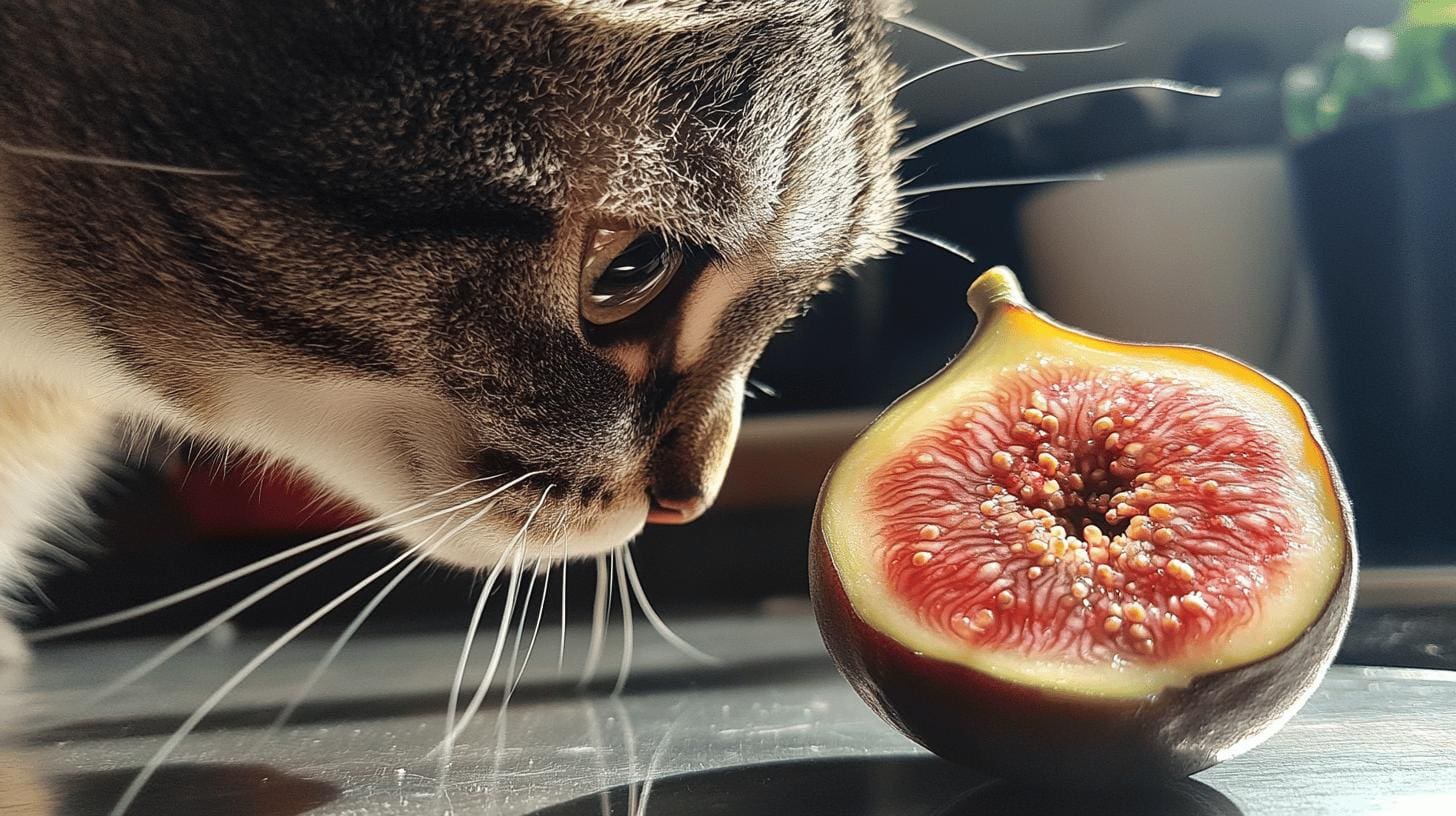
When it comes to figs and cats, there are some safety concerns to be aware of. While figs aren't considered highly toxic to our feline friends, they can still cause some trouble. Digestive issues like stomach upset and diarrhea are common when a cat consumes figs.
The problem lies in a substance called ficain, found in figs, which can be harmful to cats. Unlike humans, cats don't need fruits in their diet and, in fact, they can't even taste them. This makes figs an unnecessary addition to their meals.
Potential health risks from eating figs include both digestive issues and allergic reactions. Cats may experience symptoms such as vomiting, diarrhea, or general digestive distress. Some cats might also develop allergic reactions, although this is less common.
The presence of ficain in figs heightens these risks, as it can create adverse effects on a cat's digestive system. It's crucial to recognize these risks before considering figs as a treat for your cat.
If your cat happens to nibble on some figs, here are specific symptoms to watch for:
- Vomiting
- Diarrhea
- Loss of appetite
- Lethargy
- Signs of allergic reactions, such as itching or swelling
Nutritionally, figs are packed with fiber, vitamins, and minerals, which sound great for humans but don't translate the same way for cats. Cats have a different set of dietary needs, and the nutrients in figs don't provide them with any specific benefits. Since cats can't taste fruits, they offer little appeal or nutritional advantage for them.
Considering these factors, it’s best to steer clear of figs and fig-based products like Fig Newtons for your cat. These treats are not designed to meet the nutritional needs of cats and can lead to unnecessary health risks. Instead, focus on providing your cat with foods and treats that are specifically formulated for their dietary requirements.
Alternatives to Figs: Safe Treat Options for Cats
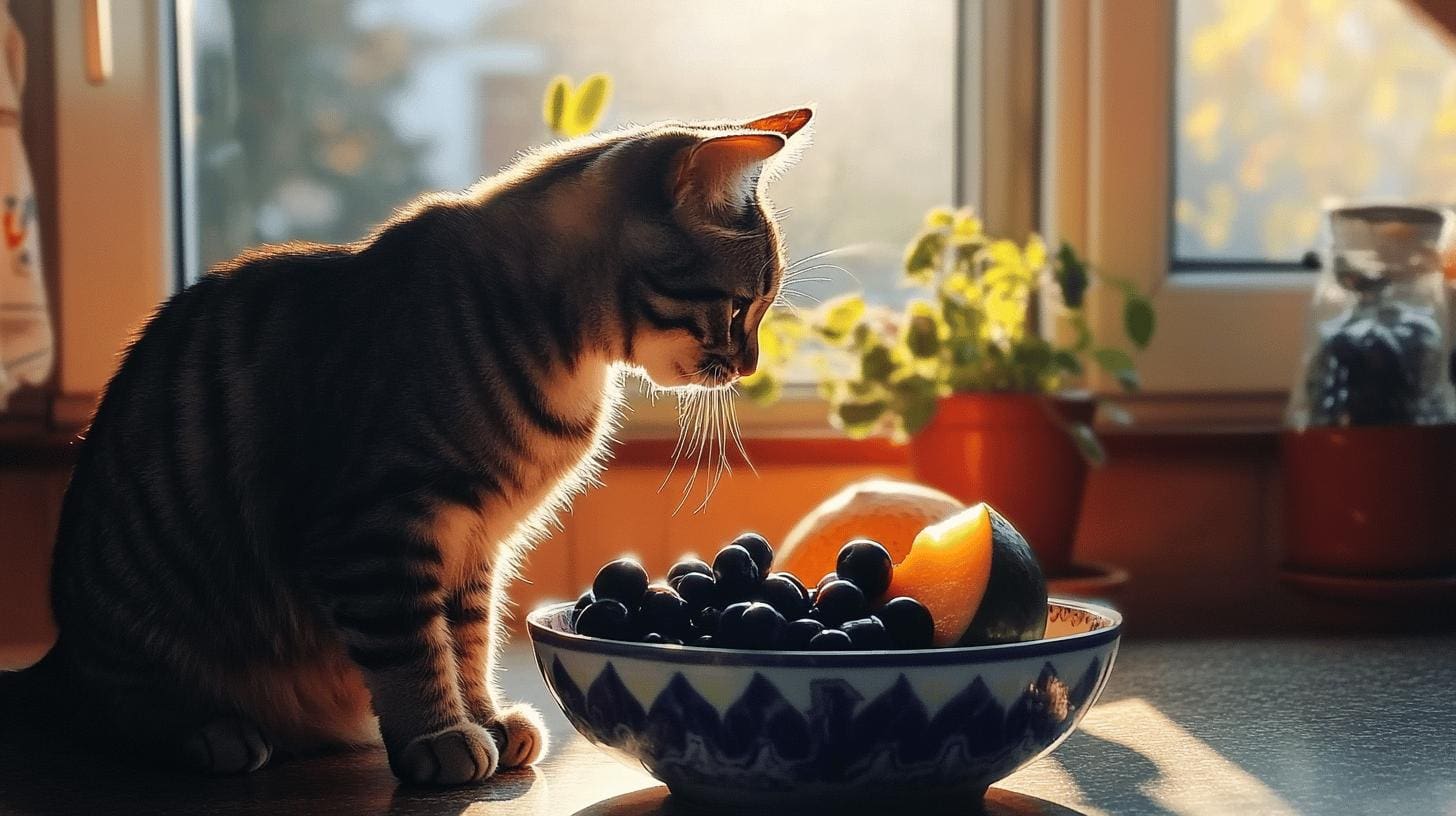
Choosing alternatives to figs for your cat is a smart move, given the potential digestive issues and lack of nutritional benefits figs offer to felines. Cats have specific dietary requirements that figs simply don't meet.
Instead of figs, it's better to offer treats that are specifically designed to align with a cat's nutritional needs. Cooked chicken, for instance, provides a protein-rich snack that cats love.
Fruits like blueberries and melons, in moderation, can also be safe options because they offer hydration and vitamins without the digestive disturbances. Always ensure treats are given in small amounts to avoid upsetting your cat's stomach.
Here are some safe treat options for cats that can serve as alternatives to figs:
- Cooked chicken
- Blueberries
- Melons
- Catnip treats
- Commercial cat treats
Before introducing any new treats to your cat's diet, consulting a veterinarian is crucial. Vets can provide tailored advice based on your cat's health and dietary needs, ensuring that any new addition is safe and beneficial. Always prioritize your cat's health by choosing treats that support their well-being.