Is your furry friend eyeing that bowl of granola you left on the counter? It might seem like a harmless snack, but feeding granola to cats can actually be risky business. This crunchy treat, popular among humans, hides some potentially harmful surprises for our feline companions.
From toxic ingredients like raisins and chocolate to choking hazards posed by nuts, granola can spell trouble. So, before you share your breakfast with your cat, let's dive into the safety concerns and risks associated with granola to keep your kitty safe and healthy.
Can Cats Eat Granola Safely?
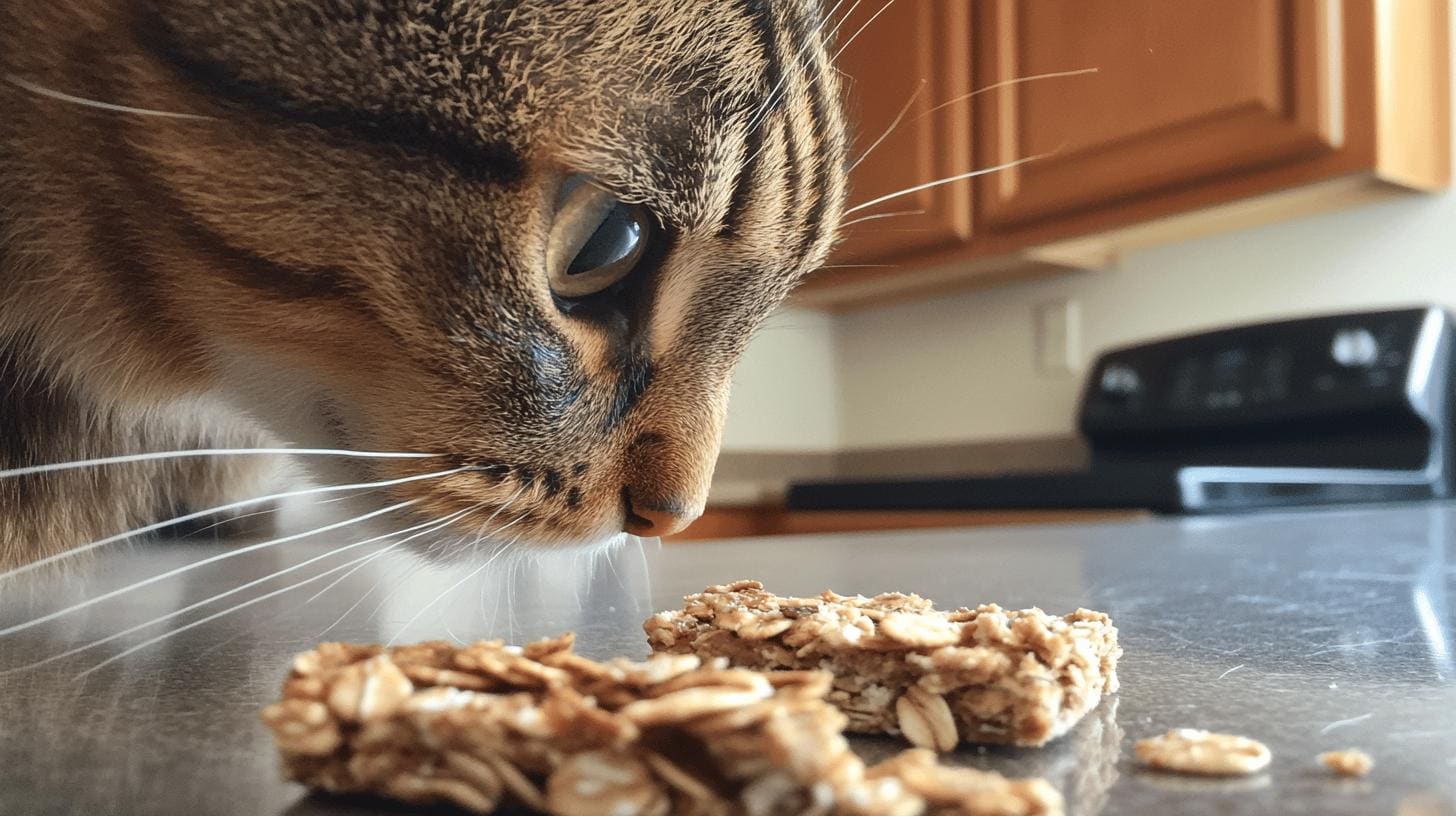
Granola might seem like a harmless snack, but it's not recommended for cats. This popular human treat contains several ingredients that can be harmful to our feline friends. While granola itself isn't inherently toxic, its components can pose serious health risks to cats.
Ingredients like raisins and chocolate are known to be toxic, and nuts can be a choking hazard. Additionally, sweeteners and dried fruits can lead to digestive issues or contribute to long-term health problems in cats.
Here’s a quick rundown of harmful ingredients often found in granola:
- Raisins: Highly toxic and can lead to kidney failure in cats.
- Chocolate: Contains theobromine, which is poisonous to cats.
- Nuts: Can cause choking and may trigger allergic reactions.
- Sweeteners: Can cause digestive upset and contribute to obesity.
The health risks associated with these ingredients should not be taken lightly. They can lead to numerous issues, some of which can have lasting effects on a cat's health.
- Digestive Distress: Ingredients like sweeteners and dried fruits can cause vomiting and diarrhea.
- Allergic Reactions: Nuts and other components may trigger allergies, leading to skin issues or respiratory problems.
- Obesity: High-calorie content from sweeteners and other components can contribute to unhealthy weight gain.
If your cat accidentally consumes granola, it's crucial to monitor their health closely. Watch for signs of digestive distress, such as vomiting or diarrhea, which could indicate that something is wrong.
If these symptoms persist for more than two days, or if your cat shows signs of severe discomfort, it's time to consult a veterinarian. Early intervention can prevent more serious health issues and ensure your cat stays healthy and happy.
Understanding the Nutritional Needs of Cats
Cats are obligate carnivores, which means their diet must be rich in animal protein. This high-protein, animal-based diet is crucial because it provides essential nutrients that cats can't obtain from plant-based sources.
Animal proteins supply amino acids like taurine, which are vital for maintaining a cat's heart and eye health. Without sufficient animal protein, cats may suffer from deficiencies that can lead to serious health problems.
Feeding cats human foods can pose significant risks. Many human foods lack the nutrients cats need and can even be harmful. Ingredients like onions, garlic, and grapes are toxic to cats, while sugary or fatty foods can lead to obesity and diabetes.
Even seemingly harmless foods like dairy products can cause digestive issues since many cats are lactose intolerant. It's best to stick to cat-specific foods that are designed to meet their dietary needs.
| Nutrient | Role in Cat’s Diet |
|---|---|
| Protein | Essential for tissue repair and immune function |
| Fat | Provides energy and supports skin and coat health |
| Vitamins | Regulate various body processes |
| Minerals | Support bone health and enzyme function |
| Water | Crucial for hydration and overall health |
Sticking to a balanced feline diet ensures that cats receive all the nutrients they need. A diet tailored to their specific nutritional requirements promotes overall wellbeing and longevity.
By providing cats with the right balance of proteins, fats, vitamins, minerals, and water, we can help prevent health issues and keep our feline friends thriving. A well-balanced diet not only supports their physical health but also keeps them energetic and playful.
Safe and Healthy Alternatives to Granola for Cats
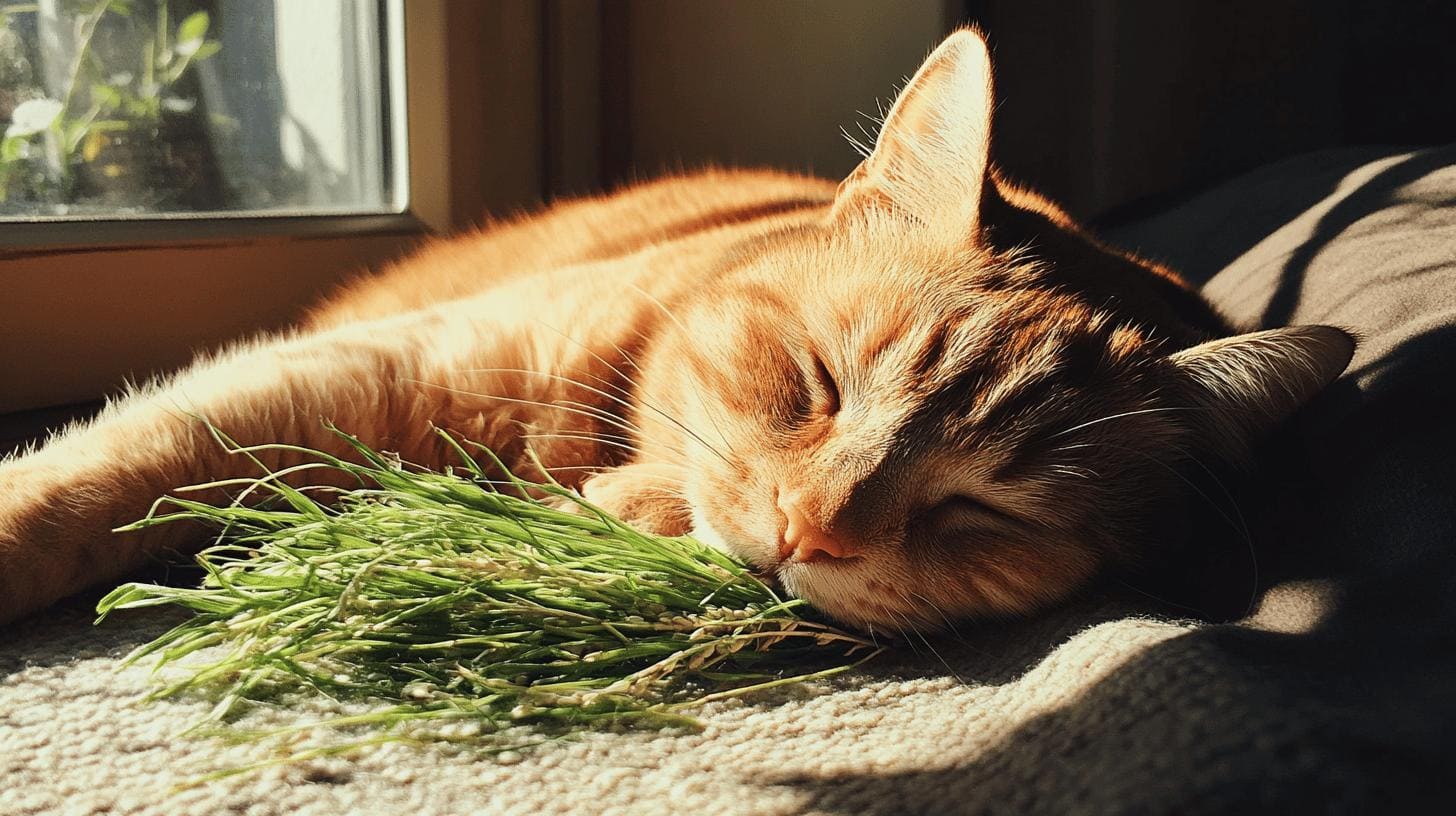
Choosing cat-specific treats over human foods is crucial for maintaining your cat's health. Human foods, like granola, often contain ingredients that can be harmful. Cats have unique dietary needs, and their snacks should reflect that.
Opting for treats formulated specifically for cats ensures that your feline friend is getting the nutrients they need without the risk of toxic ingredients. By sticking to treats designed for cats, you can prevent potential health issues and avoid unnecessary trips to the vet.
Here are some safe and healthy treat options for cats:
- Oat Grass: A great alternative for cats interested in oats.
- Catnip: A favorite among many cats, providing mental stimulation.
- Cooked Chicken: High in protein and free from harmful additives.
- Salmon Treats: Rich in omega-3 fatty acids for a healthy coat.
- Commercial Cat Treats: Ensure they are free from artificial flavors and preservatives.
Offering these alternatives has several benefits. Cat-specific treats are crafted to meet the nutritional needs of your furry friend, supporting their overall health and wellbeing. They provide essential nutrients without the risks associated with human foods.
Additionally, these treats can enhance your cat's diet by adding variety and excitement, keeping them happy and engaged. By selecting the right snacks, you contribute to a balanced diet that promotes longevity and vitality in your cat.