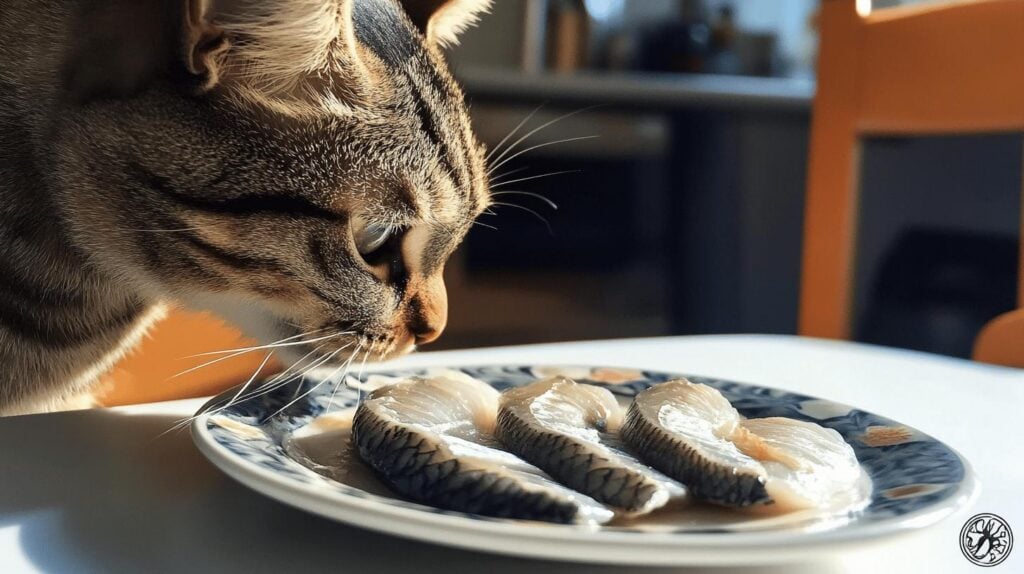
Ever found your cat nibbling on fish food and wondered if it’s safe? While it might seem harmless, feeding fish food to cats can be nutritionally lacking. Cats are obligate carnivores, meaning they need a diet rich in certain proteins and nutrients that fish food doesn’t provide. Fish food might entice your feline friend, but don’t be fooled—it lacks key nutrients like taurine and Vitamin B1. So, before making fish food a regular treat, let’s dive into why it falls short in meeting your cat’s dietary needs.
Are Fish Foods Safe for Cats to Eat?
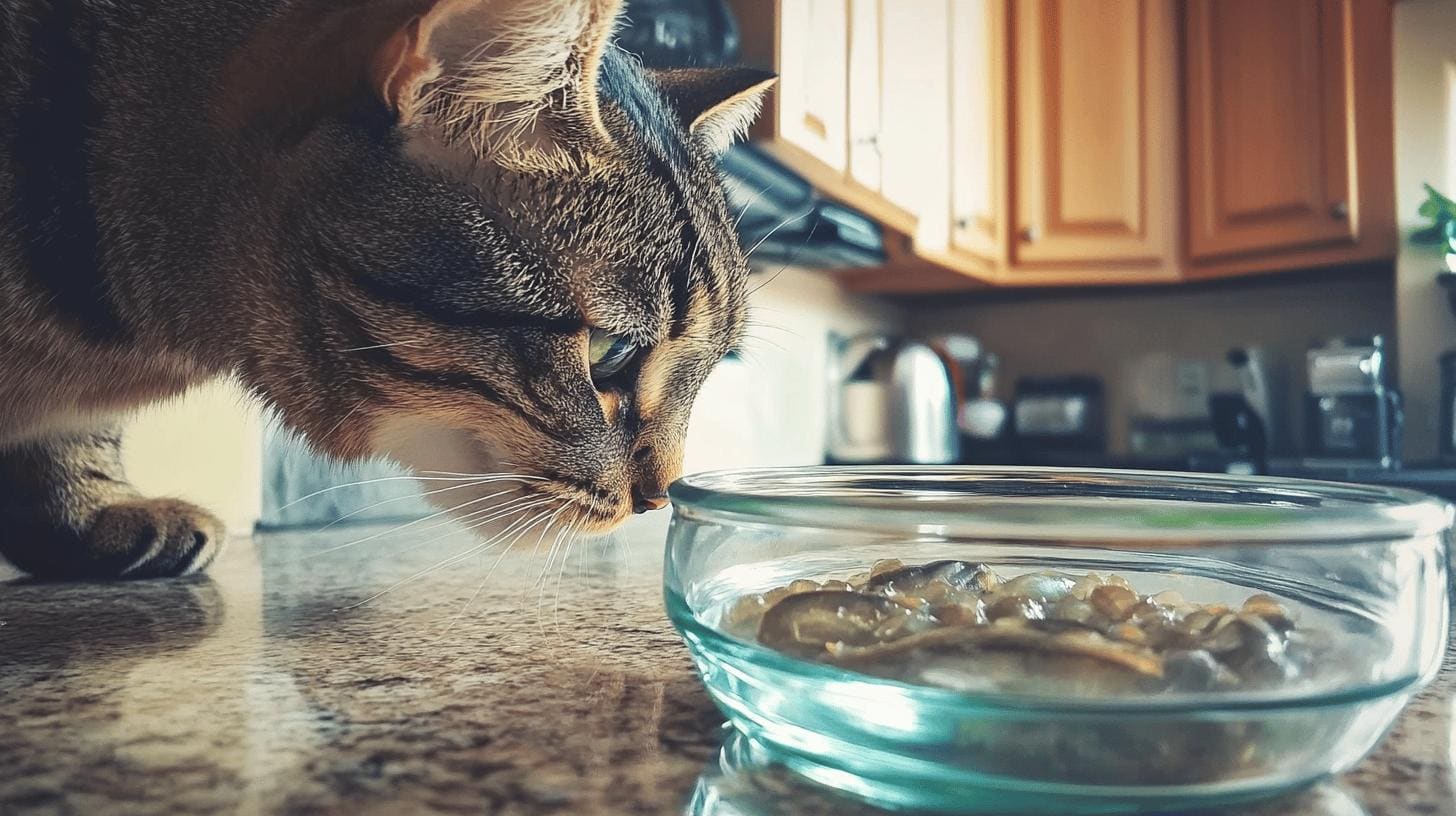
Fish food is designed specifically for the dietary needs of fish, not cats. It lacks essential nutrients that cats require, making it unsuitable as a regular food source or supplement for our feline friends. Cats are obligate carnivores, needing a diet rich in specific proteins and nutrients that fish food simply cannot provide. The primary components of fish food often include fish meal and seafood meal, which might tempt curious cats but fall short in offering balanced nutrition.
Potential Ingredients in Fish Food:
- Fish meal
- Seafood meal
- Algae
- Wheat flour
- Vitamins for fish, not cats
While cats may occasionally nibble on fish food without immediate harm, it should not become a habit. The ingredients, although generally safe in small quantities, do not provide significant health benefits to cats. This lack of nutritional value is why veterinarians advise against using fish food as a regular part of a cat’s diet. Cats require specific nutrients like taurine and Vitamin B1, which are not adequately present in fish food, potentially leading to deficiencies if relied upon as a primary food source.
Veterinarian experts emphasize the importance of meeting a cat’s dietary needs with high-quality cat food designed to provide the complete nutrition they require. While the odd nibble of fish food is unlikely to cause harm, it’s best to keep it as an infrequent occurrence. Prioritizing a balanced diet that fulfills all of a cat’s nutritional requirements is crucial for their health and well-being.
Are Fish Foods Safe for Cats to Eat?
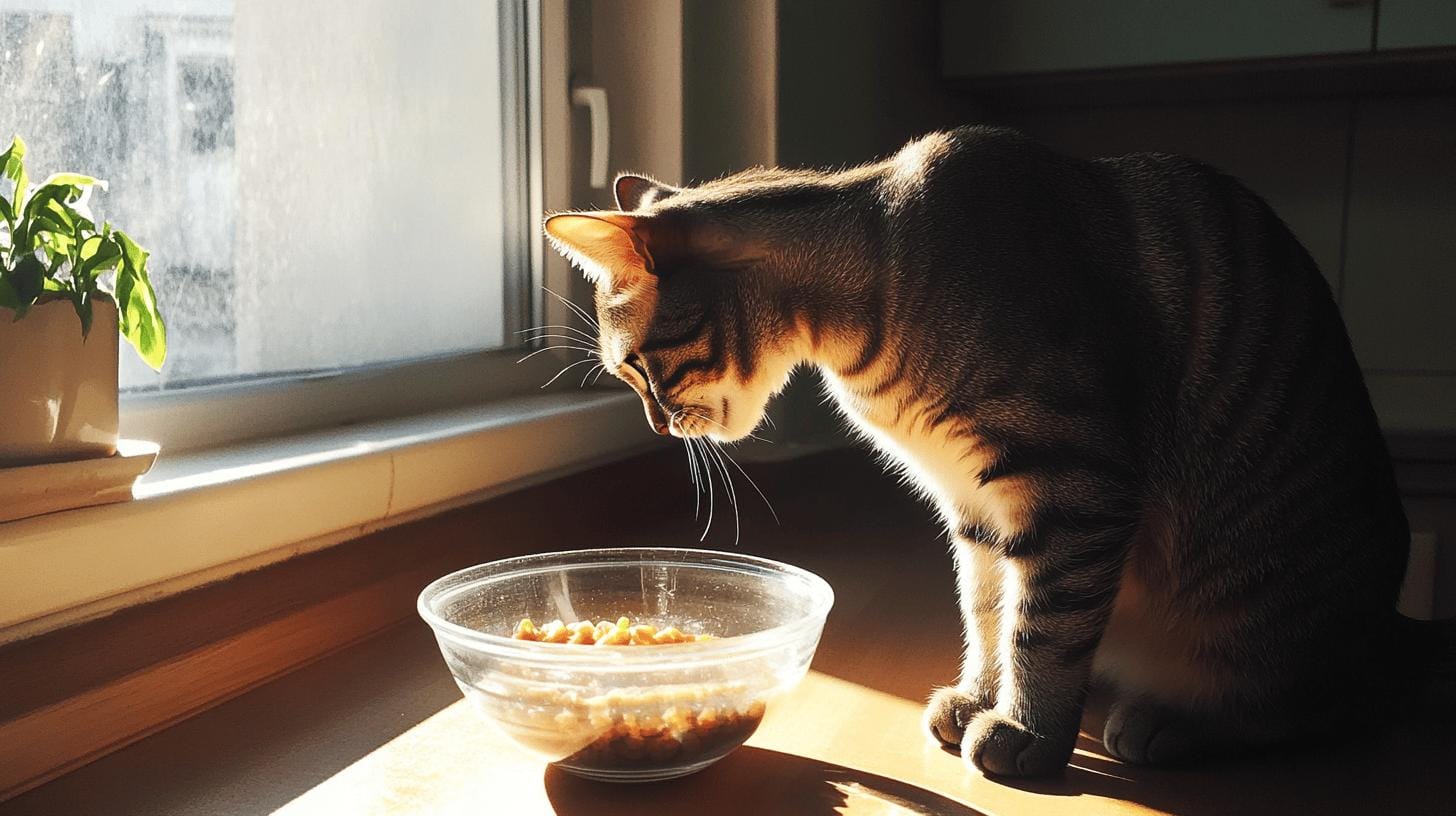
Cats are obligate carnivores, needing a diet rich in animal proteins. Their bodies extract nutrients from meat, requiring specific proteins, amino acids, and vitamins. Fish foods, while tasty, don’t meet these needs. They often lack essential nutrients like Vitamin B1 and taurine, crucial for a cat’s health. This can lead to serious issues, such as neurological and kidney problems.
| Nutrient | Cat Food | Fish Food |
|---|---|---|
| Protein | High, animal-based | Varies, not complete |
| Vitamin B1 (Thiamine) | Present | Often lacking |
| Taurine | Essential, included | Absent |
| Omega-3 Fatty Acids | Included, balanced | Limited |
| Minerals | Balanced for cats | Formatted for fish |
Feeding fish food to cats can lead to nutrient deficiencies. The absence of taurine and Vitamin B1 is concerning, causing severe health issues. Cats require a diet specifically formulated for them, which fish foods can’t provide. Nutritional gaps in fish foods may result in inadequate protein intake and potential health risks over time.
Potential Health Risks of Cats Consuming Fish Food
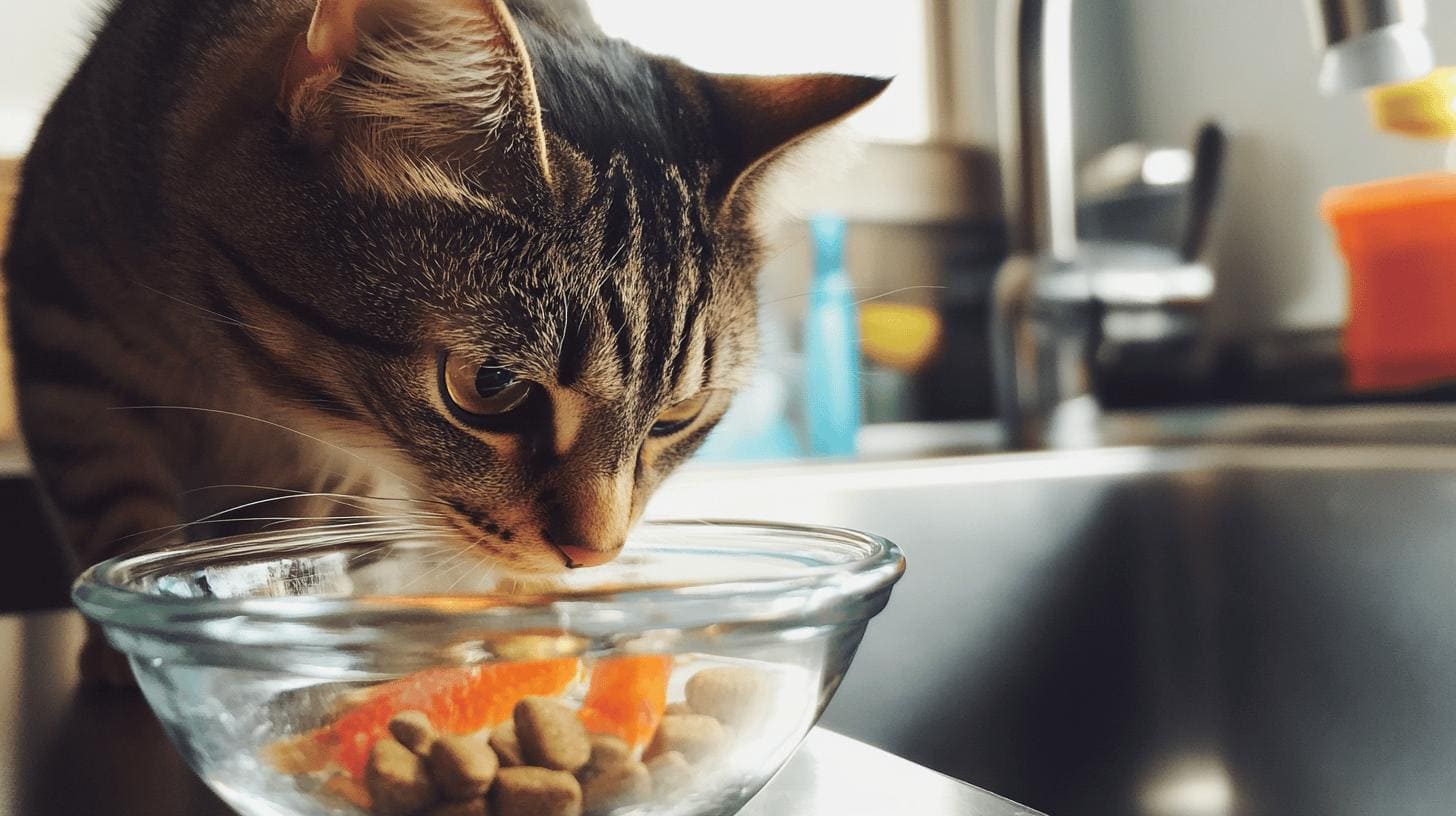
Feeding your cat fish food can pose several health risks. Overconsumption of fish, and by extension fish food, can lead to urinary tract problems in cats. This is mainly due to high levels of magnesium and iodine, which can contribute to the development of urinary crystals and stones. Fish is also one of the top allergens for cats, alongside beef and dairy. Allergic reactions can manifest in various ways, from skin irritations to digestive issues.
Fish food lacks essential nutrients for cats, such as taurine and Vitamin B1. Additionally, excessive iodine from fish can disrupt thyroid function, potentially leading to hyperthyroidism. Predatory fish often used in fish food can also contain high levels of mercury and other harmful substances, posing further health risks.
Monitoring your cat’s interest in fish food is important. While an occasional nibble might not cause immediate harm, continuous consumption can lead to significant health problems. It’s crucial to ensure that your cat’s diet is balanced and nutritionally complete, meeting all their dietary needs to prevent these risks.