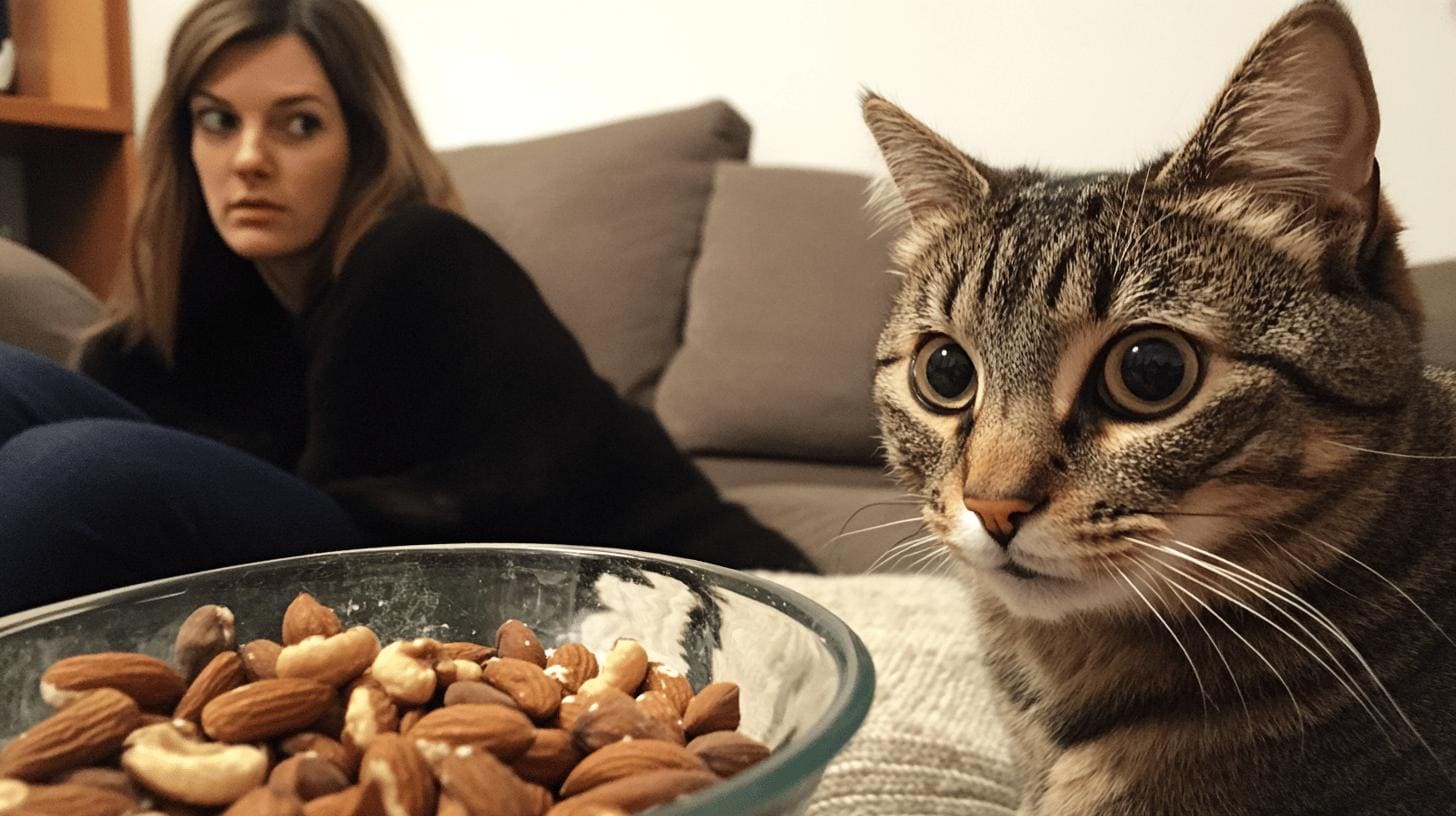
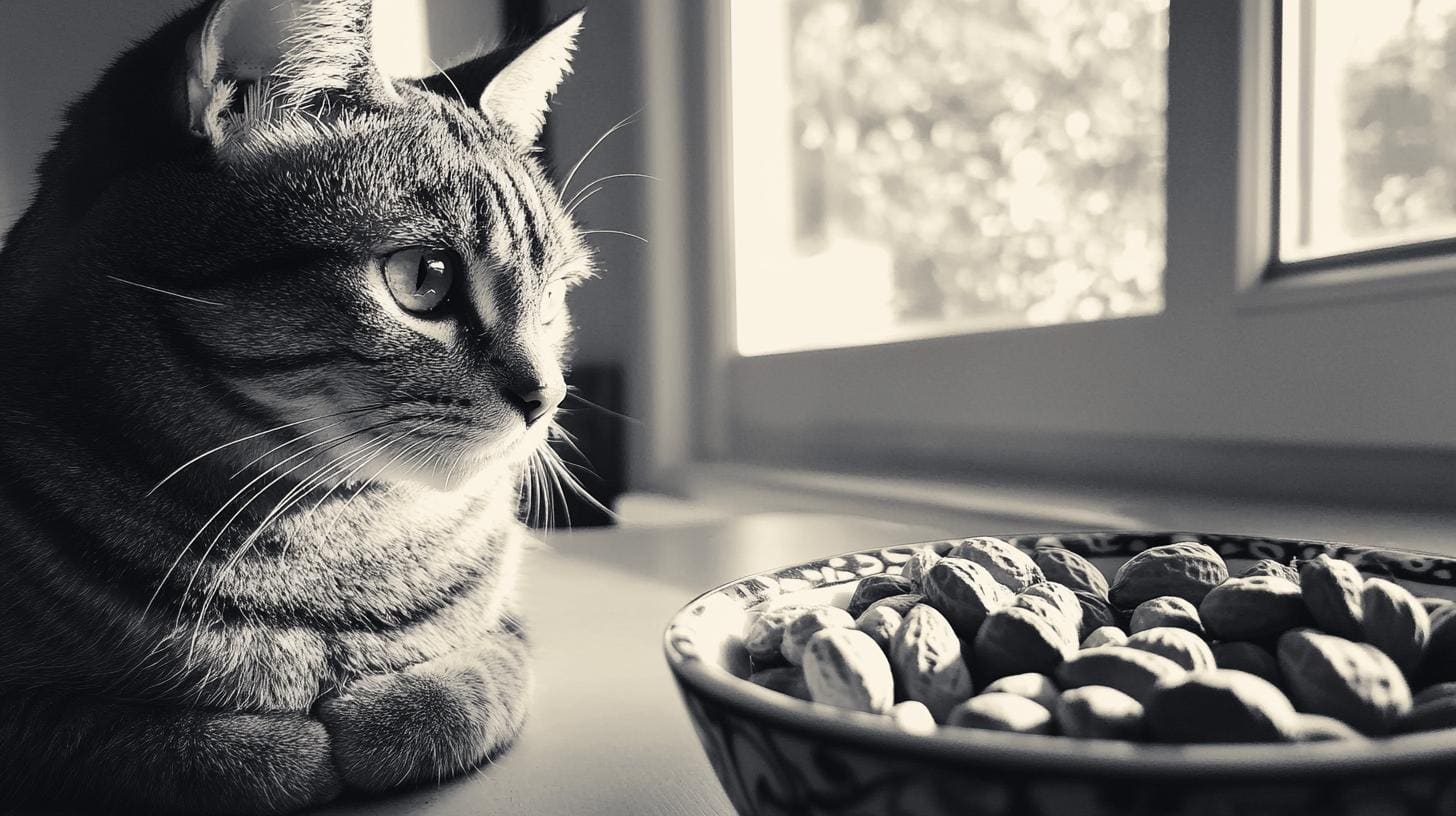
Are you tempted to share a crunchy nut with your feline friend? It might seem harmless, but understanding what’s safe for cats to eat is crucial. While nuts aren't a typical part of a cat's diet, many cat owners wonder if they're a safe snack or a hidden danger. In this article, I'll explore the risks and safety of feeding nuts to cats. From potential choking hazards to toxic reactions, I'll break down the facts to help you make informed decisions for your cat's well-being.
Can Cats Eat Nuts? Understanding the Risks and Safety
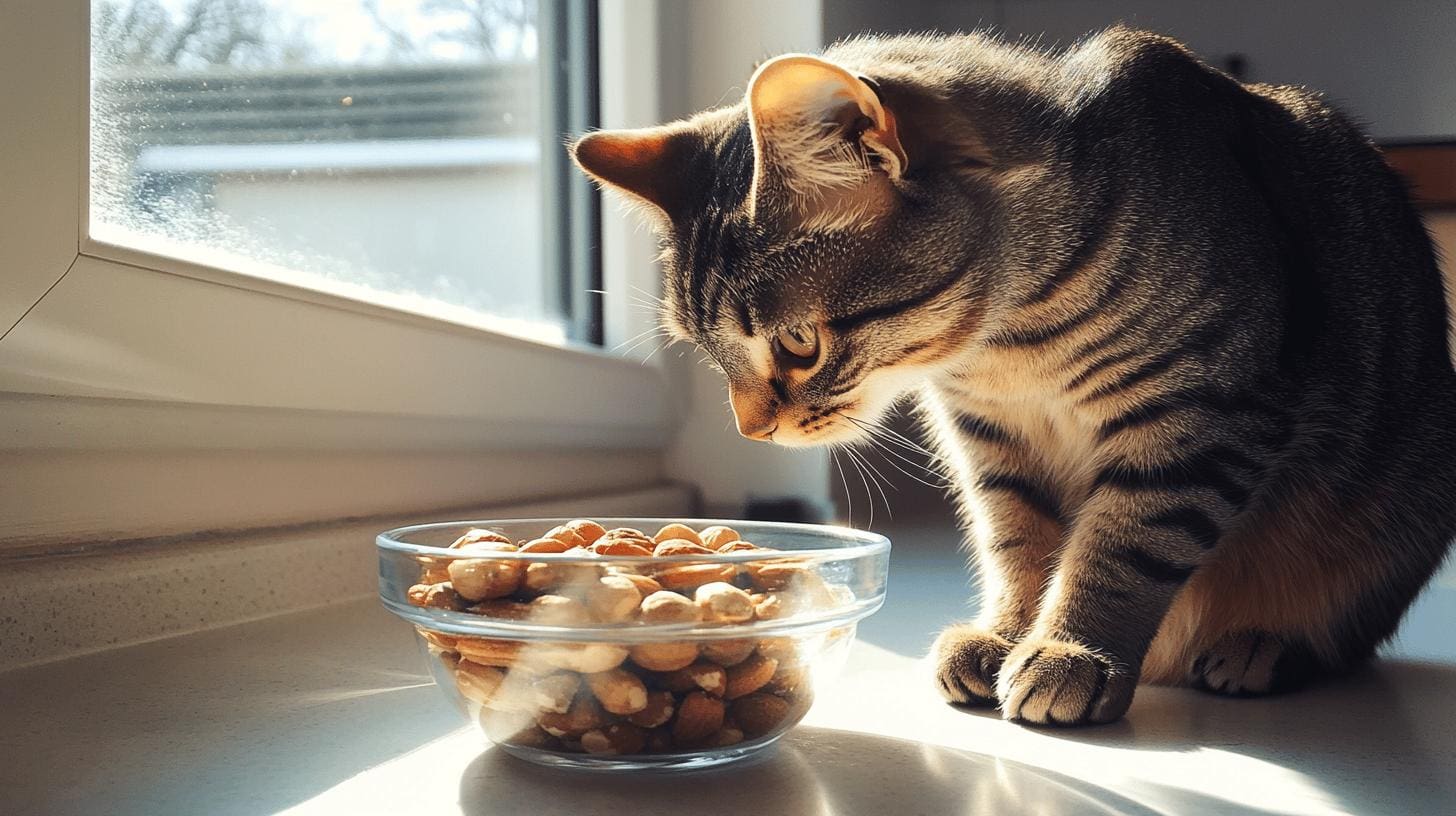
Cats are obligate carnivores, meaning their natural diet consists mainly of meat. In the wild, they don’t consume nuts as they rely on animal proteins, bones, and organs for essential nutrients. Nuts, while not a natural part of a cat's diet, can be tempting due to their crunchy texture. Yet, they pose several risks. Cats and nuts safety concerns revolve around potential choking hazards and digestive issues. Cats have a hard time processing the high-fat content found in nuts, which can lead to gastrointestinal blockages.
While most nuts aren't outright poisonous to cats, macadamia nuts are an exception. These can lead to toxic reactions, with symptoms like lethargy, vomiting, and loss of appetite. The high-calorie content in nuts can also contribute to obesity, a growing issue in feline health, which may further lead to diabetes and pancreatitis. Given these risks, it's best to avoid offering nuts to cats. Opting for cat-specific treats that cater to their dietary needs is a safer choice for maintaining their health.
Types of Nuts: Which Are Safe or Harmful for Cats?
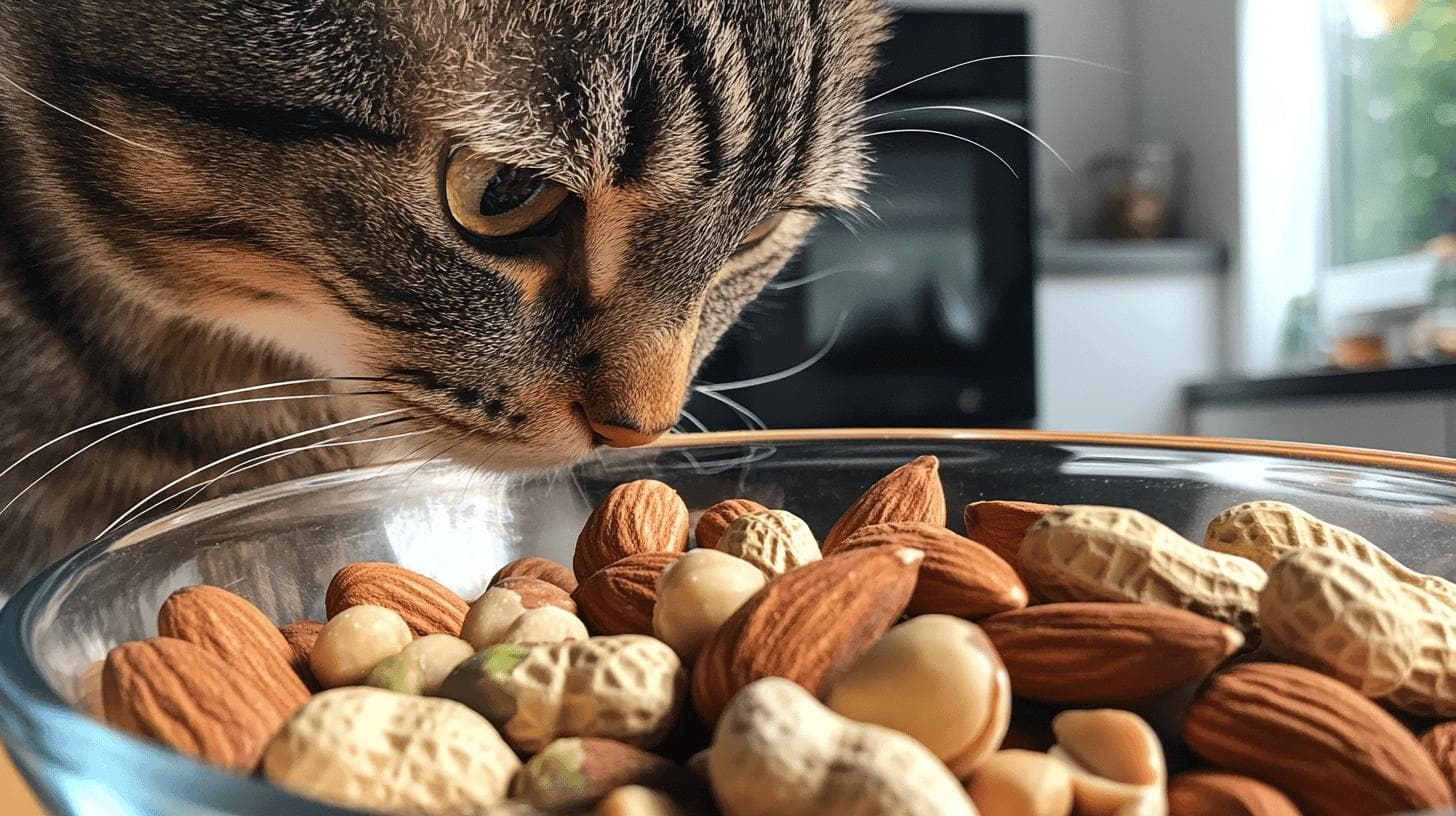
Not all nuts are created equal when it comes to feline safety. While some nuts are non-toxic, their nutritional value and potential risks vary. Understanding which nuts can be safely consumed by cats, even in small amounts, is crucial for their health.
Almonds
According to the ASPCA, almonds are safe for cats. Despite common myths suggesting otherwise, almonds do not pose a toxic threat. However, they offer little nutritional benefit to felines. Cats might be intrigued by their crunchy texture, but it's wise to limit their consumption to prevent any digestive discomfort.
Cashews
Cashews can be safe for cats in moderation. They're not toxic, but their high fat content can lead to digestive issues such as stomach upset and diarrhea. Offering cashews sparingly can avoid these problems, but they should not become a regular treat due to potential weight gain and pancreatitis risks.
Walnuts
Walnuts are not toxic to cats, but they don't provide much nutritional value. Their hard texture can pose a choking hazard, and the fat content can upset a cat's stomach. While not harmful in small quantities, there are better snack options for cats that align more closely with their dietary needs.
Pistachios
Pistachios present several concerns for cats. They are high in fat and often come salted or flavored, which is not suitable for feline consumption. The additives can be harmful, and the fat content can contribute to obesity and other health issues. It's best to avoid giving pistachios to cats altogether.
Peanuts
Peanuts are non-toxic to cats, but their high fat content and potential additives make them less than ideal. Many peanuts are processed with salt and other flavorings, which aren't suitable for cats. While an occasional plain peanut might not harm a cat, it’s advisable to keep them out of a cat's regular diet.
By understanding the specific risks and safety of these nuts, cat owners can make more informed choices, ensuring their furry friends remain healthy and happy.
Potential Health Issues from Feeding Nuts to Cats
Nut allergies in cats, although not well-documented, could still occur. Symptoms might include skin issues like rashes or irritation, excessive grooming, and even hair loss. These rare reactions signal that nuts may not be suitable for your feline friend. Cats lack the enzymes to digest many plant-based foods, including nuts, complicating matters when allergies are involved.
Nut consumption can lead to significant weight-related health issues in cats. High-calorie nuts can worsen obesity, especially if combined with low-quality kibble. Over time, this might contribute to serious conditions like pancreatitis, where the pancreas becomes inflamed, or diabetes, increasingly common in overweight cats. Cats' natural diets should focus on protein and fat from animal sources, not calorie-rich snacks like nuts.
Common symptoms of nut-related health issues in cats include:
- Skin problems
- Excessive grooming
- Weight gain
- Digestive issues
Being aware of these potential health problems helps cat owners make informed decisions about appropriate treats, avoiding unnecessary risks associated with nut consumption.