Have you ever wondered if your cat can nibble on that powdery kitchen staple, flour? While it might seem harmless, the truth is, flour offers zero benefits for cats. Our feline friends are carnivores and thrive on a meat-oriented diet. Feeding them flour is like giving fish to a bird—it doesn't quite fit. In this article, I'll explain why flour isn't the best treat for your kitty and what to watch for if they do sneak a taste. Let’s dive into the safety and health concerns of flour for cats.
Can Cats Safely Consume Flour?
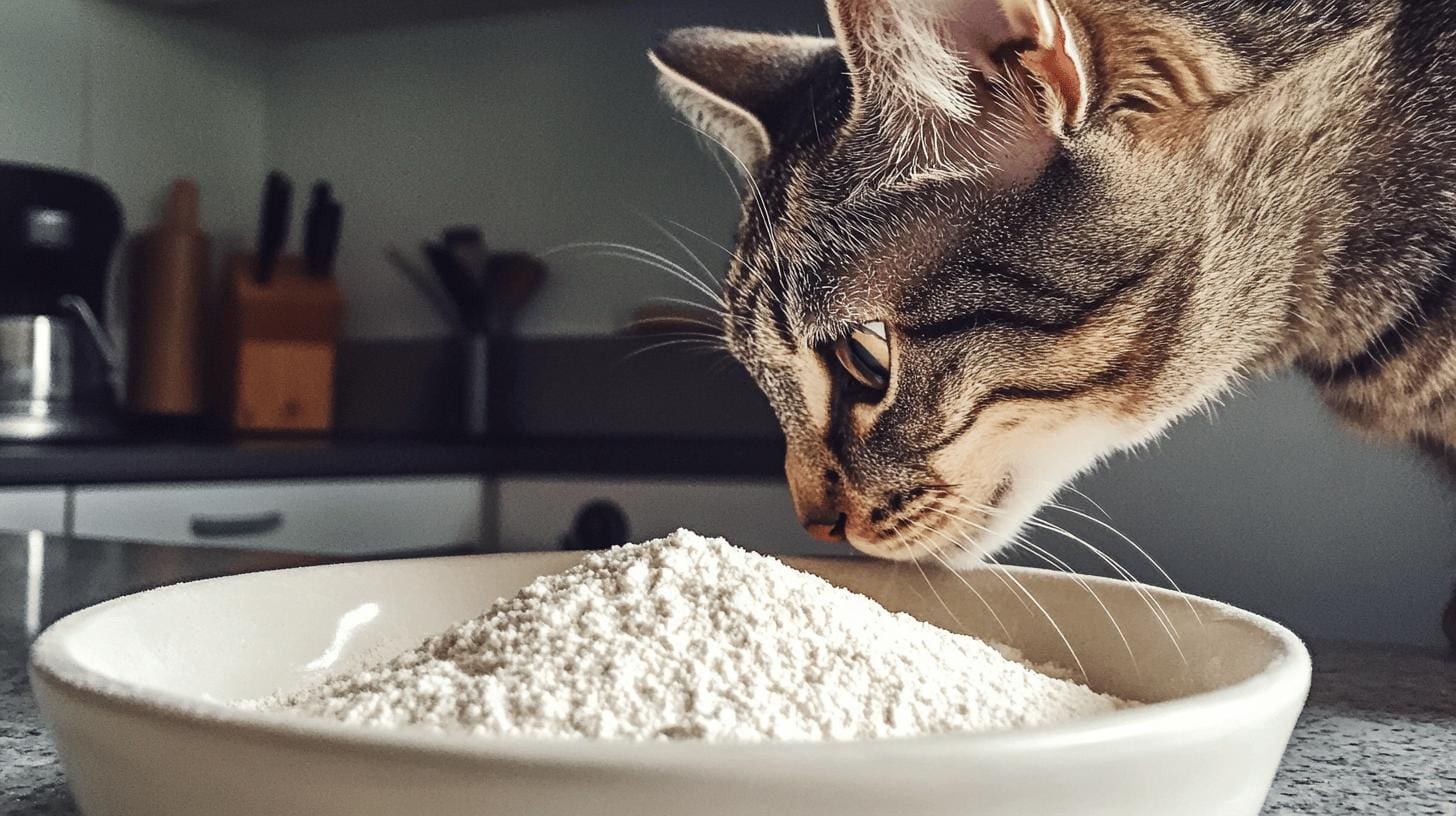
Cats can technically eat flour, but it's not something I'd recommend making a regular part of their diet. Flour doesn't offer any nutritional value for cats, who are obligate carnivores. This means they thrive on a meat-based diet. While small amounts of flour aren't likely to harm your feline friend, it's crucial to remember that flour should never replace their regular food.
Flour's lack of nutritional benefits makes it an unsuitable substitute for a balanced cat diet. Our furry pals need nutrients primarily found in meats, such as taurine, which is essential for their health. Even though consuming small amounts of flour isn't harmful, it's not beneficial to their diet, either. If your cat gets into a little flour, there's typically no need to panic, but moderation is key.
While it's rare, some cats can have grain allergies. If your cat shows signs of an allergy, it might be reacting to the flour. These allergies can manifest in various ways. Symptoms to watch for include skin irritation, digestive issues, and even respiratory problems. If you notice anything unusual after your cat eats flour, it’s best to consult a veterinarian for advice.
Here are some symptoms to monitor if your cat consumes flour or if you suspect a flour allergy:
- Gastrointestinal upset
- Vomiting
- Diarrhea
- Skin irritation
- Digestive issues
- Respiratory problems
If you notice these signs, reaching out to a vet can help determine the best course of action.
The Impact of Different Types of Flour on Cats
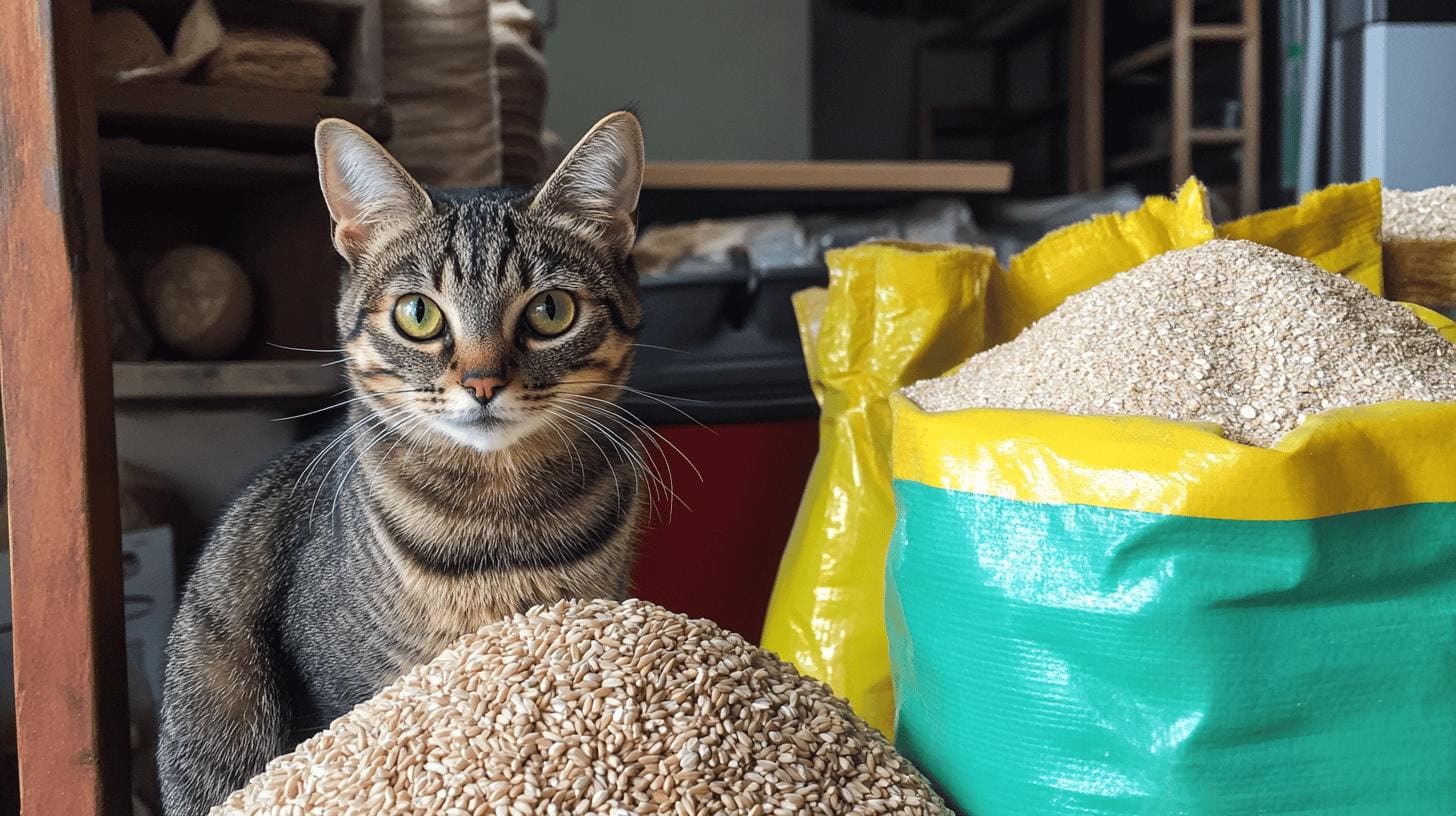
Cats may encounter various types of flour like wheat, oat, and rice in their diet, especially in homemade cat treats. These flours are sometimes used as fillers or binding agents. Wheat flour can be risky due to its gluten content, potentially causing allergic reactions in sensitive cats. Signs of gluten allergies include skin irritation and digestive issues. In contrast, oat and rice flours are gluten-free, posing a lower allergy risk.
Gluten-Free Flours
Oat and rice flours are safer choices if you plan to make homemade cat treats because they carry a reduced risk of triggering allergies. Despite this advantage, they still don't provide the essential nutrients cats need. When using these flours, keep their quantity minimal, ensuring the bulk of your cat's diet consists of high-quality, nutritionally complete cat food.