Article

Can Cats Eat Fries Understanding the Risks and Health Effects

Can cats eat fries? Discover the surprising truth and hidden dangers of these crispy snacks. What happens if your cat indulges?

Can Cats Eat Fries Understanding the Risks and Health Effects

Published January 1, 2025

Imagine you've just dropped a fry, and before you can grab it, your curious cat swoops in. Can cats eat fries, or does this snack pose hidden dangers? While fries might be a tasty treat for us, they're not as straightforward for our feline friends. In this blog, I’ll delve into the truth behind this popular junk food's risks and health effects on cats. Let’s uncover the facts behind this crunchy temptation, and ensure our companions stay safe and healthy by avoiding such sneaky snacks in their diet.

Can Cats Eat Fries? Understanding the Risks and Health Effects
Can Cats Eat Fries Understanding the Risks and Health Effects-1.jpg

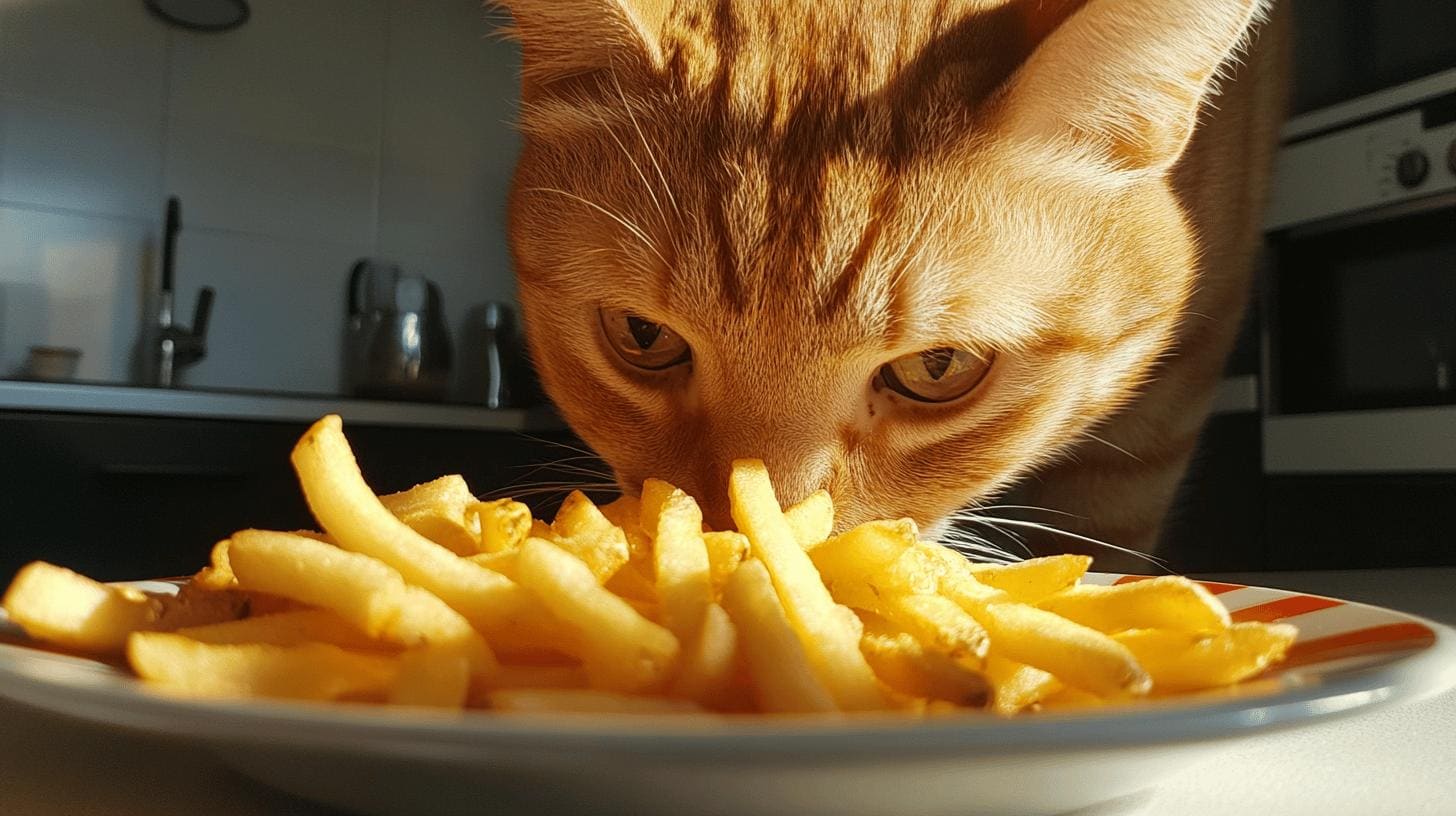
Fries aren't safe for cats. They contain high amounts of salt, fat, and carbohydrates, which can cause various health issues. Cats eating fries might experience gastrointestinal upset, obesity, and even salt poisoning. The high-fat content in fries can also lead to pancreatitis. Uncooked potatoes have solanine, a toxin for cats, and cooking doesn't make fries safe.

Symptoms of Salt Poisoning in Cats

  • Vomiting
  • Diarrhea
  • Lethargy
  • Excessive thirst or urination
  • Seizures

Long-term Effects of Consuming Fries

  • Pancreatitis
  • Obesity
  • Heart disease
  • Dehydration

Eating fries can be dangerous for cats. The combination of salt and fat can lead to serious health problems, such as pancreatitis, which can cause symptoms like a reduced appetite, belly pain, and vomiting. Obesity is another concern, as the high-calorie content in fries can pack on pounds quickly. Over time, this added weight can strain your cat's heart and lead to chronic issues. Fries might seem harmless, but they pose significant risks, making it crucial to keep them away from your cat's diet.

Alternatives to Fries for Cats: Safe Treats and Snacks
Alternatives to Fries for Cats Safe Treats and Snacks-1.jpg

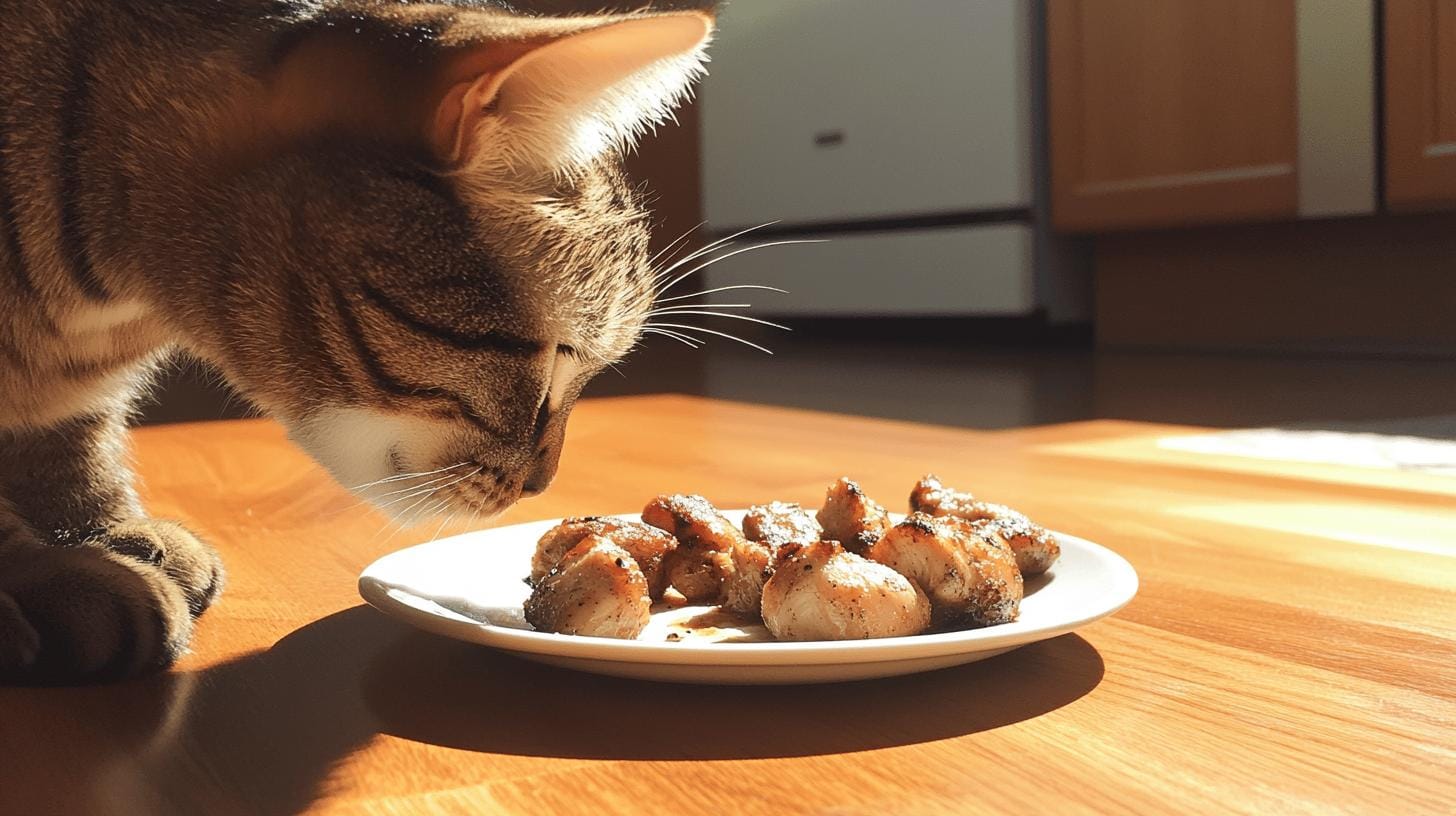
Feeding our feline friends healthy treats is essential for their well-being. Unlike humans, cats have specific dietary needs that revolve around animal protein. Junk foods like French fries, with their high fat and salt content, should be avoided to keep our cats healthy. Instead, let's explore some safe and nutritious alternatives that can be a delightful treat for our cats.

Safe Human Foods for Cats

  • Cooked Chicken: A great source of protein, skinless and boneless chicken is a hit with many cats.
  • Cooked Turkey: Like chicken, turkey is a lean protein that's safe for cats when prepared plain.
  • White Fish: Grilled or baked without seasoning, white fish can be a tasty treat.
  • Eggs: Cooked eggs provide protein and vitamins; ensure they're fully cooked.
  • Pumpkin: Plain canned pumpkin is good for digestion and can be offered in small amounts.
  • Carrots: Cooked carrots are safe and can add a bit of crunch to your cat’s treat menu.

Homemade Cat Treats

Crafting homemade treats is a rewarding way to indulge your cat while ensuring they get the nutrition they need. One simple recipe involves mixing canned tuna with an egg, forming small balls, and baking until firm. You can also try blending cooked chicken with a bit of catnip for a savory and aromatic treat. Always ensure treats are cooled before offering them to your cat.

Human Food Suitability for Cats
Cooked Chicken Safe
White Fish Safe
French Fries Unsafe
Chocolate Unsafe
Pumpkin Safe

Taking the time to understand our cat's nutritional needs ensures they receive treats that contribute positively to their health. By avoiding harmful snacks like fries and opting for safe, protein-rich alternatives, we can help keep our cats happy and healthy.

What to Do If Your Cat Eats Fries
What to Do If Your Cat Eats Fries-1.jpg

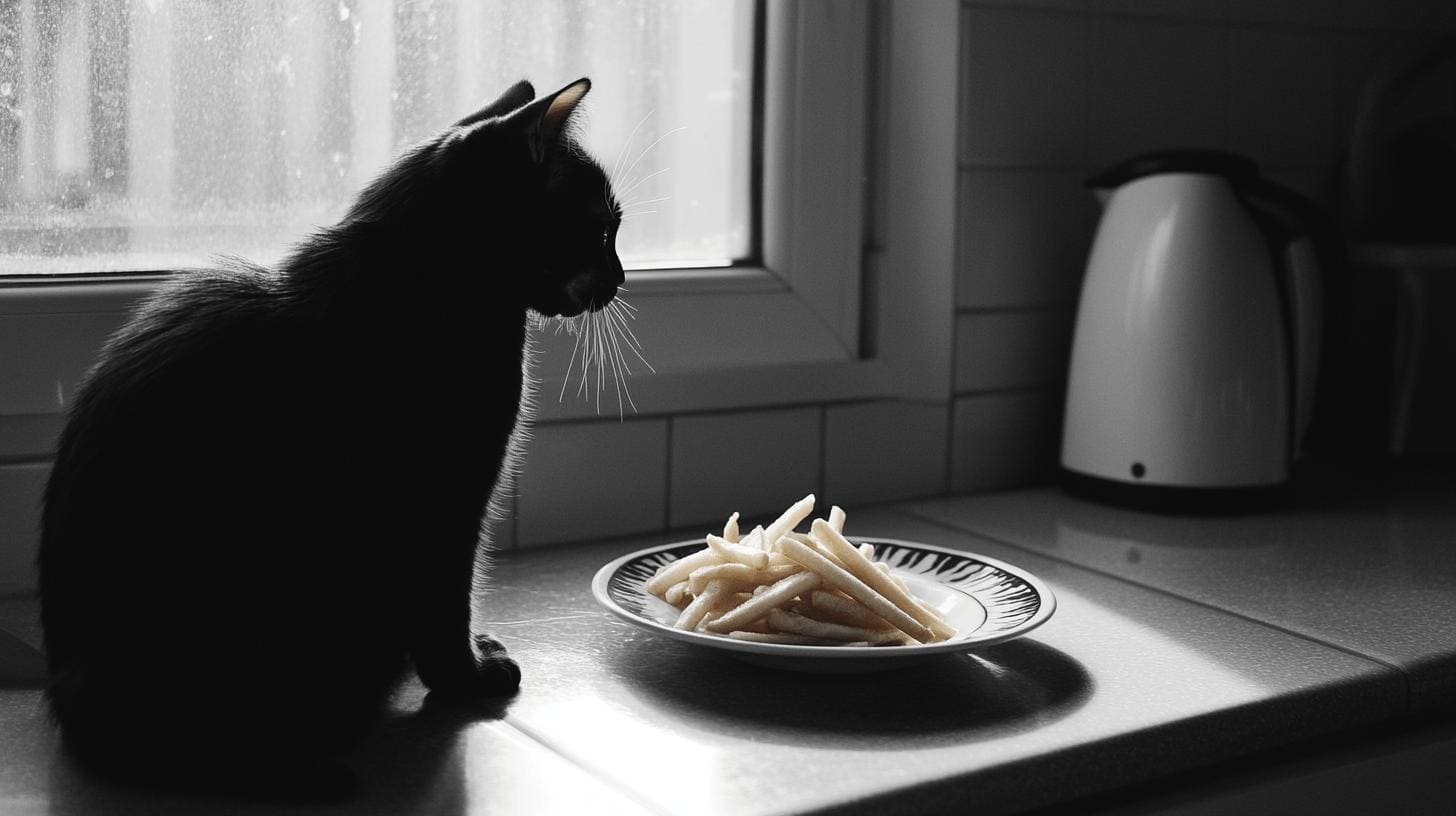
If your cat ate a french fry, it's key to monitor them for any signs of distress. Fries are not safe for cats, and even a single fry can cause issues. Watch your cat's behavior closely for any unusual symptoms.

Symptoms to Watch For

  • Vomiting
  • Lethargy
  • Diarrhea

If you notice any of these symptoms or your cat seems unwell, consult a veterinarian immediately for guidance. Even if the cat appears fine, getting professional advice can help prevent potential health problems.

Final Words

Understanding the risks of feeding fries to cats is crucial in maintaining their health. Fries are not safe for cats due to their high salt and fat content, which can lead to health issues like salt poisoning and pancreatitis. While alternatives like grilled chicken make for safer snacks, it’s important to monitor what your cat eats. If your cat accidentally eats fries, watch for symptoms and consult a vet. Keeping treats safe and healthy not only ensures a happy cat but also brings peace of mind to their owner.

Free Checklist

Free checklist: 30 ways to enrich your indoor cat's life.

Practical, printable, no fluff. Get the complete Indoor Cat Enrichment Checklist delivered to your inbox.

Long-Term Health Effects of Regular High-Fat Treats

While a single fry rarely causes acute illness, the cumulative effect of regular high-fat treats adds up significantly over time. Most obesity in cats develops gradually from treats added to regular diet. Each high-calorie treat creates small caloric surplus; repeated over months and years, these compound significantly. An obese cat will cost more in veterinary bills and medications than treats are worth.

Overweight cats have dramatically higher risk of developing diabetes, heart disease, joint problems, and reduced lifespan. Long-term exposure to high-salt, high-fat foods stresses feline metabolism and increases risk of pancreatitis, inflammatory bowel disease, and liver disease.

Fries vs. Other Salty Foods: Comparative Risk Profile

Fries aren’t the only salty, fatty food cats encounter. Potato chips are even higher fat than fries. Fried chicken contains comparable salt and much higher fat. Pizza, processed meats like bacon, and popcorn all pose similar risks. The common thread: all processed, salty, fried foods should be kept away from cats. Plain cooked chicken is exponentially safer than any fried food.

FAQ

Can cats eat fries with salt?

Cats should not eat fries with salt. High salt content can cause salt poisoning, leading to vomiting, lethargy, and more serious health issues in cats.

Can cats eat fries without salt?

Cats should avoid fries, even without salt. The fat and carbohydrate content is harmful, risking obesity and gastrointestinal upset.

Can French fries kill cats?

Yes, excessive consumption of fries can kill cats due to potential salt poisoning and health complications like pancreatitis.

Can cats eat fried chicken?

Cats can occasionally eat small amounts of plain, fried chicken without seasoning. Avoid giving them fried chicken with added spices or batter.

Can cats eat chicken nuggets?

Chicken nuggets are not safe for cats. They're high in fat, salt, and additives that can harm a cat's health.

Can cats eat French fries from McDonald's?

Cats should not eat McDonald's fries due to high salt and fat. These additives can lead to serious health issues over time.

Can cats eat bread?

Cats can eat a small amount of plain bread. However, bread is not nutritious for them and should not be a regular part of their diet.

What human food can cats eat?

Cats can eat small amounts of cooked chicken, turkey, or fish. These proteins align well with their dietary needs.

Are fried potatoes toxic to cats?

Yes, fried potatoes are toxic to cats. Uncooked potatoes contain solanine, and frying adds fat and salts that are harmful.

What to do if your cat eats fries?

If your cat eats fries, monitor them for symptoms like vomiting or discomfort. Consult a veterinarian if symptoms persist.

Related Articles

Free Enrichment PDF

Want the full enrichment checklist?

30 things you can do this week to make your indoor cat's life better. Free PDF, straight to your inbox.

Understanding Your Cat’s Nutritional Needs vs. Human Treats

One of the biggest mistakes cat owners make is sharing human foods with their cats, thinking a small amount won’t hurt. The reality is that cats have fundamentally different nutritional needs than humans, and foods we consider safe or healthy can pose serious risks to our feline companions.

Cats are obligate carnivores with specialized digestive systems adapted for high-protein, high-fat (from meat) diets. Their taste receptors don’t appreciate sweetness—cats literally cannot taste sugar like we do, so sweet foods provide zero satisfaction while introducing unnecessary risks. Their kidneys are efficient but sensitive to excess salt. Their livers are designed to process meat, not processed human foods.

When you offer fries or similar salty, fatty human foods, you’re essentially asking your cat’s specialized digestive system to process foods it was never designed to handle. The result: unnecessary stress on organs, risk of obesity and disease, and genuine health compromise.

Building Healthy Treat Habits With Your Cat

If you want to give your cat treats and rewards, establish habits that support their health rather than compromise it. Use treats that align with feline nutrition: freeze-dried meat, small pieces of cooked lean meat, or vet-approved supplements if needed.

Train your cat using behavioral rewards instead of food: interactive play sessions, affection, and access to favorite toys. These provide genuine reinforcement while building your bond. If you do use food treats, keep them to less than 10% of daily calories and choose species-appropriate options.

Rotate treat types to prevent boredom and over-preference. Most importantly, never share human foods from your plate. A cat that sees you eating will beg, but giving in teaches destructive begging behavior and risks their health.

Long-Term Health Consequences of Casual Treat Sharing

The damage from occasional high-fat, high-salt treats compounds over years. What seems like harmless treat-sharing at age 2 becomes obesity, diabetes, and organ disease by age 8-10. The cost in veterinary bills, medication, and quality of life far exceeds any momentary enjoyment your cat gets from a fry.

Pet obesity is one of the fastest-growing health problems in cats, affecting up to 60% of cats in some regions. This obesity is directly linked to treat-sharing and casual feeding of human foods. Prevention through proper nutrition is infinitely easier and cheaper than treating obesity-related diseases.

Your job as a cat owner is to make decisions that support your cat’s long-term health, even when those decisions are unpopular or require saying “no” to your cat’s begging. A cat that lives 15-18 healthy years is worth far more than a cat that gets table scraps and lives only 8-10 years with constant health problems.

Author

  • Isabella Tiu

    Isabella Tiu is a transcriptionist from Calhoun, Florida, known for her sharp attention to detail and her commitment to providing accurate and efficient transcription services. With a passion for language and communication, she thrives on transforming spoken words into clear, readable content for her clients.

    When she's not working, Isabella enjoys hiking and camping, finding peace and inspiration in the beauty of the outdoors. She often says, “The best lessons are often learned in nature,” a philosophy she embraces both in her work and personal life.

    Isabella’s love for both her craft and the natural world reflects her belief in continuous learning and exploration.

    View all posts
Source: Can Cats Eat Fries Understanding the Risks and Health Effects