Can cats munch on Goldfish crackers without a problem? This question might cross your mind when you notice your feline friend eying that cheesy snack. While Goldfish crackers aren't exactly harmful in small doses, they're not a benefit-packed option for cats.
As obligate carnivores, cats need a meat-rich diet to stay healthy. While that crunch might sound tempting, these crackers don't meet their nutritional needs. In this article, I'll explore why Goldfish crackers should be a rare treat, rather than a staple in your kitty's bowl.
Can Cats Safely Eat Goldfish Crackers and Their Ingredients' Impact?
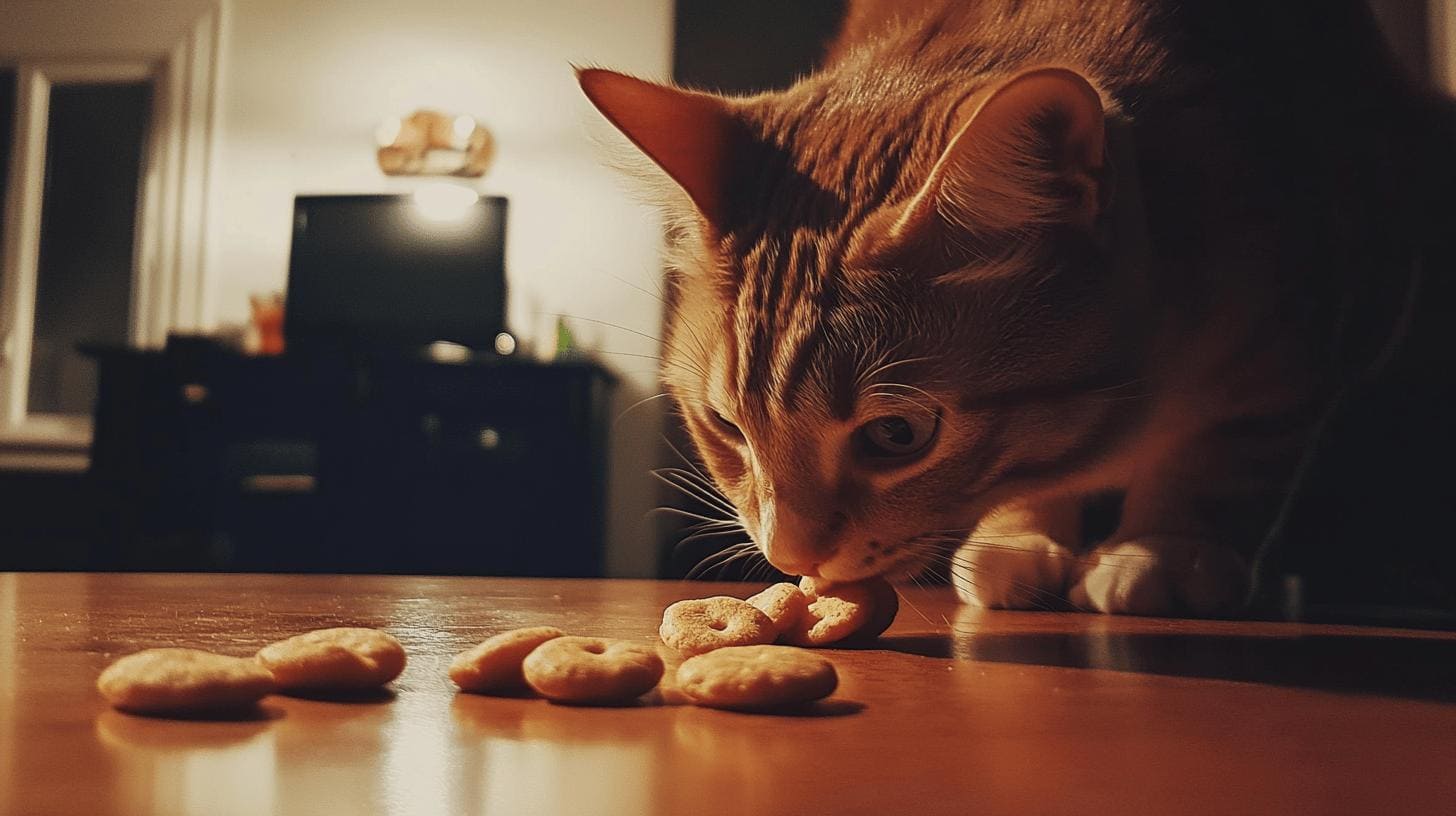
Goldfish crackers aren't toxic to cats when consumed in small amounts. However, their lack of nutritional benefits makes them unsuitable for regular feline diets. Cats may be attracted to the cheesy flavor and crunchy texture, but these snacks don't support their dietary needs. Feeding them as an occasional treat might not cause harm, but it's crucial to avoid making them a staple in your cat's diet.
Cats are obligate carnivores, which means they thrive on a meat-based diet. This dietary requirement ensures they get the necessary nutrients like taurine, arachidonic acid, and vitamin B12, which are absent in plant-based foods like Goldfish crackers.
The crackers are primarily made from carbohydrates and additives that don't align with the high-protein, low-carb needs of cats. Regularly feeding them such snacks could lead to deficiencies and health issues.
Problematic Ingredients in Goldfish Crackers
- Cheese: High in fats, which can lead to weight gain.
- Wheat: Common allergen for some cats, contributing to digestive upset.
- Salt: Excessive sodium can cause dehydration or more severe health issues.
- Onion Powder: Can damage red blood cells and lead to anemia.
- Garlic Powder: Similar to onion, it's toxic and can cause gastrointestinal distress.
Regular consumption of Goldfish crackers poses potential health risks for cats. Carbohydrates can contribute to obesity, while spices like onion powder are harmful and can cause symptoms such as vomiting, diarrhea, or lethargy.
Cats might develop gastrointestinal issues or show signs of distress if they regularly consume these processed snacks. It's important to monitor their reactions and seek veterinary advice if any adverse symptoms appear.
Moderation is key when it comes to feeding your cat any human snack, including Goldfish crackers. Always check the ingredient list for harmful components and consult a vet if you're unsure about introducing new foods to your cat's diet. Taking these precautions can help maintain your cat's health and well-being.
Alternatives to Goldfish Crackers for Cats
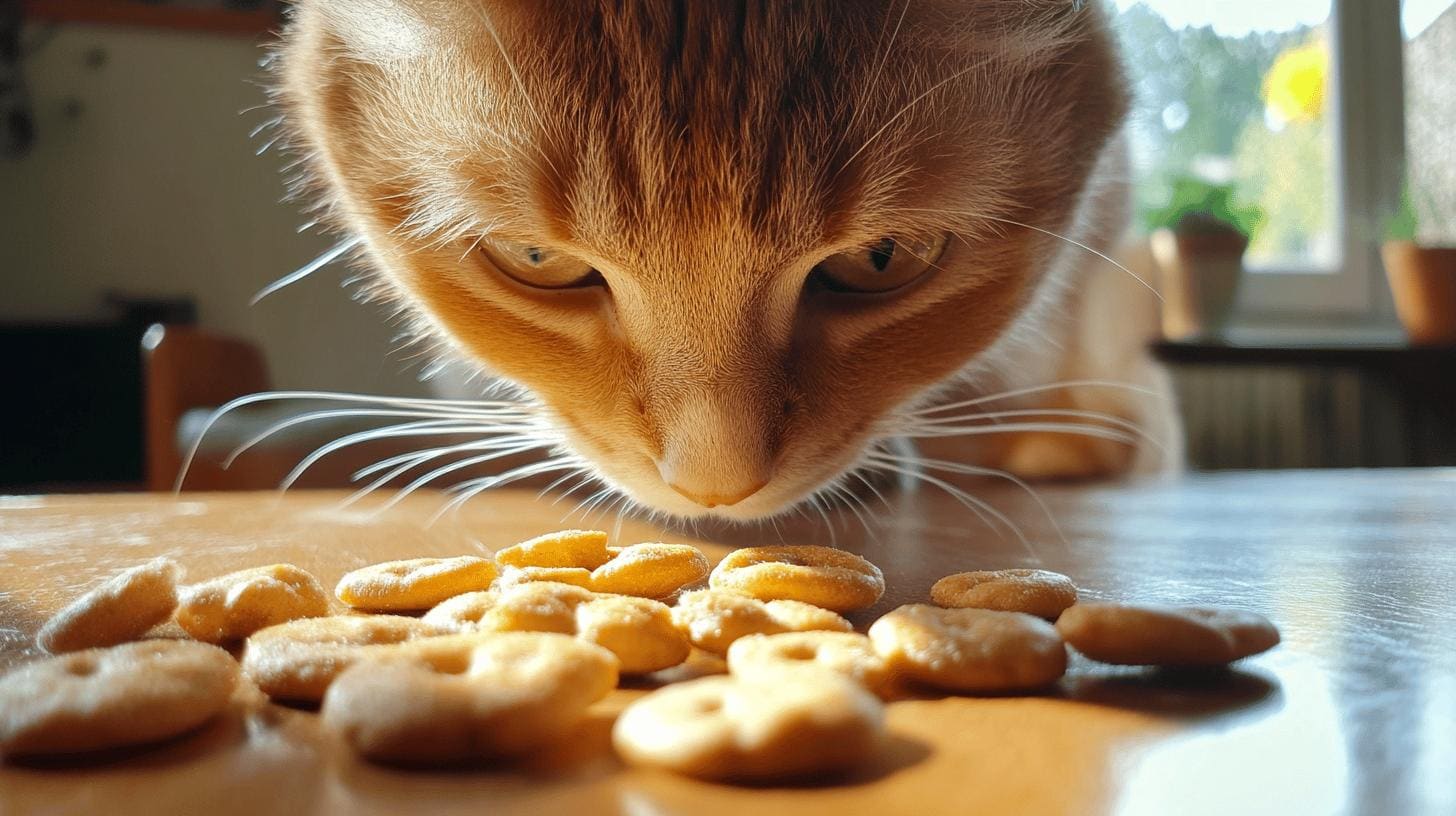
When it comes to treating our feline friends, it's crucial to choose snacks that complement their dietary needs. Cats, as obligate carnivores, require a diet rich in animal protein. Unlike Goldfish crackers, which are high in carbohydrates and low in essential nutrients, there are plenty of treats that provide nutritional benefits aligned with a cat’s natural diet. Offering suitable treats helps maintain their health, supports their dietary requirements, and can even enhance their overall well-being.
- Commercial Cat Treats: Specially formulated for cats, these treats provide the necessary nutrients.
- Cooked Chicken: A great source of protein that's both tasty and healthy for cats.
- Cooked Fish: Offers omega-3 fatty acids, which are beneficial for a cat's coat and skin.
- Freeze-Dried Meat Treats: Retain the natural flavors and nutrients of meat without additives.
- Catnip: While not a food treat, it provides stimulation and can be a great occasional reward.
- Canned Tuna (in water): A protein-rich treat, but should be given sparingly due to its high sodium content.
Homemade treats can be a wonderful way to ensure your cat gets the nutrients they need while enjoying a special snack. By using fresh ingredients like chicken or fish, you can create treats that are both delicious and healthy. Homemade options allow you to control what goes into your cat's treats, avoiding harmful additives and ensuring a balanced diet.