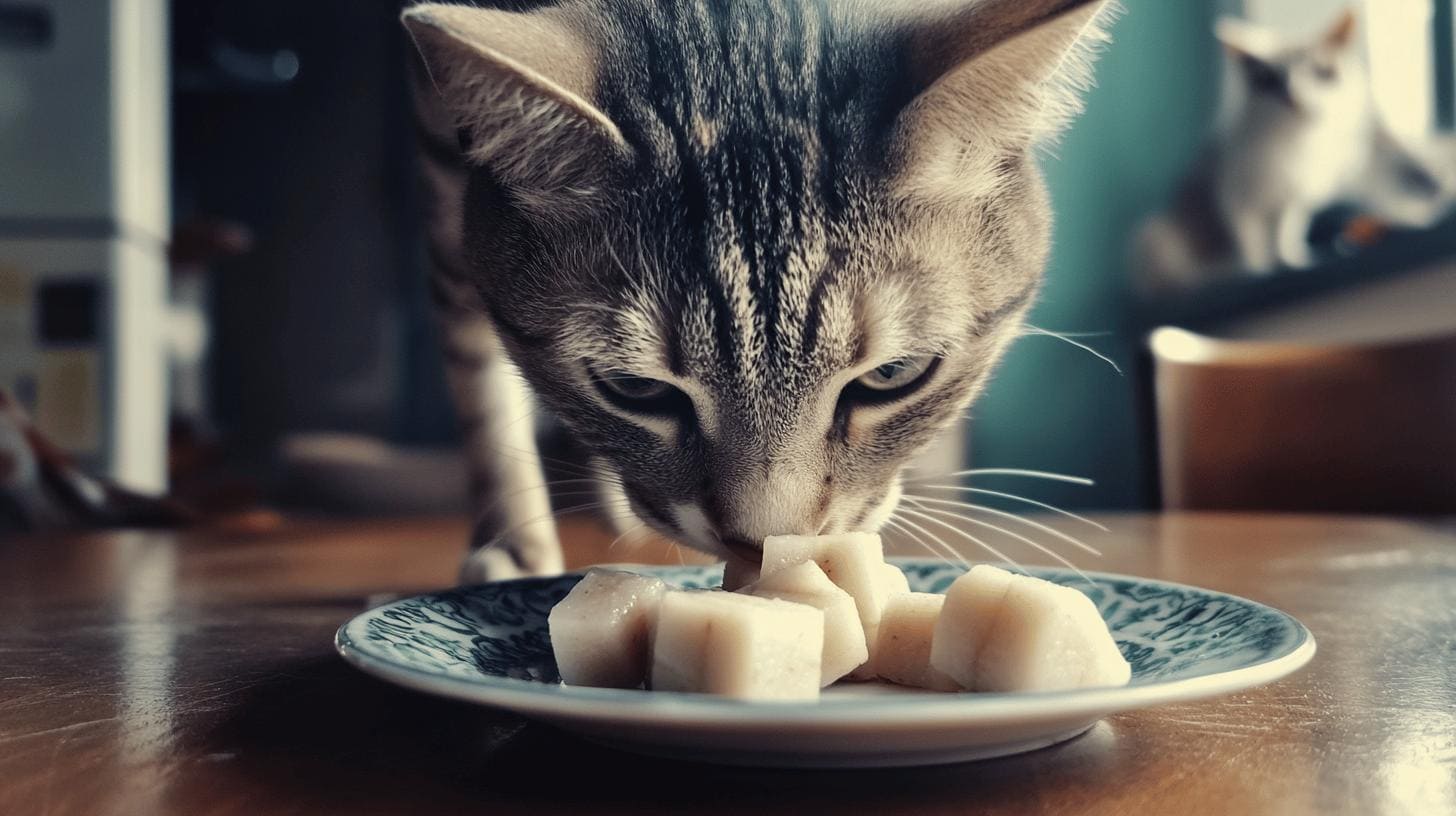
Is it safe for your cat to munch on taro root? You might be surprised to learn that while taro isn't immediately harmful, it’s definitely not ideal for our feline friends. Taro contains calcium oxalate crystals that can cause irritation and digestive upset if consumed in large amounts.
Cats are obligate carnivores, which means they need proteins from meat to stay healthy. Ingesting taro, which is high in carbs but low in protein, could lead to unwanted health issues. Let's explore the safety and nutrition considerations when it comes to cats and taro.
Can Cats Safely Eat Taro and Its Nutritional Impact?
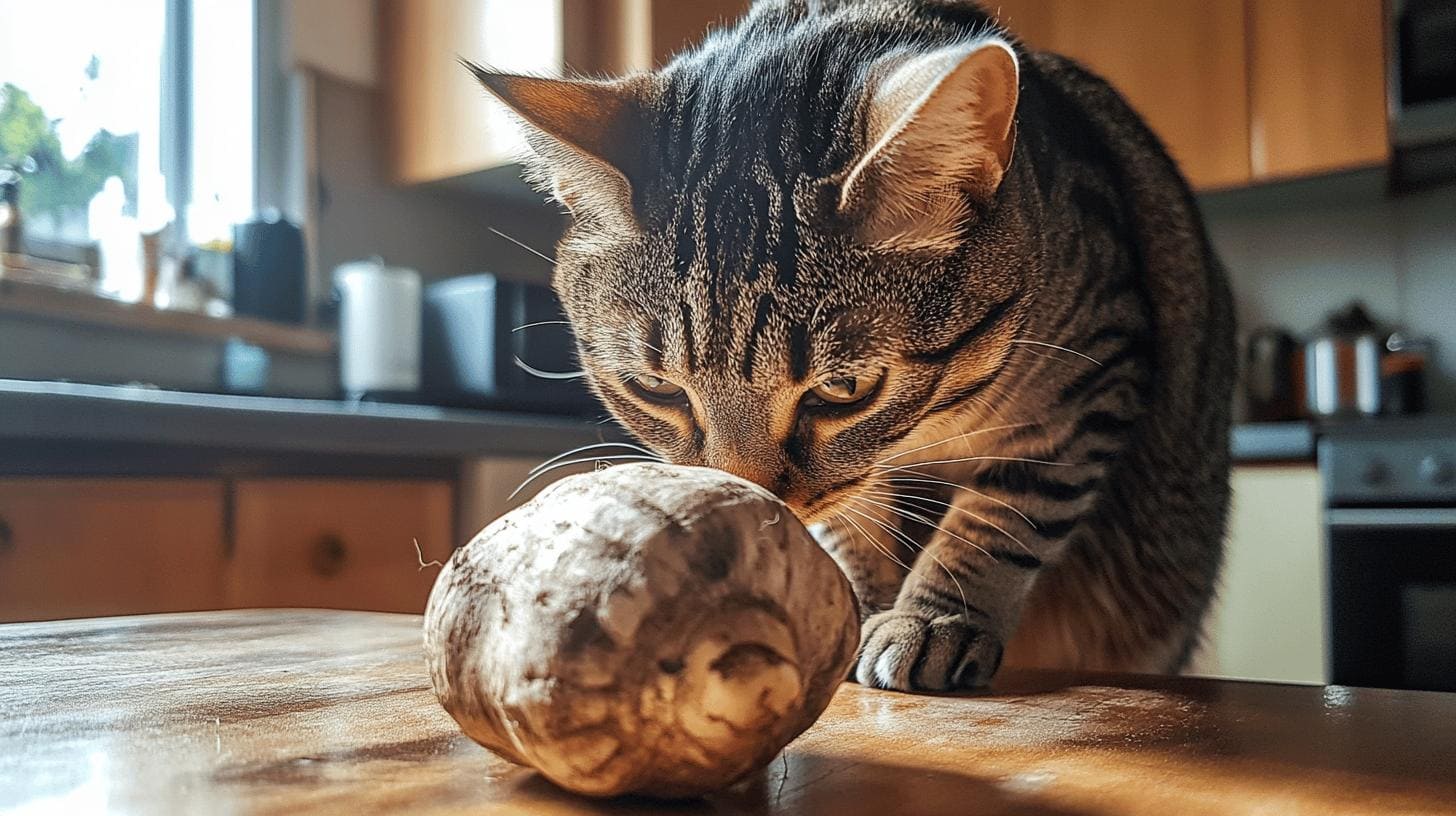
Taro, commonly referred to as dasheen, eddoe, or cocoyam, is not inherently toxic to cats. It's important to note that taro does contain compounds that can be irritating. Specifically, it has calcium oxalate crystals, which can cause discomfort if ingested in large quantities. While taro is not fatal for cats, it offers no nutritional benefits to them, as it does not align with their dietary requirements.
Potential Risks of Consuming Raw Taro:
- Irritation from Calcium Oxalate: These crystals can pierce the soft tissues in a cat's mouth and throat, leading to irritation and pain.
- Digestive Issues: Ingestion can result in symptoms like vomiting and diarrhea due to the irritating nature of the crystals.
- Metabolic Stress: Taro's high starch content can potentially increase blood sugar levels, causing metabolic issues in cats.
Taro's nutritional profile presents further concerns. It is a high-starch food, with up to 70% to 80% of its content being starch. Cats, being obligate carnivores, require diets rich in animal protein and low in carbohydrates.
High carbohydrate intake, such as that from taro, can lead to increased blood sugar and inflammation, imposing metabolic stress on feline bodies. This starch-heavy content does not provide the essential nutrients that cats need to thrive.
Professional Advice on Taro Consumption
Veterinarians recommend that if taro is to be offered to cats, it should be thoroughly cooked and given only in moderation. Cooking reduces the irritation risk by breaking down calcium oxalate crystals.
However, even in small amounts, taro should not replace nutritionally dense cat food that meets an obligate carnivore's needs. The lack of essential nutrients in taro means it should never be a primary food source. Always prioritize high-protein sources and consult with a vet before introducing any new food into your cat's diet.
Recognizing Symptoms of Taro Toxicity in Cats
When a cat ingests taro, especially parts like the leaves containing calcium oxalate crystals, it can exhibit signs of toxicity. The common symptoms to watch for include oral irritation, which may cause the cat to paw at its mouth or face, excessive drooling, and vomiting.
You might also notice your cat having difficulty swallowing, which can result in decreased appetite as they avoid eating to prevent discomfort. These symptoms are a direct result of the crystals irritating the sensitive tissues in a cat's mouth and throat.
If you observe these symptoms in your cat, it's crucial to take immediate action. Begin by rinsing your cat's mouth with clean water to try to remove any remaining plant material. Offering small amounts of milk or yogurt might help soothe the mouth area, as calcium can bind with the oxalates and reduce irritation.
If symptoms persist or worsen, seek veterinary care promptly to ensure your cat receives the necessary treatment and to prevent complications such as dehydration or significant pain.
Alternatives to Taro for a Cat’s Diet
Choosing the right foods for our feline friends ensures they stay healthy and happy. Cats are obligate carnivores, meaning their diet must be rich in animal protein rather than starch. While taro might not be the best choice for cats, there are plenty of other safe and nutritious options to consider. Here are some alternatives that can provide necessary nutrients without the risks associated with taro.
- Cooked chicken: A lean source of protein that supports muscle health and provides essential nutrients for energy.
- Cooked fish: Packed with omega-3 fatty acids, which promote a healthy coat and skin.
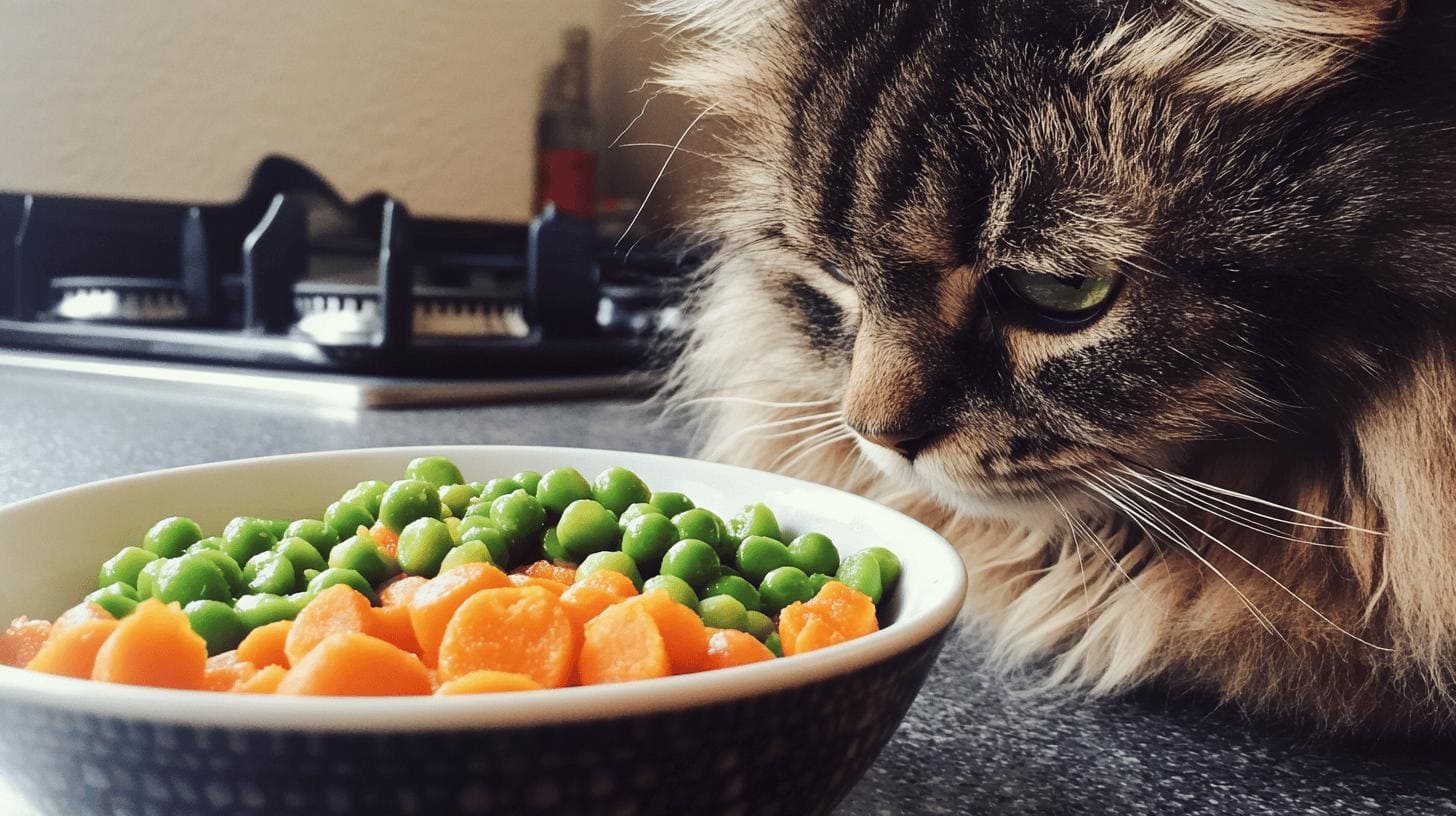
- Cooked carrots: These offer a crunchy treat with vitamins and fiber, aiding digestion when given in moderation.
- Cooked peas: A small amount can provide fiber and vitamins, contributing to a balanced diet.
- Cat-specific treats: Specially formulated with the right balance of nutrients to complement your cat's regular diet.
By focusing on these high-protein foods and occasional vegetable snacks, you can ensure your cat gets the nutrition it needs without relying on starch-heavy foods like taro.